Disclosure: As an Amazon Associate, we earn from qualifying purchases. If you click a link on this page and make a purchase, we may receive a small commission at no extra cost to you.
Aluminum MIG welding can be frustrating when the wire feeds poorly, the puddle feels too fluid, or the finished bead looks rough. STARTECHWELD Aluminum 4043 MIG Welding Wire is made for welders who want smoother puddle control on common aluminum alloys without jumping into a specialty filler. Its ER4043 aluminum-silicon formula makes it a practical choice for general fabrication, automotive repair, and shop projects. This review explains where it works well, where 5356 may be better, and what you should check before using it on load-bearing parts.
Quick Verdict
Rating: 7.5/10, Recommended with caveats
Best For: DIY aluminum MIG work, automotive repair, light fabrication, and smoother cosmetic beads
Bottom Line: This 0.035-inch ER4043 wire is a strong fit when you want smooth wetting and easier puddle control on alloys like 6061, 6063, 5052, 3003, and 3004. Skip it for certified structural work or high-shear applications where a stronger filler alloy may be required.
Key Specifications
| Specification | Detail |
|---|---|
| Brand | STARTECHWELD |
| Model | ER4043-035-5 |
| Product Type | Aluminum MIG welding wire |
| AWS Classification | ER4043 |
| Wire Diameter | 0.035 inch |
| Package Size | 1 roll, 5 lb spool |
| Alloy Type | Aluminum-silicon filler metal |
| Silicon Content | About 5% silicon |
| Common Alloy Compatibility | 3003, 3004, 5052, 6061, 6063, and some aluminum castings |
| Typical Shielding Gas | 100% argon for most aluminum MIG setups |
| Typical Melting Range | About 1065 to 1170°F |
| Best Use | General aluminum fabrication, repair, and cosmetic welds |
| Safety Note | Not the first choice for certified structural or high-shear applications |
What Is the STARTECHWELD Aluminum 4043 MIG Welding Wire?
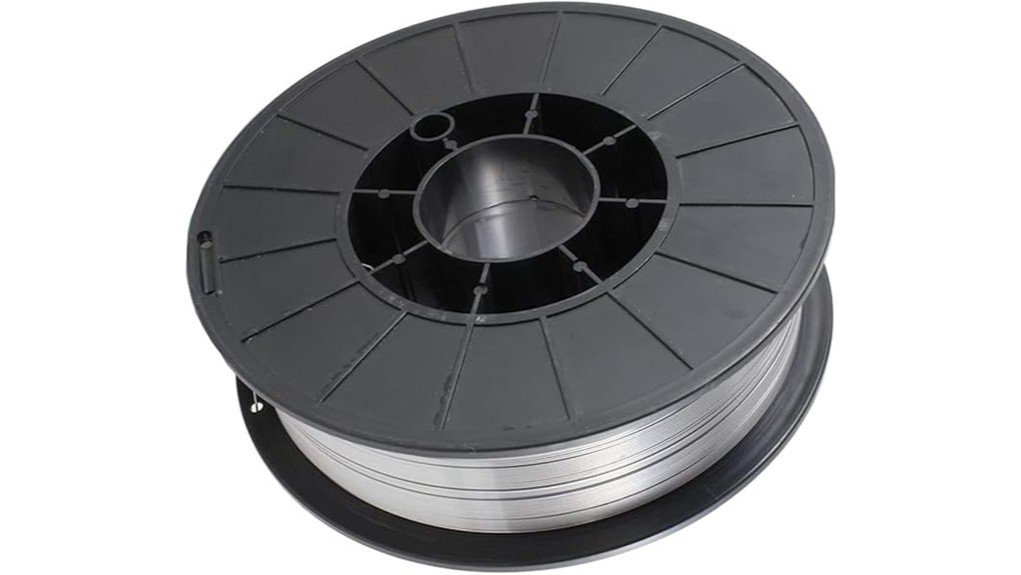
STARTECHWELD Aluminum 4043 MIG Welding Wire is a 0.035-inch ER4043 filler wire sold as a 5 lb roll. It is designed for aluminum MIG welding jobs where smooth feeding, good wetting, and clean bead appearance matter. The ER4043 classification means it uses an aluminum-silicon filler formula rather than an aluminum-magnesium formula like ER5356.
The main advantage is control. ER4043’s silicon content improves puddle fluidity, which can make the arc feel smoother and the bead easier to shape. That helps when you are welding common aluminum alloys such as 6061 or 6063, especially on non-critical brackets, panels, frames, repairs, and shop-built parts.
This wire is not a universal answer for every aluminum job. If the part will carry heavy loads, face high shear stress, or require code-approved welding procedures, you should confirm the filler choice with the project specification, a qualified welding procedure, or a welding professional.
Who Should Buy It?
Best For
- DIY welders working on common aluminum alloys like 6061, 6063, 5052, 3003, or 3004
- Automotive repair, light brackets, panels, hobby fabrication, and general shop projects
- Fabricators who value smooth bead appearance and easier puddle control over maximum filler strength
Skip If
- You need a filler wire for certified structural, aerospace, or high-load work
- Your welding procedure calls for ER5356, ER4047, or another specific filler alloy
- Your MIG setup cannot feed soft aluminum wire reliably through the gun and liner
Before You Buy: ER4043 is easier to run and often produces a cleaner-looking bead, but it has lower shear strength than many 5xxx aluminum fillers. Do not choose it for high-stress parts unless your welding procedure or a qualified professional approves it.
Key Performance Features
Smoother Arc and Puddle Control
The biggest reason to choose ER4043 is its smooth weld-pool behavior. The silicon content helps the molten puddle flow and wet into the joint, which can make the bead easier to control than harder-feeding aluminum fillers.
That smoother feel helps newer aluminum MIG users, but it does not replace correct machine setup. You still need clean base metal, proper wire speed, correct voltage, adequate shielding gas, and steady travel speed.
Clean Bead Appearance
ER4043 is a good match when the finished weld appearance matters. It often leaves a smoother, flatter bead profile than ER5356 when the joint is prepared well and the machine is tuned correctly.
The tradeoff is color after finishing. ER4043 can show a gray tint after anodizing, so it may not be ideal when the welded part will be anodized and visual color match is a top priority.
0.035-Inch Wire Size
The 0.035-inch diameter suits many shop MIG setups for aluminum repair and fabrication. It can handle more deposition than very small wire while still giving you enough control for common brackets, panels, and moderate-thickness parts.
Check your welder’s drive rolls, contact tip, liner, and recommended aluminum wire range before buying. Feeding aluminum through a standard long liner can be difficult, so many users get better results with a spool gun or a dedicated aluminum setup.
5 lb Roll for Repeat Projects
The 5 lb spool size makes sense if you weld aluminum more than once or want enough wire for practice and project work. It gives you more runway than a small 1 lb spool, which helps when you need to dial in settings before welding the final part.
Store the spool carefully once opened. Aluminum wire can collect dust, shop grime, and surface contamination, and that can affect arc quality and bead appearance.
Compatibility and Safety Notes
ER4043 is commonly used with aluminum alloys such as 3003, 3004, 5052, 6061, and 6063. It is also used on some aluminum castings, which makes it useful for repair work where appearance and crack resistance matter. Always match the filler to the base metal and the service conditions, not just the product title.
For aluminum MIG welding, 100% argon is the typical shielding gas choice for many shop setups. Mixed gases may be used in some applications, but your welder manual, filler guidance, and welding procedure should control that decision.
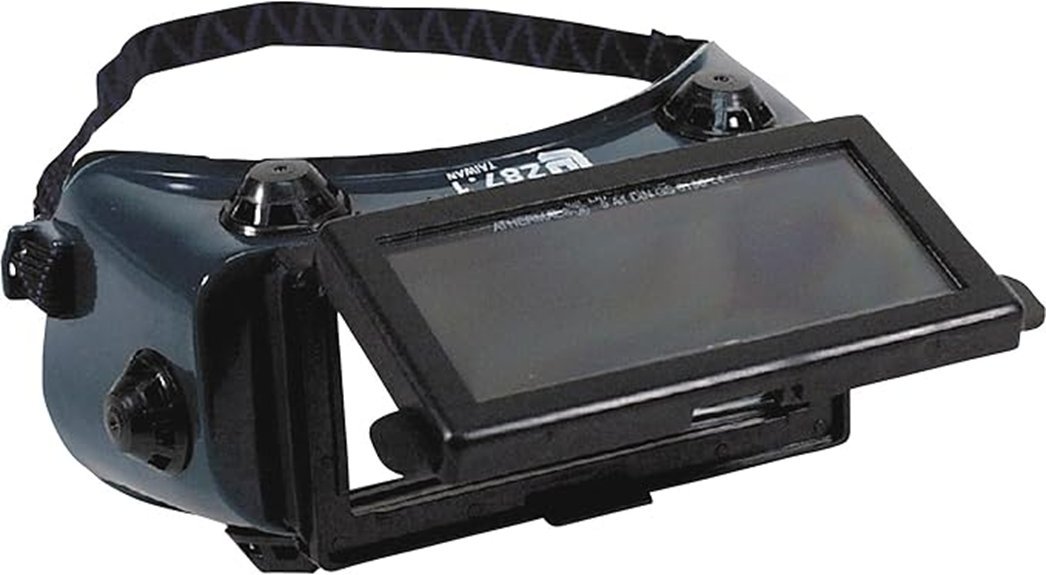
Welding aluminum also creates safety concerns beyond filler selection. Wear proper PPE, remove paint or contamination before welding, ventilate the area, and avoid welding unknown coated metals. If the part supports weight, affects vehicle safety, or sits in a marine or industrial environment, get qualified guidance before choosing filler metal.
How It Performs in Real Use
For Automotive Aluminum Repairs
This wire makes sense for non-critical automotive aluminum work, such as brackets, panels, tabs, and light repair pieces. The smoother puddle can help you make cleaner beads when appearance matters. It is not the right default for suspension parts, frame repairs, wheels, or any part where failure could affect safety.
For Light Fabrication
In a small shop, ER4043 is useful for general aluminum frames, fixtures, guards, covers, and repair jobs. The 5 lb roll gives you enough wire for setup passes, practice coupons, and repeated projects. You still need to clean the joint with a dedicated stainless brush and remove oxide before welding.
For 6061 and 6063 Projects
ER4043 is often chosen for 6xxx-series aluminum because it wets well and can reduce cracking risk in many common joints. It is a practical choice when the part needs a neat bead and moderate strength. For higher-strength requirements, compare it with ER5356 and follow the procedure for your base metal.
For Outdoor or Drafty Work Areas
This wire can be used in a controlled outdoor area, but wind can push shielding gas away from the puddle. That can cause porosity, oxidation, and weak-looking welds. Use wind screens, improve gas coverage, or move the job indoors when possible.
Setup Tips Before First Use
Aluminum wire is softer than steel MIG wire, so setup matters. Use the correct contact tip size, clean drive rolls, and tension that grips the wire without crushing it. If your machine supports a spool gun, that setup often reduces feeding problems because the wire has a shorter path to the arc.
Clean the base metal before welding. Use a solvent suited for the job to remove oil or grease, then use a stainless steel brush dedicated only to aluminum. Do not use the same brush you use on steel because cross-contamination can cause weld problems.
Pro Tip: Run a few practice beads on scrap aluminum from the same material thickness before welding the actual part. Aluminum settings can feel too hot at first, and a test coupon helps you tune wire speed, voltage, and travel speed without damaging the project.
Common Mistakes to Avoid
- Using it as a structural filler by default: ER4043 is not always the best choice when shear strength is the main requirement.
- Skipping oxide removal: Aluminum oxide melts at a much higher temperature than the base metal, so dirty material can make the puddle unstable.
- Using poor wire feeding setup: Too much drive-roll pressure can deform soft aluminum wire and cause bird-nesting.
- Welding in drafts: Aluminum MIG needs stable shielding gas coverage to reduce porosity.
- Ignoring base-metal alloy: 4043, 5356, and 4047 do not serve the same purpose in every joint.
Pros and Cons
Pros
- 0.035-inch ER4043 wire suits many aluminum MIG repair and fabrication jobs
- About 5% silicon content helps the puddle flow and wet into the joint
- Good match for common alloys such as 6061, 6063, 5052, 3003, and 3004
- 5 lb roll is practical for repeat shop work and setup practice
- Can produce smoother-looking beads than stronger but less fluid fillers
Cons
- Lower shear strength than many 5xxx aluminum filler wires
- May require a spool gun or dedicated aluminum liner for smooth feeding
- Not ideal for anodized-finish color matching or certified structural welding
Need smoother aluminum MIG welds?
Check the current product details and confirm the 0.035-inch, 5 lb ER4043 roll matches your setup.
How It Compares to Alternatives
Compared with ER5356, ER4043 is usually easier to weld and can create a smoother-looking bead, but ER5356 is often preferred when higher strength is a main concern. If you are welding parts where shear strength, marine exposure, or structural performance matters, compare the required filler carefully before choosing.
Compared with ER4047, ER4043 has less silicon and is more common as a general-purpose aluminum MIG filler. ER4047 can flow even more and may suit specific brazing or leak-tight applications, but it is not always the default choice for everyday MIG fabrication. STARTECHWELD ER4043 makes the most sense when you want a familiar, easy-running aluminum filler for general shop work.
Is It Worth the Price?
This wire offers strong value if you regularly weld aluminum and want more than a small practice spool. The 5 lb roll is better for ongoing repair work, repeated setup tests, and shop projects where a 1 lb spool may run out quickly.
It is worth considering if your main priorities are smooth puddle control, clean bead appearance, and compatibility with common aluminum alloys. The value drops if you only need a small amount of wire for one repair or if your project requires a different filler classification.
For occasional hobby welding, check your machine compatibility before you buy. A good roll of ER4043 will not solve feed problems caused by the wrong liner, wrong drive rolls, or poor aluminum setup.
Frequently Asked Questions
Is STARTECHWELD ER4043 wire good for beginners?
Yes, it can be easier for beginners than some stronger aluminum fillers because the silicon content helps the puddle flow smoothly. You still need a welder that can feed aluminum wire correctly, plus clean base metal and proper shielding gas.
Can I use this 4043 wire on 6061 aluminum?
Yes, ER4043 is commonly used on 6061 aluminum for general fabrication and repair. For high-strength, code-controlled, or load-bearing parts, confirm the filler choice through the welding procedure or a qualified professional.
Can I use ER4043 on 5052 aluminum?
ER4043 is commonly listed as compatible with 5052, but it is not always the strongest choice for every 5xxx-series application. If the part needs higher strength or marine-grade performance, compare ER5356 and follow the project requirements.
What shielding gas should I use with this wire?
100% argon is the typical shielding gas for many aluminum MIG welding setups using ER4043. Always follow your welder manual, filler guidance, and procedure because gas flow and joint conditions affect weld quality.
Do I need a spool gun for 0.035-inch aluminum MIG wire?
A spool gun is often helpful because aluminum wire is soft and can bind or bird-nest in a long liner. Some welders can run aluminum through a dedicated liner and proper drive rolls, but setup matters more than it does with steel wire.
Is 4043 stronger than 5356?
No, 5356 is often chosen when higher strength is a main requirement. ER4043 is usually valued more for fluidity, crack resistance in many common joints, and smooth bead appearance.
Can I weld outdoors with this aluminum MIG wire?
You can weld in a controlled outdoor area, but wind can disturb shielding gas and create porosity. Use wind protection or move indoors when the arc area cannot stay shielded.
Who should skip this welding wire?
Skip it if your project requires a specific filler alloy, certified structural performance, or higher shear strength than ER4043 can provide. You should also skip it if your welder is not set up to feed soft aluminum wire reliably.
The Bottom Line
STARTECHWELD Aluminum 4043 MIG Welding Wire is a dependable 0.035-inch ER4043 option for welders who want smoother aluminum beads on common alloys and general repair work. Buy it for light fabrication, automotive non-critical parts, and shop projects where puddle control and appearance matter. Skip it for certified structural welds, high-stress parts, or jobs that call for a stronger or more specialized filler alloy.