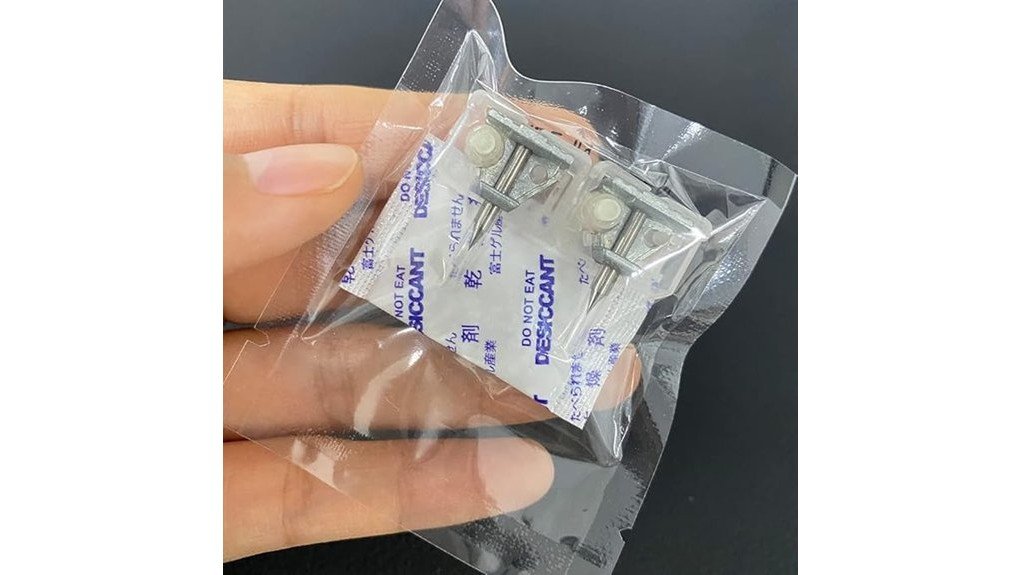
These 87S 88S 88R fusion splicer electrodes are a replacement pair for Fujikura fiber-optic fusion splicers. They are not welding rods. Similar ELCT2-16B electrode listings name the 88S, 88R, 90R and several 26S to 41S models, so match the electrode type and your splicer model before ordering.
This page replaces an earlier version that wrongly described these as welding electrodes. It is based on the Amazon listing and public retailer pages, not hands-on testing.
87S 88S 88R fusion splicer electrodes at a glance
| Item | Detail |
|---|---|
| What it is | 1 pair of replacement electrodes for a fiber fusion splicer |
| Splicer brand | Fujikura models; maker of this pair is not named in the listing summary |
| Listed models (per the listing) | 87S, 88S, 88R and other Fujikura models; confirm the full list on the Amazon page |
| Related part | Retailers sell ELCT2-16B electrodes for 88S, 88R, 90R, 26S, 27S, 28S, 37S, 38S and 41S |
| Size and weight | 4.49 x 2.44 x 0.28 in; 0.352 oz (per the listing) |
| Electrode life | Not stated by the seller; check your splicer manual |
Splicer electrodes differ by model. Use the part number in your Fujikura manual to confirm which type you need.
Check the current price on Amazon →
How to check the electrodes fit your splicer
- Splicer model. Confirm your exact model, such as 88S, 88R or another listed model.
- Electrode part number. Compare it with the part in your manual. Fujikura uses ELCT2 codes, and the 12, 16B and 20A types are not interchangeable.
- Pair. This listing is for one pair. Check how many pairs you need.
- Model list. Do not assume a model that is not named in the listing.
When to replace splicer electrodes
Fujikura-related guidance quotes about 5,000 splices as the electrode life, but the exact figure depends on your model. Replace them sooner if you see:
- An unstable arc or repeated unstable-arc errors.
- More failed or poor splices.
- Soot or heavy build-up at the tips.
- Worn or misshapen tips, or a wider gap.
Check the current price on Amazon →
How to replace them safely
- Switch the splicer off and remove the battery or power cord.
- Follow the electrode replacement menu and procedure in your manual.
- Handle the electrodes by the holder and keep the tips from touching anything.
- Seat them as the manual shows, then power up.
- Run the arc stabilization routine and the splice test the manual calls for.
Treat the splicer as a high-voltage arc device, and wear safety glasses.
Pros and limitations
Pros
- A spare pair keeps a splicer running when arc errors appear.
- Small and light to keep with a splicer kit.
Limitations
- Fits only the listed Fujikura models.
- The brand and exact part number are not clear from the listing.
- No electrode life is stated.
Alternatives and related guides
- Ai-9 fiber fusion splicer review: a splicer review for context
- Fiber optic termination tool kit review: tools for fiber termination
Related reviews: SM&MM Ai-9 fiber fusion splicer review and fiber optic termination tool kit review.
Frequently Asked Questions
Are these welding electrodes?
No. They are replacement electrodes for fiber-optic fusion splicers. They are not used for arc welding.
Which splicers do they fit?
The listing names Fujikura 87S, 88S and 88R among others. Retailers sell similar ELCT2-16B electrodes for 88S, 88R, 90R and several other models. Always confirm against your manual.
How long do splicer electrodes last?
The seller does not state a life. Fujikura-related guidance quotes roughly 5,000 splices, but it varies by model and use. Replace them when you get arc errors or poor splices.
Do I need to calibrate after replacing the electrodes?
Yes, Fujikura splicers normally ask you to run an arc stabilization routine after a change. Follow your manual.
Bottom line
These electrodes are a replacement part for Fujikura fusion splicers, not welding supplies. Confirm your model and electrode type before buying, and follow the manual when you change them.
Check the current price on Amazon →