
The best deep penetration welding rods for stick welding are the cellulose types: E6010 (DC only) and E6011 (AC or DC). This roundup covers two E6011 packs, one E6010-style rod and two E7018 packs. E7018 is a low-hydrogen rod chosen for strong, clean welds rather than digging power, so treat it as the strength pick, not the penetration pick. These 3 welding rods for penetration are common choices for deep, strong root welds.
Top Picks: Deep Penetration Welding Rods
| Use | Product | Rod and pack (per listing) | Typical job |
|---|---|---|---|
| Penetration, AC or DC | Metal Marlin E6011 3/32 | E6011, 3/32 in, 5 lb | Dirty or rusty steel, AC welders |
| Penetration, heavier rod | Metal Marlin E6011 1/8 | E6011, 1/8 in, 5 lb | Thicker steel repairs |
| Pipe root passes (DC) | Wofdaly E6010 | E6010-style, 3.2 mm, 1 kg | Pipe roots, DC welders only |
How These Rods Were Compared
This roundup compares listing data (rod type, diameter and pack size) with what each rod type is designed to do. We did not weld with these exact packs, so the notes below describe intended use and common limits, not test results. Always check the package for amperage ranges and storage instructions.
Some listings describe E7018 as deep-penetration or suitable for rusty surfaces. E7018 normally welds best on clean steel and needs dry storage, so confirm those claims against the manufacturer guidance.

Per the listing: E6011 3/32 in carbon steel stick rods in a 5 lb pack, described as a deep-penetration, fast-freezing arc in vacuum-sealed packaging.
Best for: Dirty, rusty or painted steel and AC-only welders that cannot run E6010.
- A forceful arc and spatter make it a poor fit for thin sheet.
- E6011 runs on AC or DC; set amperage from the package chart.
- Keep the rods dry once the vacuum seal is opened.
Buyer feedback to check: read recent buyer feedback on the Amazon listing before ordering. This page does not summarize buyer ratings.

Per the listing: E6011 1/8 in carbon steel stick rods in a 5 lb pack, with the same deep-penetration, fast-freezing arc description.
Best for: Thicker steel repairs where a larger diameter and more amperage are available.
- A 1/8 in rod needs a welder with enough output for its amp range.
- Spatter and a rougher bead than E6013 or E7018 are normal.
- Grind or clean slag between passes.
Buyer feedback to check: read recent buyer feedback on the Amazon listing before ordering. This page does not summarize buyer ratings.

Per the listing: High-cellulose E6010-style 3.2 mm electrodes in a 1 kg pack, described as having strong arc force and deep penetration for pipe root passes, requiring DC reverse polarity and producing significant spatter.
Best for: Pipe root passes and dirty steel on a DC welder.
- DC electrode positive only, so AC-only welders cannot run it.
- The listing itself notes significant spatter.
- It is labeled E6010-style, so confirm the exact classification on the package.
Buyer feedback to check: read recent buyer feedback on the Amazon listing before ordering. This page does not summarize buyer ratings.
Frequently Asked Questions
What is the difference between E6010 and E6011?
Both are cellulose rods with a deep, digging arc. E6010 runs on DC electrode positive only, while E6011 also runs on AC, so E6011 suits AC-only welders.
Is E7018 a deep penetration rod?
Not primarily. E7018 gives moderate penetration and is chosen for strong, low-hydrogen welds on clean steel. For digging through rust or paint, E6010 or E6011 is the usual choice.
How should I store E7018 rods?
Keep them dry and sealed. Low-hydrogen flux absorbs moisture, so follow the manufacturer guidance on rod ovens and reconditioning before welding structural joints.
Can I weld rusty steel with these rods?
E6010 and E6011 handle rust and paint better than most rods, but cleaning the joint is still better for weld quality.
Which rod works on an AC-only welder?
E6011 and E7018 are designed to run on AC or DC. E6010 needs DC, so it will not run on an AC-only machine.
Which Rod Should You Pick?
Pick E6011 if you want penetration and your welder is AC or DC. Pick the E6010-style rod only if you have DC output and need pipe root passes. Pick E7018 when the metal is clean and strength matters more than digging power. Match rod diameter to your welder output and test on scrap first.
Wrapping Up
E6011 is the flexible penetration choice, E6010 is the DC-only specialist, and E7018 is the strength rod for clean steel. Check each listing for the diameter and pack size you actually want, and keep all rods dry.
Related reading: ARCCAPTAIN E7018 welding rod review, which welding rods need oven storage and best pipe welding rods.
Listing Data Compared
Figures below were copied from the Amazon listings when this page was built and can change. Confirm size, weight and pack count on the listing before ordering.
| Product Name | Image | Size | Manufacturer |
|---|---|---|---|
| E6011 Welding Rod 3/32″ |
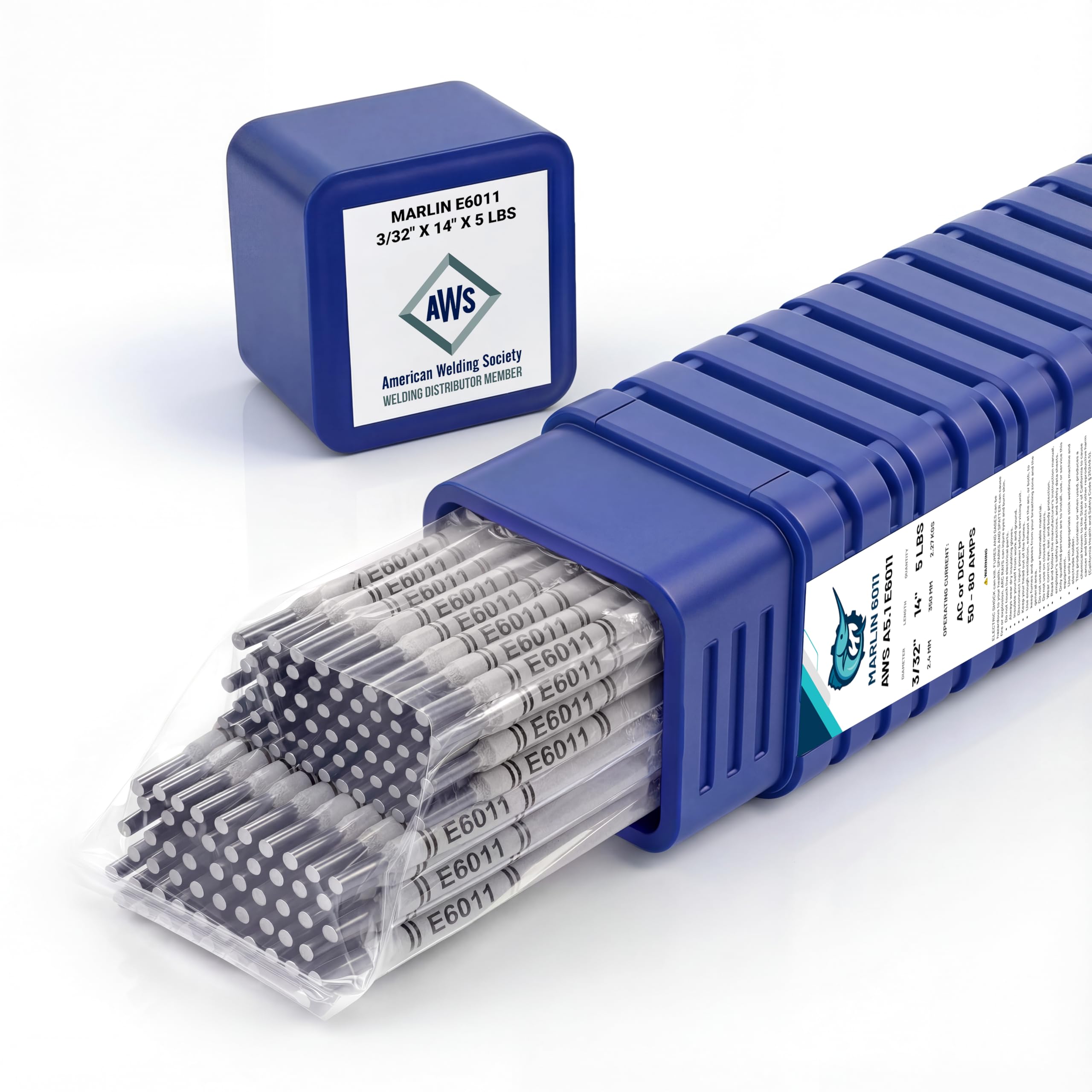 |
3/32″ x 14″ in 5lbs Plastic Box | METAL MARLIN |
| E6011 Welding Rod 1/8″ |
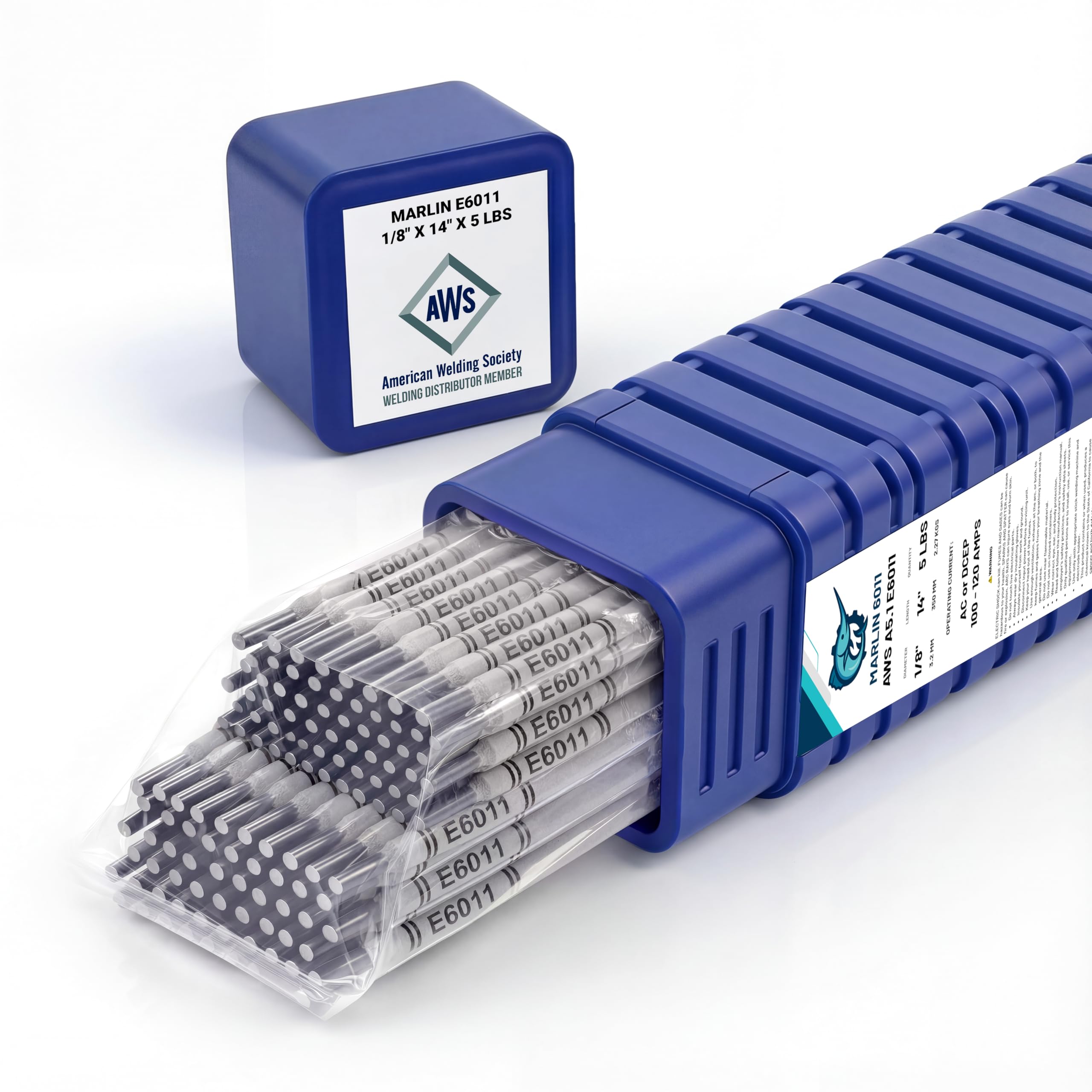 |
1/8″ x 14″ in 5lbs Plastic Box | METAL MARLIN |
| Welding Rods Diameter 3.2MM |
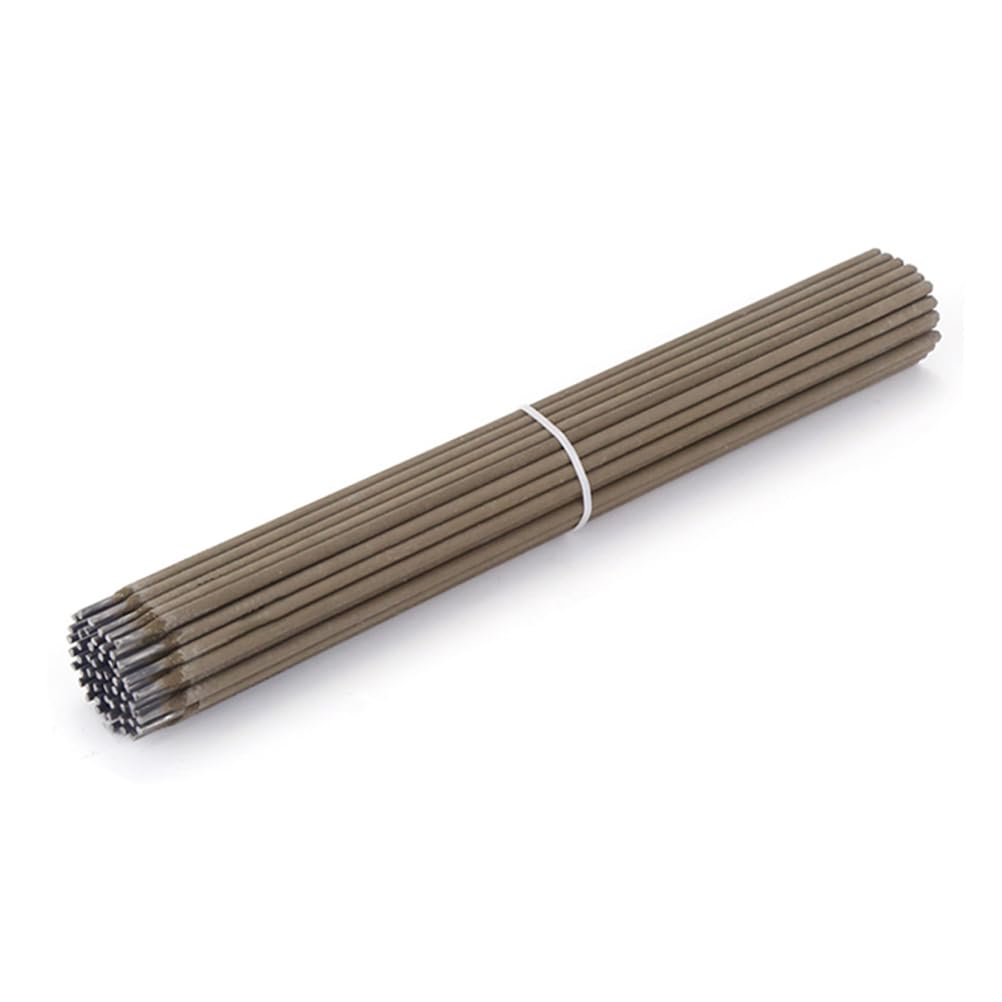 |
3.2mm Diameter, 1kg | WOFDALY |