
Low spatter welding rods mean less grinding and chipping after the weld. These ten stick and TIG options (E6013, E7018, E309L stainless and ER4043 aluminum) all advertise low spatter on their listings, so this guide sorts them by process, material and pack size.
Low Spatter Welding Rods Compared
|
Category |
Product |
|---|---|
|
Best For Aluminum |
|
|
Best General Purpose |
|
|
Best For Structural Work |
|
|
Best With Inverters |
|
|
Best Budget Pick |
|
|
Best For Small Welders |
|
|
Best For Stainless |
|
|
Best Bulk Pack |
|
|
Best For Home Repair |
|
|
Best All-Position |
How These Picks Were Chosen
Picks are based on the product listings and manufacturer-stated specs, not on hands-on testing. Low spatter is a claim on each listing; how much spatter you actually get also depends on polarity, amperage, arc length and how dry the rods are.
Weights and dimensions in the comparison table come from the listings. Confirm them and the amperage range on the package before you order.
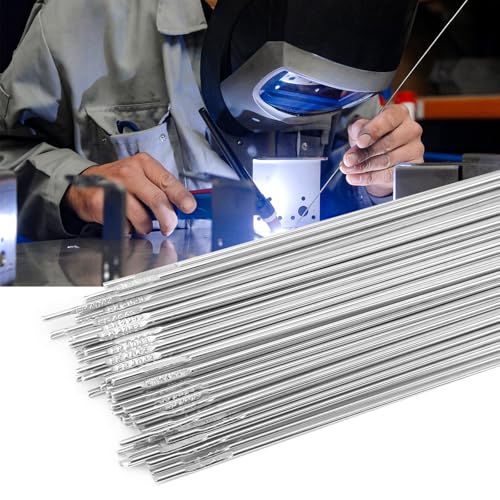
You get a tidy pack of ER4043 filler rods that are easy to feed when you need clean aluminum joins. They’re aimed at TIG work on common alloys like 6061 and feel sensible for both small repairs and light fabrication. If you’re building or repairing gas tanks, brackets, or thin aluminum panels, these rods help you lay smoother beads with minimal splatter and less grinding afterward. They’re not complicated to use, so if you’re comfortable with basic TIG technique you’ll appreciate how they reduce cleanup and keep the focus on fit and finish.
Versatility
These rods work well for TIG filler on thin to moderately thick aluminum and are a practical choice whether you’re repairing a sheet, fabricating brackets, or doing hobby projects that need clean-looking welds.
Key Benefits
- Low spatter for faster post-weld cleanup
- Good compatibility with 6061 and common aluminum alloys
- Convenient 60-piece pack for frequent small jobs

If you want a dependable all-purpose stick rod, these E6013s are the sort you reach for when you need consistent, clean-running welds. They strike easily, run smoothly on both older buzz boxes and modern inverters, and give you manageable penetration for medium-thickness steel. For everyday fixes like gate hinges, railings, or trailer brackets they save time by producing less spatter and easier-to-remove slag.
If you do occasional structural work or lots of general repair, these are a practical choice that keeps welding straightforward and cleanup quicker.
Versatility
These rods work for a wide range of shop and field tasks, from routine home repairs and auto body patching to fabricating brackets and light structural work.
Key Benefits
- Stable, easy-to-control arc
- Low spatter for faster cleanup
- All-position capability for awkward spots

You’re looking at a classic low-hydrogen rod that’s built for strength and consistency. These E7018s give you steady arcs and smooth beads once you get the amperage right, which makes them a sensible pick for structural repairs, frame work, and heavier fabrication tasks.
They’re the sort of rod you reach for when you need dependable fusion, predictable slag behavior, and fewer surprises mid-weld. For everyday shop jobs or tackle-it-yourself construction work, they’re a solid, no-nonsense option that rewards careful storage and proper drying.
Versatility
These rods are best for medium to heavy carbon steel work, so they fit welding structural components, trailer frames, farm repairs, and thicker fabrication projects. They’re less about delicate sheet work and more about giving you dependable performance on jobs that need strength.
Key Benefits
- Low-hydrogen formulation for stronger, crack-resistant welds
- Consistent arc and predictable slag for cleaner beads
- Well suited to structural and heavy repair work
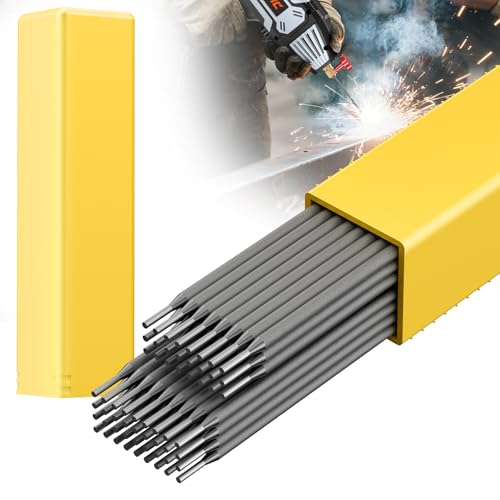
These 3/32″ E6013 rods are the kind you reach for when you need dependable, tidy welds without fuss. You’ll find they strike easily, run smoothly on both older transformer machines and modern inverters, and lay down a neat bead that keeps grinding to a minimum. They’re versatile enough for sheet metal work, trailer and gate repairs, and general shop fabrication, and they behave well in vertical and overhead positions when you adjust your arc length.
If you want a practical, do-it-all stick rod that makes cleanup quicker and keeps projects moving, this is a solid pick.
Versatility
Great for a wide range of home and shop tasks, from auto patching and thin-panel repairs to light structural work. The 3/32″ size balances heat input and control, making it useful for both detailed and medium-thickness welding.
Key Benefits
- Smooth, easy-starting arc
- Low spatter reduces cleanup time
- True all-position capability for awkward jobs

If you need an approachable all-position rod for thin-plate work, this E6013 option aims to keep things simple. You’ll find it described for vertical-down applications, ship and vehicle plate repairs, and light pipeline work where a tidy bead matters. It’s the kind of rod you’d pick for routine repairs and home shop tasks when you want manageable spatter and predictable slag behavior.
Treat it as a practical choice for everyday welding tasks rather than specialty structural jobs.
Versatility
Works well for thin to medium sheet repairs, vehicle and ship plate touch-ups, and general maintenance where you need an all-position rod that behaves predictably.
Key Benefits
- Stable arc with rutile coating for easier starts
- Low spatter and easy slag removal for faster cleanup
- All-position capability, especially vertical-down
You want a dependable low-hydrogen rod when strength and crack resistance matter. These E7018 3/32″ electrodes give you a steady arc and predictable slag behavior, which makes multi-pass structural work and repairs less fussy.
They’re well suited to trailer frames, farm equipment fixes, structural patching, and general shop fabrication where durable, tidy welds count. Treat them like a workhorse: store them dry, dial in the right amperage, and they’ll reward you with consistent fusion and easier cleanup.
Versatility
Best for medium to heavy carbon steel work—frame repairs, structural patches, trailer and farm gear maintenance. Less aimed at delicate sheet-metal tasks and more for jobs that need durable, load-bearing welds.
Key Benefits
- Low-hydrogen mix for stronger, crack-resistant welds
- Consistent arc and predictable slag for cleaner beads
- Built for structural and heavy repair applications

You’re looking at a versatile E6013 that makes routine welding work feel easier. These rods strike reliably, run smoothly on both older transformer machines and modern inverters, and offer controlled penetration for medium-thickness steel.
They shine on repairs like railings, trailer brackets, and structural patching, and their low spatter and easy-to-remove slag cut down finishing time. For general-purpose shop work or weekend fabrication projects, they’re a pragmatic choice that keeps the project moving.
Versatility
These rods handle a wide range of shop and field jobs, from auto patching and thin-panel repairs to trailer and structural maintenance. Their all-position capability means you can keep going in awkward orientations without swapping consumables.
Key Benefits
- Stable, easy-to-control arc
- Low spatter and easy slag removal
- All-position performance for awkward spots
- Good penetration for medium-thickness steel

If you need a rod for stainless cladding or joining stainless to carbon steel, E309L is designed for that job. You’ll find it handy for repair work where corrosion resistance matters, for overlays on carbon parts, and for heat-treated dissimilar joints that need lower carbon content in the deposit.
It runs cleaner than some stainless options but expects to adjust current carefully and pre-bake the electrodes when specified. This is a practical pick when appearance and corrosion resistance matter, though it’s better suited to someone comfortable dialing in DC settings and following proper storage and baking routines.
Versatility
Best for stainless-to-stainless or stainless-to-carbon cladding, overlays, and repair work on parts that need improved corrosion resistance. Not ideal for very thin sheet work unless you’re experienced with small-diameter electrodes and low currents.
Key Benefits
- Good corrosion resistance for cladding and overlays
- Lower carbon deposit reduces intergranular corrosion risk

You’ll reach for these E7018s when strength and predictability matter. They deliver steady arcs and deep, dependable fusion on medium to heavy carbon steel, making multi-pass and structural work less fussy.
They shine on trailer frames, farm equipment, gates, and any repair that needs a tough, crack-resistant weld. Expect clean beads and manageable slag if you store the rods dry and run the right amperage. If your projects require durability over flashiness, this is a practical workhorse that rewards sensible handling.
Versatility
Best for medium to heavy carbon steel tasks like structural repair, frames, and agricultural equipment. They’re less suited to delicate sheet work or very low-power portable welders.
Key Benefits
- Low-hydrogen mix for stronger, crack-resistant welds
- Consistent arc and reliable fusion for structural jobs
- Predictable slag behavior for easier cleanup
- AWS/SFA-certified performance suitable for heavy repairs
You want a reliable rod when strength and predictability matter. These E7018s deliver steady arcs and consistent fusion for multi-pass and load-bearing work, so repair jobs and structural fabrications run smoother.
They’re ideal for trailer frames, farm equipment, gate and fence repairs, and any task where crack resistance and clean slag behavior make finishing easier. Store them dry and dial in the right amperage and you’ll appreciate how they reduce surprises during long projects.
Versatility
Best suited to medium and heavy carbon steel tasks like structural repairs, trailer and frame work, and farm equipment maintenance. They’re built for strength and multi-pass welding rather than delicate sheet-metal jobs.
Key Benefits
- Low-hydrogen mix for stronger, crack-resistant welds
- Consistent arc and reliable fusion for structural work
- Predictable slag that peels cleanly for faster finishing
Related guides: ways to reduce welding spatter | E6013 3/32 beginner stick electrode review | TIG filler rod selection chart
FAQ
How Do I Choose The Right Low-Spatter Rod?
Pick a rod that matches the material you’re welding and the job you do most often. For aluminum work you’ll lean toward ER4043-style filler; for carbon steel repairs E6013 or E7018 are common choices depending on whether you want easier arc control or low-hydrogen strength; for stainless cladding you’d consider E309L. Also consider rod diameter, whether you need all-position capability, and whether your welder runs AC, DC, or an inverter—those factors affect how cleanly the rod will run and how much post-weld cleanup you’ll do.
How Should I Store And Prepare Rods To Avoid Problems?
Keep rods dry and stored in a sealed container or rod oven when possible, because moisture is the main cause of poor performance and excess spatter. If a manufacturer recommends baking for low-hydrogen electrodes, follow their specific temperature and time instructions; otherwise use a dedicated rod oven or airtight box with desiccant and transfer only what you’ll use that day.
Before restarting a stick, light scrape the flux and check for obvious damage so you don’t introduce contamination into the puddle.
Will Low-Spatter Rods Eliminate Cleanup, And How Can I Reduce Spatter More?
Low-spatter rods cut cleanup but won’t remove it entirely; technique and settings make a big difference. Keep a short, consistent arc length, set amperage to the rod diameter and material thickness, clean the base metal, and use steady travel speed and angle—those adjustments usually reduce stray beads more than any single consumable. For final cleanup use a chipper and wire brush or a quick pass with a grinder where appearance matters.
Which One Should You Choose?
E6013 is the usual low-spatter choice for general mild steel work, and E7018 suits structural and thicker work. Choose E309L only for stainless-to-stainless or stainless-to-carbon steel joints, and ER4043 only for aluminum TIG. Keep rods dry, since damp flux can make an arc erratic and spattery.
Wrapping Up
Pick the rod for your base metal and process first; low spatter also depends on dry rods and sensible settings. Confirm details on each listing before you buy.
| Product Name | Image | Material Type | Size | Low Spatter |
|---|---|---|---|---|
| UNIFAMILY 60Pcs Aluminum Welding Rods ER4043 1/16″ x 16″ |
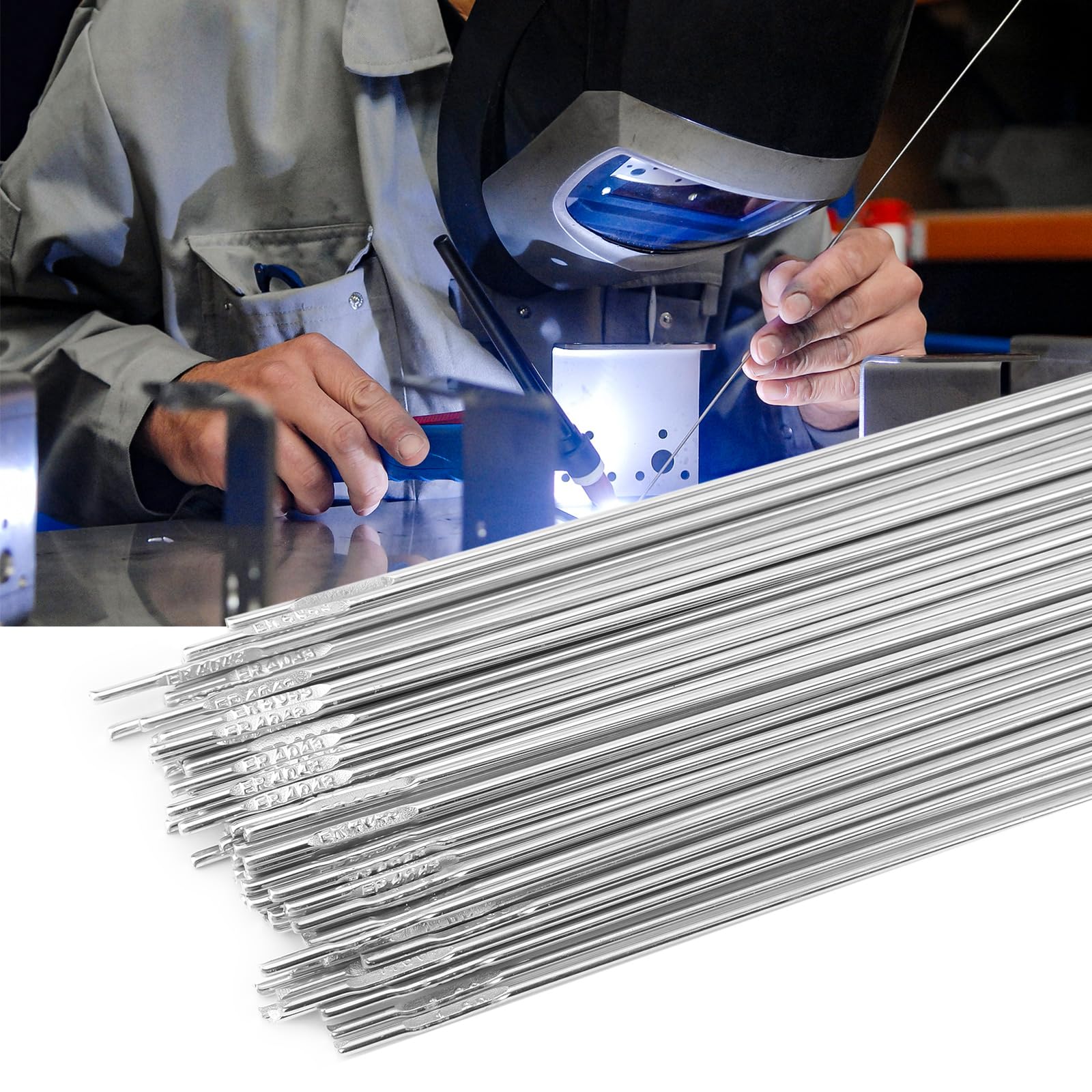 |
Aluminum | 60 pcs 1/16″ x 16″ | Yes |
| E6013 Welding Rods 1/8″ – PLOWIC |
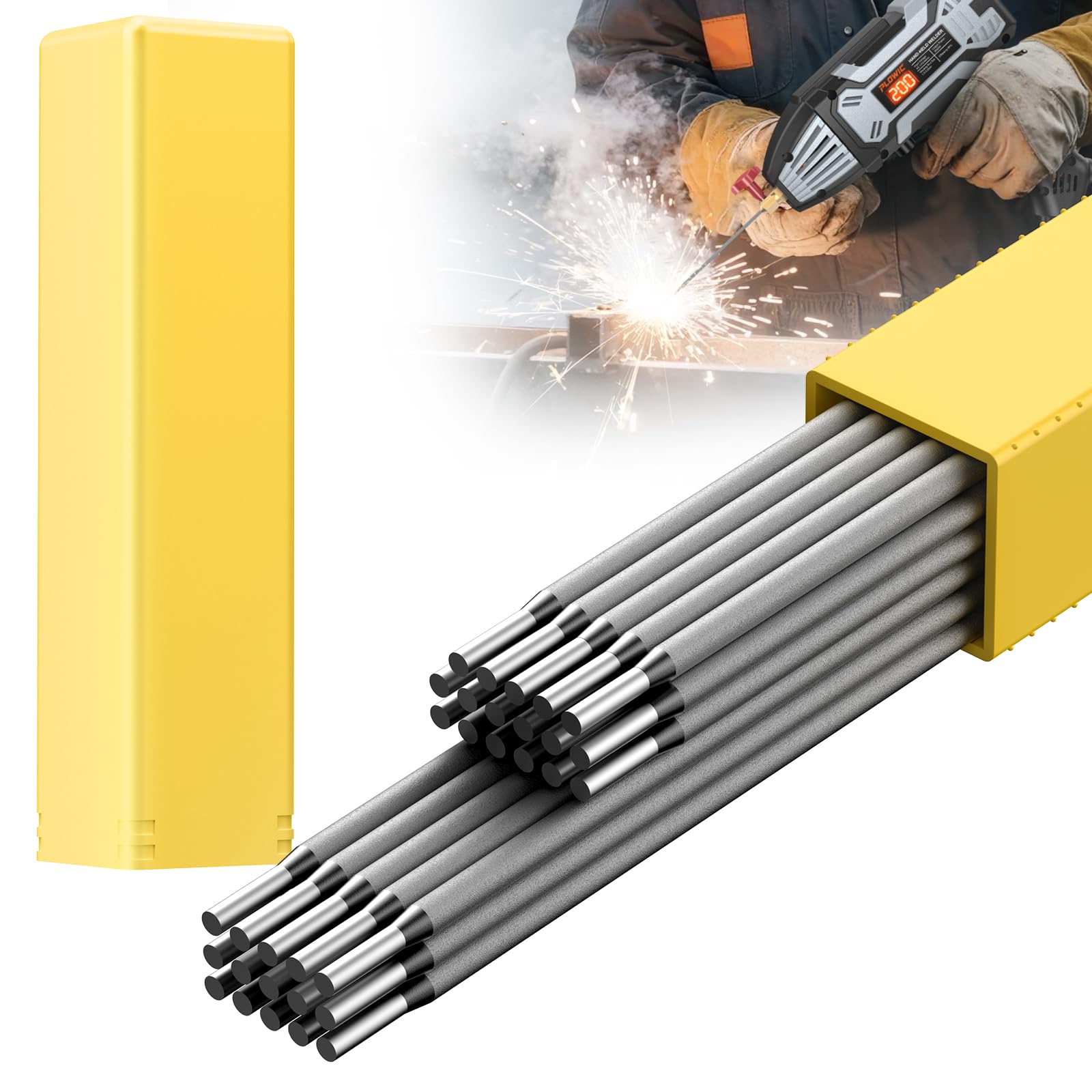 |
Carbon Steel | 1/8″ | Yes |
| E7018 Welding Rods 1/8″ 2.2LB – TECWELD |
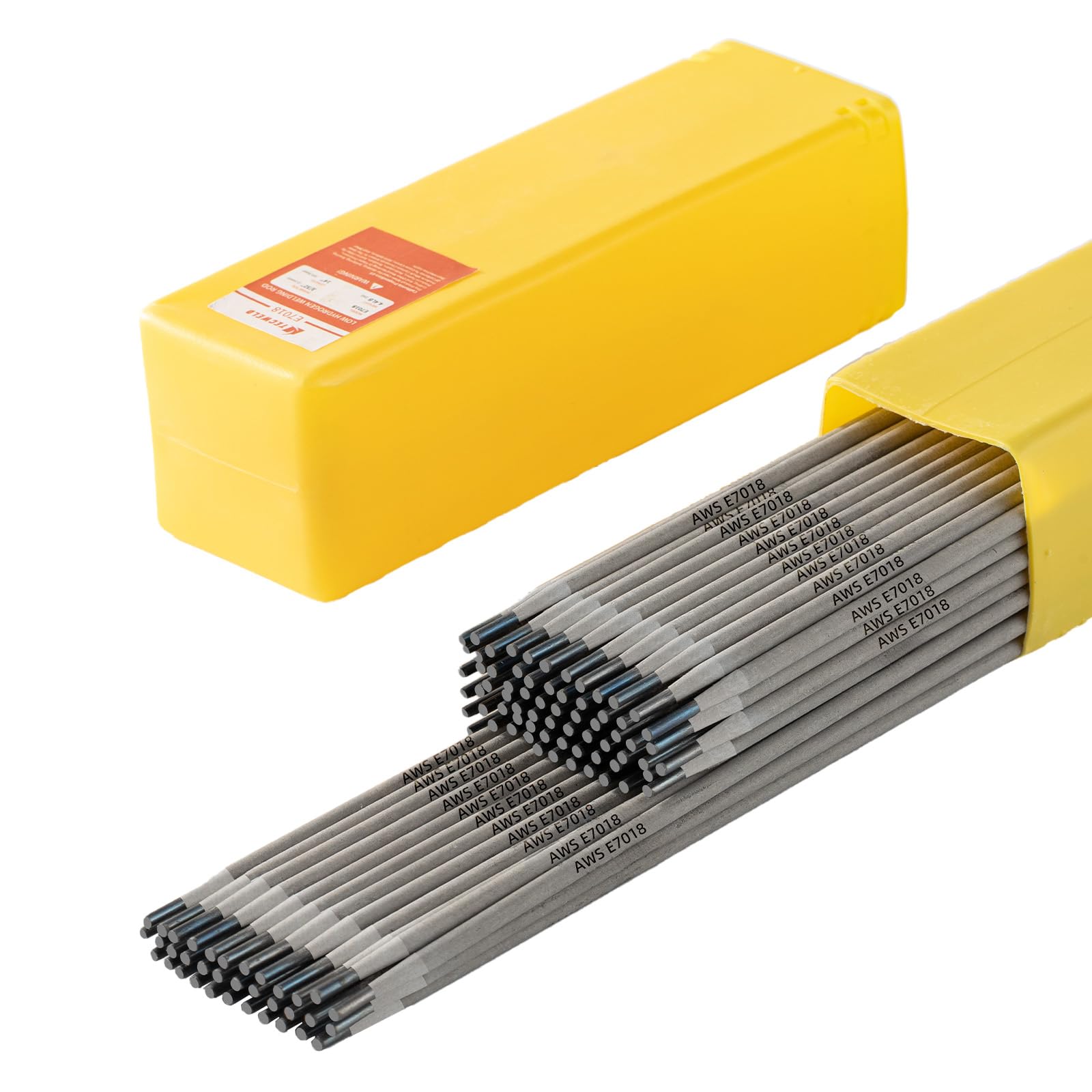 |
Carbon Steel | 1/8″ | Yes |
| Seimneire E6013 Welding Rod, 3/32″ 1LB |
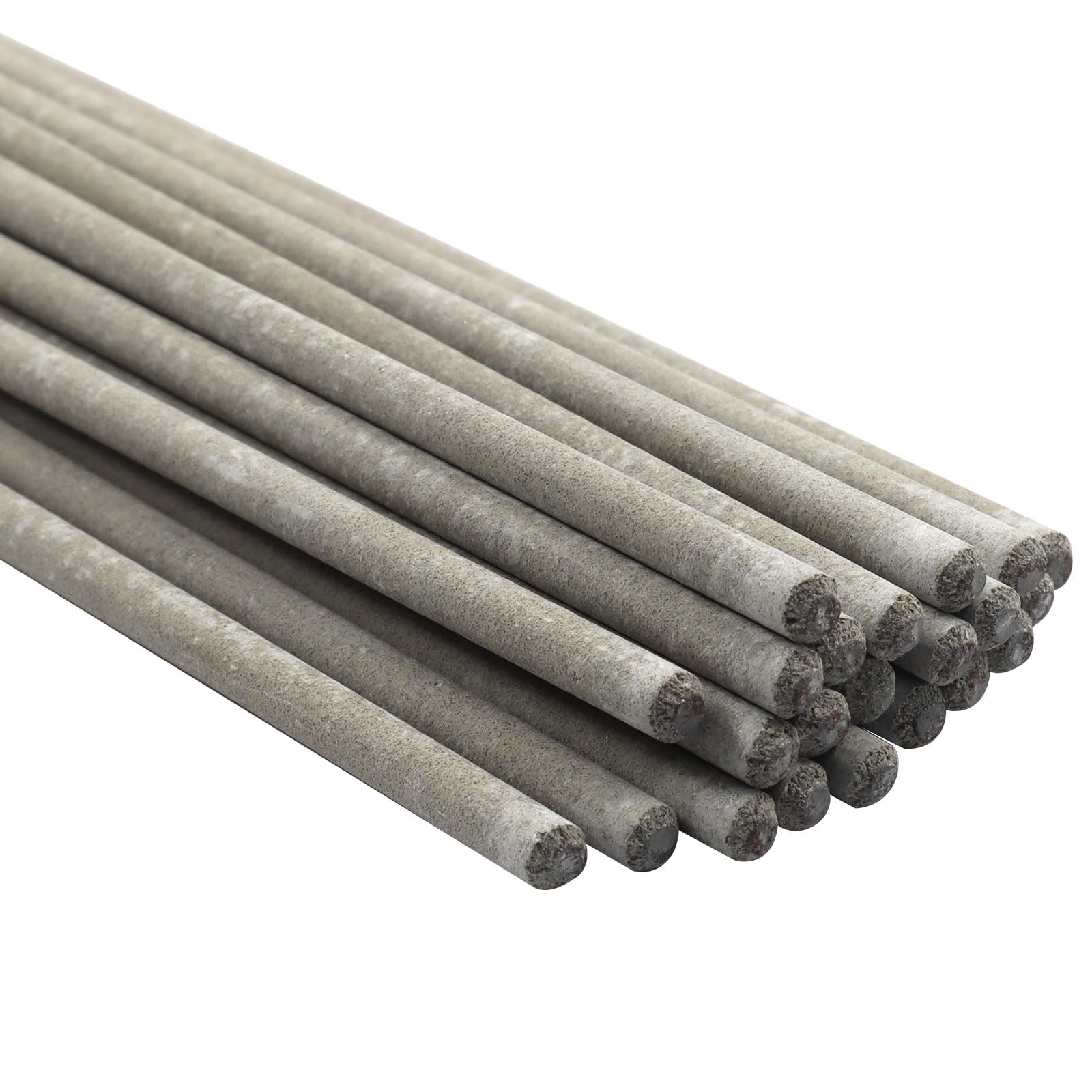 |
Low Alloy Steel | 3/32″ | Yes |
| 7018 Welding Rod 1/8″, E7018 Stick Welding Electrodes 5Lbs |
 |
Carbon Steel | 1/8″ | Yes |
| E7018 Welding Rods 1/8″ 4.4LB – TECWELD |
|
Carbon Steel | 1/8″ | Yes |