
You depend on the right filler to get clean, durable welds when joining dissimilar or high‑strength steels, and the ER312 family is designed to address those exact needs. This short guide helps you quickly compare three 312 rods so you can match welding process, rod diameter and budget to your project. These 312 welding rods are known for joining dissimilar and hard-to-weld steels.
Knowing which rod gives the most consistent stick performance, which size suits fine TIG work, and what to watch for on arrival will save you time and reduce rework.
Top Picks
|
Category |
Product |
Score |
|---|---|---|
|
🏆 Best For Fine TIG |
78/100 |
|
|
🔰 Best For Heavy Fills |
76/100 |
|
|
🎯 Best For Stick Welding |
92/100 |
Selection Criteria
You want rods that match your welding process, material mix and the finished strength you need, so we prioritized compatibility with TIG versus stick, diameter appropriateness for the job, and real‑world reliability. We checked surface condition on arrival and whether the vendor provides composition or clear specs, reviewed verified user experiences for porosity and penetration, and balanced that against price per unit. In short, we weighted material compatibility and consistent performance above low cost alone.

You get a versatile TIG filler with this ER312 rod that’s useful when you need to join dissimilar steels or work with higher‑strength alloys. It’s offered in small diameters that make it easier to control the puddle for delicate TIG passes, but it’s also available in larger sizes if you need more fill.
For everyday repairs in a home garage you’ll appreciate the size options and general compatibility, and for occasional specialized jobs it’s handy to have a 312 rod on the shelf instead of hunting a specialty supplier. If you try it, inspect each rod on arrival and clean any surface deposits before welding so you get the most consistent results.
What People Say
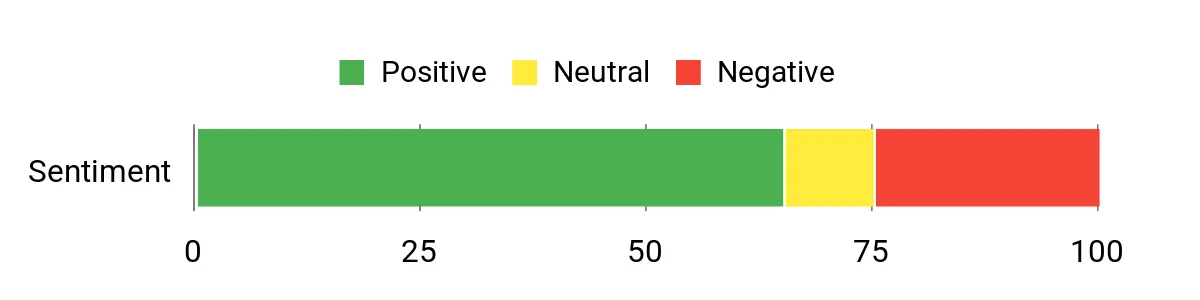
Customers commonly note that this rod works well for joining dissimilar steels and provides good penetration when used correctly. People like the diameter choices for fine TIG work, but several buyers mention inconsistent surface condition on arrival and wish the composition was more clearly labeled.
Overall users appreciate the concept and availability, though some expect better packaging and stamping.
Overall Sentiment: Neutral
|
Pros |
Cons |
|---|---|
|
✅ Works for welding C/Mn and many high‑strength alloys |
❌ Some rods arrive with surface corrosion or exfoliation |
|
✅ Fine diameters make TIG control easier |
❌ No clear material stamping on each rod |
|
✅ Multiple weight and size options |
❌ Reports of contamination reduce confidence for critical work |
When This Helps
|
Situation |
How It Helps |
|---|---|
|
Precision TIG on Thin Sections |
You can use the 1/16″ diameter to keep heat input low and control the puddle for neat, narrow beads on thin stainless or alloyed steels. |
|
Joining Dissimilar Metals |
When you need to pair different steel types, ER312 offers a composition designed to bridge chemistry differences and reduce cracking risk in many cases. |
|
Garage Repairs and Prototyping |
Having a small spool of this rod saves you a trip to a specialty supplier and gives you a go‑to filler for quick fixes and experimental builds. |
Problem Solving
This rod addresses the common need to weld dissimilar and high‑strength steels without switching fillers mid‑job, simplifying setup for TIG work. It won’t solve issues caused by contaminated rods, so you should inspect and clean the stock before use to ensure consistent, porosity‑free welds.
Key Benefits
- Versatile compatibility with C/Mn and high‑strength steels
- Small diameters for precise TIG control
- Available in multiple weight options
- Good tensile properties for structural joins
You get a chunkier TIG filler with the 3/32″ size that makes heavier fills and faster buildup easier without switching to a larger spool. It’s the kind of rod you reach for when thin wire feels fiddly but you still want TIG control rather than jumping to MIG or stick. For everyday garage repairs, prototype builds and occasional fieldwork this diameter speeds you through butt joints and thicker edges, and it’s handy to have alongside smaller sizes for versatility.
Keep an eye on rod condition out of the package and give any light surface residue a quick clean before you weld to keep puddles predictable.
What People Say
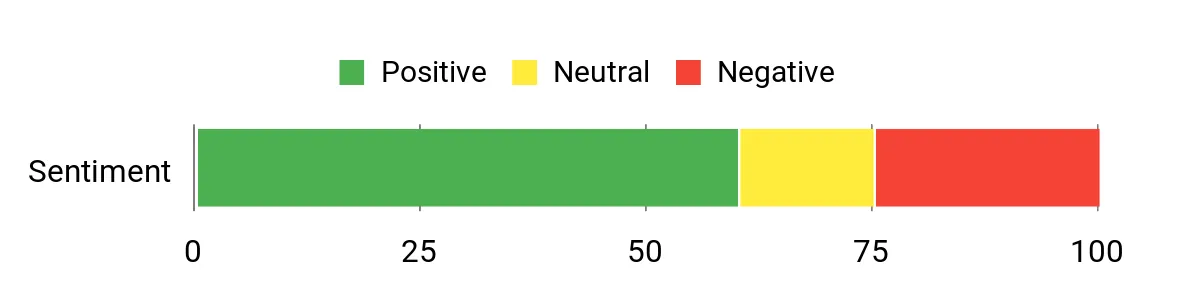
Buyers often mention that this size works well when you need a bit more metal in the joint while keeping TIG finesse. Many appreciate that it lets you weld dissimilar steels without changing filler on the fly.
Common complaints focus on inconsistent surface condition at delivery and unclear rod marking, which makes some people cautious for critical work.
Overall Sentiment: Neutral
|
Pros |
Cons |
|---|---|
|
✅ Good for faster TIG buildup on thicker pieces |
❌ Some units arrive with surface blemishes or light corrosion |
|
✅ Maintains TIG-level control compared with stick wire |
❌ Rod composition not stamped on each piece |
|
✅ Suitable for joining different steel types |
❌ Reports of contamination by a minority of users |
When This Helps
|
Situation |
How It Helps |
|---|---|
|
Medium‑Thickness Repairs |
You can lay in more filler per pass, cutting the number of passes and reducing heat cycling on the part. |
|
Prototype Fabrication |
The size speeds up build work so you can iterate faster while still keeping TIG bead appearance under control. |
|
Field Work |
When you need a reliable rod away from a shop, this size offers a compromise between portability and fill efficiency. |
Problem Solving
This rod helps you avoid swapping fillers when working across different steel grades and reduces pass count on medium sections, but it won’t compensate for contaminated or poorly stored rods, so checking each stick before use is important.
Key Benefits
- Better fill rate for medium‑thickness sections
- Easier puddle control than larger filler options
- Works with a variety of steel grades
- Available in practical weight options

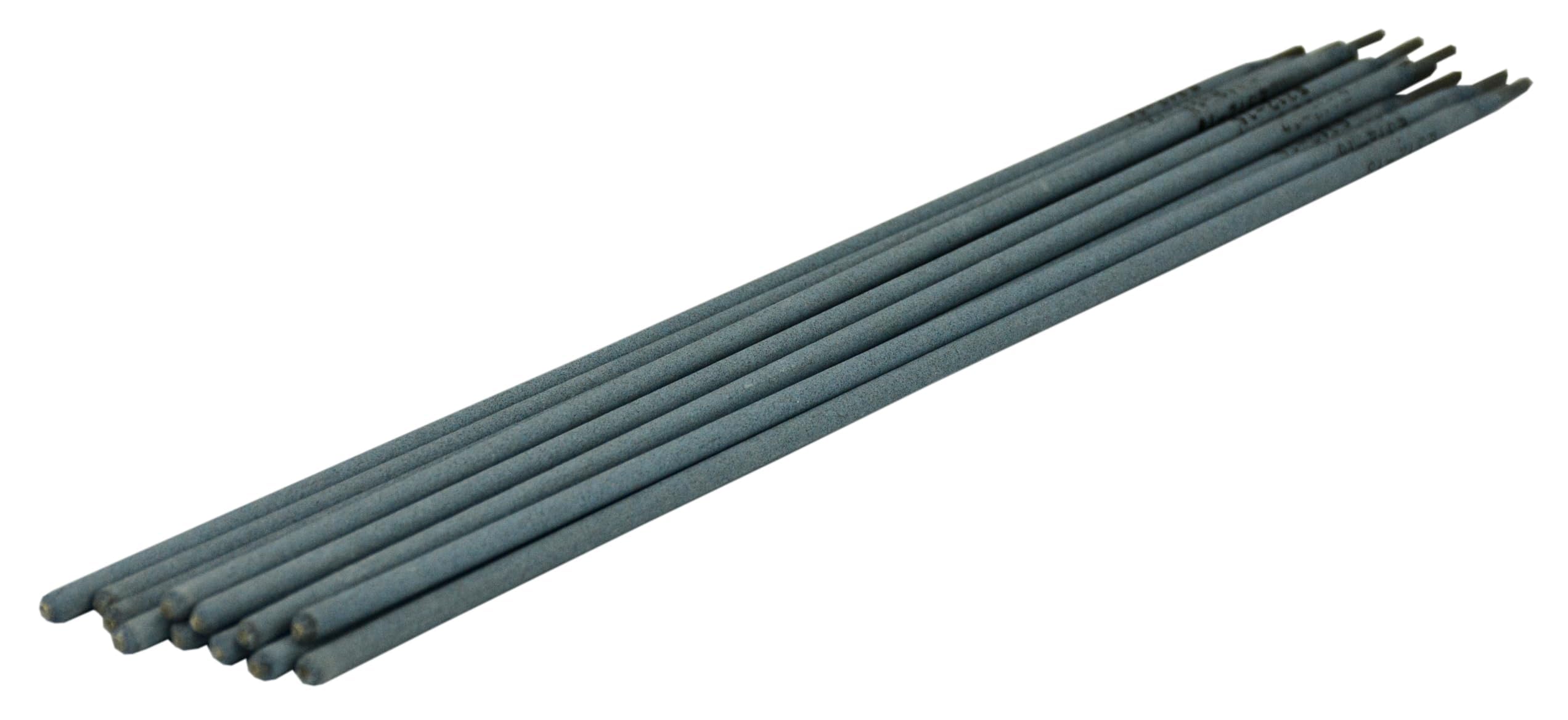
You’ll find these Hot Max E312 electrodes are dependable when you need a go-to stick rod for a variety of steel work. They handle dissimilar metals, hardened sections and spring steels without fuss, so they fit both routine repairs and tougher jobs.
For everyday garage projects they’re forgiving enough for beginners to get results, and for occasional field or armor work they offer the tensile strength and penetration you want. Keep a pack in your kit for times when TIG or MIG aren’t practical and you want a straightforward stick option you can trust.
What People Say
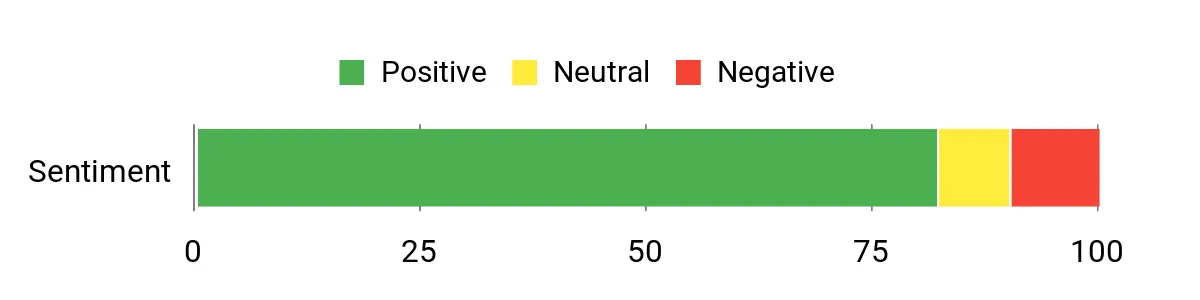
Users frequently praise these electrodes for dependable penetration and consistent results, especially when welding different types of steel. Many people appreciate how approachable they are if you’re new to stick welding, while others note they perform well on tougher materials that need good tensile strength.
Overall Sentiment: Positive
|
Pros |
Cons |
|---|---|
|
✅ Good for a wide range of steel applications |
❌ Half‑pound package may be small for heavy users |
|
✅ Strong, consistent penetration |
❌ Requires proper polarity setup for best results |
|
✅ Accessible for less experienced welders |
❌ Not a substitute for TIG surface finish when aesthetics matter most |
When This Helps
|
Situation |
How It Helps |
|---|---|
|
Quick Shop Repairs |
You can grab a pack and make solid repairs on-site where a stick rig is available and you need reliable bonding. |
|
Learning Stick Welding |
The rod’s forgiving arc helps you practice control and penetration without fighting the filler, so you build technique faster. |
|
Tough Material Work |
When you face hardened or spring steels, these electrodes give the tensile strength and penetration to get the job done safely. |
Problem Solving
These electrodes solve the need for a versatile stick rod that handles dissimilar and hardened steels, offering reliable penetration and strength; they don’t replace TIG for fine cosmetic work, so choose them when robustness matters more than surface finish.
Key Benefits
- Reliable penetration across many steel grades
- Works well on dissimilar and hardened steels
- User-friendly for newcomers to stick welding
- Consistent bead appearance and tensile strength
FAQ
Are These Rods Right For My Job?
You can use ER312 rods when you need a filler that bridges C/Mn steels and higher‑strength alloys, and the range of diameters means you can pick a finer wire for delicate TIG passes or a thicker rod for more fill. If you plan critical or certified work, verify composition from the supplier or choose a clearly stamped, traceable product, because composition and surface condition affect weld integrity.
What Should I Check On Arrival?
When the rods arrive inspect for surface corrosion, exfoliation or visible contaminants and confirm the diameter and weight match your order. Give a quick wipe or light brush to remove any residue, perform a short test weld to check for porosity, and store the remainder in a dry container to avoid moisture pickup.
How Do I Use Them Safely and Effectively?
For TIG use, control heat input and maintain good shielding gas coverage to prevent oxidation and contamination in the puddle; for stick work choose the correct polarity per electrode recommendations. Always prep base metals, remove rust or oil, wear proper PPE, and if you see contamination during welding stop and recheck rod condition before continuing.
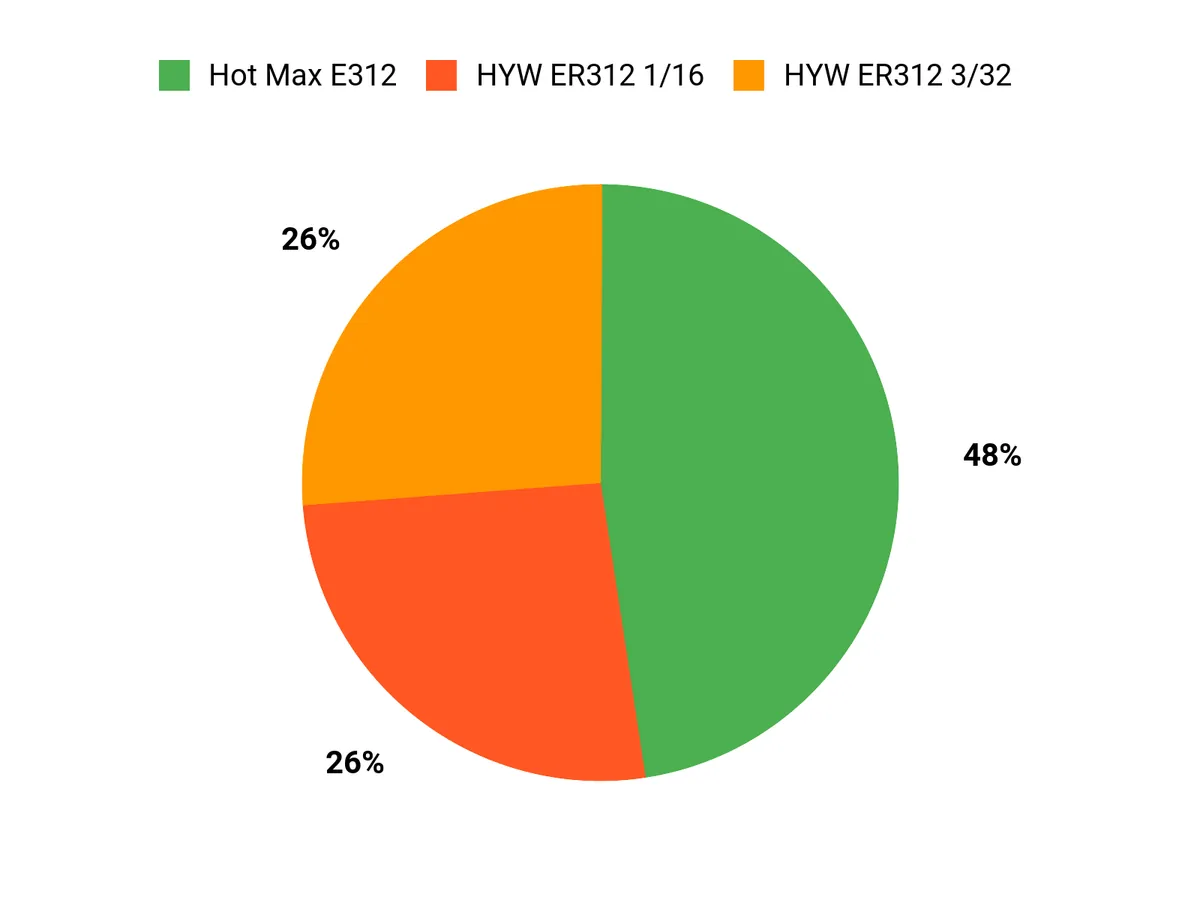
What Welders Prefer
You typically prioritize the welding process and the job’s needs: pick the HYW 1/16 for precise TIG control, the HYW 3/32 when you want faster fill on medium sections, and the Hot Max E312 when stick welding and strong penetration matter most. You also care about reliability and condition on arrival, so clear markings and clean rods often sway you toward the option that gives consistent, trouble‑free welds.
Wrapping Up
The Hot Max E312 stands out as the most reliable, budget‑friendly electrode for stick welding, delivering strong penetration and consistent results. The HYW ER312 rods give you TIG‑focused options and useful size choices, but customer feedback flags occasional surface corrosion and unclear material stamping, which lowers confidence.
If you need dependable stick performance choose the Hot Max, and if you need TIG size flexibility the HYW rods can work—just inspect each rod for surface defects before you weld.
| ER312 Stainless Steel Tig Rods 312 Welding Wire .045″ 1/16″ 3/32″ x 36″ (1/16″ – 1 LB) | ER312 Stainless Steel Tig Rods 312 Welding Wire .045″ 1/16″ 3/32″ x 36″ (3/32″ – 1 LB) | Hot Max 23312 3/32-Inch Stainless Steel E312-16 .5# ARC Welding Electrodes | |
|---|---|---|---|
 |
|
 |
|
| Weight | 1 pound | 1 pound | 9.6 ounces |
| Size | 1/16″ | 3/32″ | 3/32-Inch |
| Material | Stainless Steel | Stainless Steel | Stainless Steel |
| Buy Now | Buy Now | Buy Now |
This Roundup is reader-supported. When you click through links we may earn a referral commission on qualifying purchases.