Disclosure: As an Amazon Associate, we earn from qualifying purchases. If you click a link on this page and make a purchase, we may receive a small commission at no extra cost to you.
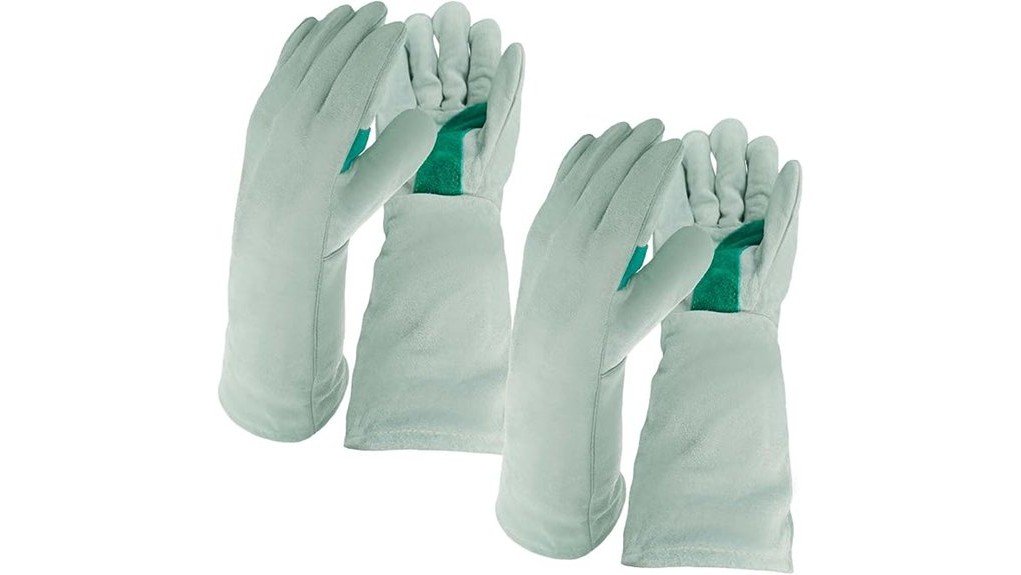
High-heat work is rough on your hands, wrists, and forearms. These 16-inch welding gloves are made for tasks where short gloves may leave too much skin exposed, including welding, BBQ grilling, and handling hot tools or rough materials. The biggest appeal is the long leather build, reinforced grip areas, and claimed heat resistance up to 932°F. The main limitation is that the article does not identify a brand, model, or verified certification, so you should check the Amazon listing details carefully before buying.
Quick Verdict
Rating: 8.3/10
Best For: Welders, grill owners, and DIY users who want long forearm coverage for high-heat tasks.
Bottom Line: These 16-inch leather welding gloves look like a practical choice if you need more coverage than standard work gloves. They are less ideal if you need a verified brand, exact sizing chart, or published safety certification before purchase.
| Specification | Detail |
|---|---|
| Product type | Welding gloves |
| Length | 16 inches |
| Material | Premium leather, based on the article claim |
| Heat-resistance claim | Up to 932°F |
| Grip design | Reinforced palms and fingers |
| Coverage | Hands, wrists, and part of the forearms |
| Best use | Welding, BBQ grilling, hot tool handling, and certain animal-handling tasks |
| Care note | Hand clean gently and store in a cool, dry place |
| Safety note | Not a substitute for proper welding safety gear, eye protection, sleeves, apron, or training |
What Are These 16-Inch Welding Gloves?
These are long leather welding gloves designed to protect your hands and forearms during hot, rough, or spark-prone tasks. The article states that they are made from premium leather and can handle temperatures up to 932°F, which makes them useful for jobs where thin shop gloves are not enough.
The 16-inch length is the key design point. It gives you more coverage than shorter gloves, especially when you reach near a grill, welding area, wood stove, fire pit, or hot metal surface. The reinforced palms and fingers also help you grip tools, trays, grill grates, and heated materials with better control.
Before You Buy: The article does not verify the brand, exact model, certification, or size chart. Check the Amazon listing photos and seller details before ordering, especially if you need gloves for professional welding or regulated workplace use.
Who Should Buy It?
Best For
- You want longer glove coverage for welding, grilling, or fire pit work.
- You prefer leather gloves with reinforced palms and fingers for a stronger grip.
- You need a multi-use pair for workshop, outdoor cooking, and rough handling tasks.
Skip If
- You need verified safety certifications for workplace compliance.
- You want a known brand, exact sizing chart, or confirmed warranty terms.
- You need maximum finger dexterity for tiny parts or precision work.
Heat Resistance and Forearm Coverage
The article-supported heat-resistance claim is up to 932°F. That makes the gloves better suited to high-heat handling than basic cotton or thin leather work gloves. Still, heat resistance is not the same as unlimited heat protection. Contact time, moisture, metal temperature, and glove condition all affect how safe the gloves feel in real use.
The 16-inch length is useful because many burns happen near the wrist or lower forearm when you reach into a hot area. Longer gloves help cover that gap, especially when welding sparks, grill heat, or hot cookware can contact your skin.
Leather Build and Grip
The article describes the gloves as premium leather. Leather is a common choice for welding gloves because it can resist heat, abrasion, sparks, and rough surfaces better than many lightweight fabrics. It also gives the gloves enough structure to protect your hands while still bending around tools and handles.
The reinforced palms and fingers are a practical feature. You need grip when moving hot metal, holding tongs, adjusting a grill grate, or handling shop tools. The tradeoff is that reinforced gloves can feel bulkier than thin gloves, so they may not be the best choice for small fasteners or delicate tasks.
Comfort During Longer Tasks
A glove can have strong heat resistance and still be frustrating if it feels stiff or heavy. These gloves are described as suitable for prolonged use, which matters if you are welding for a project, managing a long BBQ session, or moving several hot items in a row.
The longer cuff adds protection, but it may also feel warmer and less flexible than a short glove. For best comfort, make sure the glove does not pinch your fingers, rub your thumb joint, or restrict your wrist movement too much before using it around high heat.
Versatile Applications
These gloves are not limited to welding. The article also supports use for BBQ grilling and animal handling. For grilling, the long leather design can help when you lift lids, adjust hot racks, move cast iron, or handle tools near flame.
For animal handling, the gloves may add a protective layer against scratches, rough contact, or bites from larger animals. They should not replace proper training, handling tools, or professional guidance for aggressive or unpredictable animals.
How It Performs in Real Use
For Welding and Shop Work
For welding, the gloves make the most sense when you need coverage from sparks, radiant heat, and hot material. The reinforced palm and fingers help you keep a better hold on tools and workpieces, while the 16-inch length helps protect your wrist and forearm.
For BBQ Grilling
For BBQ use, these gloves can help when you handle grill grates, smoker racks, charcoal tools, or hot pans. Since leather can absorb grease and smoke odors, keep them separate from kitchen-only gloves if you use them in the workshop too.
For Fire Pit, Fireplace, and Outdoor Heat Tasks
The long cuff is useful when you add wood, move fire tools, or work near a campfire. Avoid using wet gloves near heat, since moisture can transfer heat faster and may increase burn risk.
For Animal Handling
For animal handling, the leather layer and longer cuff can give you more confidence than bare hands. Use them as an added barrier, not as a guarantee against injury, especially with large, frightened, or aggressive animals.
How to Use These Gloves Safely
Inspect the gloves before each use. Look for cracked leather, holes, thin spots, loose seams, or damage around the fingertips and palms. If heat can pass through a worn area quickly, the gloves should not be used for high-temperature work.
Let hot items cool when possible before gripping them. Even heat-resistant gloves can become too hot if you hold a very hot object for too long. Use the right tools, keep your hands away from open flame when possible, and follow your welding equipment or grill instructions.
Pro Tip: Use one pair for dirty workshop jobs and another pair for grilling. Leather can hold metal dust, soot, grease, and odors, so separating uses helps keep your cooking area cleaner.
Cleaning, Care, and Storage
Machine washing is not recommended for leather welding gloves. Water, detergent, and heat can dry out leather, weaken stitching, and reduce the glove’s protective feel. Instead, shake out loose debris and wipe the surface gently with a slightly damp cloth when needed.
Store the gloves in a cool, dry place away from direct sunlight. Do not leave them soaked, crushed under heavy tools, or close to a heater. Good storage helps the leather keep its shape and reduces cracking over time.
Material Safety and Practical Limits
These gloves touch your skin, so comfort and fit matter. Stop using them if they cause rubbing, irritation, or poor control. If you have sensitive skin, check the inner surface and seams before long use.
Because the article does not verify safety certifications, you should not assume they meet a specific workplace standard. For professional welding, follow your employer’s safety rules and use certified PPE when required.
Pros and Cons
Pros
- 16-inch length gives extra wrist and forearm coverage.
- Article-supported heat-resistance claim reaches up to 932°F.
- Leather construction is suitable for heat, sparks, and rough handling.
- Reinforced palms and fingers help with grip on tools and hot items.
- Useful for welding, BBQ grilling, fire pit work, and certain animal-handling tasks.
Cons
- Brand, model, exact sizing, and warranty details are not verified in the article.
- Long leather gloves may feel bulky for detailed hand work.
- Not a replacement for full welding PPE or certified workplace safety gear.
Is It Worth the Price?
These gloves are worth considering if you need long leather hand protection for high-heat jobs and want one pair that can handle several rough tasks. The value is strongest for buyers who care more about forearm coverage, grip, and heat protection than brand recognition.
They are not the best fit if you need confirmed certifications, exact fit data, or a published warranty before purchase. In that case, compare the Amazon listing against professional welding gloves from known safety brands before deciding.
How It Compares to Alternatives
Compared with shorter leather work gloves, these 16-inch welding gloves offer better forearm coverage and more protection when you reach near heat. Compared with silicone BBQ gloves, leather is better suited to sparks and shop work, while silicone may be easier to rinse after food use.
Compared with heavy aluminized heat gloves, these are likely more practical for general welding, grilling, and home use. Aluminized gloves may be better for extreme radiant heat, but they are often bulkier and less flexible.
Frequently Asked Questions
Are these 16-inch welding gloves only for welding?
No. The article also supports use for BBQ grilling and animal handling. They are best for tasks where heat, rough contact, or forearm coverage matters.
How much heat can the gloves handle?
The article claims heat resistance up to 932°F. You should still avoid holding very hot items longer than needed, because heat transfer depends on contact time, moisture, and glove condition.
Can these gloves be machine washed?
Machine washing is not recommended for leather welding gloves. Wipe them gently, remove loose debris, and let them dry naturally away from direct heat.
Are these gloves good for BBQ grilling?
Yes, they can work well for grilling tasks such as handling hot grates, racks, and grill tools. Keep a separate pair for cooking if you also use gloves around metal dust, welding residue, or shop debris.
Are they suitable for left-handed users?
The article does not list a left-hand or right-hand restriction. Check the Amazon listing photos to confirm whether the pair has two identical ambidextrous gloves or a shaped left and right glove.
What should I check before using them for welding?
Check for holes, loose seams, cracked leather, or thin spots before each use. Also confirm whether the listing states any safety certification if you need them for professional or workplace welding.
Who should skip these gloves?
Skip them if you need verified brand details, a precise sizing chart, or certified PPE for a regulated jobsite. You may also prefer thinner gloves if your work requires high finger sensitivity.
The Bottom Line
These 16-inch leather welding gloves are a strong choice if you want longer coverage, reinforced grip, and heat protection for welding, grilling, fire pit work, or rough handling. Skip them if you need verified brand specs, exact certification details, or a glove built for precision work. The rating of 8.3/10 fits the strong article-supported features, balanced by the missing product verification details.