Disclosure: As an Amazon Associate, we earn from qualifying purchases. If you click a link on this page and make a purchase, we may receive a small commission at no extra cost to you.
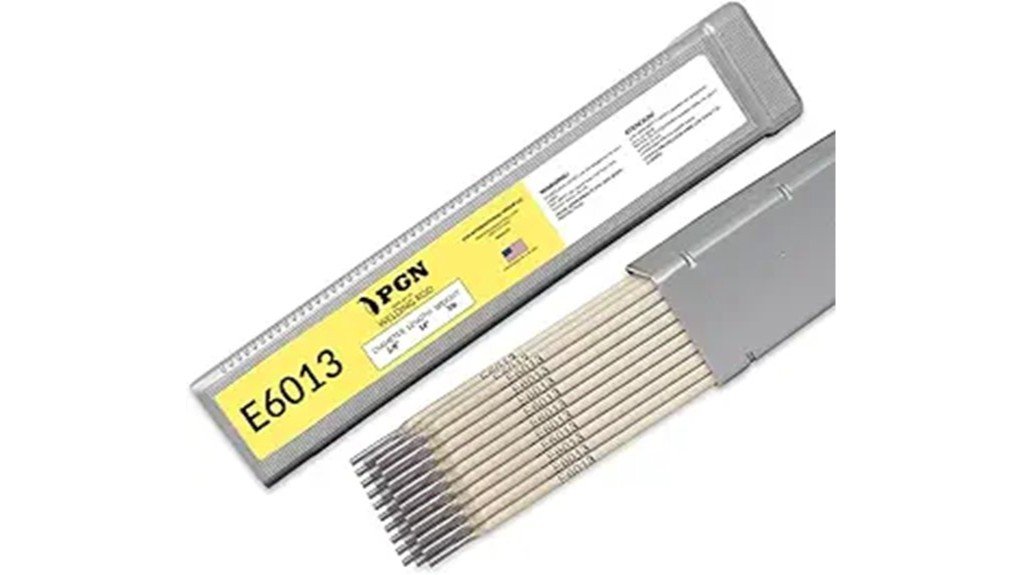
Thin steel repairs can go wrong fast when your rod runs too hot, digs too deep, or leaves you fighting the arc. The PGN E6013 Welding Rod is made for stick welding mild steel where you want smoother control, medium penetration, and a cleaner bead appearance. This review helps you decide if the 1/8-inch, 14-inch, 5 lb PGN E6013 rod fits your welder, skill level, and repair work. It is a practical choice for light fabrication and maintenance, but it is not the best rod for dirty steel or heavy structural welds.
Quick Verdict
Rating: 8/10, Recommended with caveats
Best For: Beginners, hobby welders, light steel repairs, and general mild steel fabrication
Bottom Line: The PGN E6013 Welding Rod is easy to control, produces a smooth bead, and works well when appearance matters. Skip it if you need deep penetration, field welding on dirty steel, or code-level structural work.
Key Specifications
| Specification | Detail |
|---|---|
| Brand | PGN Bearings |
| Model / Part Number | WW-E6013-ROD-1/8-14/5LB |
| ASIN | B0DQSBZ6WR |
| Product Type | E6013 carbon steel stick welding electrode |
| Rod Diameter | 1/8 inch |
| Rod Length | 14 inches |
| Package Weight | 5 lb, about 2.27 kg |
| Material | Carbon steel electrode for mild steel welding |
| Tensile Strength Claim | 60,000 PSI |
| Welding Current | AC/DC compatible, based on PGN product details |
| Penetration | Medium penetration |
| Welding Positions | All-position electrode class |
| Best Use | Mild steel fabrication, maintenance work, and light repairs |
| Safety Note | Use proper PPE, ventilation, and the correct amperage for your machine and metal thickness |
What Is the PGN E6013 Welding Rod?
The PGN E6013 Welding Rod is a 1/8-inch carbon steel stick electrode for shielded metal arc welding on mild steel. The reviewed version is the 14-inch, 5 lb package with model number WW-E6013-ROD-1/8-14/5LB.
E6013 rods are known for a smoother arc, medium penetration, and easy slag removal compared with more aggressive stick electrodes. That makes this PGN rod useful for home repair, shop maintenance, light fabrication, and practice welds where bead control matters.
The main tradeoff is penetration depth. This rod can help you make neat welds on properly prepared mild steel, but it is not the right first choice for dirty, painted, heavily rusted, or thick structural steel.
Who Should Buy It?
Best For
- Beginners who want a forgiving 1/8-inch rod for mild steel practice
- DIY users repairing brackets, garden tools, racks, frames, and light steel parts
- Hobby fabricators who care about smooth bead appearance and easier cleanup
Skip If
- You need deep penetration on thick structural steel
- Your workpiece is rusty, painted, oily, or poorly cleaned
- Your welder cannot run a 1/8-inch electrode at the required amperage
Key Features and Performance
1/8-Inch Rod Size for General Shop Work
The 1/8-inch diameter gives you a practical size for many small shop and home welding jobs. It suits mild steel work where you need more control than a large rod but more filler than a very small practice electrode.
Before buying, check your welder’s output range. A 1/8-inch E6013 rod usually needs enough amperage to keep the arc stable without overheating the workpiece.
Medium Penetration for Controlled Welds
The medium-penetration arc helps reduce burn-through risk on thinner mild steel when you use the right amperage and travel speed. That control is one reason E6013 rods are popular for light-duty work and welding practice.
This benefit can also become a limitation. If your project needs a deep root pass or high penetration on thicker steel, an E6011, E6010, or properly stored E7018 may be more appropriate depending on the job.
Smooth Arc and Cleaner Finish
PGN describes this E6013 rod as a smooth-bead, easy-operation electrode for mild steel fabrication. In practical terms, you should expect easier bead control and less aggressive digging than rods made for rougher field conditions.
The cleaner finish helps when the weld will remain visible, such as on light furniture frames, small brackets, display racks, or shop fixtures. You still need clean metal and good technique to avoid porosity, undercut, or weak fusion.
Easy Slag Removal and Lower Cleanup
E6013 rods are commonly chosen because slag removal is usually easier than with more demanding electrodes. That can save time during short repair jobs, especially when you need to inspect the bead before adding another pass.
Easy slag removal does not mean you can skip cleanup between passes. Chip and brush the weld before making another pass so slag does not get trapped inside the joint.
Before You Buy: This listing is for the 1/8-inch, 14-inch, 5 lb PGN E6013 rod. Do not treat it as a full multi-size assortment unless the seller clearly lists another variant on the product page.
Compatibility and Safety Notes
This rod is intended for mild steel and general carbon steel welding. It is not meant for aluminum, stainless steel, cast iron, or specialty metals unless a qualified welding procedure specifically allows it.
PGN lists this electrode as AC/DC compatible, which makes it useful for many common stick welders. Still, you should follow your welder manual, the rod label, and your project requirements before choosing polarity and amperage.
Use proper welding protection every time. Wear a welding helmet with the correct shade, gloves, flame-resistant clothing, eye protection for chipping, and work in a ventilated area away from flammable materials.
How It Performs in Real Use
For DIY Repairs
The PGN E6013 rod makes sense for small mild steel repairs, including brackets, garden tools, light frames, and simple shop fixtures. The smoother arc helps when you need controlled short weld runs instead of aggressive penetration.
For Furniture and Light Fabrication
It works well for light metal furniture frames, racks, and decorative steel projects where bead appearance matters. Medium penetration also helps reduce the chance of burning through thinner tubing when your setup is correct.
For Automotive Sheet Metal Practice
You can use it for light sheet metal practice and small non-structural repairs, but it requires care. Automotive body panels are thin and can warp, so many users may prefer MIG welding for cleaner heat control on visible bodywork.
For Learning Stick Welding
This rod gives beginners a manageable way to practice arc starts, travel angle, bead consistency, and slag removal. It is easier to learn with than rods that dig harder into the base metal, but poor surface prep can still ruin the weld.
Pro Tip: Clean the joint with a grinder or wire brush, run a test bead on scrap metal, then adjust amperage before welding the actual part. A stable arc should sound steady and should not leave the rod sticking or the metal overheating.
How to Use It Correctly
Prepare the Metal First
Remove paint, oil, heavy rust, mill scale, and moisture from the weld area. E6013 can handle light prep better than some rods, but cleaner steel gives you a more stable arc and a stronger weld.
Match Amperage to the Job
Start with the amperage guidance on the rod package or your welder chart. If the rod sticks, the amperage may be too low. If the puddle becomes too wide or the metal overheats, reduce current or move faster.
Use the Right Rod Angle
Keep a steady arc length and use a controlled travel angle. Long arcs create more spatter and a rougher bead, while very short arcs can cause sticking.
Store Rods Dry
Store the rods in a dry place and keep the package closed when not in use. Moist electrodes can cause poor arc starts, rough beads, and weld defects.
Common Mistakes to Avoid
The biggest mistake is using E6013 as a fix for every welding job. It works best on mild steel with proper prep, but it is not a deep-penetration rod for dirty farm repairs or heavy structural steel.
Another common mistake is running the rod too cold because you fear burn-through. Low amperage can cause sticking, poor fusion, and a tall bead that sits on top of the metal instead of tying into the joint.
Do not weld over slag. Chip and brush each pass before continuing so the next bead bonds to metal instead of trapped residue.
Pros and Cons
Pros
- Verified 1/8-inch, 14-inch, 5 lb package fits many general mild steel jobs
- Medium penetration helps you control welds on lighter steel
- Smooth arc behavior makes practice and short repair runs easier
- Easy slag removal can reduce cleanup time between passes
- AC/DC compatibility works with many common stick welding setups
Cons
- Not ideal for deep penetration or heavy structural welding
- Requires clean metal for best arc stability and weld quality
- 1/8-inch size may be too large for very thin sheet metal on small welders
Is It Worth the Price?
The PGN E6013 Welding Rod is worth considering if you want a general-purpose electrode for mild steel projects without paying for a specialty rod. The 5 lb package makes sense for practice, small repairs, and light fabrication because you get enough rods for more than a few test welds.
It offers strong value for the price if your main goal is smooth handling and cleaner bead appearance. You get less value if your work involves thick plate, poor fit-up, outdoor repairs on dirty steel, or structural welding where another rod type and a qualified procedure may be required.
How It Compares to Alternatives
Compared with E6011 rods, the PGN E6013 is easier to control and leaves a cleaner-looking weld, but E6011 is usually better when you need deeper penetration or must weld on less-than-perfect steel. Compared with E7018, E6013 is easier for casual users, while E7018 is often chosen for stronger structural welds when stored and used correctly.
The PGN E6013 makes the most sense when you want a forgiving mild steel rod for clean material, short repair jobs, and visible welds. If strength requirements are critical, follow a qualified welding procedure instead of choosing a rod by convenience alone.
Frequently Asked Questions
What material can the PGN E6013 Welding Rod weld?
It is made for mild steel and general carbon steel welding. Do not use it as a universal rod for stainless steel, aluminum, cast iron, or critical specialty metals.
Is this the 1/8-inch version?
Yes. The verified product details for this ASIN list a 1/8-inch diameter, 14-inch rod length, and 5 lb package weight.
Can beginners use this welding rod?
Yes. E6013 rods are commonly beginner-friendly because they offer a smoother arc, medium penetration, and easier slag removal than many harder-running electrodes.
What amperage should you use with a 1/8-inch E6013 rod?
Use the rod package and welder chart as your starting point. Many 1/8-inch E6013 rods run in a moderate amperage range, but the right setting depends on your machine, polarity, metal thickness, and welding position.
Will it work on rusty or painted metal?
It works best on clean or lightly prepared mild steel. For dirty, rusty, painted, or oily metal, clean the joint first or consider a deeper-penetrating rod better suited to poor surface conditions.
Is E6013 strong enough for structural welding?
Do not choose it for critical structural work without a qualified welding procedure. E6013 can handle many light fabrication jobs, but structural projects often require specific rod types, joint prep, inspection, and code guidance.
How should you store these rods?
Keep them dry, sealed when possible, and away from moisture. Damp rods can cause rough arc starts, extra spatter, and poor weld quality.
The Bottom Line
The PGN E6013 Welding Rod is a smart buy for beginners and DIY welders who need a controllable 1/8-inch electrode for mild steel repairs, practice, and light fabrication. Its main strengths are smooth handling, medium penetration, and easier slag removal, while its main limitation is that it is not built for dirty steel or heavy structural welding.
Buy it if you want a practical general-purpose rod for clean mild steel. Skip it if your project requires deep penetration, certified structural performance, or a rod for specialty metals.