Disclosure: As an Amazon Associate, we earn from qualifying purchases. If you click a link on this page and make a purchase, we may receive a small commission at no extra cost to you.
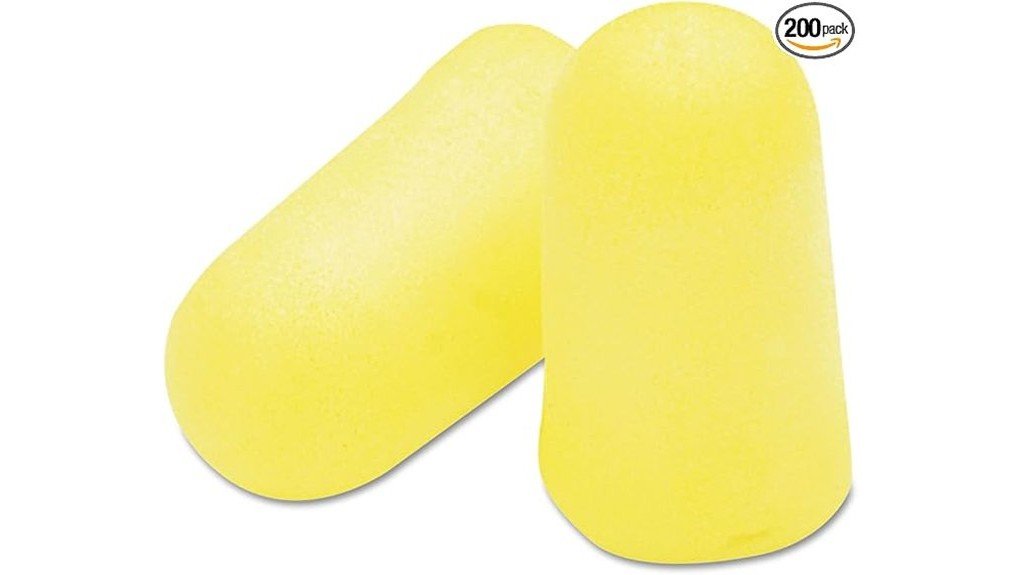
Loud tools, machinery, and shop noise can wear you down fast, and poor ear protection can leave you with more risk than you realize. The 3M E-A-R TaperFit2 312-1219 ear plugs are disposable polyurethane foam plugs made for industrial and workshop hearing protection. This review helps you decide whether their tapered shape, 200-pair box format, and 32 dB NRR rating fit your workday. They offer strong protection for the right user, but the seal depends heavily on correct roll-down insertion.
Quick Verdict
Rating: 8.4/10, Recommended with fit cautions
Best For: Construction crews, welders, factory workers, maintenance teams, and garage users who need bulk disposable ear plugs
Bottom Line: The 3M E-A-R TaperFit2 312-1219 ear plugs are a strong choice when you need high-rated disposable foam hearing protection in bulk. They are not a set-and-forget solution, since shallow insertion can reduce real-world noise reduction.
| Specification | Detail |
|---|---|
| Brand | 3M |
| Product Name | 3M E-A-R TaperFit2 Ear Plugs |
| Model | 312-1219 |
| ASIN | B008MCUD4Q |
| GTIN | 10080529120134 |
| Product Type | Uncorded disposable foam ear plugs |
| Material | Soft polyurethane foam |
| Noise Reduction Rating | NRR 32 dB |
| Safety Classification | CSA Class AL |
| Design | Tapered roll-down foam design |
| Quantity | 200 ear plug pairs per box |
| Packaging Note | 1 pair per poly bag |
| Item Weight | 11.2 ounces |
| Fit System Compatibility | Compatible with 3M E-A-Rfit Validation System |
| Best Use | Industrial, workshop, construction, grinding, drilling, machining, sanding, sawing, and welding environments |
| Important Safety Note | Designed for industrial and occupational use. Follow workplace safety rules, product instructions, and fit guidance. |
What Are the 3M E-A-R TaperFit2 Ear Plugs?
The 3M E-A-R TaperFit2 312-1219 ear plugs are uncorded disposable foam inserts made to reduce noise exposure in loud work settings. The plugs use soft polyurethane foam that rolls down between your fingers, then expands inside the ear canal to create a snug seal.
This 312-1219 version is sold as a 200-pair box with 1 pair per poly bag, which makes it practical for crews, maintenance stations, tool benches, and PPE supply cabinets. The tapered shape helps the plug enter the ear canal more easily than a blunt foam cylinder, but you still need proper insertion for the rating to mean anything in real use.
The main selling point is the 32 dB Noise Reduction Rating, plus CSA Class AL classification. That rating makes the product appealing for high-noise tasks, but 3M also notes that actual protection can be lower because fit, skill, and user consistency matter.
Who Should Buy It?
Best For
- Workers who need disposable hearing protection around drilling, grinding, machining, sawing, sanding, or welding noise
- Shops and job sites that want a 200-pair box for shared PPE stations
- Users who prefer uncorded foam plugs instead of bulky earmuffs or reusable flanged plugs
Skip If
- You want reusable ear plugs that can be cleaned and stored after each shift
- You struggle to roll and insert foam plugs deeply enough for a proper seal
- Your workplace requires fit-tested protection, earmuffs, or dual protection for a specific noise hazard
Noise Reduction and Real Protection
The headline spec is the NRR 32 dB rating. That is strong for disposable foam ear plugs, and it makes the TaperFit2 312-1219 a sensible option for many industrial and workshop settings.
You should not treat the NRR number as a guaranteed reduction for every person. Foam plugs only work well when they are rolled tightly, inserted correctly, and held in place long enough to expand. A shallow fit can leave gaps around the ear canal, which reduces protection and can make the plug feel loose.
For regulated workplaces, use these ear plugs as part of your hearing conservation program, not as a guess. Follow your employer’s safety policy, product instructions, and professional guidance from a safety manager or industrial hygienist.
Before You Buy: These ear plugs only perform near their rated protection when they seal correctly. If you cannot insert foam plugs deeply and evenly, consider fit testing, another size, or a different hearing protector.
Fit, Comfort, and Materials
The TaperFit2 uses soft polyurethane foam, which compresses for insertion and expands after placement. That slow-expansion feel helps reduce pressure compared with stiffer plugs, especially during longer tasks.
The tapered shape matters because it gives the plug a narrower leading end. That shape can make insertion easier and may help the foam sit securely in a wider range of ear canals. Still, ear canals vary, and one foam style will not feel perfect for every user.
Heat, sweat, and dust can affect comfort during long work shifts. Since these are disposable plugs, you should replace them when they get dirty, damaged, wet, or no longer expand properly.
How to Use Them Correctly
Foam ear plugs work best when you roll the full plug into a tight, crease-free cylinder before insertion. With your opposite hand, reach over your head and gently pull the ear upward and outward to help straighten the ear canal.
Insert the compressed plug far enough to create a seal, then hold it in place while the foam expands. If much of the plug sticks out, or if noise still sounds sharp and clear, the fit may be too shallow.
Pro Tip: After insertion, cup your hands over both ears and release them. If the noise level barely changes when your hands move, the plugs are more likely sealed well.
Material Safety and Workplace Notes
Because these plugs sit inside your ear canal, hygiene matters. Use clean hands when rolling them, avoid placing dirty plugs back in your ears, and follow the product label or workplace PPE rules for replacement.
3M labels this type of product for industrial and occupational use. That matters if you plan to use it in a workplace with safety requirements, because the right hearing protection depends on noise level, exposure time, fit, and local rules.
These ear plugs are not a substitute for a full noise assessment. For very loud environments, impulse noise, or mixed hazards, your safety lead may require earmuffs, dual protection, or individual fit testing.
How It Performs in Real Use
Construction and Power Tools
For drilling, cutting, hammering, sanding, and sawing, the TaperFit2 design helps reduce the sharp edge of tool noise when inserted correctly. The 200-pair box also makes sense on job sites where workers need fresh plugs throughout the week.
Welding and Metalwork
These plugs are useful around grinders, cutting tools, and metal fabrication noise. Since they are uncorded, they do not add a hanging cord near your face or neck, but that also makes them easier to misplace between tasks.
Machine Shops and Maintenance Areas
Machining, compressors, fans, and general production noise can create long exposure periods. A soft disposable plug can be more comfortable than a heavy earmuff in hot areas, though earmuffs may be easier to remove and replace during short visits.
Garage and DIY Projects
For home shop tasks, these plugs can work well around saws, compressors, air tools, and grinders. Still, the industrial-use labeling means you should read the packaging and choose protection based on the actual task, not only the NRR number.
Common Mistakes to Avoid
The biggest mistake is pushing the plug in without rolling it first. That can flatten the foam against the outer ear instead of sealing the canal, which lowers protection.
A second mistake is reusing dirty disposable plugs. Dust, sweat, and shop debris can build up on the foam surface, and the plug may not expand the same way after repeated handling.
You should also avoid assuming one plug fits every worker. If someone cannot get a secure seal with this model, a different foam size, corded version, reusable plug, or earmuff may work better.
Pros and Cons
Pros
- NRR 32 dB rating gives you strong protection potential for loud work environments
- Soft polyurethane foam helps reduce pressure during longer wear
- Tapered roll-down shape supports easier insertion than many blunt foam plugs
- 200-pair box works well for crews, PPE bins, and repeat shop use
- Each pair comes in a poly bag, which helps keep unused plugs cleaner before use
Cons
- Disposable design creates more waste than reusable plugs
- Real protection drops quickly if the plug is not rolled and inserted correctly
- Uncorded design can be easier to lose between tasks or during shift changes
Need Bulk Disposable Ear Plugs?
Check the current Amazon listing and product details before you choose them for your shop or crew.
Is It Worth the Price?
The 3M E-A-R TaperFit2 312-1219 ear plugs make the most sense as a bulk workplace or workshop purchase. You get a 200-pair box, individually bagged pairs, and a high NRR rating from a long-established safety brand.
They are a strong value for the price if you need fresh disposable plugs available every day. The value drops if you only need occasional hearing protection, prefer reusable plugs, or need a corded design to reduce loss.
For safety-sensitive workplaces, value is not only about cost per pair. The better question is whether your team can insert them correctly and consistently enough to get useful protection.
How It Compares to Alternatives
Compared with lower-rated foam plugs like 3M E-A-R Classic 312-1201, the TaperFit2 312-1219 focuses on a tapered fit and higher listed NRR. That can make it more appealing when you want stronger lab-rated attenuation from a disposable foam option.
Reusable flanged ear plugs may be better if you want washable protection for repeated personal use. Earmuffs may be easier for quick on/off tasks, visitors, or users who struggle with foam insertion. The TaperFit2 makes the most sense when you want bulk, uncorded, disposable foam protection for consistent workplace supply.
Frequently Asked Questions
Are the 3M E-A-R TaperFit2 312-1219 ear plugs reusable?
They are sold as disposable foam ear plugs. For best hygiene and performance, replace them when they become dirty, damaged, wet, or slow to expand.
What does NRR 32 dB mean?
NRR 32 dB is the product’s Noise Reduction Rating under standardized testing. Your actual protection can be lower if the plugs do not seal well or if you insert them too shallowly.
How many pairs come in the box?
This listing is for a 200-pair box. Each pair is packed in a poly bag, which helps keep unused plugs clean until they are needed.
Are they corded or uncorded?
The 312-1219 version reviewed here is uncorded. That keeps the plug simple and lightweight, but a corded version may be better if you remove and reinsert plugs often.
Do these ear plugs fit every ear canal?
No foam ear plug fits every ear perfectly. The tapered shape helps with insertion, but some users may need a different size, another foam style, reusable plugs, or earmuffs.
Can you use them for welding and grinding?
Yes, the listing describes use for welding, grinding, machining, sanding, sawing, and drilling noise. For hazardous workplaces, follow your site’s hearing protection rules and use professional guidance when needed.
What is the most common fit mistake?
The most common mistake is pushing the plug into the ear without rolling it tightly first. A poorly compressed plug often sits too shallow and leaves noise leaks around the foam.
Who should skip these ear plugs?
Skip them if you want washable reusable plugs, a corded style, or over-ear protection. You should also consider another option if foam plugs cause discomfort or you cannot get a reliable seal.
The Bottom Line
The 3M E-A-R TaperFit2 312-1219 ear plugs are a smart pick for workers, shop owners, and crews who need bulk disposable foam hearing protection with a strong NRR 32 dB rating. They are best for users who can roll and insert foam plugs correctly, and less ideal for anyone who needs reusable, corded, or fit-tested alternatives.
The main strength is high-rated protection in a practical 200-pair box. The main limitation is that real-world performance depends on your fit, technique, and workplace noise requirements.