Disclosure: As an Amazon Associate, we earn from qualifying purchases. If you click a link on this page and make a purchase, we may receive a small commission at no extra cost to you.
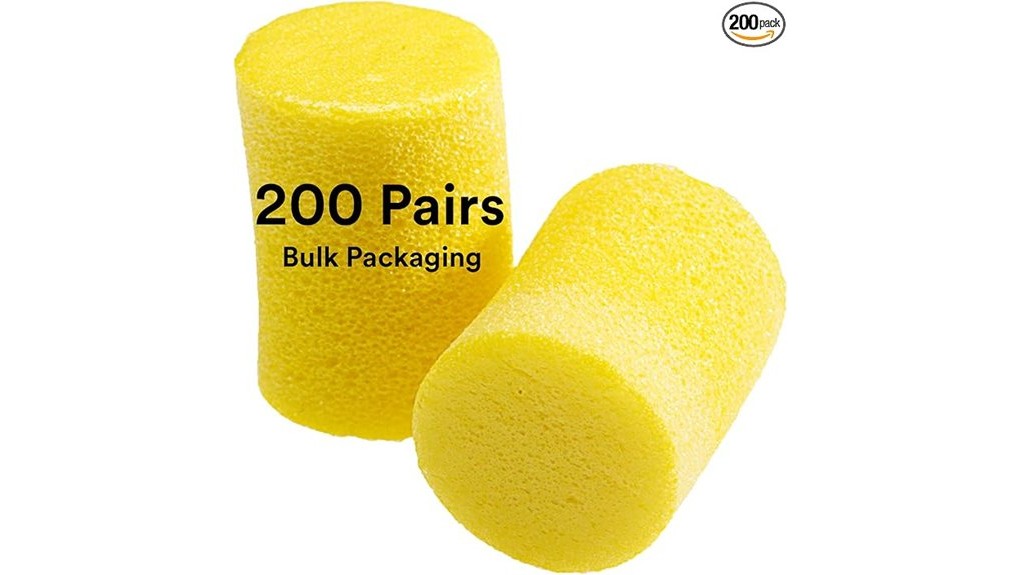
Loud work is not just annoying. Grinding, drilling, welding, and other noisy tasks can make it harder to focus and may put your hearing at risk if you do not use the right protection. The 3M E-A-R Classic 390-1000 ear plugs are disposable, uncorded foam earplugs with a listed Noise Reduction Rating (NRR) of 29 dB. This review helps you decide if their cylindrical foam design, 200-pair box, and moisture-resistant build make sense for your workplace, shop, or home project needs.
Quick Verdict
Rating: Recommended with caveats, 8.2/10
Best For: Buyers who need bulk disposable foam earplugs for industrial, workshop, construction, or maintenance noise.
Bottom Line: The 3M E-A-R Classic 390-1000 ear plugs offer a practical mix of NRR 29 protection, slow-recovery foam, and a high-count 200-pair box. They are not the best choice if you need reusable plugs, corded plugs, or a custom fit without trial and error.
| Specification | Detail |
|---|---|
| Brand | 3M |
| Model | E-A-R Classic 390-1000 |
| Product Type | Disposable uncorded foam earplugs |
| Noise Reduction Rating | 29 dB NRR |
| Design | Cylindrical foam plug |
| Material | Slow-recovery foam |
| Color | Bright yellow |
| Count | 200 pairs per box |
| Moisture Resistance | Article-supported moisture-resistant foam |
| Best Use | Grinding, drilling, welding, construction, automotive work, and other loud tasks |
| Safety Note | Fit affects protection. Follow the product instructions and use fit testing when required at work. |
Key Takeaways
- The 3M E-A-R Classic 390-1000 ear plugs are uncorded, disposable foam plugs with a listed NRR of 29 dB.
- The slow-recovery foam compresses for insertion, then expands inside the ear canal for a more secure seal.
- The cylindrical shape helps spread pressure, which can make longer wear more comfortable for many users.
- The bright yellow color makes it easier to see whether hearing protection is being worn during jobsite checks.
- The 200-pair box works best for shops, crews, shared stations, and frequent single-use hearing protection needs.
- Proper insertion matters. A loose or shallow fit can reduce the protection you actually get.
What Is the 3M E-A-R Classic 390-1000?
The 3M E-A-R Classic 390-1000 is a bulk box of disposable foam earplugs made for reducing noise exposure during loud work. The article-supported details point to a 29 dB NRR, an uncorded design, slow-recovery foam, and 200 pairs per box.
These plugs are made for people who need simple, repeatable hearing protection without cleaning or storing reusable plugs. They suit high-use environments where workers, visitors, or shop users may need a fresh pair before each task.
The main selling point is the balance of protection, comfort, and quantity. You get a foam plug that compresses for insertion, expands after placement, and uses a visible yellow color that helps with quick compliance checks.
Before You Buy: These are disposable earplugs, not reusable hearing protectors. If your workplace requires a specific hearing conservation program, fit testing, or a different protection level, confirm the requirement before buying.
Who Should Buy It?
Best For
- Workshops, garages, and job sites that go through disposable earplugs often.
- People doing loud tasks such as grinding, drilling, welding, sanding, or cutting.
- Buyers who want a high-count 200-pair box for shared stations or frequent use.
Skip If
- You want reusable earplugs that can be cleaned and stored after use.
- You need corded plugs to reduce loss during shift work or inspections.
- You dislike foam earplugs or have known sensitivity to foam materials.
Product Features and Specifications
The 3M E-A-R Classic 390-1000 focuses on simple, proven hearing protection rather than extra features. You get uncorded disposable foam plugs with a listed NRR of 29 dB, which makes them suitable for many high-noise work settings when fitted correctly.
The 200-pair box is one of the strongest practical advantages. It gives you enough plugs for repeated use, multiple workers, visitor stations, or busy shop environments where earplugs need to stay available.
Noise Reduction Rating and Protection
The listed 29 dB NRR gives buyers a clear benchmark for comparing these plugs with other hearing protection options. In real use, the protection you get depends on proper insertion, ear shape, task noise, and whether the plug seals the canal well.
This makes the 3M E-A-R Classic 390-1000 a strong fit for common industrial and workshop tasks, but it does not remove the need for safe work practices. If you work around very high noise or changing sound levels, your safety manager or hearing protection program should guide the final choice.
Cylindrical Foam Design
The cylindrical shape is simple, but it matters. It gives the plug a consistent profile, so you can roll it down before insertion and let the foam expand once it is in place.
This design can reduce pressure points compared with plugs that feel too tapered or too rigid for your ear. Still, no foam plug fits every person perfectly, so comfort may take some trial and error.
Comfort and Fit Assessment
Comfort is one of the main reasons buyers choose slow-recovery foam earplugs. The foam starts firm enough to roll between your fingers, then softens and expands after insertion.
That expansion helps create a more customized seal in different ear shapes. A good seal helps with both noise reduction and comfort because the plug stays in place without needing constant adjustment.
The uncorded design also keeps the plug simple and lightweight. This can be helpful under helmets, face shields, welding helmets, or other PPE, but it also means individual plugs are easier to misplace.
Pro Tip: Roll the foam into a narrow cylinder before insertion, place it while compressed, then hold it gently in position while it expands. A plug that sticks far out or feels loose may not be sealed correctly.
Moisture Resistance and Durability
The article identifies moisture resistance as a key feature of the 3M E-A-R Classic 390-1000. That matters because sweat, humidity, and long work sessions can make lower-quality foam feel soft, slippery, or inconsistent.
Moisture-resistant foam can help the plug keep its shape during demanding tasks. This is useful in warm shops, humid job sites, and physically active work where ear protection must stay stable.
These plugs are still disposable. You should not treat them like long-term reusable PPE, and you should replace them when they become dirty, damaged, compressed, or difficult to insert properly.
Material Safety and Comfort
Because these earplugs sit inside the ear canal, material comfort matters. The article-supported material is slow-recovery foam, which is designed to compress, expand, and create a soft contact surface.
Some users may still experience irritation, pressure, or sensitivity with foam earplugs. Stop using them if they cause discomfort, and choose a different style if your ears do not tolerate foam well.
For workplace use, follow your employer’s hearing protection rules and any fit-testing guidance. Earplugs only work as intended when they match the noise hazard and fit the wearer correctly.
Industry Applications and Use Cases
Industrial environments often create noise from tools, machinery, vehicles, and repeated impact. The 3M E-A-R Classic 390-1000 plugs are a practical option for tasks like grinding, drilling, welding, cutting, and general shop work.
The bright yellow color helps supervisors and workers see whether plugs are being worn. This does not replace formal safety checks, but it helps in busy work areas where PPE visibility matters.
The 200-pair box also suits high-demand locations. You can keep it near a tool area, PPE station, workbench, or maintenance room so workers can grab a clean pair before starting loud tasks.
How It Performs in Real Use
For Grinding and Drilling
Grinding and drilling create sharp, steady noise that can become tiring fast. The listed 29 dB NRR and foam seal make these plugs a sensible choice for reducing sound during these tasks, as long as you insert them correctly.
For Welding and Metalwork
Welding areas often include grinders, cutters, ventilation, and nearby shop noise. The uncorded design can feel convenient under welding helmets and face shields because there is no cord to catch or hang loose.
For Shared Workstations
The 200-pair count is useful in shared environments. Instead of asking users to clean and reuse plugs, you can provide fresh disposable pairs for each session.
For Long Work Sessions
The slow-recovery foam and cylindrical shape help comfort during longer use. Still, ear comfort varies, so you should check for pressure, irritation, or loosening during extended wear.
How to Use It Correctly
Foam earplugs need correct placement to work well. Start with clean hands, roll one plug into a tight, narrow cylinder, and avoid creasing or folding it unevenly.
Reach over your head with the opposite hand and gently pull the top of your ear upward and outward. Insert the compressed plug into the ear canal, then hold it in place while the foam expands.
After insertion, check the fit. The plug should feel secure, but not painful. If it loosens, sticks out too far, or does not reduce noise, remove it and try again with a fresh plug if needed.
Common Mistakes to Avoid
- Not rolling the plug enough: A plug that is too wide during insertion may not sit deep enough.
- Letting go too early: Hold the plug while the foam expands so it does not push itself out.
- Reusing dirty plugs: These are disposable, so replace them when they are soiled or worn.
- Assuming NRR equals real-world protection: Fit and correct use affect the protection you actually receive.
- Skipping workplace guidance: Follow your employer’s hearing protection rules for regulated or high-noise environments.
Importance of Hearing Protection and Fit Testing
Hearing protection is only helpful when it matches the noise level and fits the user. The 3M E-A-R Classic 390-1000 plugs list an NRR of 29 dB, but a poor seal can reduce actual protection.
Fit testing is especially important in workplaces that require formal hearing conservation practices. It helps confirm that the earplug style, size, and insertion method work for the individual user.
| Aspect | Why It Matters |
|---|---|
| NRR | The 29 dB rating helps you compare protection levels against other earplugs. |
| Material | Slow-recovery foam helps the plug expand for a closer seal. |
| Applications | These plugs suit many loud industrial, shop, and maintenance tasks. |
| Fit Testing | Fit testing helps confirm that the plug works for the person wearing it. |
Pros and Cons
Pros
- Listed NRR of 29 dB gives strong protection potential when the plugs fit correctly.
- Slow-recovery foam compresses for insertion and expands for a more secure seal.
- Cylindrical design can reduce pressure during longer wear for many users.
- Bright yellow color helps with quick visual PPE checks.
- 200-pair box works well for shops, crews, and frequent disposable use.
Cons
- Disposable design may not suit buyers who want reusable hearing protection.
- Uncorded plugs are easier to lose during busy work or shift changes.
- Foam fit can vary by ear shape, so some users may need a different style.
Is It Worth the Price?
The 3M E-A-R Classic 390-1000 ear plugs are best viewed as a bulk-use safety supply. You are not paying for advanced adjustability, reusable parts, or electronic features. You are paying for a high-count box of disposable foam plugs with article-supported NRR 29 protection.
They offer strong value for the price if you need hearing protection available every day. Shops, garages, contractors, and maintenance teams get the most value because the 200-pair count reduces the need to restock small packs often.
They are not the best fit if you only need occasional hearing protection and prefer reusable plugs. They are also less ideal if your workplace requires corded plugs for tracking, hygiene control, or loss prevention.
How It Compares to Alternatives
Compared with reusable flanged earplugs, the 3M E-A-R Classic 390-1000 is simpler for one-time use and shared stations. Reusable plugs may be better if you want to clean and store one pair, but they require more care.
Compared with corded disposable earplugs, this uncorded model feels cleaner under some helmets and face shields. Corded plugs may be better if you need to hang them around your neck between tasks or reduce the chance of losing individual plugs.
Frequently Asked Questions
Are the 3M E-A-R Classic 390-1000 ear plugs reusable?
No. These are disposable foam earplugs designed for single-use hearing protection. Replace them when they become dirty, damaged, compressed, or difficult to insert correctly.
What does the 29 dB NRR mean?
NRR stands for Noise Reduction Rating. The listed 29 dB rating helps you compare hearing protection products, but your actual protection depends on fit, insertion, and the noise environment.
How many pairs come in the box?
The article-supported count is 200 pairs per box. That makes this model practical for job sites, shops, maintenance rooms, and other areas where people need fresh disposable plugs often.
How do you insert these foam earplugs properly?
Roll the plug into a tight cylinder, gently pull the top of your ear upward and outward, then insert the compressed plug into the ear canal. Hold it in place while the foam expands so it can form a secure seal.
Can you wear them with other PPE?
Yes, the uncorded foam design can work with many helmets, face shields, safety glasses, and welding helmets. Always check that other PPE does not loosen the earplug or break the seal.
Are they good for grinding, drilling, and welding?
They are a practical option for those loud tasks when the noise level and workplace rules match the listed protection. For very high-noise environments, ask your safety manager or hearing protection professional what level and type of protection you need.
Will these fit every ear?
No earplug fits every person perfectly. The slow-recovery foam helps adapt to different ear shapes, but some users may need a different size, shape, corded model, reusable plug, or earmuff.
Who should skip the 3M E-A-R Classic 390-1000?
Skip them if you need reusable plugs, corded plugs, electronic hearing protection, or a non-foam material. You should also choose another option if foam earplugs cause pressure, irritation, or poor fit.
The Bottom Line
The 3M E-A-R Classic 390-1000 ear plugs are worth considering if you need bulk disposable foam hearing protection with a listed NRR of 29 dB. They make the most sense for shops, crews, and loud task areas where fresh plugs need to stay easy to grab.
Skip them if you want reusable protection, corded plugs, or a fit that does not depend on compressing foam correctly. Their main strength is simple, high-count hearing protection, while their main limitation is that proper fit and single-use replacement matter every time.