Disclosure: As an Amazon Associate, we earn from qualifying purchases. If you click a link on this page and make a purchase, we may receive a small commission at no extra cost to you.
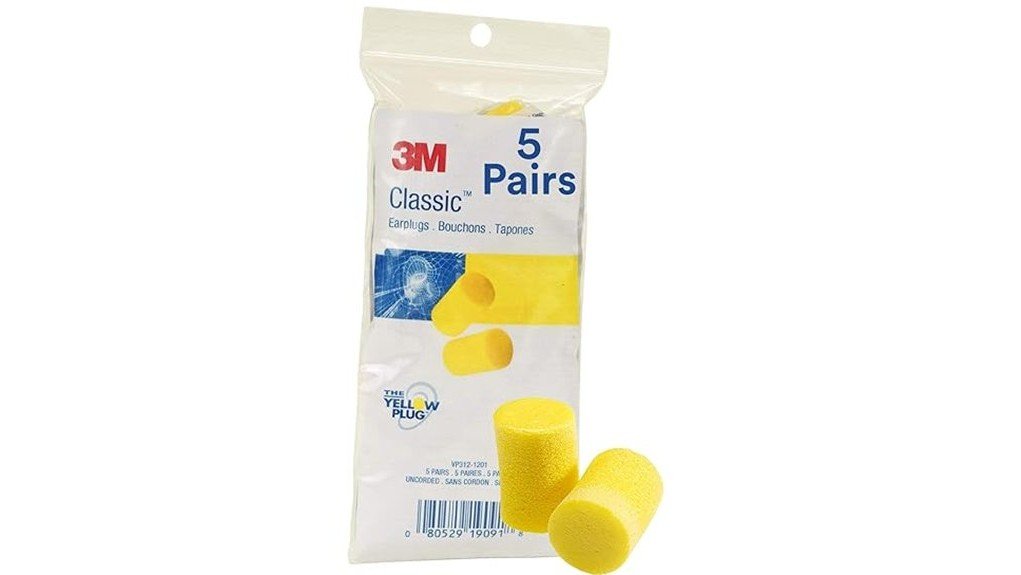
Loud tools, machinery, and shop noise can make hearing protection feel like a small detail until you need it every day. The 3M Ear Plugs reviewed here are foam earplugs made for noise reduction, comfort, and industrial-style use. They stand out for a listed Noise Reduction Rating (NRR) of 29 dB, a low-pressure foam feel, and moisture resistance for demanding work settings. The main tradeoff is that foam earplugs only protect well when they are inserted correctly and replaced as directed.
Quick Verdict
Rating: 8.2/10
Best For: Adults who need disposable foam earplugs for workshops, construction, machining, sanding, welding areas, or other loud jobsite tasks.
Bottom Line: These 3M Ear Plugs are a practical choice if you want soft foam comfort and an NRR of 29 dB in a simple disposable plug. They are not ideal if you need reusable hearing protection, child-sized plugs, or a product that works without careful fitting.
| Specification | Detail |
|---|---|
| Brand | 3M |
| Product type | Disposable foam ear plugs |
| Noise Reduction Rating | NRR 29 dB when worn correctly |
| Design | Cylindrical foam shape that compresses for insertion and expands in the ear canal |
| Material | Slow-recovery, low-pressure foam |
| Comfort feature | Soft foam adapts to different adult ear canal shapes |
| Certification noted | CSA Class AL noted in the source article |
| Best use | Industrial noise, workshops, construction, manufacturing, sanding, machining, and welding environments |
| Durability note | Designed to resist sweat, moisture, and humidity during work use |
| Care note | Treat as single-use unless the product packaging says otherwise |
| Safety note | Fit matters. A loose or shallow fit can reduce real-world protection. |
What Is the 3M Ear Plugs?
The 3M Ear Plugs are foam hearing-protection plugs made to reduce noise exposure in loud work settings. The article-supported NRR is 29 dB, which places them in the range buyers often consider for workshops, industrial tasks, and equipment-heavy spaces.
The main design feature is the foam body. You roll the plug down before insertion, place it in the ear canal, and let the foam expand to create a closer fit. This simple design is useful because it does not require batteries, controls, charging, or an app.
These are best viewed as practical work earplugs, not specialty sleeping plugs, music-filter plugs, or custom hearing protection. They are simple, affordable in concept, and easy to keep on hand, but they rely heavily on correct fit.
Before You Buy: Do not choose these only by the NRR number. Foam earplugs need the right size, a deep enough seal, and clean insertion to work well. If you need hearing protection for regulated workplace exposure, follow your employer’s hearing conservation program or ask a qualified safety professional.
Who Should Buy It?
Best For
- Adults who need simple disposable foam plugs for loud shop or jobsite tasks.
- Workers who want a soft, low-pressure foam feel for longer wear periods.
- Buyers who prefer earplugs that resist sweat, moisture, and humidity during work.
Skip If
- You want reusable plugs that can be cleaned and worn many times.
- You are buying for a child or for someone who cannot insert foam plugs safely.
- You need communication-focused hearing protection that keeps speech clearer.
Comfort Features of 3M Ear Plugs
Comfort is one of the strongest reasons to consider these 3M Ear Plugs. The slow-recovery, low-pressure foam is designed to compress before insertion and then expand inside the ear canal. That helps the plug adapt to different adult ear shapes instead of depending on a hard fixed shape.
The cylindrical foam design also helps reduce pressure points during longer wear. This matters if you use earplugs while sanding, machining, welding nearby, mowing, or working around steady equipment noise. A plug that feels too stiff often gets removed early, which defeats the purpose of wearing hearing protection.
The fit will not feel the same for every user. If your ear canals are very small, very sensitive, or prone to irritation, disposable foam plugs may still feel too full after they expand. In that case, you may need to compare smaller foam plugs, reusable flanged plugs, or earmuffs.
Noise Reduction Effectiveness
The listed Noise Reduction Rating of 29 dB is the key performance claim in this review. That rating tells you the earplug is designed to lower sound exposure when it is inserted correctly. It does not mean every person will get the same reduction in every workplace.
Foam earplugs work by sealing the ear canal. If the plug is not rolled tightly, inserted far enough, or held in place while it expands, sound can leak around the edges. That leak can make a high-rated plug perform like a much weaker one.
For loud industrial settings, this 29 dB rating makes the 3M Ear Plugs worth considering. For very high-noise tasks or regulated jobsite exposure, your employer or safety professional may require a fit test, earmuffs over plugs, or another form of hearing protection.
Durability and Versatility in Industrial Settings
The source article notes that these plugs are built to resist moisture, sweat, and humidity. That is useful for long shifts, warm shops, outdoor work, and hands-on tasks where cheaper foam plugs can feel damp or lose shape too quickly.
They can fit several work scenarios, including construction, manufacturing, machining, sanding, and loud equipment use. Because they are disposable, they also make sense for job boxes, visitor PPE stations, backup hearing protection, and messy tasks where reusable plugs would need frequent cleaning.
The limitation is waste and replacement. A disposable earplug should be thrown away after use or when it becomes dirty, damaged, stiff, or hard to compress. If you wear earplugs every day, compare the long-term cost against reusable plugs or earmuffs.
Material Safety and Comfort
These earplugs touch the ear canal directly, so hygiene matters. Insert them with clean hands, avoid placing dirty plugs on a workbench, and discard plugs that pick up dust, oil, metal particles, or shop debris.
Do not push foam plugs painfully deep. You should feel a secure seal, but not sharp pressure, ringing, dizziness, or pain. Remove the plug slowly with a gentle twisting motion instead of pulling it out quickly.
These are not the best choice for young children unless a healthcare professional or qualified safety specialist recommends them and confirms proper fit. Children’s ear canals are smaller, and improper insertion can cause discomfort or poor protection.
Pro Tip: After inserting each earplug, cup your hands over both ears and then release. If the sound level barely changes, you likely have a decent seal. If sound changes a lot, remove the plug and reinsert it carefully.
How to Use It Correctly
Start by washing or cleaning your hands. Roll one foam earplug between your fingers until it becomes a narrow cylinder. Do not fold it or only squeeze the tip, because uneven compression can make insertion harder.
With your opposite hand, gently pull the top of your ear up and back. Insert the rolled plug into the ear canal, then hold it in place while the foam expands. The plug should sit securely, but it should not hurt.
Repeat the same process for the other ear. If one side feels loose, remove that plug and try again with a fresh one if needed. A rushed fit is one of the most common reasons foam earplugs fail to protect well.
How It Performs in Real Use
For Workshops and Garages
For home garages, woodshops, and metalworking areas, these 3M Ear Plugs offer simple noise reduction without adding bulky earmuffs. They are useful when you need protection around saws, grinders, compressors, sanders, or similar tools.
For Industrial Tasks
In industrial settings, the NRR 29 dB rating and CSA Class AL note make them a practical option to consider. They are still only one part of hearing safety. If workplace rules require specific PPE, fit testing, or double protection, follow those rules first.
For Hot or Humid Conditions
The moisture-resistant design helps during warm shifts or jobs that involve sweat and humidity. That can make them easier to wear than plugs that soften too quickly or feel slippery after a short time.
For Backup and Visitor Use
Disposable foam plugs are useful to keep in a truck, toolbox, PPE cabinet, or garage drawer. They work well as backup protection when earmuffs are not available, as long as the user knows how to insert them correctly.
Pros and Cons
Pros
- NRR 29 dB rating supports use around loud work and shop noise.
- Slow-recovery foam helps create a snug fit in many adult ear canals.
- Low-pressure feel improves comfort during longer wear periods.
- Moisture, sweat, and humidity resistance helps in demanding work settings.
- Disposable format is convenient for backup PPE and messy tasks.
Cons
- Protection depends heavily on correct insertion and a full seal.
- Single-use foam plugs create ongoing replacement needs.
- Not ideal for children, very sensitive ears, or users who need clear speech while protected.
Is It Worth the Price?
The 3M Ear Plugs are worth considering if you want a straightforward disposable foam plug for work noise, garage projects, or backup hearing protection. The value comes from the mix of 3M branding, soft foam comfort, moisture resistance, and the listed NRR 29 dB rating.
They make the most sense for buyers who use earplugs regularly but do not want to clean reusable plugs after dirty tasks. They are also a smart buy for keeping spare protection in several places, such as a toolbox, truck, workbench, or PPE station.
They are not the best value if you only want one long-term reusable pair. In that case, reusable silicone plugs, corded plugs, or earmuffs may be better to compare.
How It Compares to Alternatives
Compared with reusable silicone earplugs, these 3M foam plugs are simpler and often better for dirty work because you can discard them after use. Silicone plugs may be better if you want washable protection and less waste.
Compared with earmuffs, foam plugs are lighter, easier to store, and less bulky with helmets or face shields. Earmuffs may be easier to put on quickly and can be better for users who struggle to insert foam plugs correctly. The 3M Ear Plugs make the most sense if you want compact disposable protection with a strong listed NRR.
Frequently Asked Questions
How do you insert 3M Ear Plugs correctly?
Roll the foam plug into a narrow cylinder, gently pull your ear up and back, then insert the plug into the ear canal. Hold it in place while the foam expands so it can form a better seal.
Can these earplugs be reused?
Treat them as single-use foam earplugs unless the product packaging clearly says otherwise. Replace them after use, when dirty, or when the foam no longer compresses and expands properly.
Are 3M Ear Plugs suitable for children?
They may not be suitable for children because foam plugs require proper sizing and insertion. For children, ask a pediatrician, audiologist, or qualified safety professional before using in-ear hearing protection.
What does NRR 29 dB mean?
NRR 29 dB is the listed noise reduction rating for the earplug when tested under rating conditions. Your real-world protection can be lower if the plug is not inserted correctly or does not seal your ear canal well.
Are these good for welding, sanding, and machining?
Yes, the source article supports use in loud industrial tasks such as welding environments, sanding, and machining. For regulated workplaces or very high noise levels, follow your safety program’s required hearing protection rules.
How should you store unused foam earplugs?
Store unused plugs in a clean, dry place away from dust, oil, moisture, and heat. Keep them in their original packaging or a clean container until you are ready to use them.
What is the shelf life of these earplugs?
The original article notes a typical shelf life of about five years. Check the packaging for the exact date or storage guidance, especially if the plugs have been kept in a hot, damp, or dirty area.
Who should skip these 3M Ear Plugs?
Skip them if you need reusable hearing protection, child-specific sizing, built-in communication features, or protection you can put on without inserting anything into the ear canal. Earmuffs or specialty plugs may be a better fit for those needs.
The Bottom Line
The 3M Ear Plugs are a solid choice for adults who want disposable foam hearing protection with soft comfort, moisture resistance, and an article-supported NRR of 29 dB. They are best for loud work areas, shop tasks, and backup PPE, but you should skip them if you need reusable plugs, child sizing, or protection that does not depend on careful insertion.