Disclosure: As an Amazon Associate, we earn from qualifying purchases. If you click a link on this page and make a purchase, we may receive a small commission at no extra cost to you.
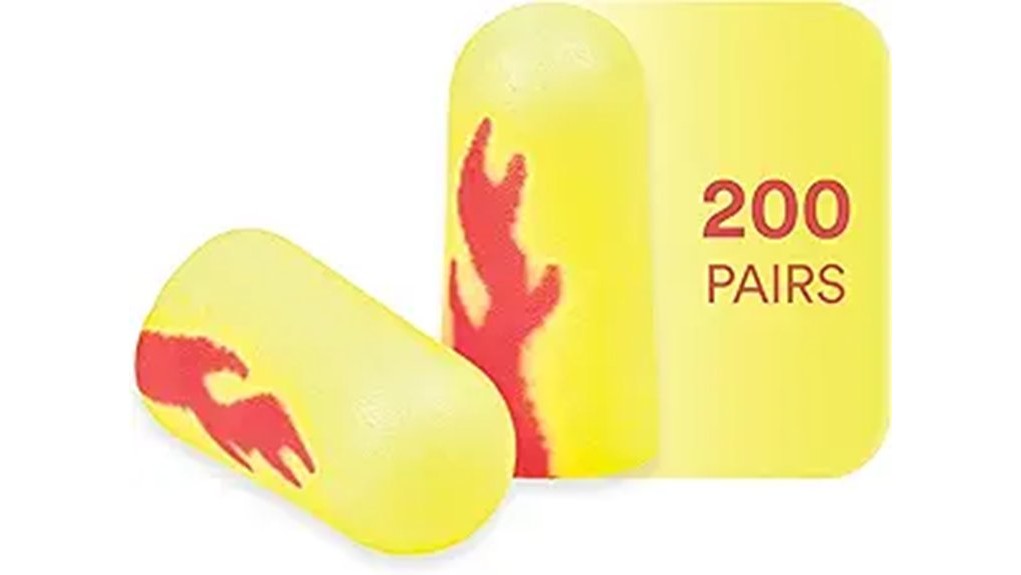
Noise at work can wear you down fast, and poor-fitting ear plugs can be almost as distracting as the sound itself. The 3M Ear Plugs reviewed here are disposable foam plugs made for buyers who want simple, high-NRR hearing protection in a bulk box. The article-supported details point to a soft foam design, a universal fit, 200 pairs per box, and a listed Noise Reduction Rating of 33 dB. This review helps you decide whether they make sense for your shop, jobsite, garage, or general noise-control needs, while also covering the main tradeoff: they are disposable and depend on correct insertion for best results.
Quick Verdict
Rating: 8.4/10, Recommended with caveats
Best For: Workers, welders, fabricators, mechanics, and DIY users who want disposable foam ear plugs in a large 200-pair box.
Bottom Line: These 3M ear plugs are a practical choice if you want soft foam comfort and strong listed noise reduction without managing reusable plugs. Skip them if you need water-safe ear plugs, corded plugs, or a reusable hearing protector.
| Specification | Detail |
|---|---|
| Brand | 3M |
| Product type | Disposable foam ear plugs |
| Noise Reduction Rating | 33 dB, as stated in the source article |
| Count | 200 pairs per box |
| Material | Soft foam |
| Fit style | Roll-down foam that expands inside the ear canal |
| Size | Universal fit, no separate size options stated |
| Use type | Single-use disposable ear protection |
| Best use | Industrial work, construction, manufacturing, automotive work, metal fabrication, woodworking, grinding, drilling, sanding, and similar noisy tasks |
| Safety note | Not designed for water use or swimming. Follow the product label and workplace hearing-protection rules. |
What Are the 3M Ear Plugs?
The 3M Ear Plugs are disposable foam ear plugs designed to reduce noise exposure in loud work settings. They use a soft foam texture that rolls down for insertion, then expands inside the ear canal to help create a snug seal.
The main appeal is simple: you get a large 200-pair box, a listed NRR of 33 dB, and a design meant for extended wear without the upkeep of reusable plugs. That makes them a practical option for shops, construction crews, metalworkers, mechanics, and home users who need fresh ear plugs available throughout the day.
They are not a specialty ear plug for swimming, music filtering, electronic hearing protection, or custom-molded fit. They are best viewed as straightforward disposable hearing protection for noisy work and general noise control.
Before You Buy: These ear plugs need correct roll-down insertion to work well. If you do not insert foam plugs deeply enough to seal the ear canal, you may get less noise reduction than the listed NRR suggests.
Who Should Buy It?
Best For
- Workers who need disposable ear plugs for loud industrial or shop environments.
- Buyers who want a bulk 200-pair box for shared work areas, tool rooms, garages, or jobsite storage.
- Users who prefer soft foam plugs that compress for insertion and expand for a snug fit.
Skip If
- You want reusable ear plugs that can be washed and stored for repeated use.
- You need ear plugs for swimming, water sports, or moisture protection.
- You need corded plugs, custom sizing, or electronic hearing protection.
Exceptional Comfort and Design Features
Comfort matters because ear plugs only protect you when you actually wear them. These 3M ear plugs use a soft foam texture that compresses before insertion and expands after placement. That roll-down design helps the plug conform to the ear canal instead of forcing a hard shape into your ear.
The smooth surface is useful during long shifts or repeated short sessions. It can make insertion easier and may reduce the rough, scratchy feel that some cheaper foam plugs can have. For workers who move between grinding, cutting, sanding, drilling, or welding-related tasks, that comfort can help with consistent use.
The design is also simple. There are no batteries, filters, cords, or removable parts to manage. You roll, insert, let the foam expand, and replace the pair when it is dirty, damaged, or no longer fits well.
Effective Noise Reduction Performance
The article-supported rating for these 3M ear plugs is a Noise Reduction Rating of 33 dB. That is the key performance claim and the main reason to consider them for high-noise environments.
NRR is not a promise that every user will get the full listed reduction in every setting. Foam ear plugs depend heavily on fit, insertion depth, ear canal shape, and whether the plug fully seals. If you rush insertion or leave the plug sitting too shallow, noise can leak around it.
When used correctly, the soft foam design can help reduce distracting and harmful noise from common work activities such as machining, grinding, drilling, sanding, sawing, and heavy equipment operation. They also let you keep a supply of fresh pairs close by, which supports better hygiene and easier compliance in busy work areas.
Pro Tip: Roll each plug into a narrow cylinder, insert it into the ear canal, then hold it in place while the foam expands. A proper seal should make surrounding noise sound noticeably softer.
Material Safety and Comfort
These are foam ear plugs that touch the skin inside your ear canal, so comfort and cleanliness both matter. The disposable design helps because you can start with a clean pair instead of reusing plugs that may collect dirt, sweat, dust, or shop debris.
Do not force the plug into your ear, and do not push a fully expanded foam plug deeper after it is already in place. If you feel pain, pressure, irritation, ringing, drainage, or a sudden change in hearing, stop using the plugs and seek professional guidance.
These ear plugs are not designed for water protection. Moisture can affect foam performance, and the source article states they are not suitable for swimming or aquatic use. Use a water-specific ear plug if your goal is to keep water out of your ears.
Versatile Applications in Various Industries
These 3M ear plugs fit a wide range of noisy tasks because they are simple, disposable, and supplied in bulk. They can be useful wherever you need easy access to foam hearing protection without assigning reusable plugs to each person.
| Industry | Common Use | Why It Helps |
|---|---|---|
| Construction | Chipping, drilling, cutting | Disposable pairs are easy to keep on a jobsite. |
| Manufacturing | Machining and production work | Soft foam can support all-shift wear when fitted correctly. |
| Automotive | Grinding, sawing, shop tools | The bulk box keeps fresh plugs close to work bays. |
| Metal Fabrication | Heavy equipment and fabrication tasks | The listed 33 dB NRR supports high-noise work when properly worn. |
| Woodworking | Sanding, chiseling, cutting | Foam plugs help reduce steady tool noise during repeated tasks. |
How It Performs in Real Use
For Daily Shop Use
For daily work around grinders, saws, drills, and other shop tools, these ear plugs make sense because they are quick to grab and easy to replace. The 200-pair box is useful in garages, maintenance areas, or shared tool zones where several people may need hearing protection.
For Long Work Sessions
The soft foam design is the main comfort advantage during longer sessions. A smooth, compressible plug is usually easier to wear than a stiff plug, but the fit still needs to be correct. If the plug backs out or feels loose, remove it and insert a fresh pair properly.
For Shared Work Areas
Disposable plugs are practical when multiple users need access to hearing protection. Instead of cleaning reusable plugs between users, each person can use a fresh pair. This helps keep the system simple and encourages people to replace dirty or worn plugs.
For Home Projects
These 3M ear plugs can also work for DIY jobs like sanding, lawn equipment use, garage cutting, or occasional woodworking. They may be more than casual users need in quantity, but the bulk format can be useful if you work on projects often.
How to Use These Ear Plugs Correctly
Good hearing protection starts with fit. Wash or clean your hands when possible, then roll the foam plug into a narrow, crease-free cylinder. Reach over your head with the opposite hand, gently pull the top of your ear upward and outward, then insert the plug into the ear canal.
Hold the plug in place while it expands. You should feel it fill the canal without sharp pain. If it feels loose, uneven, or uncomfortable, remove it and try again with a fresh plug.
- Do not reuse a dirty, damaged, or compressed-out plug.
- Do not use these plugs in water or for swimming.
- Do not cut or modify the foam.
- Do not rely on ear plugs alone when your workplace requires double hearing protection.
- Follow your employer’s hearing-conservation rules and the product label.
Package Count and Value
The 200-pair box is one of the strongest buyer benefits. For one person, it can last through many workdays if you use one fresh pair per shift or task. For a shop or crew, the large quantity helps keep ear protection stocked near workstations.
Because these are disposable, value depends on how often you need fresh pairs. If you use hearing protection daily, a bulk box can be a smart buy for everyday use. If you only need ear plugs once in a while, a smaller pack may be easier to store.
Pros and Cons
Pros
- Listed NRR of 33 dB supports strong noise reduction when inserted correctly.
- Soft foam texture helps the plugs compress for insertion and expand for a snug fit.
- Disposable design makes them practical for shared work areas and dirty environments.
- 200-pair box offers useful bulk supply for shops, jobsites, and frequent users.
- Simple universal fit means there are no batteries, cords, filters, or parts to manage.
Cons
- Not reusable, so you need to replace each pair after use or when dirty.
- Universal fit may not feel ideal for every ear canal shape.
- Not designed for swimming, water exposure, or moisture protection.
Is It Worth the Price?
These 3M ear plugs are worth considering if you need disposable hearing protection in bulk. The strongest value comes from the combination of a 200-pair box, soft foam comfort, and a listed 33 dB NRR.
They make the most sense for buyers who care about convenience and steady supply more than specialty features. A shop, garage, construction crew, or fabrication area can place the box near noisy equipment so users do not have to hunt for hearing protection.
They are not the best fit if you want a long-term reusable product, a corded style, or ear plugs made for water use. In those cases, a different type of hearing protector will be more practical.
How It Compares to Alternatives
Compared with reusable silicone ear plugs, these 3M foam plugs are easier to hand out and replace, but they create more waste because they are disposable. Compared with earmuffs, they are smaller and easier to store, but earmuffs may be quicker to take on and off between short noise bursts.
Compared with custom-molded ear plugs, these are much simpler and more affordable for bulk use, but they do not offer a personalized fit. The 3M ear plugs make the most sense if you want soft disposable foam plugs with a large box count and a high listed NRR.
Frequently Asked Questions
How long can you use one pair of 3M ear plugs?
These ear plugs are disposable, so one pair is best treated as single-use. The source article notes typical use up to eight hours, but you should replace them sooner if they become dirty, damaged, wet, or lose their shape.
Are these 3M ear plugs reusable?
No. They are disposable foam ear plugs, so they are not meant to be washed and reused. Reusing dirty foam plugs can reduce comfort and may affect fit.
Can you use these ear plugs for swimming?
No. These ear plugs are made for noise reduction, not water protection. For swimming or shower use, choose ear plugs specifically designed to block water.
What are the ear plugs made from?
The article describes them as soft foam ear plugs. The foam compresses for insertion and expands inside the ear canal to help create a seal.
Do they come in different sizes?
The source article describes them as a universal fitting option and does not list separate sizes. Universal foam plugs work for many users, but they may not feel perfect for every ear canal.
Why does correct insertion matter so much?
Foam ear plugs need a full seal to reduce noise well. If they sit too shallow or expand before they are inserted, sound can leak around the plug and reduce protection.
Are these good for welding and metal fabrication?
They can be useful around noisy fabrication tasks such as grinding, cutting, heavy equipment operation, and shop work. For welding, use them as part of your full safety setup and follow your workplace hearing-protection rules.
Who should skip these ear plugs?
Skip them if you need reusable plugs, water-safe plugs, corded plugs, or custom-molded hearing protection. You should also consider earmuffs or double protection if your worksite requires more than foam plugs alone.
The Bottom Line
The 3M Ear Plugs are a strong pick if you want simple disposable foam hearing protection with a listed 33 dB NRR and a large 200-pair box. They are best for work areas, garages, and noisy tasks where fresh plugs need to be easy to access.
Skip them if you need reusable plugs, water protection, corded plugs, or custom sizing. The main strength is bulk convenience with soft foam comfort, while the main limitation is that performance depends on correct insertion and single-use replacement.