Disclosure: This article contains Amazon affiliate links. If you make a qualifying purchase through one of these links, we may earn a commission at no extra cost to you.
A 110V stick welder can handle useful repair and fabrication work, but only when the electrode matches its output. A rod that needs more current than your machine can supply may stick repeatedly, produce an unstable arc, or leave a weak, incomplete bead.
This guide focuses on four stick electrodes that make sense for small welders. The strongest choices use a 3/32-inch diameter, while the single 1/8-inch option is clearly labeled for higher-output machines. Always compare the rod’s recommended amperage and polarity with the chart in your welder manual before starting.
Its small diameter and general-purpose E6013 classification make it the most practical choice here for mild-steel repairs, sheet metal, practice, and light fabrication with a lower-output stick welder.
Top Picks
| Category | Product | Rod Type and Size | Compatibility Note | Check Details |
|---|---|---|---|---|
| 🏆 Best Overall | Saker E6013 | E6013, 3/32 inch | Strong fit for many small stick welders when the manual lists 3/32-inch E6013. | Check Price |
| 🎯 Best General-Purpose Pack | YesRight J422 | J422 carbon steel, 3/32 inch | Check the package for the required amperage and polarity because J422 uses a different classification system. | Check Price |
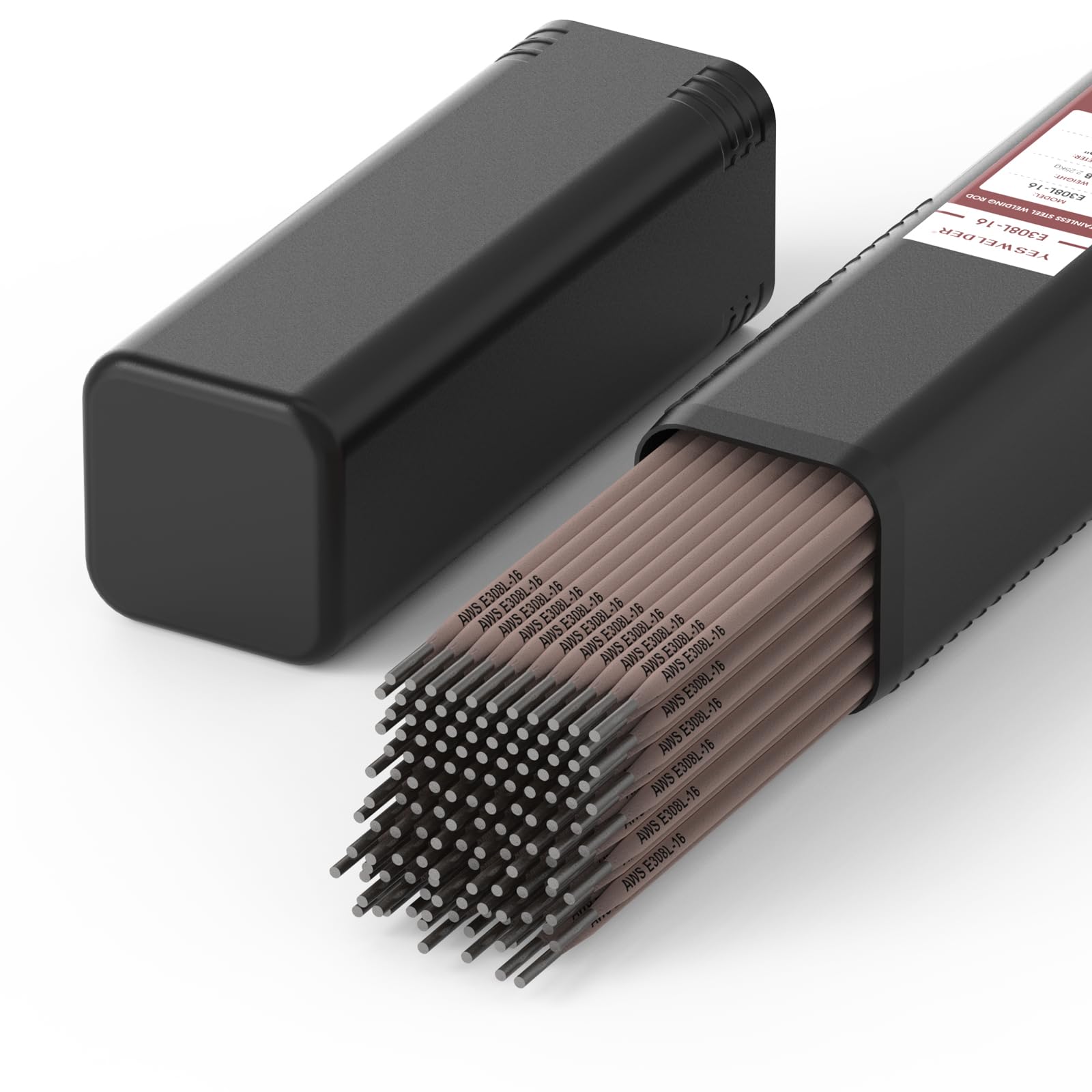
| ⭐ Best for Stainless Steel | YESWELDER E308L-16 | E308L-16, 3/32 inch | For compatible stainless steel only. Confirm base-metal grade, polarity, and output range. | Check Price |
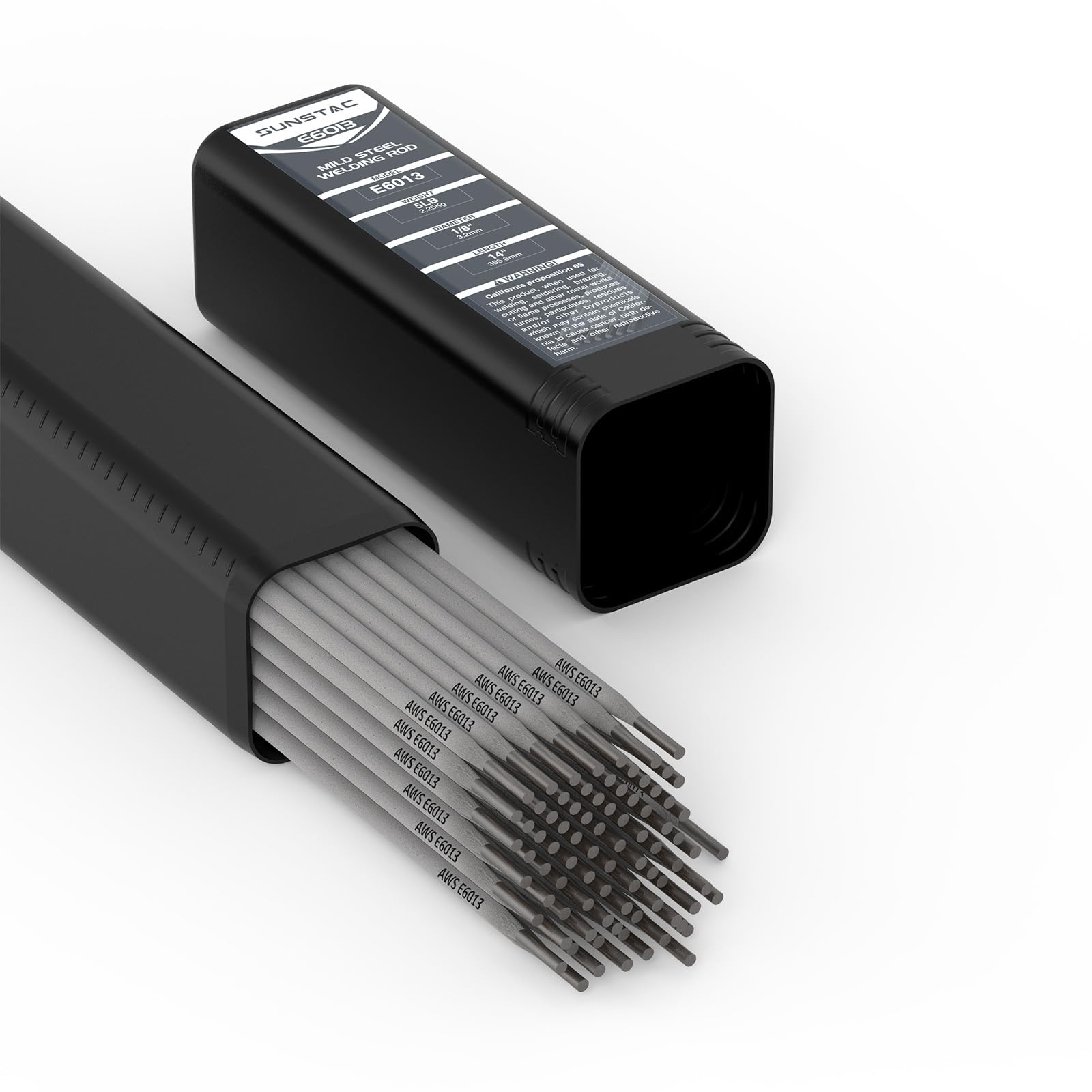
| 💼 Best 1/8-Inch Option | Sunstac E6013 | E6013, 1/8 inch | Only for a 110V machine whose electrode chart specifically supports 1/8-inch E6013. | Check Price |
Before You Buy
- Check maximum output: The 110V input rating does not tell you which electrode sizes the welder can run.
- Read the electrode chart: Confirm that your manual lists the rod classification and diameter you plan to use.
- Check polarity: Verify whether the rod requires AC, DCEP, DCEN, or supports more than one option.
- Match the metal: Carbon-steel rods are not substitutes for correctly selected stainless filler.
- Consider duty cycle: A machine may reach the required amperage but still require frequent cooling breaks.
- Use proper protection: Wear an approved welding helmet, gloves, flame-resistant clothing, and provide suitable ventilation.
Selection Criteria
We prioritized electrodes that genuinely connect to a stick-welding electrode holder and make sense for lower-output equipment. The most important factors were rod diameter, general amperage demand, base-metal compatibility, polarity requirements, packaging, and how clearly each option fits common home-repair work.
Small 3/32-inch electrodes received priority because they are generally easier for compact machines to run than larger rods. We also separated general-purpose mild-steel choices from the stainless option and clearly marked the 1/8-inch product as machine-dependent.
Live Amazon prices, stock status, ratings, and review totals can change, so they are not used as ranking factors in this updated guide.
Best Welding Rods for 110V Stick Welders
The Saker E6013 is the easiest recommendation for the typical reader using a compact 110V stick welder. Its 3/32-inch diameter is better suited to lower-current work than a larger 1/8-inch rod, while the E6013 classification is commonly chosen for mild-steel sheet, small repairs, tacks, and light fabrication.
It solves the main problem small-welder owners face: finding an electrode that does not immediately demand the upper edge of the machine’s output. You still need to use the amperage and polarity listed by Saker and your welder manufacturer, but the rod size gives you a more practical starting point.
Why You’ll Like It
- Small 3/32-inch diameter is a better match for many compact machines
- General-purpose option for compatible mild-steel work
- Useful for practice, tacks, sheet metal, and light repair
- One-pound pack is manageable for occasional users
Beginners, home repairs, thin-to-moderate mild steel, short practice sessions, and general garage fabrication.
Anyone welding stainless steel, aluminum, critical structures, or material outside the rod manufacturer’s approved applications.
What People Say
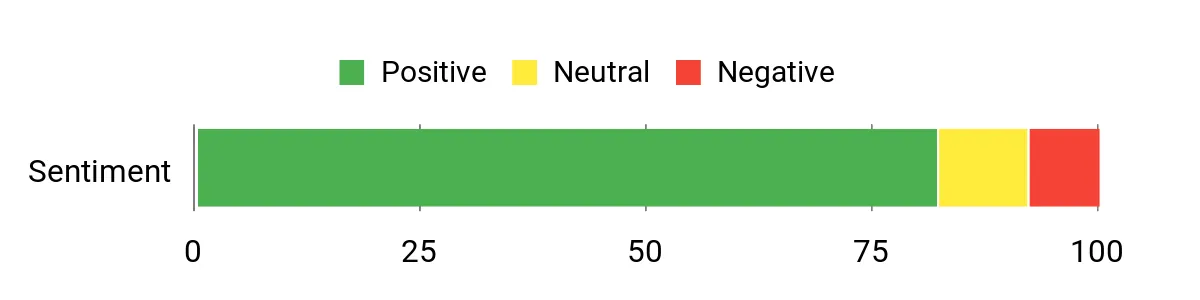
The feedback summarized in the source article commonly mentions straightforward arc starting and manageable bead control on smaller machines. Some users report normal spatter or occasional coating damage, so inspect each electrode before use and keep the pack protected from moisture and impact.
Important Limitation
E6013 is a light-fabrication electrode, not an automatic choice for code work or safety-critical structural repairs. Use an approved welding procedure and correctly classified filler whenever the finished joint carries important loads.
The YesRight J422 is another small-diameter carbon-steel option for readers who want a larger supply than the Saker pack. The 3/32-inch size supports the low-amperage focus of this guide and can suit routine repair, practice, and light fabrication when the package specifications match the machine.
J422 is not an AWS classification, so do not assume every J422 electrode has exactly the same operating requirements as an E6013 product. Check the printed amperage, polarity, welding-position, and base-metal guidance before use.
Why You’ll Like It
- 3/32-inch size is more realistic for compact equipment than many larger rods
- Larger pack can suit frequent practice or repair work
- General-purpose carbon-steel application
- Protective tube can help reduce storage damage
Users who already know their machine settings and want a larger supply of small-diameter carbon-steel electrodes.
Buyers who cannot confirm the required polarity and operating range or who specifically need an AWS-classified filler for controlled work.
What People Say
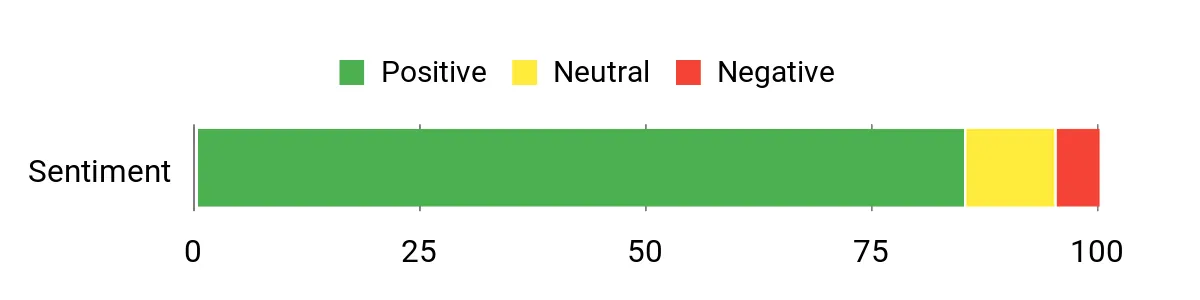
The source feedback summary emphasizes manageable starts, steady burning, and relatively simple slag cleanup. Those reports are useful for general context, but the result on your machine will depend on the output characteristics, polarity, work-lead connection, material preparation, and technique.
Important Limitation
The classification difference makes careful label reading especially important. Do not rely on a general online comparison when the package or manufacturer gives different settings.
This YESWELDER product is the specialty choice for readers repairing compatible stainless steel with a stick welder. The 3/32-inch diameter keeps its current requirement more realistic for compact machines than a larger stainless electrode.
The main buying decision is not simply whether your welder can strike the arc. You must also confirm that E308L-16 is suitable for the stainless base metal and that your machine supports the required current and polarity. Using the wrong stainless filler can affect corrosion resistance and finished-joint performance.
Why You’ll Like It
- Provides a stainless-specific option within a small-welder guide
- 3/32-inch diameter is more suitable for limited output
- Useful for compatible stainless fabrication and repairs
- Five-pound pack suits repeated shop use
Compatible stainless-steel repairs where stick welding is preferred and the base-metal grade has been identified.
Anyone who has not identified the stainless grade or whose welder cannot supply the listed current and polarity.
What People Say
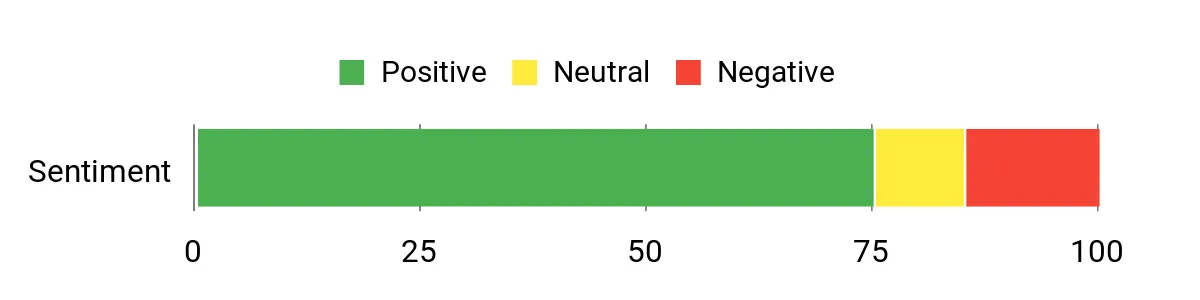
The source feedback summary mentions clean-looking stainless deposits and useful packaging. It also notes that results vary when setup information is unclear, which reinforces the need to check the manufacturer’s operating instructions before welding.
Important Limitation
E308L-16 is not a universal stainless electrode. Match the filler classification to the actual base metal and service conditions, especially on food equipment, chemical equipment, exhaust components, or corrosion-sensitive repairs.
The Sunstac E6013 is included for readers whose 110V inverter has enough output to run a larger electrode. A 1/8-inch rod can deposit metal faster than a 3/32-inch rod, but it also places a heavier demand on the machine and is less forgiving when the available current is limited.
This option makes the most sense for repeated mild-steel repair or fabrication when your manual confirms compatibility. For a basic or lower-output machine, the 3/32-inch Saker or YesRight product is the safer place to start.
Why You’ll Like It
- General-purpose E6013 classification for compatible mild steel
- Five-pound supply for regular garage or shop use
- Larger diameter can suit machines with stronger 110V output
- Useful for users who already know their machine’s electrode limits
Experienced users with a higher-output 110V inverter that specifically lists 1/8-inch E6013.
Owners of compact machines limited to 3/32-inch electrodes or users who do not know their maximum output and duty cycle.
What People Say
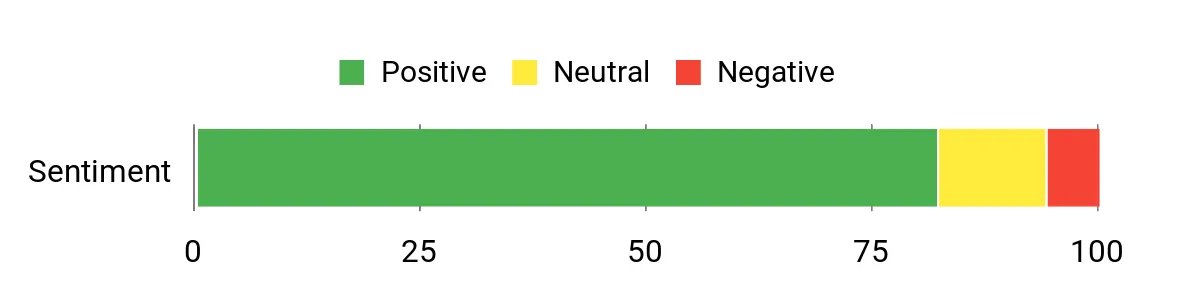
The source feedback summary describes straightforward starting and tidy bead appearance on suitable machines. However, positive feedback does not establish compatibility with every 110V welder, so the manufacturer’s electrode chart must take priority.
Important Limitation
A machine that can briefly reach the required current may still have a short duty cycle. Stop and allow the welder to cool whenever its thermal-protection light activates or the manufacturer’s duty-cycle limit is reached.
How to Choose the Right Rod
Start With Your Welder Manual
Find the electrode-selection chart for your exact machine. It should identify compatible rod types, diameters, polarity, and recommended output settings. Do not rely only on the maximum amp number printed in advertising.
Choose the Diameter Before the Brand
For many small welders, 3/32-inch electrodes provide more adjustment room and easier starts than 1/8-inch rods. A larger rod may work only near the top of the machine’s output, leaving little room to tune the arc.
Match the Rod to the Base Metal
Use carbon-steel electrodes on approved carbon-steel applications. Use a correctly selected stainless electrode for stainless work. Clean the metal and identify unknown materials before choosing filler.
Consider the Finished Joint
A convenient general-purpose rod is not automatically suitable for trailers, lifting equipment, pressure-containing parts, vehicle suspension, structural frames, or other safety-critical work. Those jobs may require an approved procedure, qualified welder, inspection, and specified filler metal.
FAQ
Which Welding Rod Is Easiest to Run on a 110V Welder?
A 3/32-inch general-purpose electrode is usually the most practical starting point. In this comparison, the Saker E6013 and YesRight J422 use the preferred 3/32-inch diameter. Confirm the exact operating range and polarity before welding.
Can a 110V Welder Run 1/8-Inch Rods?
Some higher-output 110V inverter welders can run selected 1/8-inch electrodes, but many compact machines cannot run them well or cannot sustain the required output for long. Check the electrode chart and duty-cycle rating for your exact model.
Can You Use E7018 With a 110V Stick Welder?
Some machines can run a 3/32-inch E7018 electrode when they provide the required output and polarity. A 1/8-inch E7018 places a heavier demand on the machine and is not a dependable recommendation for all 110V welders. Follow the electrode manufacturer and welder manual rather than assuming compatibility.
Can You Weld Stainless Steel With a Small Stick Welder?
Yes, when the welder can run the required stainless electrode and the filler classification matches the base metal. The YESWELDER E308L-16 in this guide is a 3/32-inch stainless option, but it is not suitable for every stainless alloy or service condition.
Is J422 the Same as E6013?
J422 and E6013 come from different electrode-classification systems. They may be compared for some general-purpose applications, but you should not treat the names as automatically interchangeable. Use the specifications printed by the rod manufacturer.
Can Aluminum Brazing Rods Be Used in a Stick-Welder Electrode Holder?
Ordinary low-temperature aluminum brazing rods are heated with a suitable torch and are not powered stick electrodes. Aluminum welding also requires the correct process, filler, cleaning method, and equipment. Do not buy a torch-brazing filler when you need an SMAW electrode.
How Should Welding Rods Be Stored?
Keep electrodes dry, clean, and protected from damaged coatings. Close the original package after use and follow the manufacturer’s storage instructions. Low-hydrogen electrodes require stricter controlled storage when their low-hydrogen properties must be maintained. Do not invent a rebaking temperature or use a household oven without approved manufacturer guidance.
Final Recommendation
Choose Saker E6013 3/32-inch for the most straightforward mild-steel option and the best overall fit for many small 110V stick welders.
Choose YesRight J422 3/32-inch when you want a larger general-purpose pack and can confirm its package settings.
Choose YESWELDER E308L-16 when you are welding a compatible stainless-steel grade and need a small-diameter stainless electrode.
Choose Sunstac E6013 1/8-inch only when your machine manual specifically confirms that electrode size.
The right rod is the one your machine can run steadily on the metal you are actually welding. Check the diameter, output range, polarity, and base-metal compatibility before buying, and choose the 3/32-inch option whenever your compact welder has limited amperage.
Product Comparison
| Product Name | Image | Rod Type | Diameter | Best For | Amazon |
|---|---|---|---|---|---|
| Saker E6013 Welding Rod |
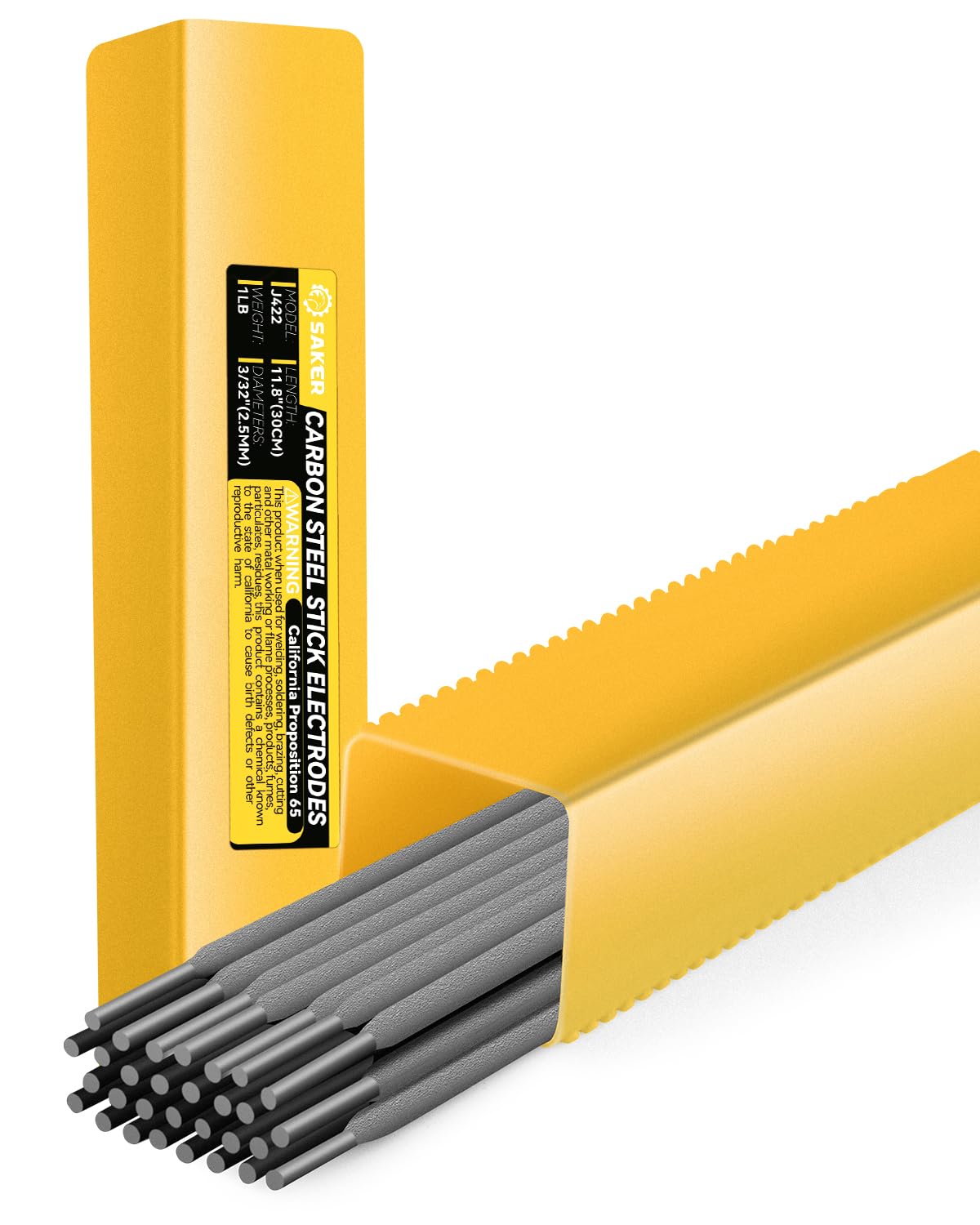 |
E6013 carbon steel | 3/32 inch | Best overall for mild-steel repairs and practice | Check Price |
| YesRight J422 Carbon Steel Electrodes |
 |
J422 carbon steel | 3/32 inch | General-purpose work and larger pack size | Check Price |
| YESWELDER E308L-16 Stainless Steel Electrodes |
 |
E308L-16 stainless steel | 3/32 inch | Compatible stainless-steel repairs | Check Price |
| Sunstac E6013 Welding Rod |
 |
E6013 carbon steel | 1/8 inch | Higher-output 110V machines | Check Price |
This roundup is reader-supported. When you click an Amazon link and make a qualifying purchase, we may earn a referral commission at no extra cost to you.