
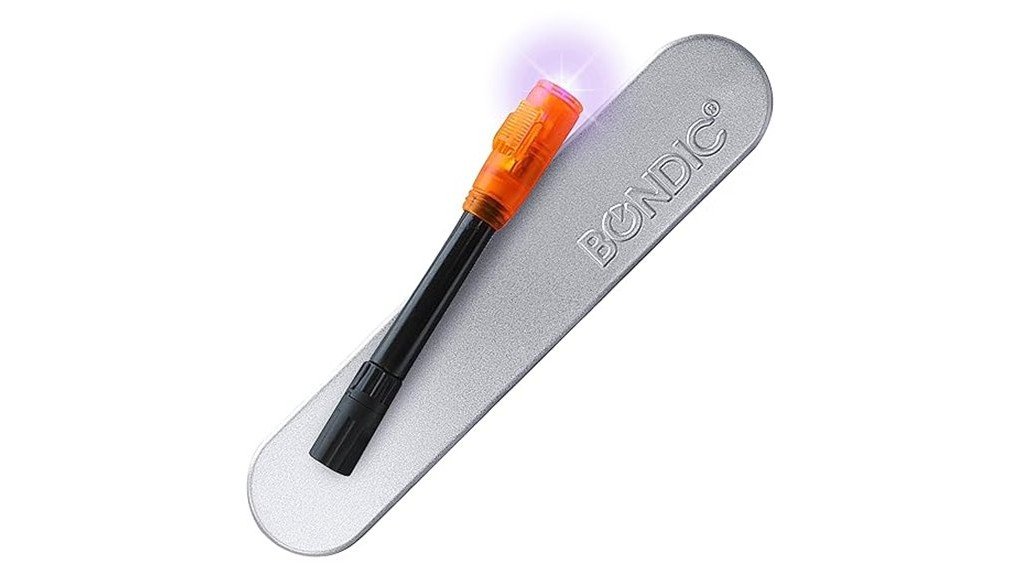
Bondic UV Liquid Plastic Welder Review
Small plastic tabs, cracked housings, loose jewelry parts, and worn cable jackets can be awkward to repair because normal glue starts setting before you finish positioning the pieces. The Bondic UV Liquid Plastic Welder stays liquid until you expose it to the supplied UV LED, so you control when the material hardens. The 4-gram starter kit is best for precise filling, shaping, and reinforcement rather than large load-bearing repairs. This review explains where that control helps, where UV access limits the repair, and what you should know before buying.
Quick Verdict
Rating: 8/10, recommended with caveats
Best For: Precise household, hobby, jewelry, cable-jacket, and small plastic repairs that remain visible to UV light.
Bottom Line: Bondic gives you more placement and shaping control than fast-setting glue, and the cured material can be built up in thin layers. Its main tradeoff is that every layer must receive direct UV light, so it is not suitable for hidden joints or major structural repairs.
Key Specifications
| Specification | Detail |
|---|---|
| Brand | BONDIC |
| Amazon-listed model / part number | BONDICBOGOBULK |
| ASIN | B00QU5M4MG |
| Product type | UV-curing liquid plastic repair system |
| Cartridge quantity | One 4-gram liquid-plastic cartridge |
| Curing method | Supplied 6-volt BONDIC UV LED |
| Typical cure time | About 4 to 5 seconds per properly exposed thin layer |
| Maximum layer thickness | Up to 1 to 1.5 mm per cured layer |
| Compatible surfaces | Common uses include plastic, metal, wood, ceramic, rubber, leather, fabric, and similar repair surfaces; results depend on preparation and joint design |
| Finish after curing | Clear; can be filed, sanded, shaped, drilled, primed, or painted |
| Moisture resistance | Fully cured material is waterproof |
| Temperature guidance | About -30°C to 120°C; strength can decrease near the upper limit |
| Kit contents | Liquid-plastic cartridge, UV LED, LED clip, and metal storage box |
| Storage | Keep closed in the metal box, away from sunlight and heat |
What Is the Bondic UV Liquid Plastic Welder?
Bondic is a pen-style UV repair system that dispenses clear liquid plastic from a 4-gram cartridge. Unlike cyanoacrylate super glue, the liquid remains workable until you shine the included UV LED on it. That lets you align a part, fill a crack, rebuild a small edge, or form a reinforcing bead before curing.
The starter kit includes the cartridge, UV LED, clip, and metal case. BONDIC describes the product as a controllable repair and modeling material, not a universal substitute for instant adhesive. It works best when the liquid can flow into scratches, holes, undercuts, or rough areas that give the cured plastic a mechanical grip.
Who Should Buy It?
Best For
- DIY users repairing exposed plastic tabs, cracks, housings, knobs, or small missing edges.
- Model makers, crafters, and jewelry users who need time to position or shape material before it hardens.
- Toolbox or travel-kit users who want a compact system for controlled, low-stress repairs.
Skip If
- Your repair is hidden from UV light or trapped between two opaque parts.
- You need a certified structural, high-current electrical, high-heat, or safety-critical repair.
- You need an adhesive approved for food-contact or mouth-contact surfaces.
Before You Buy: Bondic cannot cure in a shadowed joint. At least one side of the repair must let the UV light reach the liquid, or the material must remain exposed while each layer is cured.
Feature-by-Feature Review
UV Curing and Working-Time Control
The main advantage is timing control. You can apply the liquid, wipe away excess from a nonporous surface, adjust the parts, and cure only when the shape looks right. The supplied LED typically hardens a thin, fully exposed layer in about 4 to 5 seconds, although angle, LED condition, pigmentation, and layer thickness can affect the result.
This is useful for repairs that need careful alignment. It is less useful for a tight opaque joint because UV light cannot reach liquid buried between the parts. For a simple edge-to-edge bond with perfect mating surfaces, a conventional adhesive may be faster.
Layering, Gap Filling, and Rebuilding
Bondic can fill small cracks and replace minor missing material because you can shape it before curing. The official instructions limit each layer to about 1 to 1.5 mm. Cure every layer separately, then add more material until the repair reaches the needed thickness.
Layering is also how you create a stronger bead around a joint. This makes Bondic more useful for reinforcing a broken tab or rebuilding a chipped corner than for clamping two broad, flat surfaces together. It is still a repair plastic, not a substitute for mechanical fasteners or a rated structural adhesive.
Surface Preparation and Material Compatibility
Clean, grease-free, roughened surfaces give Bondic the best chance to hold. Rubbing alcohol can remove light residue from suitable surfaces, but you should first confirm that the cleaner will not damage the item. Sanding or adding small scratches, holes, or undercuts gives the cured plastic more texture to grip.
The listing and manufacturer materials describe uses on plastic, metal, wood, ceramic, rubber, leather, fabric, and other common repair surfaces. Compatibility does not guarantee equal strength on every material. Flexible parts, oily plastics, smooth glossy surfaces, and high-stress joints may require testing or a different adhesive system.
Finish, Water Resistance, and Temperature Limits
After full curing, the clear repair can be filed, sanded, polished, drilled, primed, or painted. That makes it easier to blend a rebuilt edge or remove a sharp ridge. Outdoor exposure may cause slight yellowing over time, so a visible cosmetic repair may not stay perfectly clear.
The cured material is waterproof, but waterproof does not mean every repaired joint can handle pressure, flexing, or food contact. BONDIC lists a working range of roughly -30°C to 120°C and notes that strength can drop near the upper end. Avoid treating it as a permanent fix for pressurized plumbing, engine-area heat, or other safety-critical conditions.
Kit Design and Portability
The starter kit keeps the 4-gram cartridge, UV LED, clip, and accessories together in a metal box. The narrow applicator tip helps place small drops and trace a bead along a crack. The small quantity is suited to detailed repairs, but repeated gap filling or large builds can use the cartridge quickly.
How It Performs in Real Use
Broken Plastic Tabs and Missing Edges
Bondic is well matched to an exposed tab or chipped plastic edge because you can rebuild the shape in thin layers. Roughen the surrounding area, form the first layer into the damaged section, cure it, then add supporting layers around the base. This approach works better than trying to cure one thick blob.
Jewelry, Models, and Craft Repairs
For decorative pieces, miniatures, and light jewelry components, the controlled cure gives you time to position parts precisely. The clear finish can be shaped after curing, which helps when you need to smooth a bead or prepare it for paint. It is not a substitute for professional jewelry soldering on valuable or load-bearing pieces.
Small Seals and Moisture Exposure
The liquid can line a small exposed crack or hole, then be built up with additional cured layers. Fully cured Bondic is waterproof, so it can suit light sealing tasks when the surface is clean and the joint is not pressurized. A leak involving fuel, drinking water, gas, high pressure, or a critical system needs the correct rated repair method.
Cable Jackets and Low-Voltage Items
Bondic can form a rigid or semi-flexible cover over a damaged outer jacket on some low-voltage items. The manufacturer states that it is not solder and should not be used for high-current work. Replace any cable with exposed conductors, damaged insulation near mains voltage, overheating, or an uncertain safety condition.
How to Use It Correctly
- Clean the repair area. Remove dust, grease, and loose material. Let compatible cleaning products evaporate fully.
- Create texture. Lightly roughen smooth surfaces or add small undercuts when the item allows it.
- Apply a thin layer. Keep each layer at about 1 to 1.5 mm or less.
- Position and shape. Adjust the liquid before curing because it will remain workable away from UV light.
- Cure the full surface. Expose the layer to the supplied UV LED for about 4 to 5 seconds, making sure no area stays in shadow.
- Build strength gradually. Add and cure extra layers separately instead of applying one thick mass.
- Finish the repair. Once fully cured, file or sand rough edges and paint the surface when appropriate.
Pro Tip: Before repairing the final item, cure a small test bead on scrap material. This confirms that the LED reaches the resin, shows how the surface grips, and helps you judge how many thin layers you will need.
Safety and Handling
Uncured UV resin should be handled as a chemical product, not as harmless craft glue. BONDIC’s current safety instructions warn that the liquid may cause an allergic skin reaction and serious eye irritation. Avoid skin and eye contact, work with ventilation, use suitable protective gloves and eye protection, keep the kit away from children, and follow the hazard statements on the package.
Do not stare into the UV LED or point it at anyone’s eyes. The official guide says to keep the lamp at least 25 cm from the eye and limit direct operation to the intended short curing period. Store the cartridge closed in its metal box away from sunlight and heat, and keep uncured resin out of drains and waterways. Review the current BONDIC usage and safety guide before first use.
Pros and Cons
Pros
- You control when the liquid hardens, which helps with positioning and shaping.
- Thin layers can fill cracks, rebuild small missing areas, and reinforce exposed joints.
- The cured material can be sanded, filed, drilled, primed, or painted.
- The 4-gram pen-style cartridge supports precise application with limited mess.
- The supplied UV LED and metal case make the starter kit portable and self-contained.
Cons
- Direct UV access is required for every layer, which rules out many hidden joints.
- Best results require cleaning, roughening, thin layers, and some trial and error.
- The 4-gram cartridge is small for large fills, and the product is not meant for structural or safety-critical repairs.
Is It Worth the Price?
Bondic offers the most value when a repair needs controlled curing, gap filling, or shape rebuilding. You are paying for the UV-activated workflow and reusable LED tool, not simply for a larger quantity of adhesive. For occasional small household, model, and craft repairs, the starter kit can be a smart addition to a toolbox.
It is not the best value for broad surface bonding, routine paper or wood gluing, or repairs that need a large amount of material. Buyers who mainly need instant edge-to-edge adhesion may get better value from a conventional super glue, while demanding plastic repairs may call for a two-part plastic bonder or mechanical reinforcement.
How It Compares to Alternatives
Loctite Super Glue Gel and Gorilla Super Glue Gel are simpler choices for close-fitting parts that need a quick bond without a UV lamp. They do not offer the same working-time control or easy layer-by-layer rebuilding. J-B Weld Plastic Bonder is worth comparing when you need a two-part adhesive for a larger or higher-stress plastic repair and can allow more setup and cure time.
Bondic makes the most sense when you need to place, shape, fill, and cure on command. It makes less sense when the joint is hidden, the repair needs certification, or the parts already fit perfectly and a standard adhesive can do the job more simply.
Frequently Asked Questions
Is Bondic the same as super glue?
No. Bondic is a UV-curing liquid plastic that remains workable until illuminated. It is better suited to filling, shaping, and reinforcing exposed repairs, while super glue is often simpler for close-fitting parts that need instant adhesion.
How long does Bondic take to cure?
A thin, fully exposed layer typically cures in about 4 to 5 seconds with the supplied UV LED. Cure each layer separately and keep layers no thicker than about 1 to 1.5 mm.
Can Bondic cure between two opaque parts?
No. The UV light must reach the liquid. Use Bondic on an exposed joint, or only between parts when at least one side allows the curing light to pass through.
Does Bondic work on every type of plastic?
No repair material bonds equally well to every plastic and surface finish. Clean and roughen the area, create undercuts when practical, and test a small section before relying on the repair.
Is cured Bondic waterproof?
The manufacturer states that fully cured Bondic is waterproof. The repaired joint still needs enough surface grip and reinforcement for the pressure, movement, and load it will face.
Is Bondic safe for food-contact items?
Do not assume that waterproof material is certified for food contact. Avoid food, drink, and mouth-contact repairs unless the current package instructions specifically approve that exact use.
Can you sand or paint Bondic after curing?
Yes. Fully cured material can be filed, sanded, shaped, drilled, primed, and painted. Allow the repair to cure completely before finishing, and avoid removing so much material that you weaken the joint.
How should Bondic be stored, and how long does it last?
Keep the cartridge closed in the supplied metal box away from sunlight and heat. BONDIC states that a protected cartridge has a shelf life of at least one year at room temperature, and the liquid may last longer when stored correctly.
The Bottom Line
The Bondic UV Liquid Plastic Welder is a strong choice for careful, exposed repairs that benefit from shaping and layer-by-layer curing. Buy it for small tabs, cracks, craft parts, jewelry, and light reinforcement; skip it for hidden joints, food-contact items, and structural or safety-critical repairs. Its biggest strength is cure-on-command control, while its biggest limitation is the need for direct UV access.
Ready to Buy?
Check the latest price, seller, and package details before you decide.


