Disclosure: As an Amazon Associate, we earn from qualifying purchases. If you click a link on this page and make a purchase, we may receive a small commission at no extra cost to you.
Hoses and cables often fail first at rub points, bends, and exposed outdoor runs. The 25FT Nylon Protective Sleeve gives you a simple way to add abrasion protection without moving to rigid conduit or bulky guards. This review looks at the 1.25-inch woven nylon sleeve, how it fits real workshop and equipment setups, and where it may not give enough protection. It is a practical sleeve for everyday wear control, but it still needs correct sizing and secure ends to work well.
Quick Verdict
Rating: 8/10 Recommended with caveats
Best For: Hydraulic hose protection, welding cable cover, wiring harness protection, and outdoor equipment cable runs
Bottom Line: The 25FT Nylon Protective Sleeve offers strong everyday abrasion coverage in a flexible, cut-to-length design. It is not a crush-proof conduit, so you should skip it for high-impact zones or sharp unprotected edges.
| Specification | Detail |
|---|---|
| Product | 25FT Nylon Protective Sleeve Sheath Cable Cover |
| Product type | Flexible hose and cable protection sleeve |
| Length | 25 feet, 7.62 meters |
| Round diameter | 1.25 inches, 31.75 mm |
| Flat width | 2 inches, 50.8 mm |
| Material | Heavy-duty tightly woven nylon |
| Color | Black |
| Primary use | Abrasion protection for hoses, cables, and wiring bundles |
| Common applications | Hydraulic hoses, welding cables, TIG torch hose, plasma torch hose, wiring harnesses, chains, and tubing |
| Installation style | Cut to length and slide over compatible hoses or cable runs |
| Environment | Indoor and outdoor use |
| Package note | One 25-foot nylon protective hose sleeve |
| Safety note | Not a rigid conduit, crush guard, or replacement for proper hose routing |
What Is the 25FT Nylon Protective Sleeve?
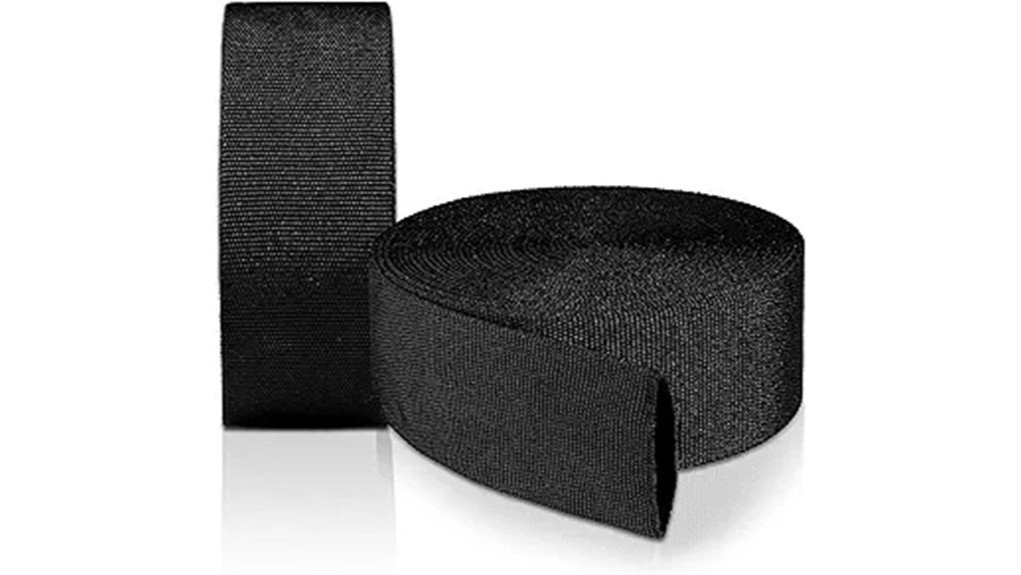
The 25FT Nylon Protective Sleeve is a flexible woven cover made to protect hoses, wiring harnesses, welding cables, and similar lines from surface wear. It gives you a sacrificial outer layer, so the sleeve takes the rubbing instead of the hose or cable jacket.
The sleeve measures 25 feet long with a 1.25-inch round diameter and 2-inch flat width. That size makes it useful for medium hose runs, single large cables, or small bundles that need protection from vibration, friction, weather exposure, and contact with nearby equipment.
This is best viewed as an abrasion sleeve, not a hard protective channel. You can cut it to the length you need, but you still need to route the line safely and secure the ends after installation.
Who Should Buy It?
Best For
- Anyone protecting hydraulic hoses from rubbing against frames, brackets, or nearby hoses
- DIY users and welders who want a flexible cover for welding cables, TIG torch hoses, or plasma torch hose
- Outdoor equipment owners who need added protection for wiring, tubing, or cable runs exposed to moisture and sunlight
Skip If
- You need crush-proof protection from heavy impacts or pinching
- Your hose or cable bundle is too large for a 1.25-inch sleeve
- You need a split-wrap design that can be installed without disconnecting or threading the line through
Material and Build Quality
The sleeve uses tightly woven nylon, which is a good match for abrasion control because it can flex while still resisting scuffs. That matters when hoses move slightly during pressure changes, machine vibration, or tool handling.
The black woven design also helps keep cable runs cleaner and more organized. Instead of leaving several lines exposed, you can cover them with one sleeve and reduce direct contact with rough surfaces.
The tradeoff is that woven nylon does not create a rigid barrier. It can help reduce wear, but it will not stop a hose or cable from being crushed, cut by a sharp edge, or damaged by bad routing.
Fit and Compatibility
The key fit detail is the 1.25-inch round diameter. Before buying, measure the outside diameter of your hose or the full bundle you plan to cover. A sleeve that is too tight can be hard to install and may restrict the line at bends.
The 2-inch flat width gives you a helpful reference when the sleeve is lying flat. For best results, leave enough room for the sleeve to move with the hose instead of stretching it tightly over the line.
It works best on hydraulic hoses, welding cables, wiring harnesses, chains, rods, tubing, and similar equipment where abrasion is the main problem. For high-heat contact points, sharp edges, or moving machine parts, follow your equipment manual and use the proper protective hardware.
Before You Buy: Measure the hose or cable bundle before ordering. A 1.25-inch sleeve can feel too bulky in tight routing spaces and too small for oversized bundles.
Installation and Setup
Installation is simple when you can slide the sleeve over the line before final routing. Cut the sleeve to the length you need, feed the hose or cable through, then position it over the area most likely to rub.
If the hose is already installed, access may be harder because this style is not described as a split sleeve. You may need to disconnect one end of the hose or cable to slide the sleeve into place.
After cutting, secure the ends with clamps, heat-resistant ties, or another suitable fastener for your application. This reduces shifting and helps prevent fraying at the cut edge.
Pro Tip: Add a little extra length at high-friction zones, then secure both ends so vibration does not pull the sleeve away from the wear point.
Protection Performance
The main reason to buy this sleeve is abrasion reduction. It helps protect hoses and cables that rub against metal frames, brackets, other hoses, or rough shop surfaces.
The woven nylon also adds a useful layer against moisture, dust, and outdoor exposure. That can help in irrigation, compressor, trailer, workshop, and equipment applications where bare hoses sit in changing conditions.
It should not be treated as a complete safety shield. If a line is exposed to sharp edges, crushing force, moving chains, or high-pressure burst risk, you should choose protection that matches the hazard and follow professional installation standards.
Compatibility and Safety Notes
This sleeve can improve protection, but it does not fix unsafe routing. Keep hoses away from pinch points, spinning parts, exhaust components, sharp brackets, and areas where the sleeve could snag.
Use the sleeve as an add-on layer over a compatible hose or cable, not as a replacement for the hose’s original jacket, insulation, or manufacturer-required shielding. If you use it on hydraulic equipment, inspect the hose and sleeve regularly for wear, bulging, leaks, or exposed damage.
For welding and torch hose setups, avoid placing any sleeve where it could contact molten metal, direct flame, or temperatures beyond the hose and sleeve rating. Use the product label, tool manual, or a qualified technician’s guidance when safety is uncertain.
How It Performs in Real Use
For Hydraulic Systems
In hydraulic applications, this sleeve is most useful at rub points where a hose touches a frame, another hose, or a bracket. It gives the hose an extra wear layer during vibration and pressure movement.
For Welding Cables and Torch Hoses
For welding cables, TIG torch hoses, and plasma torch hose, the sleeve can reduce scuffing from shop floors, carts, benches, and equipment edges. It also helps keep long cable runs cleaner and easier to manage.
For Automotive Wiring
For automotive wiring harnesses, the sleeve can protect exposed sections under the hood, around chassis areas, or near equipment mounts. You still need to keep wiring away from high heat, sharp metal, and moving parts.
For Outdoor Equipment
For outdoor power equipment, irrigation lines, compressors, and utility setups, the black nylon layer adds practical protection from surface wear and weather exposure. Regular inspection still matters because outdoor conditions can weaken both the sleeve and the hose over time.
Common Mistakes to Avoid
Do not install the sleeve so tightly that the hose cannot bend naturally. A tight sleeve can bunch up, expose gaps, or make routing harder than it needs to be.
Do not leave cut ends unsecured in high-vibration areas. Frayed ends can move, catch, or leave the most important wear point exposed.
Do not use it as a fix for a hose that is already cracked, leaking, swollen, or damaged. Replace damaged hoses first, then use the sleeve to help protect the new installation.
Pros and Cons
Pros
- 25-foot length gives you enough material for long runs or several smaller protection points
- 1.25-inch diameter works for many medium hose, cable, and wiring bundle applications
- Tightly woven nylon helps reduce abrasion from friction, vibration, and repeated contact
- Flexible design is easier to route than rigid conduit in curved or uneven spaces
- Black sleeve improves cable organization while adding outdoor-friendly surface protection
Cons
- Not suitable for crush-proof, cut-proof, or high-impact protection needs
- May require disconnecting a hose or cable because it is not described as a split sleeve
- Cut ends need proper securing to reduce shifting and fraying
Need Hose or Cable Protection?
Check the current product details and confirm the size before you order.
Is It Worth the Price?
This protective sleeve fits the budget-friendly to mid-range category for basic hose and cable protection. You get a full 25-foot length, so the value is strongest when you need to cover more than one rub point or a longer equipment run.
It is a smart buy if your main problem is abrasion from movement, vibration, or outdoor exposure. It gives you practical protection without the cost or installation effort of rigid conduit.
It is not the best fit if you need structural protection from crushing, sharp impacts, or severe industrial hazards. In those cases, a heavier guard, hard conduit, or professional hose protection system may be safer.
How It Compares to Alternatives
Compared with split loom tubing, this nylon sleeve gives better wraparound abrasion coverage and a cleaner fit on flexible hose runs. Split loom is easier to install on existing wiring, but it can open at the seam and may not protect as evenly from rubbing.
Compared with rubber wraps, the nylon sleeve is usually lighter and easier to cut for long runs. Compared with hard conduit, it is more flexible but much less protective against crushing or direct impact.
Frequently Asked Questions
What size hose does the 25FT Nylon Protective Sleeve fit?
The sleeve has a 1.25-inch round diameter and a 2-inch flat width. Measure the outside diameter of your hose or full cable bundle before ordering so the sleeve is not too tight.
Can this sleeve handle outdoor weather conditions?
Yes, the woven nylon design is made for indoor and outdoor protection. It can help shield hoses and cables from abrasion, moisture, dust, and general weather exposure, but you should still inspect it over time.
Can I cut it to size without fraying?
You can cut the sleeve to match your installation length. After cutting, secure the ends with a suitable clamp, tie, or finishing method to help reduce fraying and movement.
Is this sleeve a replacement for rigid conduit?
No, it is not a rigid conduit replacement. It is better for abrasion and surface protection, while rigid conduit is better for crush protection and structured routing.
Can I use it on welding cables?
Yes, the product is suited for welding cables, TIG torch hose, and plasma torch hose protection. Keep it away from direct flame, molten metal, and heat zones that exceed the safe rating of your cable, hose, or sleeve.
Is it reusable after removal?
Yes, you can reuse it if the sleeve is not heavily worn, stretched, burned, or frayed. Remove it carefully and inspect the weave before placing it on another hose or cable.
Who should skip this protective sleeve?
Skip it if your main risk is crushing, sharp cutting, or severe impact. You should also choose another option if you need a split sleeve that installs without disconnecting the hose or cable.
The Bottom Line
The 25FT Nylon Protective Sleeve is a strong practical choice if you need flexible abrasion protection for hoses, welding cables, wiring harnesses, or outdoor equipment runs. Its 25-foot length, 1.25-inch diameter, and woven nylon build make it useful for everyday wear control.
You should skip it if you need crush-proof protection, a split-wrap design, or heavy shielding for severe industrial hazards. For most workshop, automotive, and outdoor cable-management jobs, the 8/10 verdict is fair because it offers useful protection with clear fit and installation limits.