Disclosure: As an Amazon Associate, we earn from qualifying purchases. If you click a link on this page and make a purchase, we may receive a small commission at no extra cost to you.
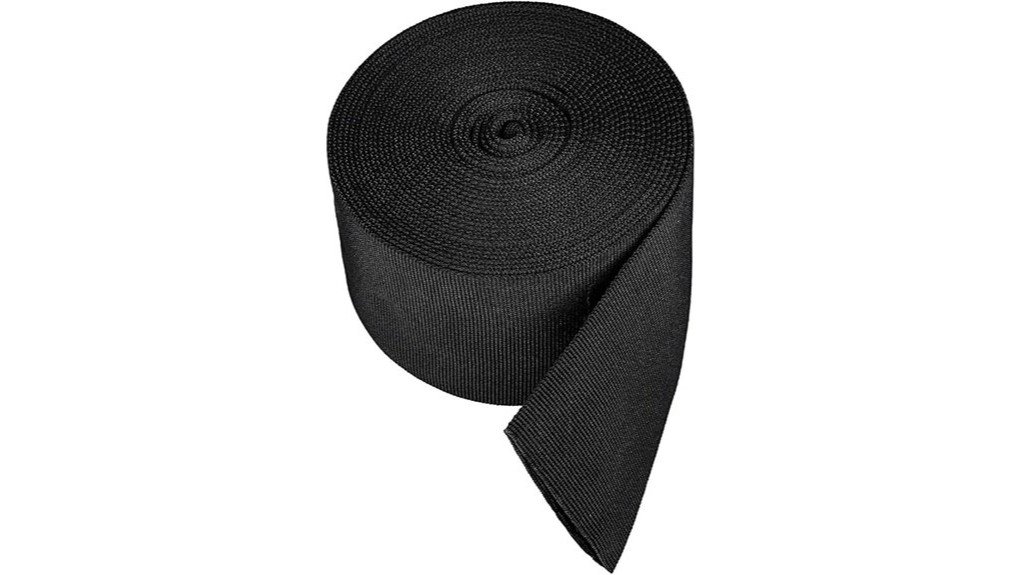
Exposed hoses, welding cables, and wire bundles can wear down fast when they rub against sharp edges, hot work areas, concrete, or moving equipment. The Nylon Protective Hose Sleeve gives you a cut-to-fit protective layer for hydraulic hoses, plasma torch leads, welding cables, and wiring harnesses. Its main strengths are the 25-foot length, 2.25-inch diameter, abrasion-resistant nylon construction, and simple installation. The main limitation is fit: you need to measure your hose or cable bundle first because one sleeve size will not suit every setup.
Quick Verdict
Rating: 8/10, Recommended with caveats
Best For: DIY users, welders, mechanics, and shop owners who need a flexible protective cover for hoses, cables, and wire bundles.
Bottom Line: This sleeve is a practical choice when you want extra abrasion protection without replacing the hose itself. It works best when the 2.25-inch diameter matches your setup, but it is not a substitute for proper hose routing, heat shielding, or routine inspection.
Key Specifications
| Specification | Detail |
|---|---|
| Product type | Protective hose and cable sleeve |
| Length | 25 feet |
| Diameter | 2.25 inches |
| Material | Nylon |
| Design | Cut-to-fit sleeve for hoses, cables, and wire bundles |
| Supported uses | Hydraulic hoses, plasma torch hoses, welding cables, and wiring harnesses |
| Key protection | Abrasion resistance, dust protection, and flame-retardant properties stated in the source article |
| Care note | Hand wash gently with mild soap and water when cleaning is needed |
Key Takeaways
- The 25-foot length gives you enough material to cover multiple shorter sections or one longer hose run.
- The 2.25-inch diameter works best when your hose or cable bundle is measured before purchase.
- Nylon construction helps protect against abrasion, dust, and general shop wear.
- You can cut the sleeve to the length you need, which makes installation flexible for custom setups.
- It suits hydraulic hoses, welding cables, plasma torch hoses, and wiring harnesses, but it should not replace safe routing or proper heat shielding.
What Is the Nylon Protective Hose Sleeve?
The Nylon Protective Hose Sleeve is a protective covering made for hoses, cables, and wiring that face rubbing, dirt, sparks, movement, or rough handling. It is designed as an add-on layer, so you use it over an existing hose or cable instead of replacing the hose itself.
The sleeve measures 25 feet long and has a 2.25-inch diameter. You can cut it to length, which helps when you only need to protect certain wear points, exposed sections, or bundled lines around a machine, vehicle, torch, or workbench.
The article-supported material is nylon, with abrasion-resistant and flame-retardant properties. That makes it useful in demanding work areas, but you should still keep hoses away from direct flame, sharp edges, and unsafe routing paths whenever possible.
Before You Buy: Measure the outside diameter of the hose, cable, or bundle you want to cover. A 2.25-inch sleeve may fit loosely on smaller lines and may not fit over larger bundled hoses.
Who Should Buy It?
Best For
- Welders who want extra cover for plasma torch hoses or welding cables.
- Mechanics and equipment owners protecting hydraulic hoses from rubbing and dust.
- DIY users who need a cut-to-fit sleeve for wire harnesses or shop cable bundles.
Skip If
- You need a verified maximum temperature rating before using it near high heat.
- Your hose bundle is much smaller or larger than the 2.25-inch diameter.
- You need a rigid guard, metal shield, or full heat barrier instead of a flexible nylon sleeve.
Material Quality and Durability
The strongest reason to consider this sleeve is its nylon construction. Nylon is commonly chosen for protective sleeves because it can stay flexible while helping reduce surface wear from rubbing, dragging, and regular handling.
The source article describes the sleeve as abrasion resistant and flame retardant. Those traits matter in shop and fabrication settings because hoses and cables often sit near metal edges, floors, tools, and moving equipment.
Durability still depends on how you use it. If the sleeve rubs against sharp steel, sits against a hot surface, or gets exposed to constant friction, you should inspect it often and replace damaged sections before the hose underneath wears through.
Protection Features and Benefits
| Feature | Why It Matters | Buyer Note |
|---|---|---|
| Abrasion-resistant nylon | Helps protect hoses and cables from surface wear. | Best used where rubbing or dragging is the main concern. |
| Flame-retardant properties | Adds a safety-focused layer for shop and welding environments. | Do not treat it as a direct-flame shield. |
| Soft protective cover | Keeps hoses cleaner and helps reduce direct contact with dust and debris. | Cleaning still requires occasional inspection and wiping. |
| Cut-to-fit length | Lets you cover only the sections that need protection. | Cut carefully and check the edge before use. |
| 2.25-inch diameter | Works for larger hoses or grouped cable runs when the size matches. | Measure first to avoid loose or tight fit issues. |
Fit and Compatibility
The sleeve is most useful when the 2.25-inch diameter matches the hose, cable, or wire bundle you need to cover. For a single small wire, it may feel oversized. For a thick bundle, it may not slide on easily or may restrict movement.
Good fit matters because a sleeve that is too loose can shift around during use. A sleeve that is too tight can be difficult to install and may bunch up around bends, clamps, or couplers.
For hydraulic hoses, plasma torch hoses, and welding cables, focus on the outside diameter of the full run, not just the hose label. Fittings, connectors, couplers, and bundled sections can be wider than the hose itself.
Installation and Setup
Installation is simple because the sleeve can be cut to your desired length. Plan the section you want to protect, measure it, then cut the sleeve slightly longer than the exposed wear area so the ends do not leave the hose edge uncovered.
After cutting, check that the sleeve sits smoothly around the hose or cable. Avoid forcing it over sharp connectors or rough edges that could snag the nylon during installation.
Pro Tip: Cover the full rub zone plus a little extra length on both sides. That helps protect the hose when it moves, flexes, or shifts during normal use.
Applications and User Experience
Versatility is the main appeal of the Nylon Protective Hose Sleeve. You can use it in a shop, garage, fabrication area, repair bay, or equipment setup where hoses and cables need extra protection from wear.
For plasma torch hoses and welding cables, it can help keep lines cleaner and reduce scuffing from floors, tables, and metal edges. For hydraulic hoses, it can help shield exposed runs that rub against nearby parts or brackets.
It also makes sense for wiring harnesses when you want a soft outer layer around grouped wires. Still, it should be used with proper routing, strain relief, and inspection rather than as the only form of protection.
How It Performs in Real Use
For Welding and Plasma Torch Setups
In welding or plasma torch use, hoses and leads often drag across floors, stands, and metal workpieces. This sleeve adds a protective layer that helps reduce direct abrasion on the hose or cable jacket.
For Hydraulic Hoses
Hydraulic hoses can wear where they contact brackets, frames, or other hoses. A cut-to-fit nylon sleeve can help protect those contact points, but you should still correct severe rubbing or poor hose routing when possible.
For Wire Harnesses
When used over wiring harnesses, the sleeve helps keep bundled wires organized and covered. It is most useful in areas where dust, light abrasion, and movement are concerns.
For Long-Term Shop Use
Over time, the sleeve can take surface wear that might otherwise reach the hose or cable. Inspect it as part of your regular maintenance routine, especially around bends, high-contact points, and cut edges.
Compatibility and Safety
This sleeve adds protection, but it does not make unsafe hose placement safe. Keep hoses and cables away from open flame, moving parts, pinch points, sharp edges, and surfaces that exceed the product’s safe use range.
The source article mentions flame-retardant properties, but it does not provide a verified maximum temperature rating. If your setup involves high heat, hot slag, direct sparks, or critical hydraulic equipment, follow the equipment manufacturer’s guidance and use the correct heat protection for that environment.
You should also inspect the hose underneath the sleeve. A cover can reduce surface wear, but it can also hide damage if you never check beneath it.
Cleaning and Maintenance
For light cleaning, hand wash the nylon sleeve with mild soap and water. Avoid harsh chemicals because they can affect the material or leave residue on hoses and cables.
Let the sleeve dry before placing it back into service. During cleaning, check for frayed edges, thin spots, burns, heavy abrasion, or debris trapped between the sleeve and the hose.
Maintenance is simple, but it should not be ignored. Replace the sleeve section if it becomes badly worn because the goal is to protect the hose before damage reaches the hose jacket.
Pros and Cons
Pros
- 25-foot length gives you flexible coverage for multiple sections or one longer run.
- 2.25-inch diameter works well for larger hoses or grouped cables when measured correctly.
- Nylon material helps protect against abrasion, dust, and normal shop wear.
- Cut-to-fit design makes installation easier for custom hose and cable layouts.
- Useful across hydraulic, welding, plasma torch, and wiring applications.
Cons
- No verified maximum temperature rating was provided in the source article.
- The 2.25-inch size may not fit every hose, cable, or bundle.
- It adds protection, but it does not replace safe routing, proper clamps, or a dedicated heat shield.
Is It Worth the Price?
The Nylon Protective Hose Sleeve is worth considering if you need a practical add-on layer for hoses, cables, or wire bundles. Its value comes from the 25-foot length, cut-to-fit design, and broad use across shop and equipment setups.
It makes the most sense for buyers who care about abrasion protection and cleaner cable management. If you only need to cover one small wire or you need a verified heat barrier for extreme temperatures, this may not be the best fit.
Because current pricing can change, compare the cost against the amount of sleeve you actually need. A 25-foot roll offers better value when you can use most of the length across several wear points.
How It Compares to Alternatives
Compared with spiral wrap, this nylon sleeve gives broader continuous coverage around a hose or cable bundle. Compared with a rigid guard, it stays more flexible and easier to cut for custom lengths.
If your main concern is high heat, a fiberglass heat sleeve or a dedicated heat shield may be better to compare. If your main concern is daily abrasion, dust, and shop wear, this Nylon Protective Hose Sleeve is a practical option when the size fits.
Frequently Asked Questions
What size hose will this nylon sleeve fit?
The sleeve has a 2.25-inch diameter, so it works best when your hose or cable bundle is close to that size. Measure the outside diameter of the full bundle, including fittings or grouped lines, before you buy.
Can I cut the sleeve to a shorter length?
Yes. The 25-foot length can be cut to match the section you want to protect. Cut carefully, check the edge, and leave enough extra length to cover the full rub zone.
Is it suitable for welding cables or plasma torch hoses?
The source article lists welding cables and plasma torch hoses as suitable applications. Use it as an abrasion and cleanliness sleeve, but do not place it in direct flame or treat it as a complete heat shield.
Can this sleeve be used outdoors?
It can be used in outdoor work settings when it fits the application, but the source article does not provide a verified UV rating. Inspect it more often if it sees sun, moisture, dirt, or rough jobsite use.
What is the maximum temperature resistance?
The source article mentions flame-retardant properties but does not provide a verified maximum temperature rating. For high-heat environments, check the product label or manufacturer guidance before use.
How do I clean the nylon hose sleeve?
Hand wash it gently with mild soap and water. Avoid harsh chemicals, then let the sleeve dry before putting it back over the hose or cable.
Who should skip this sleeve?
Skip it if you need a confirmed heat rating, a rigid guard, or a sleeve size that is much smaller or larger than 2.25 inches. It is also not the right fix for hoses that are already damaged or routed unsafely.
The Bottom Line
The Nylon Protective Hose Sleeve is a smart buy for everyday hose, cable, and wiring protection when the 2.25-inch diameter fits your setup. Its main strength is flexible, cut-to-fit abrasion protection, while its main limitation is the lack of verified maximum temperature and brand-specific data in the source article.
Buy it if you need a practical sleeve for hydraulic hoses, welding cables, plasma torch hoses, or wiring harnesses. Skip it if you need a certified heat barrier, a rigid shield, or a different sleeve size.