Disclosure: As an Amazon Associate, we earn from qualifying purchases. If you click a link on this page and make a purchase, we may receive a small commission at no extra cost to you.
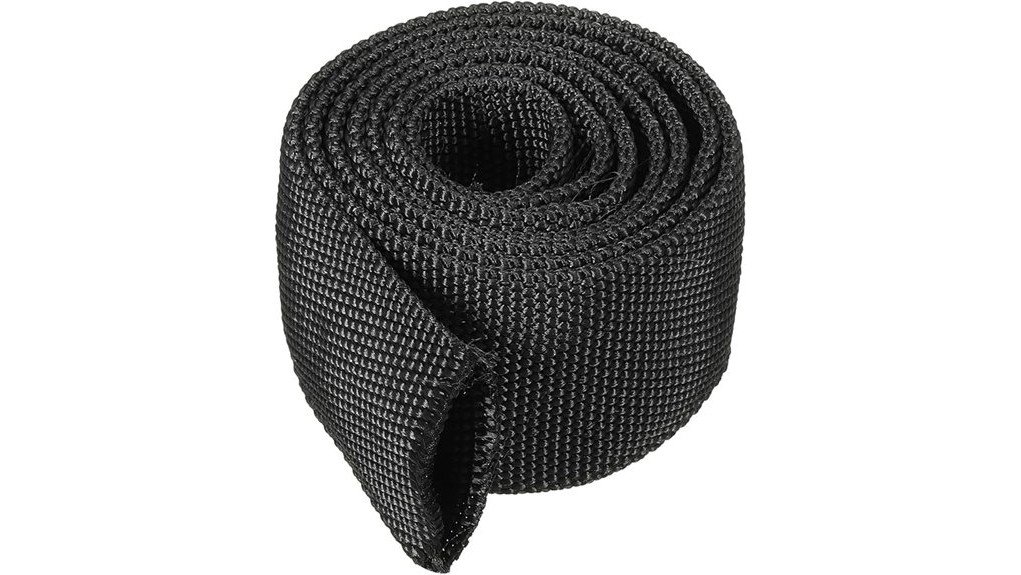
Hose abrasion can turn an otherwise serviceable line into something that needs early replacement. The PATIKIL Hose Sleeve gives you a simple nylon barrier around hoses that may rub against nearby parts, edges, equipment, or other hoses. This version measures about 28mm in diameter and 3.3 feet long, making it better suited to shorter hose runs than large installations. Its main strength is flexible abrasion protection, while its main limitation is that you still need to confirm the size and protection requirements of your specific setup before buying.
Quick Verdict
Rating: Recommended with caveats
Best For: Short hydraulic, pneumatic, fuel, or coolant hose runs that need an added layer against rubbing and abrasion.
Bottom Line: The flexible nylon construction makes this sleeve easy to route around bends while adding a sacrificial layer over your hose. The 3.3-foot length and lack of a stated numerical temperature rating mean you should confirm fit and operating conditions carefully.
| Specification | Detail |
|---|---|
| Brand | PATIKIL |
| Product Type | Protective hose sleeve |
| Material | Nylon |
| Nominal Diameter | 28mm, approximately 1.1 inches |
| Flat Width | Approximately 1.8 inches |
| Length | 3.3 feet |
| Design | Flexible sleeve that can follow bends and corners |
| Compatible Hose Types | Hydraulic, pneumatic, fuel, and coolant hoses |
| Primary Protection | Added barrier against abrasion, rubbing, and cuts |
| Typical Uses | Automotive, construction, and agricultural equipment |
What Is the PATIKIL Hose Sleeve?
The PATIKIL Hose Sleeve is a flexible nylon cover that goes around an existing hose. It does not replace the hose itself. Instead, it adds an outer layer between the hose and surfaces that could rub, scrape, or cut it during operation.
This version has a nominal 28mm diameter and a length of 3.3 feet. When laid flat, the sleeve is approximately 1.8 inches wide. Its flexible construction helps it follow curved hose routing instead of forcing you to keep the protected section completely straight.
You can use it with several hose categories listed for the product, including hydraulic, pneumatic, fuel, and coolant hoses. That makes the basic design useful across automotive, construction, and agricultural applications where exposed hose sections may contact surrounding equipment.
Key Takeaways
- The sleeve uses flexible nylon to add an outer protective layer around an existing hose.
- Its nominal diameter is 28mm, or about 1.1 inches, with a total length of 3.3 feet.
- The material is intended to reduce direct abrasion and cutting damage to the hose underneath.
- It can follow bends and corners, but you still need to measure the actual hose and fittings before ordering.
- The sleeve is an add-on protector, not a repair for a leaking, cracked, weakened, or otherwise unsafe hose.
Who Should Buy It?
Best For
- You have a short hose section that repeatedly rubs against nearby parts or surfaces.
- You need a flexible cover for hydraulic, pneumatic, fuel, or coolant hose routing.
- You want an added sacrificial layer without replacing a hose that is otherwise in good condition.
Skip If
- Your required protected run is significantly longer than 3.3 feet.
- You need a specifically certified fire-resistant or temperature-rated sleeve.
- Your existing hose is already leaking, cracked, swollen, or structurally damaged.
Before You Buy: Measure the outside diameter of the hose section you actually plan to cover, including any bundled lines where applicable. The 28mm nominal size should not be assumed to fit every hose simply because the hose itself is described as small.
Key Features of the PATIKIL Hose Sleeve
Flexible Nylon Construction
The sleeve is made from nylon rather than a rigid protective tube. That flexibility matters when your hose passes around a corner or follows an uneven route. A rigid cover may require more clearance, while a flexible sleeve can conform more closely to the existing path.
Flexibility also makes installation less complicated on accessible hose sections because you can work the sleeve over gradual curves. You should still avoid forcing it across oversized fittings or creating a fit so tight that the sleeve or hose is under unnecessary stress.
28mm Diameter and 3.3-Foot Length
The nominal diameter is 28mm, which is roughly 1.1 inches. The original product information also describes the sleeve as approximately 1.8 inches wide when flat. These dimensions make sizing one of the most important checks before you order.
The 3.3-foot length is practical when you need to protect one localized section. It is less convenient for long hose assemblies because you may need a longer sleeve or another protection method rather than joining several short pieces.
Abrasion and Cut Protection
The main reason to use the PATIKIL sleeve is to put a protective layer between the hose and damaging contact points. If a hose repeatedly touches a bracket, frame member, tool, or another line, the nylon sleeve takes that surface contact before it reaches the hose wall directly.
This does not make the underlying hose immune to damage. You should continue inspecting both the sleeve and hose because heavy rubbing can eventually wear through a protective layer as well.
Benefits of Using the PATIKIL Hose Sleeve
A replaceable sleeve can help reduce direct wear on more important hose surfaces. That is especially useful where routing cannot completely eliminate occasional contact with surrounding components.
The sleeve is also adaptable to several hose types. The article identifies hydraulic, pneumatic, fuel, and coolant hoses as suitable applications, so you are not limited to one narrow type of equipment.
Its flexible design is another practical benefit. You can cover curved sections rather than protecting only straight hose runs. The 3.3-foot size also makes it manageable for localized protection without leaving a large amount of unused sleeve.
The product information describes the sleeve as a barrier against abrasion, cuts, chemical exposure, and harsh environmental conditions. You should treat those points as added protection rather than proof of universal chemical or temperature resistance because no numerical chemical-resistance or operating-temperature specification is provided in the article.
Installation Tips for Optimal Protection
Measure Before Cutting
Measure both the hose diameter and the length of the area that needs protection. Also look at fittings, couplers, bends, clamps, and other sections that could be wider than the basic hose body.
If you plan to cut the sleeve, mark the required length before installation. Leaving a small amount of extra coverage can be useful around bends, but excessive loose material can interfere with nearby parts.
Cover the Entire Wear Area
Slide the sleeve over the hose gently and position it so the known contact or abrasion point sits well inside the protected section. Do not stop the sleeve directly at the point where rubbing occurs because movement could expose the hose later.
Once positioned, check the hose through its normal range of movement. Make sure the sleeve does not bunch up, pull tight, or interfere with fittings and moving components.
Secure the Ends Carefully
The original installation guidance allows the ends to be secured with suitable ties or clamps to reduce slippage. Any securing method should be appropriate for the hose and should not crush, pinch, kink, or damage the line underneath.
Pro Tip: After installing the sleeve, mark its intended position or note where each end sits. During later inspections, you can quickly see whether vibration or movement has caused it to slide away from the wear point.
Compatibility and Safety
A protective sleeve is only one part of proper hose protection. You should never use it to hide or compensate for a damaged hose. If the hose is leaking, cracked, swollen, deeply abraded, kinked, or otherwise unsafe, address the hose problem first.
The product description refers to protection from harsh environmental factors and temperature exposure, but it does not provide a numerical temperature rating in the article. For that reason, you should not treat this nylon sleeve as a certified fire sleeve or assume that it is suitable for direct flame or every high-heat location.
The same caution applies to chemicals. An outer sleeve can reduce direct exposure, but it does not establish compatibility with every fluid or chemical. Follow the requirements for the hose, equipment, and working environment when chemical exposure is a concern.
How It Performs in Real Use
For Automotive Hose Routing
In an automotive application, the sleeve makes the most sense where a hose passes near a bracket, body edge, or another component that could create repeated rubbing. Its flexibility lets you protect a curved section without substantially changing the hose path.
For Hydraulic and Pneumatic Equipment
Hydraulic and pneumatic hoses may move or vibrate during equipment operation. Placing a sleeve over a known contact area gives the hose an additional layer that can take some of that abrasion. You still need regular inspections because the protector itself can eventually show wear.
For Construction or Agricultural Equipment
Equipment used around dirt, tools, moving components, and exposed structures can put hoses in demanding locations. A short protective sleeve is useful when the vulnerable area is concentrated in one section rather than spread across a long hose assembly.
For Long-Term Use
The sleeve should be treated as a wear item rather than something you install and forget. Periodically inspect it for fraying, cuts, displacement, heat damage, or contamination. If the sleeve becomes badly worn, replace it and inspect the hose underneath before returning the equipment to normal use.
Cleaning and Maintenance
Routine maintenance is simple because the main task is visual inspection. Check that the sleeve remains centered over the original contact point and that the ends have not moved enough to expose the hose.
If dirt or residue prevents you from inspecting the sleeve, clean it using a method appropriate for the nylon material and the equipment around it. Avoid applying an unverified solvent or cleaner simply because the underlying hose can tolerate it.
If you remove the sleeve and it remains structurally intact, the original article indicates that it may be reused. Before reinstalling it, check for worn areas that could reduce protection during the next use.
Pros and Cons
Pros
- Flexible nylon construction follows bends more easily than a rigid cover.
- Provides an added barrier against rubbing, abrasion, and cuts.
- 28mm nominal diameter gives you a defined size to compare with your hose.
- Compatible with several listed hose categories, including hydraulic, pneumatic, fuel, and coolant lines.
- Can be cut to suit shorter protected sections.
Cons
- The 3.3-foot length may be too short for long hose runs.
- You need to measure carefully because one nominal diameter will not fit every setup.
- No numerical temperature limit or specific chemical-resistance rating is stated in the article.
Is It Worth the Price?
The PATIKIL Hose Sleeve is a simple protective accessory rather than a complete hose-protection system. Its value is strongest when you have one short, clearly identified abrasion point and the 28mm size fits your hose correctly.
It is worth considering if adding a replaceable nylon barrier could reduce direct wear on an otherwise serviceable hose. The main tradeoff is limited coverage: at 3.3 feet long, it is not the best fit when you need to protect a long assembly or several widely separated areas.
You should also compare the current cost with longer sleeves if you expect to cover multiple sections. Buying the correct size and length matters more than choosing a sleeve simply because its initial price looks attractive.
How It Compares to Alternatives
Compared with rigid split-loom tubing, a flexible nylon sleeve is better suited to hose sections that need to bend naturally. Split loom can make more sense when you are organizing wires or cables and want a more structured outer shell.
Spiral hose guards are another option when you want a harder external barrier or need protection that can be wrapped around an installed line. A purpose-built fire sleeve is the more appropriate category when your application specifically requires verified heat or flame protection. The PATIKIL sleeve makes the most sense when flexible abrasion protection is your main concern.
Frequently Asked Questions
What size hose is this PATIKIL sleeve designed for?
The sleeve has a nominal diameter of 28mm, which is about 1.1 inches, and is approximately 1.8 inches wide when flat. Measure the actual area you need to cover rather than relying only on the hose’s advertised size.
Can the sleeve be cut to a shorter length?
Yes. The original product information supports cutting the sleeve to customize the protected length. Measure first and leave enough material to keep the full wear area covered during normal hose movement.
Can you reuse the PATIKIL Hose Sleeve?
The sleeve may be reused if it remains intact after removal. Inspect it for fraying, cuts, heat damage, or other wear before putting it back into service.
Can it be used with fuel and coolant hoses?
Fuel and coolant hoses are among the applications listed for the sleeve, along with hydraulic and pneumatic hoses. You still need to verify that the sleeve fits correctly and that the complete installation meets the requirements of your equipment.
Is the sleeve safe for extreme heat or direct flame?
The article describes protection from harsh environmental conditions but does not give a numerical operating-temperature or flame-resistance rating. Do not treat it as a certified fire sleeve unless the current manufacturer information specifically confirms that requirement for your application.
Can this sleeve repair a worn or leaking hose?
No. It is an external protective sleeve, not a structural hose repair. A hose that is leaking, cracked, swollen, badly abraded, or otherwise unsafe should be repaired or replaced according to the equipment manufacturer’s requirements.
The Bottom Line
The PATIKIL Hose Sleeve is worth considering when you need flexible abrasion protection over a short hose section and the 28mm nominal size matches your setup. Its nylon construction, 3.3-foot length, and ability to follow bends make it practical for localized protection, but buyers who need verified flame resistance, a specific temperature rating, or much longer coverage should choose a product designed for those requirements.
Ready to Buy?
Check the latest price, dimensions, and current product details before you decide.