Disclosure: As an Amazon Associate, we earn from qualifying purchases. If you click a link on this page and make a purchase, we may receive a small commission at no extra cost to you.
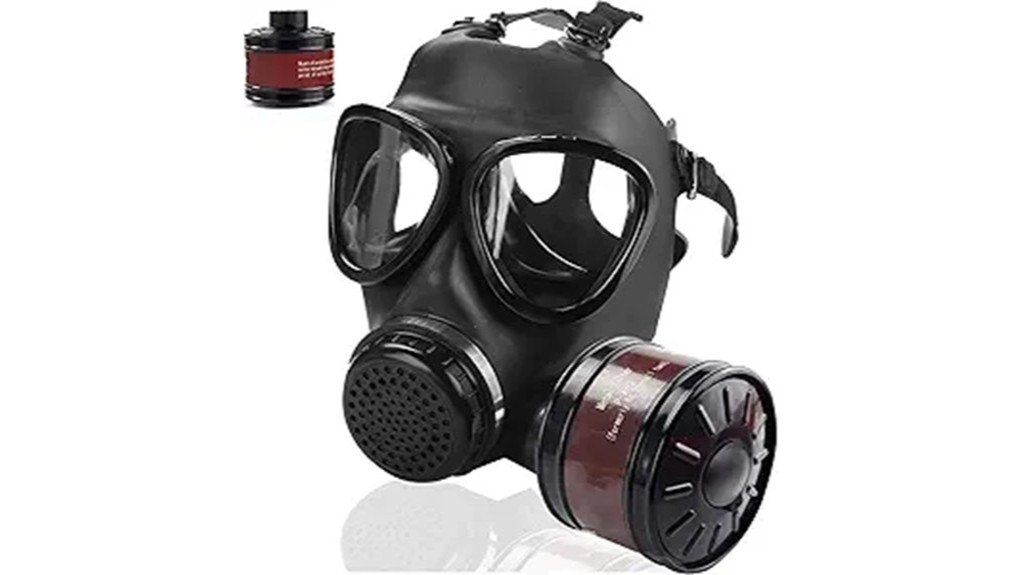
Choosing a gas mask is not the same as buying ordinary safety gear. Fit, filter type, face seal, visibility, and correct use all affect how much protection you can expect. This gas mask is presented as an emergency and work-use option with a six-point adjustable headband, large polycarbonate lenses, a 40mm activated carbon filter, an exhalation valve, and a talking diaphragm. This review helps you decide where it makes sense, where it falls short, and what you should confirm before trusting it in a serious hazard.
Quick Verdict
Rating: 7/10, Recommended with caveats
Best For: Emergency kits, workshop tasks, paint or chemical odor concerns, and buyers who want a full-face mask design with a 40mm filter connection.
Bottom Line: This gas mask offers useful article-supported features, including a full-face design, adjustable headband, wide lenses, and a 40mm activated carbon filter. The main tradeoff is verification: no brand, certification, fit-test data, or exact listing specs could be confirmed, so you should treat it as a preparedness item unless the seller provides documentation that matches your hazard.
Before You Buy: Do not rely on any gas mask for oxygen-deficient spaces, firefighting, unknown chemical releases, or professional hazardous work unless it is certified, fit-tested, paired with the correct filter, and approved by a qualified safety professional.
Key Takeaways
- This gas mask is built around a full-face design with large polycarbonate lenses, a six-point adjustable headband, an exhalation valve, a talking diaphragm, and a 40mm activated carbon filter.
- The 40mm filter format can be useful because many respirator filters use this style, but thread compatibility does not prove that a filter protects against every gas, vapor, particle, or emergency hazard.
- Fit matters as much as filtration. Facial hair, poor strap adjustment, glasses that break the seal, or the wrong face size can reduce protection.
- The mask is best viewed as a cautious emergency-preparedness or workshop-support item unless you can verify certification, filter rating, and seller documentation.
- Children and smaller faces need special care because a mask that does not seal correctly cannot provide reliable protection.
Key Specifications
| Specification | Detail |
|---|---|
| Product type | Full-face gas mask |
| Filter style | 40mm activated carbon filter, based on the source article |
| Head harness | Six-point adjustable headband |
| Lens material | Large polycarbonate lenses |
| Lens features | Described as anti-fog and anti-scratch |
| Airflow feature | Large exhalation valve |
| Communication feature | Talking diaphragm |
| Best use | Emergency preparedness, certain workshop tasks, spray painting, chemical-handling support, and backup respiratory protection planning |
| Filter shelf-life note | The source article states a typical 5-year shelf life for the activated carbon filter, depending on storage conditions |
| Safety note | Certification, exact contaminant rating, brand, model, and warranty were not verified from a reliable current listing |
What Is the Gas Mask?
This product is a full-face gas mask designed to cover your eyes, nose, and mouth while pulling air through a 40mm activated carbon filter. The source article highlights a six-point adjustable headband, large polycarbonate lenses, anti-fog and anti-scratch lens features, a large exhalation valve, and a talking diaphragm.
The main appeal is simple: you get a full-face layout that aims to combine respiratory protection, eye coverage, and clearer communication than a basic half-face respirator. That can make it more useful for emergency kits, paint odor concerns, dusty jobs, chemical handling support, or backup preparedness.
The main limitation is just as important. A gas mask only helps when the face seal fits you, the filter matches the hazard, the filter is still usable, and the product documentation supports the job you need it to do.
Who Should Buy It?
Best For
- Preparedness-minded buyers who want a full-face mask for an emergency kit.
- Workshop users who want eye and breathing coverage for certain dust, odor, paint, or chemical-adjacent tasks.
- Buyers who prefer a six-point adjustable headband and a larger lens area over a basic half-face mask.
Skip If
- You need verified NIOSH approval, workplace compliance, or documented protection against a specific chemical.
- You have facial hair, eyewear, or face-shape issues that may prevent a tight seal.
- You need protection for oxygen-deficient spaces, unknown atmospheres, firefighting, or high-risk rescue work.
Key Features of the Gas Mask
The strongest features are the full-face layout, six-point adjustable headband, and large polycarbonate lenses. A full-face mask can be more useful than a half-face respirator when your eyes also need coverage from irritants, splashes, or airborne particles.
The six-point headband helps you tighten the mask more evenly across your head. That matters because an uneven fit can create small gaps around the face seal, especially near the cheeks, chin, or nose bridge.
Lens Visibility and Face Coverage
The large polycarbonate lenses give you a wider viewing area than small round eye ports. The source article describes the lenses as anti-fog and anti-scratch, which can help during longer use, storage, or work in humid conditions.
You should still treat lens clarity as something to inspect before each use. Scratches, haze, loose seals, or fogging can make the mask harder to use during a stressful situation.
Airflow and Communication
The large exhalation valve is designed to move exhaled air out of the mask and reduce heat buildup. That can improve comfort during short tasks, especially when you need to wear the mask while moving or speaking.
The talking diaphragm is another practical feature. It will not make speech sound completely natural, but it can help other people understand you better than a sealed facepiece with no speech feature.
Pro Tip: Before you store the mask in an emergency kit, put it on in a safe, clean area and practice tightening the straps, checking the seal, and speaking through the diaphragm. A mask you have never fitted is harder to use under pressure.
Filter and Cartridge Performance
The article-supported filter detail is a 40mm activated carbon filter. Activated carbon can help adsorb certain gases and vapors, while the full filter assembly may also include particulate protection depending on its construction and rating.
Do not assume that any 40mm filter protects against every hazard. A filter must match the contaminant, concentration, exposure time, and intended use. For serious workplace hazards, you need verified documentation that names the specific rating and use limits.
The source article states a typical five-year shelf life for the activated carbon filter, depending on storage conditions. Treat that as a reason to check packaging, date markings, seals, and storage history before relying on the filter.
Fit, Seal, and Comfort
Fit is the most important buying factor. A full-face gas mask can have a strong filter and still fail if air leaks around the seal. The six-point headband gives you more adjustment points, but it cannot fix every face-shape mismatch.
If you wear prescription glasses, check whether the temples interfere with the face seal. Standard glasses often pass through the seal area, which can create a leak. Some respirator systems use prescription lens inserts, but this article did not verify that this mask includes or supports one.
Facial hair can also interfere with the seal. If hair sits under the sealing surface, the mask may not sit tightly enough against your skin.
Applications and Use Cases
This gas mask fits best as a preparedness and task-support item rather than a guaranteed solution for every chemical or nuclear concern. It may be useful for emergency planning, chemical spill awareness, dusty cleanup, spray painting, and certain workshop situations when the filter matches the hazard.
For professional industrial safety, your employer or safety officer should confirm the hazard, filter type, fit-testing requirements, maintenance schedule, and certification status. A consumer listing alone should not replace a written respiratory protection plan.
For emergency preparedness, the mask can be part of a broader kit that includes sealed replacement filters, gloves, eye-safe cleaning supplies, instructions, batteries for other gear, and local emergency guidance. A mask by itself does not replace evacuation, shelter instructions, or full protective clothing when skin exposure is a concern.
How It Performs in Real Use
For Emergency Backup Use
The full-face design, head harness, and 40mm filter format make this mask more complete than a basic dust mask for emergency storage. The limitation is that stored filters can age, seals can deform, and documentation can get lost, so you should inspect the mask and filter before relying on it.
For Workshop and Painting Tasks
The mask may help with certain workshop irritants, spray-painting odor concerns, and airborne particles when the filter is suitable for the task. Check the product label and filter rating before use, especially around solvents, fumes, or strong chemical vapors.
For Chemical-Handling Support
The full-face coverage can help when both breathing protection and eye coverage matter. Still, chemical work requires more than a mask. You may need gloves, protective clothing, ventilation, spill controls, and a filter rated for the exact chemical.
For Storage and Long-Term Readiness
Storage quality affects readiness. Keep the mask away from direct sunlight, heat, crushing pressure, dust, and moisture. Store filters sealed until needed, and replace expired or damaged filters before use.
How to Use It Correctly
- Inspect before use: Check the lens, face seal, straps, valves, filter threads, and filter packaging.
- Confirm the filter: Match the filter to the hazard instead of assuming all 40mm filters work the same way.
- Adjust evenly: Tighten the headband in small steps so the mask sits centered on your face.
- Check the seal: Follow the manufacturer’s seal-check instructions before entering any risky area.
- Leave if you notice problems: Exit the area if you smell or taste contaminants, feel increased breathing resistance, notice leakage, or feel unwell.
- Clean after safe use: Use mild soap and water only when allowed by the product instructions, then let all parts dry fully before storage.
Safety and Limitations
This product touches your face and affects the air you breathe, so you should be conservative. Do not use it in oxygen-deficient spaces, unknown atmospheres, fires, confined spaces, or any environment where a safety professional would require supplied air or self-contained breathing equipment.
Do not treat the phrase “nuclear and chemical” as a guarantee. A respirator may protect your breathing zone only when the filter, face seal, exposure level, and use conditions match the hazard. Some chemical, biological, radiological, or nuclear incidents also involve skin, eye, surface, or clothing contamination that a mask alone cannot solve.
If you plan to use any respirator for paid work, follow your workplace respiratory protection rules. That can include medical evaluation, fit testing, training, approved filters, cleaning schedules, and documented maintenance.
Customer Support and Service Options
Customer support matters more with gas masks than with many other Amazon products. You may need help confirming filter compatibility, replacement filter availability, storage instructions, cleaning limits, and certification claims.
Before buying, check whether the seller clearly answers questions about the mask body, filter rating, thread type, shelf life, included accessories, and replacement parts. If the listing gives vague answers or cannot document the filter’s intended hazards, that is a reason to pause.
Good support should help you identify the right replacement filter and explain what the mask is not designed to handle. Poor support can leave you guessing, which is not acceptable for safety-related gear.
Pros and Cons
Pros
- Full-face design helps cover your eyes, nose, and mouth in one mask.
- Six-point adjustable headband gives you more control over fit than a simple strap setup.
- Large polycarbonate lenses support better visibility during emergency or workshop use.
- 40mm activated carbon filter format gives the mask a common filter-style starting point.
- Talking diaphragm and exhalation valve improve communication and comfort compared with simpler sealed masks.
Cons
- Brand, exact model, certification status, and full filter rating were not verified.
- May not seal correctly on smaller faces, children, facial hair, or users wearing standard glasses.
- Not suitable for oxygen-deficient, unknown, firefighting, or high-risk professional atmospheres without proper approval and fit testing.
Is It Worth the Price?
This gas mask can be a strong value for the price if you need a full-face emergency-preparedness mask with article-supported features like a 40mm activated carbon filter, large lenses, adjustable headband, exhalation valve, and talking diaphragm.
It makes the most sense for buyers who care about emergency readiness, basic workshop support, and practical storage. It is not the best fit if you need documented workplace compliance, a verified brand, a specific certification, or confirmed protection against a named chemical.
Because safety gear depends on fit and documentation, the best value comes from buying the mask only after checking the current listing, filter details, replacement filter availability, and return policy.
How It Compares to Alternatives
Compared with basic dust masks or disposable respirators, this full-face gas mask gives you more face coverage and eye protection. That makes it more useful for preparedness kits and certain messy workshop tasks.
Compared with professional full-face respirators from established safety brands such as 3M, MSA, or Honeywell, this mask has a bigger verification gap. If compliance, fit testing, and certified protection matter most, compare it with a documented NIOSH-approved respirator system before buying.
Frequently Asked Questions
Can this gas mask protect against every chemical threat?
No. A gas mask only protects against hazards that match the filter rating, fit, and use conditions. Confirm the exact filter type and contaminant rating before relying on it for any chemical hazard.
Is the 40mm activated carbon filter enough for emergency use?
The 40mm activated carbon filter is a useful article-supported feature, but it is not enough by itself to prove emergency protection. You should check the filter label, expiration date, sealed condition, and listed hazards.
Can I wear this gas mask with prescription glasses?
Standard prescription glasses may interfere with the face seal if the temples pass under the mask edge. Check whether the seller offers compatible lens inserts or another safe vision option before relying on the mask.
Is this gas mask suitable for children or smaller faces?
The source article does not verify child sizing or smaller-face compatibility. A poor seal can reduce protection, so children and smaller users need a mask designed and tested for their face size.
How long can I wear the gas mask comfortably?
Comfort depends on face shape, strap tension, breathing resistance, heat, humidity, and the task. If breathing becomes difficult, the seal leaks, or you feel dizzy or unwell, leave the area and remove the mask only when safe.
How should I clean and store it?
Follow the manufacturer’s instructions first. In general, keep the mask dry, avoid harsh chemicals on the facepiece or lens, let cleaned parts dry fully, and store sealed filters away from heat, moisture, sunlight, and crushing pressure.
Who should skip this gas mask?
Skip it if you need verified workplace compliance, a confirmed NIOSH-approved system, or protection for unknown atmospheres. You should also skip it if you cannot get a reliable face seal because of facial hair, glasses, face size, or comfort issues.
The Bottom Line
This gas mask is worth considering if you want a full-face emergency-preparedness option with a 40mm activated carbon filter, adjustable headband, large lenses, exhalation valve, and talking diaphragm. It is best for cautious backup planning and certain workshop tasks, not for unverified professional hazards, oxygen-deficient spaces, firefighting, or unknown chemical releases.
The main strength is its full-face feature set. The main limitation is verification, so check the current listing, filter documentation, sizing, and certification details before you decide.