
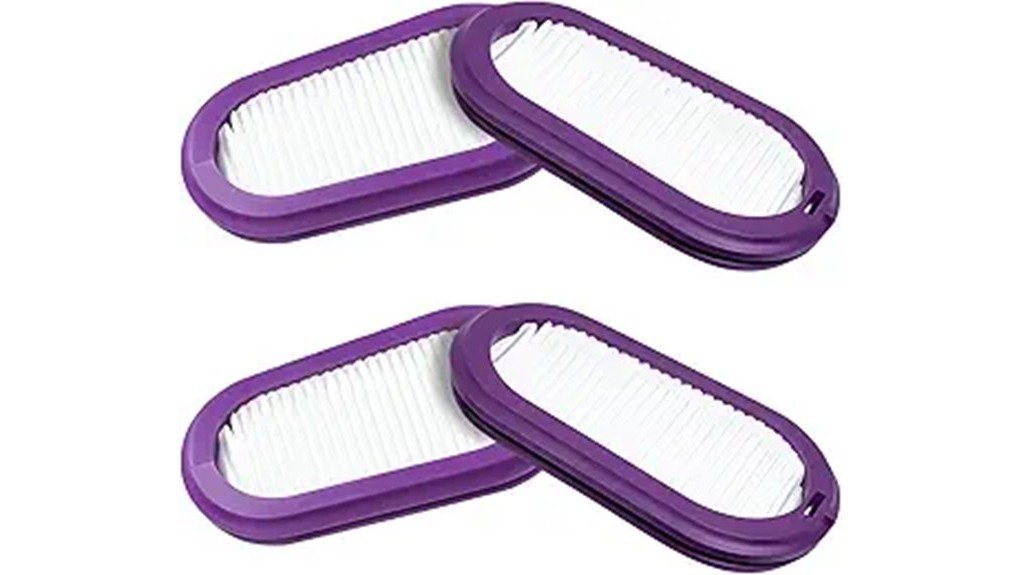
GVS Elipse P100 Welding Filters Review
By Garage Welding | Last updated: June 13, 2026
The GVS Elipse P100 welding filters are replacement filters for compatible GVS Elipse respirators, including the SPR321 and SPR451 models mentioned in the original listing copy. They are designed to help reduce exposure to airborne particles during welding-related work, including dust, smoke, and fumes.
Verdict
The GVS Elipse P100 welding filters make the most sense for users who already own a compatible GVS Elipse respirator and want replacement particle filters for welding prep, grinding, cleanup, or similar dusty work. The key buyer check is compatibility. Confirm your respirator model and the current Amazon listing details before ordering.
Key Specs
| Specification | Detail |
|---|---|
| Brand | GVS |
| Product Type | Replacement P100 welding filters |
| ASIN | B0FJ1Y8KWF |
| Compatible Models Mentioned | GVS Elipse SPR321 and SPR451 respirators |
| Filter Rating | P100 particle filtration rating as described by the product name |
| Best Use | Reducing exposure to airborne particles during welding-related tasks, grinding, sanding, and shop cleanup |
| Maintenance | Inspect regularly and replace when airflow drops, breathing resistance increases, or the filter is damaged or dirty |
What Is This Product?
The GVS Elipse P100 welding filters are replacement filters made for compatible GVS Elipse respirators. Their job is to help filter fine airborne particles that may be present during welding and metalworking tasks.
These are not a full respirator by themselves. They are filter replacements. You still need the correct compatible GVS Elipse mask body for them to seal and work as intended.
Who It Is For
These filters are a good fit for welders, hobby fabricators, and shop users who already use a compatible GVS Elipse respirator. They are especially useful for tasks that create airborne dust, smoke, or fine particles.
They also suit users who prefer a compact respirator setup instead of a larger cartridge-style mask, as long as the filter and respirator model match.
Who Should Skip It
Skip these filters if your respirator is not a compatible GVS Elipse model. Filters that do not fit correctly can leak and reduce protection.
You should also skip them if your work requires protection from gases, vapors, or specific chemical fumes that a particle-only P100 filter is not designed to handle. Check the current Amazon listing, product label, and respirator instructions before using them for hazardous work.
Compatibility and Installation
Compatibility is the most important detail with these filters. The original article identifies the GVS Elipse SPR321 and SPR451 models as compatible options. Before buying, compare your respirator model number with the current Amazon listing and the respirator manual.
Installation should be simple if the filter matches the respirator. Seat the filter in the correct opening and make sure it is aligned evenly. A loose or crooked fit can reduce protection.
After installation, check the respirator seal before starting work. If airflow feels blocked or the mask does not seal correctly, stop and inspect the filter and mask body.
Key Features
- P100 particle filtration: The product name identifies these as P100 filters, which are intended for fine particle filtration when used with the correct respirator.
- Designed for GVS Elipse respirators: The filters are made for compatible GVS Elipse models, including SPR321 and SPR451 as listed in the original article.
- Compact replacement format: The low-profile filter design helps keep the respirator setup compact during work.
- Welding-related use: These filters are intended to help reduce exposure to airborne particles created during welding and nearby shop tasks.
- Replaceable design: Users can replace the filters as they load up with particles or show signs of wear.
Real-World Use
In a welding shop, these filters are most useful for jobs that produce visible dust, smoke, and fine particles. That can include welding prep, grinding, sanding, metal cleanup, and general fabrication work.
Filter life depends on the work area, particle load, and how often the respirator is used. Replace the filters when breathing resistance increases, airflow drops, the filters look dirty, or the respirator instructions say replacement is needed.
Do not wash or soak the filters unless the manufacturer instructions clearly allow it. For most users, the safer approach is to keep the respirator body clean, inspect the filters often, and replace filters when performance changes.
Pros and Cons
Pros
- Made for compatible GVS Elipse respirators, including SPR321 and SPR451 models mentioned in the article
- P100 particle filter rating is suited to fine airborne particle protection when used correctly
- Compact replacement filter design keeps the respirator setup low profile
Cons
- Only useful if you already have a compatible GVS Elipse respirator
- Particle filters are not a substitute for the correct cartridges or controls when gases or vapors are present
- Exact filter life depends on work conditions, so users must inspect and replace them as needed
Is It Worth the Price?
The GVS Elipse P100 welding filters are worth considering if they fit your existing respirator and your work creates fine airborne particles. The value comes from keeping a compatible mask usable without replacing the entire respirator.
They are less useful if you need a complete mask setup or protection beyond particle filtration. In that case, compare the full respirator system, not just the replacement filters.
Alternatives to Consider
If these filters are not the right match for your respirator, compare them with other welding respirator options before buying.
- 3M 2097 P100 filters: A common P100 filter option for compatible 3M respirators.
- Miller LPR-100 respirator replacement filters: A welding-focused option for users with the Miller LPR-100 system.
- GVS Elipse P100 respirator kit: A better choice if you need the mask body and filters together instead of replacement filters only.
Frequently Asked Questions
How Long Do the Filters Last Before Needing Replacement?
There is no single fixed lifespan for every shop. Replace the filters when breathing resistance increases, airflow drops, the filters look contaminated, or the respirator instructions call for replacement. Heavy dust and smoke can shorten filter life.
Are These Filters Suitable for Both Indoor and Outdoor Use?
They can be used indoors or outdoors when fitted to a compatible respirator and used for the right particle hazards. Indoor welding still needs proper ventilation. A respirator filter should not be the only safety control in a poorly ventilated work area.
Can These Filters Be Used With Other Respirator Brands?
No. Use them only with compatible GVS Elipse respirators. Filters from one brand or system usually do not seal correctly on another brand’s respirator.
How Do I Properly Clean and Maintain the Filters?
Do not soak or wash the filters unless the manufacturer instructions clearly say it is safe. Keep the respirator body clean, inspect the filters before use, and replace filters that are dirty, damaged, wet, or harder to breathe through.
What Is the Shelf Life of Unused Filters?
The original article claimed a five-year shelf life, but that detail was not verified from the supplied HTML. Check the filter packaging, expiration date, or current Amazon listing before relying on stored filters.
Do These Filters Protect Against Welding Fumes?
P100 filters are designed for airborne particles. Welding work can also involve gases, vapors, coatings, and other hazards. Match the respirator setup to the actual material, process, and ventilation conditions before use.
Final Verdict
The GVS Elipse P100 welding filters are a practical replacement option for users with compatible GVS Elipse respirators. They are best for particle filtration during welding-related shop work, grinding, and cleanup.
The main buying advice is simple: confirm your respirator model, confirm the current Amazon listing details, and replace filters when airflow or condition changes. If your work involves gases, vapors, or unknown coatings, check the safety data and use the correct respiratory protection for that hazard.


