Disclosure: As an Amazon Associate, we earn from qualifying purchases. If you click a link on this page and make a purchase, we may receive a small commission at no extra cost to you.
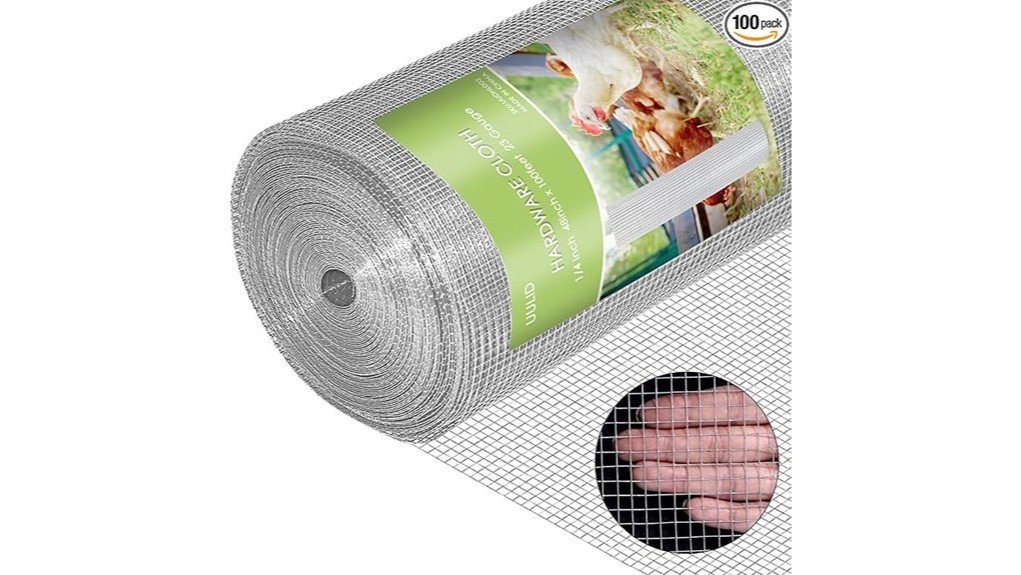
Small animals, garden pests, and weak fencing gaps can turn a simple outdoor project into a constant repair job. The Hardware Cloth 1/4 Inch is built for buyers who need a tighter mesh barrier than basic chicken wire can provide. Based on the article-supported details, it uses heavy-duty hot-dipped galvanized steel, a double zinc coating, 1/4 inch openings, and a large 48 inch by 100 foot roll size. This review explains where it works best, what to check before buying, and when a different type of mesh may make more sense.
Quick Verdict
Rating: Recommended with caveats
Best For: Garden protection, small animal enclosures, chicken or rabbit fencing, welded cages, and rodent barrier projects.
Bottom Line: This 1/4 inch hardware cloth is a strong choice if you need a tight galvanized steel mesh for outdoor barriers. The main tradeoff is that you must cut, fasten, and finish the edges carefully because wire mesh can leave sharp ends after trimming.
| Specification | Detail |
|---|---|
| Product type | Hardware cloth wire mesh |
| Opening size | 1/4 inch mesh openings |
| Roll size | 48 inches wide by 100 feet long |
| Material | Heavy-duty hot-dipped galvanized steel |
| Coating | Double zinc coating for rust resistance |
| Best use | Garden protection, animal enclosures, welded cages, rodent barriers, and temporary fencing |
| Outdoor suitability | Article-supported weatherproof design for rain, snow, and humidity exposure |
| Package note | Reinforced cardboard packaging with sealed ends is stated in the source article |
| Return note | 30-day return guarantee stated in the source article |
What Is the Hardware Cloth 1/4 Inch?
The Hardware Cloth 1/4 Inch is a galvanized steel wire mesh roll designed for projects that need a tighter barrier than wide-gap fencing. The 1/4 inch openings are the key feature because they help block small animals and pests while still allowing airflow and visibility through the mesh.
The source article describes the roll as 48 inches wide and 100 feet long, which gives you enough material for larger garden beds, coop runs, cage panels, storage barriers, and repair sections. Its hot-dipped galvanized steel construction and double zinc coating are meant to resist rust during outdoor use.
This is not a decorative screen or a soft indoor fabric. It is a practical barrier material that works best when you cut it cleanly, anchor it tightly, and inspect it over time for rust, sagging, or loose fasteners.
Before You Buy: Measure your project area before ordering. A 48 inch by 100 foot roll is useful for larger jobs, but it can be harder to handle in tight spaces, and cut wire edges can be sharp if they are not bent back, capped, or secured.
Who Should Buy It?
Best For
- Garden owners who need a tight mesh barrier against small pests.
- Chicken, rabbit, and small animal enclosure projects that need galvanized wire protection.
- DIY buyers building cages, storage barriers, or temporary fencing from a large roll.
Skip If
- You need a soft, flexible screen for decorative indoor use.
- You do not have proper cutting tools, gloves, fasteners, or a safe place to unroll the mesh.
- You need a finished pet cage with covered edges, a door, and hardware included.
Overview of Hardware Cloth Features
The main feature is the 1/4 inch mesh opening. This small opening size helps make the cloth useful for garden protection and small animal barriers where larger wire gaps may let pests squeeze through.
The roll size also matters. At 48 inches wide and 100 feet long, it is better suited to medium and larger projects than small patch repairs. You can cut it down for raised beds, enclosure sides, cage doors, or barrier strips, but you should plan your cuts before unrolling the full length.
The hot-dipped galvanized steel construction gives the mesh its strength, while the double zinc coating supports rust resistance. Those details make it more suitable for outdoor use than plain untreated steel wire.
Durability and Weather Resistance
Outdoor wire mesh has to deal with rain, humidity, soil contact, and changing temperatures. This hardware cloth is described as heavy-duty hot-dipped galvanized steel, which is a useful material choice for fencing and barrier projects that stay outside.
The double zinc coating is the part that helps protect the steel from corrosion. That does not mean the mesh is maintenance-free. Any cut edge, scraped coating, buried section, or high-moisture area can wear faster than a protected surface.
For best results, inspect the mesh after installation and after harsh weather. Look for loose staples, bent corners, rust spots, and areas where the wire has started to sag. A taut panel is usually harder for animals to push under or pull loose.
Materials and Safety Notes
Because this product is made from galvanized steel wire, safe handling is important. Wear gloves when cutting or shaping the mesh, and use eye protection if you are trimming panels with wire cutters or tin snips. Freshly cut wire ends can scratch skin, snag clothing, or injure pets if they are left exposed.
If you use it around animals, check all edges and corners. Fold sharp points away from the animal side, secure the mesh with enough fasteners, and avoid leaving loose wire tails where a pet or livestock animal could catch a foot, beak, mouth, or fur.
For garden use, avoid creating raised wire edges in walking paths. If the mesh is used near food storage areas as a rodent barrier, make sure it is firmly anchored so animals cannot push around the edges.
Pro Tip: After cutting a panel, run a gloved hand near the edge without pressing hard. If you feel sharp points, fold the edge over, cover it with trim, or place that side away from pets and high-contact areas.
Versatile Applications for Different Needs
The Hardware Cloth 1/4 Inch is most useful when you need a firm barrier with small openings. It can help protect garden beds, separate small animal spaces, reinforce coop openings, or block access to storage areas where rodents may enter.
Common article-supported uses include:
- Animal enclosures for small pets and livestock
- Garden protection against pests and intruders
- Welded cage projects for secure habitats
- Rodent barriers around food storage areas
- Temporary fencing for events, repairs, or short-term projects
The 100 foot length gives you flexibility across multiple jobs. You can use one roll for several smaller projects, but the roll should be stored carefully so it does not bend, kink, or unwind in a garage or shed.
Installation and Setup Tips
Start by measuring the full height and length of the area you want to cover. Add extra material for overlap, fastening points, bends, and buried edges if your project requires ground protection.
Use wire cutters or tin snips for trimming. For installation, pliers, a staple gun, fence staples, screws with washers, or other project-appropriate fasteners can help hold the mesh flat against wood frames or posts. Choose fasteners based on the surface, load, and outdoor exposure.
Keep the mesh taut while attaching it. Loose hardware cloth can bow outward, sag, or create gaps at the corners. If you are building an enclosure, check the bottom edge carefully because animals often push at ground-level openings first.
How It Performs in Real Use
For Garden Protection
The 1/4 inch openings make this hardware cloth a practical option for raised beds, plant barriers, and garden perimeter sections. It can help protect plants while still allowing light and airflow through the mesh. For best results, secure the bottom edge so pests cannot lift it or slip underneath.
For Chicken and Rabbit Fencing
The galvanized steel build is useful for coop openings, rabbit pens, and small animal barrier panels. The mesh should be attached to a strong frame, not used as a loose curtain. Always check for sharp edges and weak fastening points before placing animals near it.
For Rodent Barrier Projects
The small openings make this material more useful than wide-gap fencing for blocking small entry points. It can be used near food storage areas, sheds, or utility spaces where you want a physical barrier. The key is to fasten every edge because rodents often exploit gaps around the mesh, not just the mesh face.
For Long-Term Outdoor Use
The hot-dipped galvanized steel and double zinc coating support long-term outdoor performance. Still, outdoor conditions vary. Areas with constant moisture, soil contact, or scraped coating may need more frequent inspection and touch-up decisions.
Pros and Cons
Pros
- 1/4 inch openings help block smaller pests better than wide-gap fencing.
- 48 inch by 100 foot roll size supports larger garden, enclosure, and barrier projects.
- Hot-dipped galvanized steel construction adds strength for outdoor use.
- Double zinc coating supports rust resistance in rain, snow, and humidity.
- Useful for several DIY jobs, including cages, garden beds, fencing, and rodent barriers.
Cons
- Cut edges can be sharp and need careful finishing around people or animals.
- The large roll size may be harder to handle for small indoor projects.
- Performance depends on proper fastening, taut installation, and regular inspection.
Packaging, Delivery, and Return Information
The source article states that the product uses reinforced cardboard packaging with sealed ends. That matters because hardware cloth can arrive bent or damaged if the roll is not protected well during shipping.
The article also mentions a 30-day return guarantee. Before ordering, check the current Amazon listing for the most recent return window, seller details, and package condition notes. Return policies can vary by seller, order type, and shipping method.
Warranty details are described as available upon request in the source article, but full warranty terms are not listed in the article body. If warranty coverage matters for your project, confirm the current details before purchase.
Maintenance and Care
Hardware cloth lasts longer when it stays tight, clean, and properly anchored. After installation, check the mesh for sagging, rust marks, loose fasteners, and bent sections. Pay extra attention to corners, cut edges, ground contact points, and areas that animals push against.
If you use the mesh outdoors, inspect it after storms or seasonal temperature changes. Soil, moisture, and repeated bending can stress the coating over time. Replace sections that become badly rusted, broken, or weak enough for an animal to bend.
Is It Worth the Price?
This hardware cloth is worth considering if you need a large roll of tight-opening galvanized steel mesh for outdoor projects. The 48 inch by 100 foot size gives it better value for buyers who have more than one barrier, cage, garden, or fencing job to complete.
Its value depends on how much of the roll you will use. If you only need a small patch, a shorter roll may be easier to manage and may reduce leftover material. If you need wider coverage, the large roll size can be a smart buy for everyday DIY and homestead use.
The main limitation is that this is raw mesh material, not a complete enclosure kit. You still need tools, fasteners, a frame or mounting surface, and careful edge finishing.
How It Compares to Alternatives
Compared with basic chicken wire, 1/4 inch hardware cloth offers smaller openings and a firmer barrier. Chicken wire can be easier to bend, but it usually has larger gaps and may not be the better choice for blocking small pests.
Compared with vinyl-coated mesh, galvanized hardware cloth focuses more on steel strength and rust resistance than a smoother coated finish. Compared with welded wire fencing, this product makes more sense when small openings matter more than wide coverage with larger gaps.
Frequently Asked Questions
Can this hardware cloth be used for indoor projects?
Yes, it can be used indoors for utility projects, storage barriers, vents, or cage-style builds. It is still galvanized steel wire, so you should cover sharp edges and avoid using it where people or pets may rub against exposed cut ends.
Is 1/4 inch hardware cloth good for garden protection?
Yes, the 1/4 inch openings make it useful for garden barriers where smaller pests are a concern. Secure the bottom edge well, because many animals try to enter under the barrier instead of through the mesh.
Is it safe to use around pets?
It can be used around pets when it is installed correctly and all sharp edges are secured. Check the mesh often for loose fasteners, bent wire, and exposed cut points, especially in enclosures where animals may push or chew at the barrier.
How do you cut the hardware cloth?
Use tin snips or wire cutters, and wear gloves and eye protection. Cut slowly along your marked line, then bend or cover the trimmed edge so it does not leave sharp points exposed.
What tools are recommended for installation?
Wire cutters, pliers, gloves, eye protection, and a staple gun are common tools for hardware cloth projects. Depending on the surface, you may also need fence staples, screws with washers, wood framing, or posts.
Does the cloth need extra treatment before outdoor use?
The source article describes it as hot-dipped galvanized steel with a double zinc coating, so extra treatment is not required for normal use. Still, cut edges and scraped areas may wear faster, so inspect the mesh over time.
Who should skip this hardware cloth?
Skip it if you need a finished enclosure kit, a soft decorative screen, or a small pre-cut panel. This is a large roll of wire mesh, so it works best for buyers who are ready to measure, cut, fasten, and finish the material themselves.
The Bottom Line
The Hardware Cloth 1/4 Inch is a good fit if you want a tight galvanized steel mesh for gardens, animal barriers, rodent protection, or larger DIY fencing projects. Its strongest points are the 1/4 inch openings, 48 inch by 100 foot roll size, and hot-dipped galvanized steel construction.
You should skip it if you need a ready-made enclosure or a soft material with finished edges. For buyers who can cut and install wire mesh safely, it is a practical and versatile choice with clear outdoor utility.