Disclosure: As an Amazon Associate, we earn from qualifying purchases. If you click a link on this page and make a purchase, we may receive a small commission at no extra cost to you.
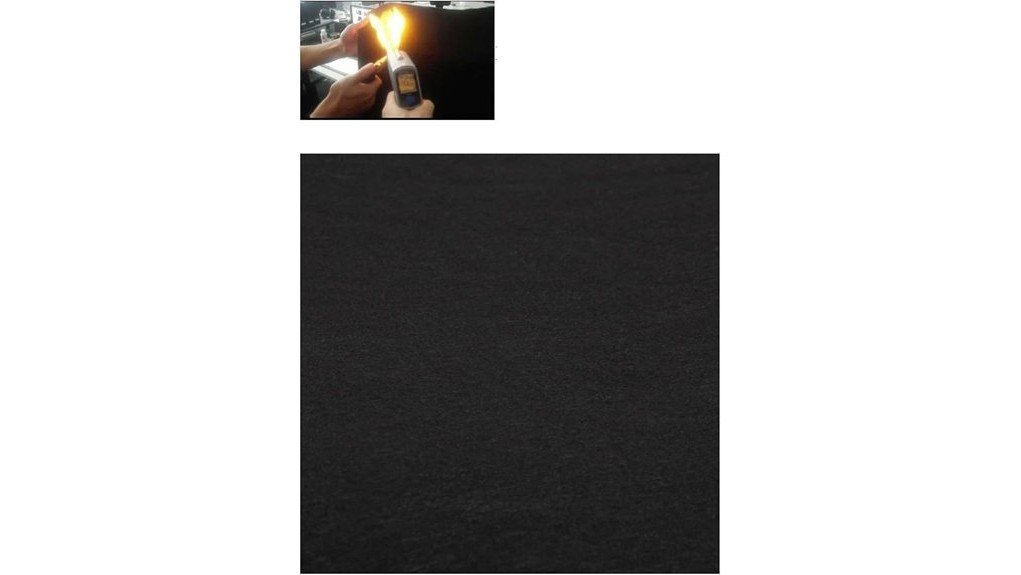
Hot sparks, spatter, and radiant heat can damage nearby surfaces fast when you weld, braze, grind, or work around high heat. This high-temperature welding blanket is designed to give you a protective carbon fiber barrier for shop benches, equipment, and surrounding work areas. Its main strengths are the listed 2000°F radiant heat resistance, 1000°F reflective heat rating, and thick 6mm build. The tradeoff is simple: you still need to choose the right size and use it as a protective barrier, not as a substitute for safe welding practices.
Quick Verdict
Rating: 8.2/10, Recommended with caveats
Best For: Welders, fabricators, DIY metalworkers, and repair users who need a reusable heat barrier for sparks, spatter, and radiant heat.
Bottom Line: This welding blanket makes sense if you want a thick carbon fiber blanket with strong listed heat protection and several size choices. It is not a cure-all safety shield, so you still need the correct size, careful placement, and normal welding precautions.
| Specification | Detail |
|---|---|
| Product Type | High-temperature welding blanket |
| Amazon ASIN | B06X9JV7YJ |
| Material | Carbon fiber fabric |
| Listed Radiant Heat Rating | Up to 2000°F |
| Listed Reflective Heat Rating | Up to 1000°F |
| Thickness | 6mm |
| Fabric Weight | 21 oz/sq. yd |
| Size Options | 12" x 12", 18" x 24", 24" x 36", and 36" x 36" |
| Best Use | Shielding surfaces, tools, nearby equipment, and work areas from sparks, spatter, debris, and radiant heat |
| Care Note | Hand wash gently with mild soap when needed, inspect for damage, and store dry |
| Support and Warranty | Source article lists lifetime warranty and 24/7 customer support |
Key Takeaways
- The blanket uses carbon fiber fabric and a 6mm thickness for heat-barrier use around welding work.
- The listed heat protection includes up to 2000°F radiant heat resistance and up to 1000°F reflective heat resistance.
- Four size options give you coverage choices for small bench work, equipment shielding, and larger surface protection.
- The 21 oz/sq. yd fabric weight describes the material weight, not the finished weight of every size.
- It works best when you use it as a protective barrier and still follow safe welding setup, ventilation, and fire-watch practices.
What Is the High-Temperature Welding Blanket?
The high-temperature welding blanket is a protective fabric barrier made for heat-heavy work areas. You can use it to drape over equipment, cover nearby surfaces, or place between a heat source and an area you want to protect.
The source article describes the blanket as carbon fiber fabric with a 6mm thickness and a 21 oz/sq. yd fabric weight. Those details matter because welding blankets need both heat resistance and enough body to stay useful around sparks, spatter, and debris.
This blanket is most useful when you need flexible coverage instead of a fixed welding screen. It is easier to move than a rigid panel, but you still need to place it correctly and avoid using a small size where a larger shield is needed.
Who Should Buy It?
Best For
- Welders who need a reusable barrier for sparks, spatter, and radiant heat.
- DIY metalworkers who want to protect benches, floors, tools, or nearby equipment.
- Repair users who need a blanket that can be moved between different work areas.
Skip If
- You need a rigid welding screen, full enclosure, or permanent fire-rated wall barrier.
- You cannot choose a size large enough to cover the surface or equipment you want to protect.
- You need verified brand, certification, or finished weight details before buying.
Materials and Heat Protection
The main material listed for this welding blanket is carbon fiber fabric. Carbon fiber fabric gives the blanket a flexible structure while supporting high-heat use around welding, brazing, grinding, and similar shop tasks.
The article-supported heat ratings are up to 2000°F for radiant heat and up to 1000°F for reflective heat. That makes the blanket useful for shielding nearby surfaces from heat exposure, but you should not treat any welding blanket as unlimited protection against direct flame, molten metal buildup, or poor worksite safety.
The 6mm thickness adds a practical layer between the heat source and the protected surface. Thicker material can help when sparks and debris are part of the job, although the blanket still needs to sit flat and cover the full risk area.
Size Options and Coverage
The blanket comes in four listed sizes: 12" x 12", 18" x 24", 24" x 36", and 36" x 36". The smallest size fits compact protection needs, while the larger sizes make more sense for benches, panels, equipment, and wider work zones.
Size selection matters more than many buyers expect. A blanket that barely covers the work area can leave edges exposed to sparks, spatter, and heat. For welding protection, it is usually safer to choose a size that extends beyond the expected spark path.
Before You Buy: Check the actual area you need to cover before choosing a size. A small blanket can be useful for focused bench work, but it may not protect enough area for larger welding, grinding, or equipment-shielding jobs.
Performance in High-Temperature Environments
The high-temperature welding blanket is built for demanding heat exposure, especially when you need protection from radiant heat, sparks, and hazardous debris. Its carbon fiber fabric and listed 6mm thickness help it serve as a barrier between the work and the surface behind it.
For welding tasks, the blanket can help protect workbenches, nearby parts, painted surfaces, and tools from spatter damage. It can also be draped over equipment when you need a temporary shield, as long as the placement does not create a ventilation or fire hazard.
The blanket is lightweight enough to move between jobs, which makes it useful for mobile repair and changing shop layouts. Still, lightweight handling does not mean careless use. You should inspect the blanket before each job and replace it if you notice holes, thinning, stiff burned areas, or damage that could reduce protection.
How It Performs in Real Use
For Welding Bench Protection
On a welding bench, the blanket can create a protective layer between sparks and the surface below. The 6mm thickness is useful when you need more than a thin cloth barrier for small fabrication or repair work.
For Shielding Nearby Equipment
The blanket can be draped over equipment or nearby items that need temporary protection from spatter and radiant heat. Make sure the blanket does not cover vents, block airflow, trap heat inside powered equipment, or touch moving parts.
For Floor and Surface Coverage
The larger size options can help protect floors, panels, and surrounding work surfaces. For best results, the blanket should cover beyond the work zone because sparks can travel farther than expected.
For Outdoor or Mobile Work
The source article describes the blanket as suitable for outdoor use. In real work, that makes it useful for mobile repairs, but you should keep it dry during storage and avoid leaving it exposed to rain, mud, or contaminants after the job.
How to Use It Correctly
Start by choosing a size that fully covers the area at risk. Place the blanket flat when possible, and avoid folds that can expose gaps or create uneven heat protection. If you drape it vertically, secure it in a way that prevents slipping during work.
Keep the blanket between the heat source and the surface you want to protect, but do not place it where it blocks ventilation or traps heat around equipment. After use, let the blanket cool before handling, cleaning, folding, or storing it.
Pro Tip: Measure the full spark and spatter zone, not just the weld joint. Choose a blanket size that extends past the edges of your work area so the corners and nearby surfaces are not left exposed.
Safety and Material Notes
This welding blanket is designed for heat protection, but it does not remove the need for welding safety gear, ventilation, clean work surfaces, and fire prevention. You should keep flammable liquids, paper, sawdust, rags, and other combustibles away from the work area before you start.
Do not assume the blanket is undamaged after heavy use. Inspect it for tears, holes, burned-through spots, and stiff areas that may no longer protect evenly. A damaged blanket can give you a false sense of security.
The article describes the product as flame-resistant and heat-resistant, but it is safer to avoid calling any welding blanket completely fireproof in every situation. Follow the product label, seller instructions, and your normal welding safety procedures.
Customer Support and Warranty Options
The source article lists a lifetime service guarantee and 24/7 assistance through email and phone support. That is useful if you want help with product questions, care concerns, or warranty follow-up after purchase.
| Support Detail | What It Means for You |
|---|---|
| Lifetime service guarantee | Adds confidence if you plan to use the blanket regularly. |
| 24/7 assistance | Helpful for questions about care, use, or warranty support. |
| Email and phone support | Gives you more than one contact option if a concern comes up. |
Warranty terms can vary by seller, listing, and region, so check the current Amazon listing before you buy. Save your order details in case you need support later.
Pros and Cons
Pros
- Carbon fiber fabric supports demanding high-heat shop use.
- Listed radiant heat resistance reaches up to 2000°F.
- Four size options help match the blanket to different work areas.
- 6mm thickness gives more protection than a very thin barrier.
- Source article lists lifetime warranty support and 24/7 assistance.
Cons
- Brand and certification details are not stated in the source article.
- The smallest size may not cover enough area for larger welding jobs.
- Warranty terms should be confirmed on the live listing before purchase.
Is It Worth the Price?
This blanket is worth considering if you need a reusable heat barrier for welding, repair, and metalwork tasks. Its value comes from the carbon fiber fabric, 6mm thickness, multiple size options, and strong listed heat ratings.
It makes the most sense for buyers who care about heat resistance and flexible placement more than brand-name extras. It is not the best fit if you need verified third-party certifications, a rigid welding screen, or a single blanket that covers a very large area.
How It Compares to Alternatives
Compared with basic fiberglass welding blankets, this carbon fiber fabric option focuses on high listed heat resistance and a thicker 6mm build. Compared with rigid welding screens, it is easier to move and drape, but it does not create the same fixed barrier around a work zone.
Leather welding blankets can be useful for some spatter-heavy jobs, while silicone-coated fiberglass blankets may suit buyers who want a different surface feel. This blanket makes the most sense if you want a flexible, high-temperature fabric barrier in one of the listed sizes.
Frequently Asked Questions
What is this welding blanket best used for?
It is best used as a protective barrier for welding, metal repair, grinding, and other high-heat shop tasks. You can use it to shield benches, floors, equipment, panels, and nearby surfaces from sparks, spatter, debris, and radiant heat.
Is the blanket fireproof or flame-resistant?
The article describes the blanket as heat-resistant and flame-resistant for high-temperature applications. You should still avoid treating it as unlimited fireproof protection because placement, damage, direct flame, and job conditions can affect safety.
Which size should you choose?
Choose the size based on the full area you need to protect, not just the weld joint. The 12" x 12" size fits small spot protection, while the 24" x 36" and 36" x 36" sizes make more sense for wider surface coverage.
Can this welding blanket be used outdoors?
Yes, the source article says the blanket can be used outdoors. For longer life, avoid storing it wet or dirty, and inspect it after outdoor work for debris, moisture, or damage.
How do you clean and maintain it?
Use gentle hand washing with mild soap when cleaning is needed. Let it dry fully before storage, and check for holes, burns, tears, or thinning before the next job.
Does each size weigh 21 ounces?
No. The article lists 21 oz/sq. yd, which describes fabric weight per square yard. The finished weight can differ by size because larger blankets use more material.
Can it replace welding safety gear?
No. A welding blanket protects surfaces and surrounding areas, but it does not replace a welding helmet, gloves, jacket, ventilation, fire watch, or safe work setup.
Who should skip this blanket?
Skip it if you need a fixed welding screen, verified certification details, or a known brand before buying. You may also need a larger or different barrier if your work area is bigger than the listed blanket sizes can cover.
The Bottom Line
The high-temperature welding blanket is a strong option if you want a flexible carbon fiber barrier with listed protection against radiant heat, reflective heat, sparks, and spatter. It is best for welders and DIY metalworkers who choose the correct size and use it as part of a safe setup, but it is not ideal if you need verified brand details, formal certification information, or a rigid welding screen.