Disclosure: As an Amazon Associate, we earn from qualifying purchases. If you click a link on this page and make a purchase, we may receive a small commission at no extra cost to you.
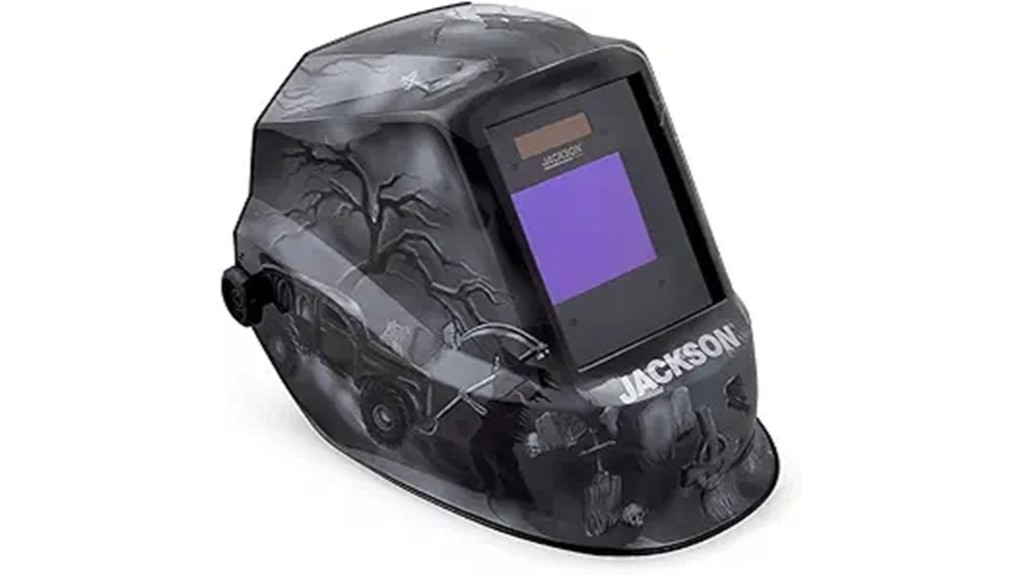
A welding hood has to protect your eyes without making every job feel heavier than it needs to be. The Jackson Safety Welding Hood focuses on comfort, visibility, and fast auto-darkening response for welders who want a lighter helmet for regular shop or garage work. Its biggest strengths are the 1.26 lb weight, 9.3 sq. inch viewing area, 1/1/1/1 optical clarity rating, and patented 370 Speed Dial ratcheting headgear. The main limitation is that the article-supported shade range is 3 to 10, so you should confirm it matches your welding process, amperage, and safety requirements before buying.
Quick Verdict
Rating: 8.4/10, Recommended with caveats
Best For: Welders who want a lightweight auto-darkening hood with a wide viewing area and easy headgear adjustment.
Bottom Line: The Jackson Safety Welding Hood is a strong pick if comfort, optical clarity, and fast lens reaction matter most. It is not the best fit if you need a broader shade range than 3 to 10 or verified warranty details before purchase.
Key Specifications
| Specification | Detail |
|---|---|
| Brand | Jackson Safety |
| Product type | Auto-darkening welding hood / welding helmet |
| Weight | 1.26 lbs |
| Headgear | Patented 370 Speed Dial ratcheting headgear |
| Adjustment control | Easy Grip-Easy Turn adjuster |
| Optical clarity rating | 1/1/1/1 |
| Shade range | Variable shade 3 to 10 |
| Viewing area | 9.3 sq. inch viewing area |
| Arc sensors | 4 sensors |
| Reaction speed | 1/25,000 seconds |
| Battery note | CR2032 battery referenced in the original maintenance FAQ |
| Compliance listed in article | ANSI Z87.1+, CAN/CSA Z94.3, CE |
| Best use | Regular welding tasks where comfort, visibility, and quick lens response matter. |
What Is the Jackson Safety Welding Hood?
The Jackson Safety Welding Hood is an auto-darkening welding helmet designed to help protect your eyes and face while giving you a larger, clearer viewing window. The article-supported details point to a lightweight hood with a 9.3 sq. inch viewing area, four arc sensors, and a fast 1/25,000-second reaction speed.
The hood is built around comfort as much as protection. At 1.26 lbs, it should feel easier to wear during longer sessions than heavier helmets, especially when you are tacking, grinding between passes, or moving around a workbench.
The 370 Speed Dial ratcheting headgear is also a key part of the design. It gives you a way to tighten or loosen the fit without fighting the helmet, which matters when you need the hood to stay in place but do not want pressure points around your head.
Who Should Buy It?
Best For
- Welders who want a lightweight hood for longer work sessions.
- Users who value a 9.3 sq. inch viewing area for better visibility around the weld zone.
- Buyers who want easy headgear adjustment through a ratcheting dial system.
Skip If
- You need a verified shade range beyond 3 to 10 for your specific work.
- You want a confirmed warranty period before buying.
- You prefer to inspect exact replacement lens and battery access details before purchase.
Before You Buy: Match the shade range to your welding process and amperage before you rely on any helmet. A variable shade range of 3 to 10 may work well for many tasks, but it may not fit every welding setup.
Lightweight Design and Ergonomics
The biggest comfort advantage is the 1.26 lb weight. A lighter hood can reduce neck fatigue during repeated helmet lifts, longer beads, or projects where you spend hours switching between setup and welding.
The balanced structure also matters because weight distribution can feel just as important as the number on the scale. A hood that stays stable helps you focus on torch angle, travel speed, and the weld puddle instead of constantly readjusting your headgear.
The patented 370 Speed Dial ratcheting headgear gives you practical control over fit. You can snug the helmet down for overhead positioning or loosen it slightly when you need comfort during lighter bench work.
Optical Performance and Clarity
The listed 1/1/1/1 optical clarity rating is one of the hood’s strongest buyer-facing specs. In practical terms, it points to a lens designed to reduce distortion, uneven shade, and visual strain while you watch the weld area.
The 9.3 sq. inch viewing area also gives you more room to see your workpiece, joint, and nearby reference points. That extra visibility can help when you are lining up a bead, checking fit-up, or working in a position where a narrow window feels limiting.
The variable shade range of 3 to 10 gives you flexibility for different tasks, but it is still a detail you should check against your work. Use the correct shade for the process, arc current, and material conditions, and do not choose a lighter setting just for convenience.
Arc Sensors and Lens Response
The article lists four arc sensors and a reaction speed of 1/25,000 seconds. Four sensors can help reduce the chance that your hand, torch, or workpiece blocks the sensor path during awkward angles.
Fast lens response is especially useful when you move from positioning to arc start. You still need proper technique and safe shade selection, but a quick-darkening lens can make starts feel smoother and less distracting.
This setup should be useful for shop, garage, and fabrication work where you change positions often. The more you weld around corners, fixtures, or tight work areas, the more sensor placement and viewing size matter.
Safety Features and Compliance
The original article lists ANSI Z87.1+, CAN/CSA Z94.3, and CE compliance. Those are important claims for a welding hood because your helmet needs to protect against light radiation, sparks, and impact hazards that can happen during welding tasks.
You should still inspect the helmet before each use. Do not use a hood with cracked shell material, damaged filters, loose headgear, or a lens that does not darken correctly when tested.
Also remember that a welding hood is only one part of PPE. Gloves, sleeves, proper clothing, ventilation, and process-specific eye and face protection all matter when sparks, molten metal, and intense arc light are present.
Pro Tip: Before your first weld of the day, test the auto-darkening function, adjust the headgear while wearing your usual cap or glasses, and confirm the shade setting for the exact process you plan to use.
Fit, Glasses, and Daily Comfort
The original article states that the helmet can fit over prescription glasses. That is useful if you need corrective lenses while welding, but you should still test comfort with your own frames because glasses vary in width, temple shape, and lens height.
The headgear adjustment helps here because a slightly different crown position can change how the hood sits over glasses. You want enough room to avoid pushing your frames into your face while keeping the viewing area lined up with your eyes.
For the most comfortable fit, set the headband tension before you start welding. Then check the tilt and stopping position so the hood lowers consistently without dropping too far or sitting too high.
How It Performs in Real Use
For Longer Welding Sessions
The 1.26 lb weight is the main benefit during longer use. If you often feel neck strain from heavier helmets, this lighter design may make repeated positioning and hood movement easier.
For Detailed Weld Visibility
The 9.3 sq. inch viewing area and 1/1/1/1 optical clarity rating help when you need to track the weld puddle and surrounding joint. This is especially helpful for careful fit-up work where a narrow viewing window can slow you down.
For Awkward Angles
The four arc sensors can help when your torch hand or workpiece blocks part of the helmet’s front area. You should still position yourself safely, but multiple sensors give the lens more chances to detect the arc.
For Outdoor or Bright Work Areas
The article describes the hood as suitable for outdoor use. In bright conditions, check the sensitivity and shade settings carefully so the lens behaves predictably before you start a full weld.
Cleaning and Maintenance
Keep the exterior and lens area clean with a soft cloth and mild cleaner. Avoid abrasive pads or harsh chemicals because scratches and residue can reduce visibility through the viewing area.
Inspect the lens cover, filter area, headgear, and adjustment dial regularly. Replace worn parts when needed, and stop using the hood if the lens response becomes inconsistent.
The original article references a CR2032 battery for replacement. Before buying spare batteries or opening the compartment, check the current product listing or manual so you follow the correct replacement steps for your exact helmet version.
Pros and Cons
Pros
- Lightweight 1.26 lb design can reduce fatigue during longer sessions.
- 9.3 sq. inch viewing area gives you more visibility around the weld zone.
- 1/1/1/1 optical clarity rating supports cleaner, less distorted viewing.
- Four arc sensors help detect the arc from different working angles.
- 370 Speed Dial ratcheting headgear makes fit adjustment easier.
Cons
- Shade range of 3 to 10 may not match every welding process or amperage range.
- Warranty period was not specified in the original article.
- Battery access and replacement details should be confirmed from the current manual or listing.
Is It Worth the Price?
The Jackson Safety Welding Hood is worth considering if you want a comfort-focused auto-darkening helmet with a wide viewing area and easy headgear adjustment. Its value comes from practical features you can feel during real work, especially the light 1.26 lb weight and 370 Speed Dial fit system.
This is better for buyers who care about comfort and visibility than buyers who only want the widest possible shade range. If your work requires settings outside shade 3 to 10, compare the specs carefully before choosing this helmet.
It can be a smart buy for everyday use if the shade range, fit, and battery setup match your needs. For professional or code-sensitive work, confirm current product details and workplace PPE requirements before buying.
How It Compares to Alternatives
Compared with basic fixed-shade welding helmets, this Jackson Safety hood gives you auto-darkening convenience, a larger viewing area, and adjustable shade control. That makes it more practical when you switch between setup, tack welds, and longer beads.
Compared with higher-end helmets that offer broader shade ranges or more advanced control settings, this model looks more focused on comfort, clarity, and simple adjustment. It makes the most sense if you want a lightweight hood with useful everyday specs instead of a more complex premium helmet.
Frequently Asked Questions
Is the Jackson Safety Welding Hood good for long work sessions?
Yes, it is a good fit for longer sessions if you value a lighter helmet. The listed 1.26 lb weight and adjustable ratcheting headgear help reduce fatigue and improve fit during repeated use.
What shade range does this welding hood use?
The article-supported shade range is 3 to 10. Check that range against your welding process, amperage, and workplace safety requirements before buying.
Can the helmet fit over prescription glasses?
The original article states that it can accommodate prescription glasses. You should still test fit with your own frames because comfort depends on frame size, temple width, and headgear position.
How fast does the lens react?
The listed reaction speed is 1/25,000 seconds. That quick response helps the lens darken fast when the arc starts, but you still need the correct shade setting and safe PPE.
Is it suitable for outdoor welding?
The original article says the hood is suitable for outdoor use. In bright sunlight, test the lens, sensitivity, and shade setting before starting a full weld.
How do you clean and maintain it?
Use a soft cloth and mild cleaner on the exterior and lens area. Avoid abrasives, inspect the lens cover and headgear often, and replace worn parts when needed.
What battery does the welding hood use?
The original article references a CR2032 battery. Confirm the exact battery and replacement steps from the current listing or product manual before opening the compartment.
Who should skip this welding hood?
Skip it if you need a shade range beyond 3 to 10, a verified warranty period before buying, or exact replacement part details up front. Those details should be checked on the current product listing or manual.
The Bottom Line
The Jackson Safety Welding Hood is a strong choice for welders who want a lightweight auto-darkening helmet with clear optics, a wide viewing area, and easy headgear adjustment. It is best for regular shop or garage use, but you should skip it if your work needs a broader shade range or verified warranty details before purchase.