Disclosure: As an Amazon Associate, we earn from qualifying purchases. If you click a link on this page and make a purchase, we may receive a small commission at no extra cost to you.
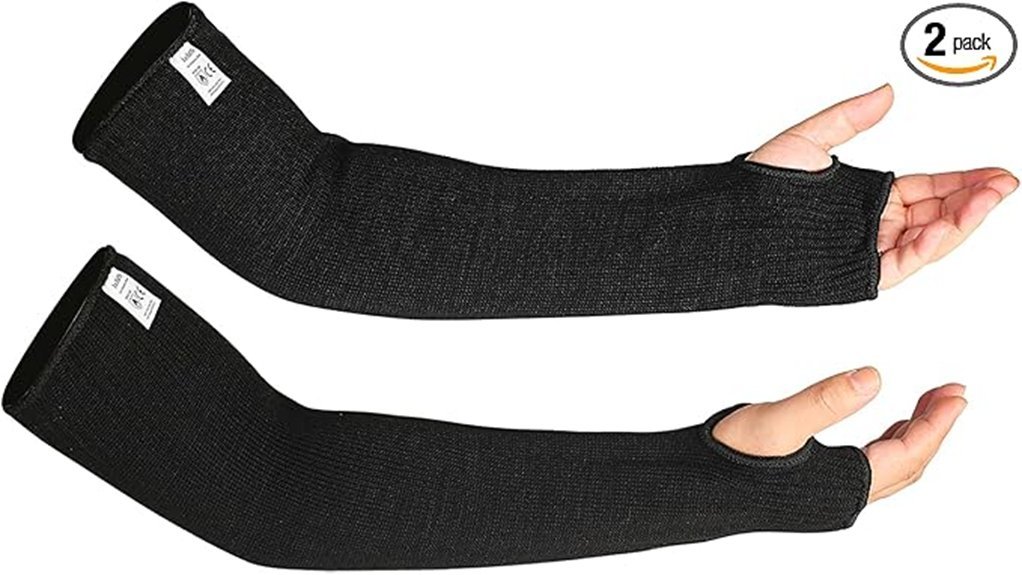
Arm protection matters when your work puts your skin near sharp edges, sparks, abrasion, or hot parts. These Kevlar sleeves are made for buyers who want lightweight coverage without giving up arm movement during shop, welding, automotive, or maintenance tasks. This review looks at the material, EN388 protection details, heat resistance, comfort, care, and real-world limits so you can decide if they match your work setup. They offer strong coverage for many demanding jobs, but they should not be treated as cut-proof, fireproof, or a replacement for proper gloves and job-specific protective gear.
Quick Verdict
Rating: 8/10
Best For: Shop workers, welders, automotive repair users, and DIYers who need flexible forearm protection from abrasion, sparks, and moderate heat exposure.
Bottom Line: These Kevlar sleeves are worth considering if you want 19-inch arm coverage, breathable fabric, and EN388-backed resistance details in a lightweight sleeve. The main tradeoff is that the article does not confirm the brand, full EN388 code, exact package count, or detailed sizing chart, so you should check the current Amazon listing before buying.
| Specification | Detail |
|---|---|
| Product Type | Kevlar protective arm sleeves |
| Amazon ASIN | B0831L2SMS, based on the article link |
| Material | 100% Kevlar fabric |
| Length | 19 inches |
| Design | Flexible, breathable sleeve with loosened width design |
| Construction | Seven-woven knit construction stated in the article |
| Weight Claim | 30% lighter than traditional nylon or polyester options, according to the article |
| Certification | EN388 certified, based on article claim |
| Protection Ratings | Level 3 anti-tear and Level 2 abrasion resistance, based on article claim |
| Heat Resistance | Up to 200°C without melting or igniting, based on article claim |
| Fit | Universal fit for men and women, with flexible wear over regular clothing |
| Care | Hand wash or machine wash in cold water, then air dry |
| Warranty | Three months, based on article claim |
| Best Use | Welding support, automotive repair, electric drilling, metal polishing, assembly, metallurgical mining, and pet grooming |
What Are These Kevlar Sleeves?
These Kevlar sleeves are protective arm sleeves made from 100% Kevlar fabric. They are designed to cover your forearms during tasks where abrasion, tearing, heat, sparks, or rough surfaces can irritate or injure exposed skin. The 19-inch length gives more coverage than a short cuff, which helps when your gloves and shirt sleeves leave a gap.
The main selling point is the balance of protection and comfort. The article states that the fabric is 30% lighter than traditional nylon or polyester options, while the flexible and breathable design helps you move your arms without feeling restricted. That makes them useful for longer jobs where heavy leather sleeves may feel too hot or bulky.
They are best viewed as an add-on safety layer. You still need the correct gloves, eye protection, welding jacket, or shop PPE for your task. The sleeves can reduce exposure on your arms, but they do not replace full protective clothing when the job involves direct flame, heavy grinding sparks, molten metal, or sharp blades.
Key Takeaways
- The sleeves are made from 100% Kevlar fabric and are described as 30% lighter than traditional nylon or polyester options.
- The 19-inch sleeve length helps protect more of your forearm during welding, automotive repair, drilling, polishing, and shop work.
- The article lists EN388 certification, Level 3 anti-tear resistance, and Level 2 abrasion resistance for added buyer confidence.
- The sleeves are described as heat resistant up to 200°C without melting or igniting, but you should still avoid direct flame and follow the product instructions.
- The breathable knit design is useful for longer wear, especially when you need arm coverage without heavy bulk.
Who Should Buy It?
Best For
- You need lightweight forearm coverage for shop, welding support, automotive, or maintenance work.
- You want breathable sleeves that are easier to wear for long sessions than bulky arm protection.
- You prefer a flexible sleeve that can be worn over regular clothing and used by men or women.
Skip If
- You need full welding protection from heavy spatter, direct flame, or molten metal exposure.
- You need a verified brand, full EN388 code, detailed size chart, or exact package count before buying.
- You want one product to replace gloves, a welding jacket, or task-specific protective clothing.
Material Composition and Comfort Features
The biggest comfort advantage is the 100% Kevlar fabric. Kevlar is known for its strength-to-weight balance, and the article states these sleeves are 30% lighter than traditional nylon or polyester options. That matters because arm sleeves that feel heavy or stiff often get removed during a job, which reduces protection when you still need it.
The flexible design helps your arms bend, reach, and rotate during practical work. That is useful when you are reaching under a hood, guiding a drill, polishing a metal surface, or adjusting a workpiece. A sleeve that restricts movement can make your grip and control worse, especially during detail work.
Breathability is another useful feature. The woven knit construction helps reduce trapped heat during long wear, which can make the sleeves more comfortable in a shop or garage. The article also describes the sleeves as non-toxic and odorless, which is helpful for skin-contact gear that may sit against your arms for hours.
Safety Certifications and Protection Capabilities
The article states that these sleeves are EN388 certified with Level 3 anti-tear resistance and Level 2 abrasion resistance. Those details are important because they give you more than a generic safety claim. Tear resistance helps when fabric catches on rough surfaces, while abrasion resistance matters when your arms rub against metal edges, engine components, tools, or workbenches.
For everyday shop use, this level of coverage can help reduce scrapes, minor contact irritation, and wear from repeated rubbing. It is especially useful for tasks where your forearms brush against rough material more than your hands do. That said, EN388 details should be checked on the product label or current listing because the article does not provide the complete rating code.
Before You Buy: Do not treat these sleeves as cut-proof or fireproof. They are an added protection layer for your forearms, not a replacement for gloves, a welding jacket, face protection, or job-specific PPE.
Heat Resistance and Practical Applications
For high-temperature work areas, the article states that these Kevlar sleeves can withstand temperatures up to 200°C without melting or igniting. That makes them useful around sparks, hot engine parts, warm metal surfaces, and heat-prone shop tasks. The sleeves can help protect your forearms from brief, accidental contact, but you should not press them against hot parts or use them as oven mitts.
| Application | How the Sleeves Help | Best Use Example |
|---|---|---|
| Welding Support | Helps shield forearms from sparks and light heat exposure | Metal fabrication prep or light shop work |
| Automotive Repair | Adds a barrier against hot or rough engine components | Working near tight engine bay spaces |
| Electric Drilling | Protects your arms while keeping movement flexible | Drilling near metal, framing, or rough edges |
| Metal Polishing | Reduces abrasion from repeated arm contact | Surface finishing and detail work |
| Pet Grooming | Helps protect forearms from scratches | Handling nervous pets with proper care |
How It Performs in Real Use
For Daily Shop Work
During routine shop work, the light fabric and flexible fit are the main advantages. You can keep your arms covered while moving between tasks like handling material, drilling, polishing, or working around benches. Because the sleeves are breathable, they should feel less tiring than thick protective sleeves during long sessions.
For Welding and Metal Fabrication Support
In welding-adjacent work, the heat and spark resistance can add useful protection to your forearms. The sleeves make the most sense for light sparks, handling nearby materials, prep work, and situations where you need a barrier between your skin and rough metal. For heavy welding, you should still use proper welding gloves, flame-resistant clothing, and full protective gear.
For Automotive Repair
Automotive work often puts your forearms against hot, sharp, or cramped surfaces. The 19-inch coverage can help when you are reaching into an engine bay or working around brackets, hoses, and metal edges. The flexible design is useful here because stiff sleeves can make it harder to reach tight areas.
For Long Wear
Long wear is where the breathable construction matters most. A sleeve that traps heat can become distracting, especially in a warm garage or workshop. These sleeves aim to give you a better balance of airflow, coverage, and movement, though comfort will still depend on your arm size, clothing layer, and work temperature.
How to Use It Correctly
Pull each sleeve high enough to cover the exposed gap between your gloves and shirt sleeves. The 19-inch length is useful only if the sleeve is positioned correctly and does not slide down while you work. If you wear the sleeves over regular clothing, make sure the fabric is not bunched up near your wrist because that can affect glove fit and tool control.
Check the sleeves before each job for thinning, loose fibers, holes, burn marks, or damage from sharp edges. Replace them if the fabric no longer covers your arms properly. Protective sleeves are most useful when they fit smoothly and stay in place during the task.
Pro Tip: Put your gloves on after positioning the sleeves so the glove cuff can help cover the wrist gap. This gives you better overlap between hand and forearm protection.
Material Safety and Comfort
Because these sleeves sit directly against your arms, comfort and skin contact matter. The article describes the fabric as non-toxic and odorless, and the breathable design helps reduce overheating during extended wear. If your skin is sensitive, try the sleeves for a short task first before wearing them for a full workday.
The loosened width design is useful for different body types, but it also means fit may not feel equally snug for every user. If a sleeve is too loose, it may slide. If it is too tight, it may feel uncomfortable during arm movement. Check the current listing for sizing details before ordering.
Cleaning and Care
The article recommends hand washing or machine washing in cold water. Cold washing is a safer choice for protective fabric because it helps reduce wear from heat and harsh cleaning. Avoid bleach or aggressive detergents unless the product label says they are safe.
Air drying is the better drying method. High dryer heat may damage fibers, shrink the sleeve, or reduce comfort over time. Let the sleeves dry fully before storing them so they do not hold odor or moisture between uses.
Pros and Cons
Pros
- 100% Kevlar fabric gives you a strong protective material in a lightweight sleeve.
- 19-inch length helps cover the forearm and reduce exposed gaps near gloves.
- EN388 certification details add trust, including Level 3 anti-tear and Level 2 abrasion resistance claims.
- Heat resistance up to 200°C makes the sleeves useful around sparks and hot work areas.
- Breathable, flexible construction supports longer wear without heavy bulk.
Cons
- The article does not confirm the brand, full EN388 rating code, or exact package count.
- Not a replacement for welding gloves, flame-resistant jackets, or full PPE.
- Universal fit may require trial and error if you have very small or large arms.
Is It Worth the Price?
These Kevlar sleeves look like a strong value for the price if you need lightweight forearm protection for repeated shop or repair tasks. The value comes from the combination of Kevlar fabric, 19-inch coverage, breathable construction, EN388-backed protection details, and heat resistance claims.
They are a smart buy for everyday use if you already have the rest of your safety gear and simply need better arm coverage. They are not the best fit if you need a fully verified brand, detailed size chart, full welding protection, or confirmed package quantity before purchase.
How It Compares to Alternatives
Compared with leather welding sleeves, these Kevlar sleeves should feel lighter and more breathable, which can help during long work sessions. Leather may still be better for heavier welding spatter or harsher heat exposure, depending on the job and product rating.
Compared with basic cotton or nylon arm sleeves, the Kevlar material and EN388 details make this option more protective for abrasion and tearing. The best choice depends on your main risk: choose lighter fabric for comfort, leather for heavier heat and spatter, and Kevlar when you want a balance of protection and movement.
Frequently Asked Questions
Are these Kevlar sleeves suitable for both men and women?
Yes. The article describes the sleeves as a universal fit that can work for both men and women. The loosened width design helps with different body types, but you should still check the current listing if you need exact sizing.
Can you wear these sleeves over regular clothing?
Yes. The sleeves can be worn over regular clothing as long as they sit smoothly and do not interfere with your gloves or tool control. Avoid bunching fabric near your wrists because that can reduce comfort and grip.
Are these sleeves safe for welding?
They can be useful for welding support because the article says they resist heat up to 200°C and help protect against sparks. For heavy welding, you still need proper welding gloves, flame-resistant clothing, and task-rated PPE.
How should you wash and care for the Kevlar sleeves?
Wash them by hand or machine wash them in cold water. Air dry them instead of using high dryer heat, and check the sleeves for holes, thinning, or burn marks before the next use.
Do these Kevlar sleeves protect against cuts?
They can help reduce exposure to scrapes, abrasion, and tearing, and the article lists EN388 certification details. They should not be treated as cut-proof, so keep your arms away from blades, sharp tools, and moving equipment.
What jobs are these sleeves best for?
They are best for tasks where your forearms may brush against hot parts, rough surfaces, light sparks, or abrasive materials. Good examples include automotive repair, metal polishing, electric drilling, assembly work, welding support, and some pet grooming tasks.
What warranty period is listed for the sleeves?
The article states a three-month warranty period. Warranty terms can vary by seller or listing, so check the current Amazon page before you buy.
Who should skip these sleeves?
Skip them if you need full-body welding protection, a verified brand name, or a detailed size chart before ordering. You should also skip them if your task requires heavy-duty heat protection beyond sleeve coverage.
The Bottom Line
These Kevlar sleeves are a good fit if you want lightweight, breathable, 19-inch arm protection for shop work, automotive repair, welding support, and other hands-on tasks. Their biggest strengths are the Kevlar fabric, heat resistance claim, and EN388 protection details, while the main limitation is incomplete product verification for brand, full rating code, size chart, and package count. Choose them if you need a practical add-on layer for your arms, but use proper job-specific PPE for higher-risk work.