Disclosure: As an Amazon Associate, we earn from qualifying purchases. If you click a link on this page and make a purchase, we may receive a small commission at no extra cost to you.
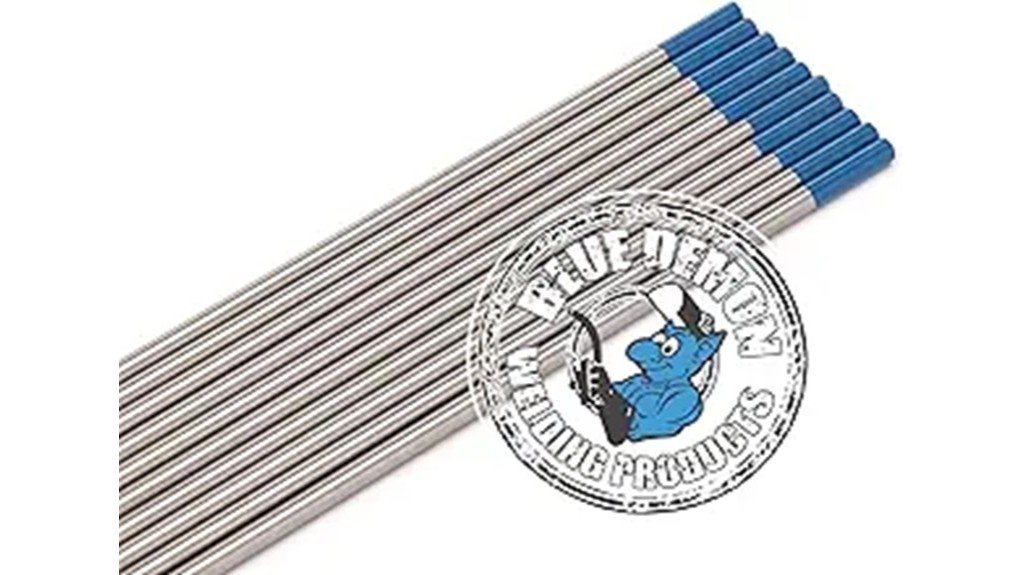
Choosing TIG tungsten is less about buying the most expensive electrode and more about matching the alloy, diameter, and current type to your work. The Blue Demon TE2L-332-10T 2% Lanthanated Tungsten Electrode gives you ten 3/32-inch by 7-inch EWLa-2 electrodes designed for AC and DC TIG applications. Its main advantage is versatility across common metals and power-source types, while its main limitation is that one 3/32-inch diameter cannot be ideal for every amperage range or TIG setup. This review helps you decide where this Blue Demon tungsten fits and when another diameter or electrode type may make more sense.
Quick Verdict
Rating: 8.5/10
Best For: TIG welders who want a general-purpose 3/32-inch 2% lanthanated tungsten for both AC and DC work.
Bottom Line: The TE2L-332-10T combines a common 3/32-inch size, EWLa-2 classification, and AC/DC capability in a 10-pack. It is a practical general-use choice, but you still need to match tungsten diameter, tip preparation, amperage, and machine settings to each job.
| Specification | Detail |
|---|---|
| Brand | Blue Demon |
| Model | TE2L-332-10T |
| Product Type | Tungsten electrode for TIG/GTAW |
| AWS Classification | EWLa-2 |
| Composition | 2% lanthanated tungsten |
| Color Code | Blue |
| Diameter | 3/32 inch |
| Electrode Length | 7 inches |
| Package Quantity | 10 electrodes |
| Current Type | AC and DC |
| Power Source Compatibility | Inverter or transformer-based constant-current power sources |
| AWS Specification | AWS A5.12/A5.12M:2009 |
| Listed Metal Applications | Low-alloy steels, non-corroding steels, aluminum, magnesium, titanium, nickel, and copper alloys |
| Best Use | General-purpose TIG work where a 3/32-inch EWLa-2 tungsten matches the machine and welding procedure |
Key Takeaways
- The reviewed variant is Blue Demon TE2L-332-10T, an EWLa-2 2% lanthanated tungsten electrode.
- You receive ten electrodes measuring 3/32 inch in diameter and 7 inches long.
- The manufacturer describes TE2L as a general-purpose choice for AC and DC current with inverter or transformer constant-current power sources.
- The 3/32-inch size is useful for many general TIG jobs, but your required tungsten diameter still depends on amperage, machine, material, and procedure.
- Correct grinding, contamination control, torch setup, and machine settings matter as much as the tungsten alloy itself.
What Is the Blue Demon TE2L-332-10T?
The Blue Demon TE2L-332-10T is a 2% lanthanated tungsten electrode classified as EWLa-2. Unlike a filler rod, the tungsten sits in the TIG torch and carries the welding arc. You normally do not intentionally melt it into the joint.
This specific package contains ten 7-inch electrodes with a 3/32-inch diameter. Blue Demon identifies EWLa-2 with a blue color code and lists this electrode for AC and DC operation. That combination makes it useful when your work moves between different metals or current types and your welding procedure supports 3/32-inch tungsten.
Blue Demon also lists the TE2L range for inverter and transformer-based constant-current power sources. That does not mean one electrode setup works unchanged on every TIG machine, so you should still follow the tungsten recommendations in your welder’s manual.
Who Should Buy It?
Best For
- You want a general-purpose 2% lanthanated tungsten for TIG welding.
- Your setup calls for a common 3/32-inch electrode and you want a 10-pack.
- You regularly work with both AC and DC applications and want one tungsten classification that supports both.
Skip If
- Your machine, amperage range, or welding procedure calls for a smaller or larger tungsten diameter.
- You actually need filler metal rather than a non-consumable TIG electrode.
- Your procedure specifically requires another AWS tungsten classification.
Before You Buy: Do not choose tungsten by color or diameter alone. Confirm that EWLa-2 and 3/32-inch tungsten are appropriate for your TIG machine, expected current range, torch hardware, material, and welding procedure.
Product Features and Specifications
2% Lanthanated EWLa-2 Composition
The TE2L-332-10T carries the EWLa-2 classification, which identifies it as 2% lanthanated tungsten. Blue is the standard color code listed for this Blue Demon model, making it easier to distinguish from other tungsten types you may keep at the welding bench.
For you, the main benefit is versatility. Blue Demon describes its TE2L electrode as suitable for AC and DC operation and as a general-purpose choice across several metal groups. That can reduce the need to change tungsten type every time the job changes, although diameter and preparation may still need to change.
3/32-Inch Diameter and 7-Inch Length
Each electrode measures 3/32 inch by 7 inches. The 3/32-inch diameter is widely used for general TIG work, but it should not be treated as a universal size. Very low-current work may benefit from a smaller electrode, while higher-current procedures can require a larger diameter.
The original product information also included an 8 x 2.5 x 0.25-inch figure. That describes package dimensions rather than the actual working electrode. The number that matters when matching your torch setup is the 3/32-inch electrode diameter.
Ten-Electrode Package
The package contains 10 tungsten electrodes. A multi-electrode pack is useful because contamination can force you to stop and regrind or swap tungsten. Keeping several properly prepared electrodes available can reduce interruptions at the bench.
AC and DC Capability
Blue Demon lists TE2L for both AC and DC current. The product description also identifies aluminum, magnesium, steels, titanium, nickel, and copper alloys among its applications.
This makes the electrode attractive when you use one TIG machine for several types of work. You still need to change polarity, waveform, balance, frequency, tip profile, shielding setup, and other machine settings as required by the material and equipment.
Pro Tip: Prepare several electrodes before starting a longer TIG session. If you dip or contaminate one, you can swap in a clean tungsten instead of stopping the job to grind immediately.
How It Performs in Real Use
For DC TIG on Steel and Stainless Steel
For DC TIG work where your procedure supports EWLa-2 and a 3/32-inch electrode, this Blue Demon tungsten gives you a practical general-purpose setup. Lanthanated tungsten is commonly chosen for controlled arc starting and stable operation, but your actual results still depend heavily on correct tip preparation, shielding gas, torch angle, cleanliness, and machine settings.
If your arc begins wandering after contamination or accidental contact with the puddle, do not assume the tungsten alloy has failed. Inspect the point and reprepare or replace the electrode before changing unrelated machine settings.
For AC Aluminum Work
Blue Demon lists the TE2L electrode for AC use and specifically includes aluminum among its suitable metal applications. That gives you an option for modern TIG work where your machine and procedure allow lanthanated tungsten.
AC tungsten preparation can vary by machine design. An inverter TIG machine may call for a different tip profile than an older transformer system, so the machine manual should take priority over a universal preparation rule.
When Switching Between AC and DC Jobs
One of the strongest reasons to consider this model is its AC/DC flexibility. If your shop moves between steel, stainless, and aluminum jobs, having a tungsten classification approved for both current types can simplify consumable inventory.
That flexibility does not eliminate setup changes. You may still need a different tungsten diameter or tip shape when the amperage and material thickness change significantly.
For Repeated Shop Use
Electrode life is difficult to express as a fixed number of hours or welds. How long one tungsten lasts depends on current, tip geometry, contamination, arc starts, machine settings, and how often the electrode contacts filler metal or the weld puddle.
The practical advantage of a 10-pack is that you can rotate through prepared electrodes and regrind contaminated pieces in batches rather than treating each tungsten as a single-use item.
How to Prepare and Use It Correctly
Use the Correct Collet and Torch Setup
Your torch consumables must match the 3/32-inch diameter. Check the collet, collet body or gas lens, torch capacity, and machine manual before installing the tungsten. A mismatched collet can create poor holding pressure and inconsistent positioning.
Grind in the Lengthwise Direction
When your application calls for a pointed tungsten, grind the electrode so the grinding marks run parallel with the electrode’s length. Crosswise or radial grinding marks can contribute to an unstable or wandering arc.
A grinding wheel or tungsten grinder reserved for tungsten preparation also helps reduce contamination from other metals. Follow the preparation procedure recommended by your welder and tungsten-grinder manufacturer.
Regrind After Contamination
If the tungsten touches the molten puddle or filler material, stop and inspect it. Contamination at the tip can alter arc behavior and may carry unwanted material back into the welding area.
Rather than trying to continue with a visibly contaminated tip, replace it with a clean prepared electrode and regrind the contaminated one correctly before reuse.
Match Diameter to Current
The 3/32-inch size is useful across many general TIG tasks, but its operating window is not unlimited. If you routinely work at the extremes of very low or high current, another electrode diameter may give you better starting behavior, tip life, or arc control.
Grinding and Welding Safety
Grinding tungsten creates dust and flying particles, so use appropriate eye, face, hand, and respiratory protection and provide suitable local ventilation or dust control. Keep sparks away from combustible material and follow the safety instructions for your grinder and welding equipment.
Do not assume that lanthanated tungsten makes grinding dust harmless. Treat grinding dust responsibly, keep your work area clean, and follow applicable workplace and product safety guidance.
TIG welding itself also produces intense ultraviolet radiation, heat, electrical hazards, and welding fumes. Use the PPE, ventilation, grounding, shielding-gas practices, and machine procedures specified for your work environment.
Pros and Cons
Pros
- Verified EWLa-2 2% lanthanated tungsten construction.
- Supports both AC and DC TIG applications.
- Common 3/32-inch diameter suits many general TIG setups.
- Ten 7-inch electrodes per package.
- Listed for a broad range of metals, including steels, aluminum, magnesium, titanium, nickel, and copper alloys.
Cons
- A 3/32-inch electrode is not appropriate for every amperage range or TIG procedure.
- You still need correct grinding and preparation for reliable arc behavior.
- Seller availability varies, so the exact TE2L-332-10T package may not be stocked everywhere.
Customer Feedback and Ratings
Marketplace star ratings and review totals change over time, so you should check the current Amazon listing rather than relying on an older fixed review count. The previous version of this review cited a specific rating and number of reviews that could not be confirmed as current during product verification.
For a technical consumable like tungsten, also read buyer feedback with your own setup in mind. Comments about arc stability or electrode life are most useful when the reviewer identifies the tungsten diameter, amperage, material, machine, current type, and preparation method.
Is It Worth the Price?
The TE2L-332-10T makes the most sense when you value a recognizable AWS classification, a 10-electrode package, and AC/DC flexibility in one 3/32-inch tungsten. That can provide strong value for a TIG bench where the same electrode type will see regular use across several compatible jobs.
Price alone should not determine your choice. A cheaper tungsten that does not match your machine or procedure is poor value, while a more expensive option may not improve your results if the real problem is contamination or incorrect preparation.
Seller pricing, stock, and return terms can change. Check the current Amazon listing for the exact TE2L-332-10T package, seller information, and applicable return conditions before ordering.
How It Compares to Alternatives
The Miller Weldcraft WL2332X7 is a close alternative because it is also a 3/32-inch by 7-inch 2% lanthanated tungsten sold in a 10-pack. It is worth comparing when you want another established welding brand while staying with the same basic tungsten type and dimensions.
If you want a different lanthanated classification, the Blue Demon TE15L-332-10T uses 1.5% lanthanated EWLa-1.5 tungsten in the same 3/32-inch by 7-inch format. The TE2L-332-10T makes more sense when your procedure specifically calls for EWLa-2 or you prefer Blue Demon’s 2% lanthanated option.
Frequently Asked Questions
What welding process is the Blue Demon TE2L-332-10T made for?
It is a tungsten electrode intended for TIG/GTAW applications. It carries the EWLa-2 classification and is listed for both AC and DC current.
How long does a lanthanated tungsten electrode last?
There is no reliable fixed lifespan because service life changes with amperage, tip preparation, contamination, machine settings, and accidental contact with the puddle. Regrinding and replacing contaminated tips when necessary can help you maintain consistent arc behavior.
Can you use this Blue Demon tungsten for both AC and DC TIG?
Yes. Blue Demon lists its TE2L 2% lanthanated tungsten for AC and DC operation with inverter or transformer-based constant-current power sources. Your machine manual should still determine the correct setup for each welding mode.
Can you use TE2L-332-10T for aluminum TIG welding?
Yes, aluminum is included among the listed applications for the TE2L electrode. Use the tip preparation, AC settings, shielding gas, and tungsten diameter recommended for your specific TIG machine and procedure.
Do you need to grind lanthanated tungsten before use?
Many TIG applications require you to prepare the tungsten tip to a specific profile. When grinding a pointed electrode, use a clean dedicated grinding surface and run the grinding marks lengthwise rather than around the electrode.
Is 3/32-inch tungsten the right size for every TIG welder?
No. It is a common general-purpose diameter, but the correct size depends on your amperage, machine, torch consumables, material, and welding procedure. Check your welder’s tungsten-size recommendations before buying.
Is this tungsten a TIG filler rod?
No. The tungsten is the electrode that carries the TIG arc and is not the filler metal you intentionally feed into the weld puddle. Buy the appropriate filler alloy separately when your welding procedure requires filler metal.
How many electrodes are included in TE2L-332-10T?
The verified TE2L-332-10T package contains 10 electrodes. Each electrode measures 3/32 inch in diameter and 7 inches long.
The Bottom Line
The Blue Demon TE2L-332-10T is worth considering when you need a 10-pack of 3/32-inch EWLa-2 tungsten that supports both AC and DC TIG applications. Its main strength is broad general-purpose versatility, while its main limitation is that the fixed 3/32-inch diameter and one tungsten classification will not match every welding procedure.
If your machine and typical current range call for 3/32-inch 2% lanthanated tungsten, it earns our 8.5/10 recommendation. If you routinely work outside that diameter’s useful range or your procedure specifies another tungsten classification, choose the electrode that matches those requirements instead.