Disclosure: As an Amazon Associate, we earn from qualifying purchases. If you click a link on this page and make a purchase, we may receive a small commission at no extra cost to you.
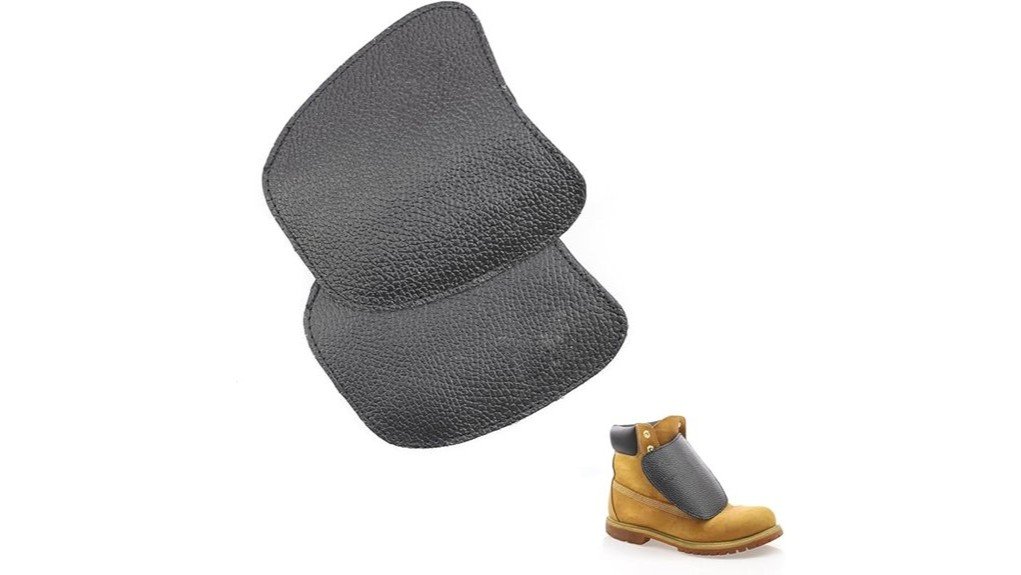
Welding sparks can damage boot laces, leather uppers, and exposed stitching faster than many workers expect. The Leather Welding Boot Cover is a small cowhide add-on made to shield your footwear from sparks, heat exposure, and molten material contact during welding and shop work. This review helps you decide if its compact lace-on design, rear fixing strap, and listed 11 x 12.5 cm size make sense for your boots. It offers useful extra protection, but it should not replace proper welding boots or job-site PPE.
Quick Verdict
Rating: 7.8/10, recommended with caveats
Best For: Welders and shop workers who want a compact cowhide cover for exposed boot areas.
Bottom Line: This boot cover is useful if you need a lightweight leather barrier against sparks and hot debris. The main tradeoff is fit uncertainty, since the article lists a compact 11 x 12.5 cm size and does not confirm waterproofing, certifications, or brand warranty terms.
| Specification | Detail |
|---|---|
| Product name | Leather Welding Boot Cover |
| Product type | Leather welding boot cover and footwear protector |
| Material | High-quality cowhide leather, as listed in the source article |
| Listed dimensions | 11 x 12.5 cm |
| Listed weight | 1.2 pounds |
| Design | Compact lace-on cover with a rear fixing strap |
| Compatibility | Designed to fit various boot styles, but fit should be checked before purchase |
| Protection focus | Helps protect footwear from sparks, heat exposure, and molten materials |
| Best use | Welding, metalworking, shipbuilding, woodworking, and similar shop tasks |
| Care note | Wipe with a damp cloth, avoid harsh chemicals, and inspect for wear before reuse |
What Is the Leather Welding Boot Cover?
The Leather Welding Boot Cover is a protective leather accessory that sits over part of your boot during welding or shop work. The source article describes it as a cowhide cover with a fixing strap and lace-based installation, so it works as an add-on layer rather than a complete boot replacement.
Its main purpose is simple: cover vulnerable footwear areas from sparks, molten debris, and heat exposure. That matters if you already own work boots but want extra protection over the laces or front boot area during short welding jobs.
The compact 11 x 12.5 cm size also makes it easier to store in a toolbox, welding bag, or work truck. The tradeoff is coverage. A small boot cover can improve protection in targeted areas, but it cannot provide the same coverage as full welding spats, metatarsal guards, or purpose-built welding boots.
Before You Buy: Check the listed size against your boots before ordering. This is a compact cover, so it may not fully cover oversized, insulated, high-volume, or unusually shaped work boots.
Who Should Buy It?
Best For
- Welders who want extra protection over boot laces and exposed footwear areas.
- Shop workers who need a compact leather cover for sparks and hot debris.
- Buyers who prefer a simple lace-on design with a rear fixing strap.
Skip If
- You need full lower-leg coverage from a welding spat or gaiter.
- Your workplace requires certified safety footwear or rated metatarsal protection.
- You need confirmed waterproof performance for wet outdoor welding.
Material and Build Quality
Cowhide is the key material claim in this article, and it makes sense for a welding boot cover. Leather handles abrasion better than thin synthetic fabric and gives the cover a tougher barrier against sparks and shop debris.
The article also describes the cover as fire resistant. That is useful for welding, but the source does not confirm a specific safety certification, temperature rating, or compliance standard. You should treat it as a protective accessory, not as certified PPE unless the current product listing confirms those details.
The cover’s lightweight and compact build should help during long sessions because it adds less bulk than full spats. That also makes it easier to carry, but it limits the amount of boot surface it can cover.
Fit, Compatibility, and Portability
The boot cover uses a fixing strap on the back and installs through your boot laces. That setup should help it stay positioned better than a loose slip-on cover, especially when you move around a welding bench or work area.
Compatibility is still the biggest buying question. The article says it accommodates various boot styles, but boot shapes vary a lot. Thick insulated boots, tall logger boots, wide safety boots, or boots with bulky toe caps may need extra fit checking.
Portability is one of the stronger points. At the listed 11 x 12.5 cm size, the cover should take up little space in a gear bag. That makes it practical for mobile repair work, light shop use, or keeping as a backup layer near your welding station.
Pro Tip: Before your first welding session, lace the cover onto the boot and walk around for a few minutes. It should feel secure without pulling your laces loose or shifting over the toe area.
Protection During Welding Work
The main benefit is targeted protection from sparks and molten material contact. During welding, small hot particles can land on laces, seams, and boot uppers. A cowhide cover adds a sacrificial layer over those exposed areas.
This matters most if your current boots are sturdy but not designed specifically for welding. Instead of exposing your laces and upper material directly, the cover takes more of the heat and debris contact.
You should still use proper welding clothing, gloves, eye protection, and job-appropriate footwear. This product helps protect part of your boots, but it does not protect your entire foot, ankle, leg, or body from welding hazards.
How It Performs in Real Use
For Short Welding Jobs
For quick repairs, tack welds, or small fabrication tasks, the cover gives you a simple extra layer without changing your whole boot setup. The lace-on design should be easy to install before work and remove after the job.
For Long Shop Sessions
The lightweight, compact design helps reduce bulk during longer work sessions. However, you should check the strap and lace position throughout the day because repeated kneeling, crouching, or walking can shift small accessories.
For Industrial Environments
The article mentions use in welding, shipbuilding, woodworking, and similar work settings. In those environments, the cover can help protect against sparks and debris, but you should still follow site-specific PPE rules.
For Outdoor or Wet Work
The original article does not verify waterproofing, so wet outdoor use is a caveat. Cowhide can tolerate rugged work, but moisture may affect comfort, stiffness, drying time, and long-term condition if you do not clean and store it properly.
How to Use It Correctly
Start by checking that the cover sits flat over the area you want to protect. Lace it through the boot as intended, then secure the fixing strap at the back so the cover does not slide while you walk or crouch.
Do not place the cover where it interferes with safe footing, boot flex, or ankle movement. If it changes how your boot fits or causes a tripping risk, stop using it and reassess the fit.
After welding, let the cover cool before handling it closely. Wipe off dust and debris with a damp cloth, avoid harsh chemicals, and inspect the leather, strap, and lace contact points before the next use.
Material Safety and Limitations
This product touches your footwear, not your skin directly in normal use. Still, you should check for sharp edges, loose stitching, strap wear, or hardened leather before each session. Damaged protective gear can shift or fail when you need it most.
The article supports cowhide construction and fire-resistant use, but it does not verify ASTM, NFPA, CSA, or other safety certifications. If your job site requires certified metatarsal protection or flame-resistant footwear, use employer-approved gear instead.
You should also avoid treating this cover as a fix for damaged boots. If your boots have cracked leather, melted laces, split soles, or exposed safety-toe areas, replace or repair the boots before relying on an add-on cover.
Pros and Cons
Pros
- Cowhide construction gives the cover a tough, abrasion-resistant feel.
- Lace-on setup and rear fixing strap help improve hold during work.
- Compact listed size makes it easy to store in a welding bag or toolbox.
- Targets common spark and hot debris contact points on footwear.
- Useful across welding, shop, shipbuilding, and woodworking tasks.
Cons
- Compact coverage may not protect enough of the boot for every job.
- Fit may vary on insulated, thick-soled, wide, or unusually shaped boots.
- No verified waterproof rating, certification, brand, or warranty detail was available from the source article.
Is It Worth the Price?
This boot cover is worth considering if you need a small, affordable protective add-on for welding or shop work. Its value comes from cowhide construction, compact storage, and simple installation rather than advanced features.
You get the most value if you already own suitable work boots and want to protect laces or exposed upper areas from sparks. It is not the best fit if you need full boot coverage, certified safety ratings, or confirmed waterproof performance.
Because the article does not provide verified warranty terms or package details, check the current Amazon listing carefully before buying. Confirm quantity, size, return options, and seller details so you know exactly what you will receive.
How It Compares to Alternatives
Compared with full leather welding spats, this boot cover should feel lighter and easier to store, but it covers less area. Compared with dedicated welding boots, it costs less and adds protection to footwear you already own, but it does not replace purpose-built safety footwear.
Metatarsal guards may be better if you need impact protection over the top of the foot. This Leather Welding Boot Cover makes the most sense if your main concern is spark and hot debris contact on a specific boot area.
Frequently Asked Questions
Is this Leather Welding Boot Cover a replacement for welding boots?
No. It is an add-on cover for part of your footwear. You should still wear job-appropriate boots and follow your workplace PPE rules.
What size is listed for the boot cover?
The article lists the cover at 11 x 12.5 cm. Because boot shapes vary, compare that size with the area you want to cover before ordering.
Can it fit over insulated or thick-soled boots?
It may fit some thicker boots, but fit is not guaranteed. The lace-on design and rear fixing strap help, but oversized or bulky boots may need a larger cover.
Is it safe for outdoor welding in wet conditions?
The source article does not verify waterproofing. It may still help protect against sparks outdoors, but moisture can affect leather condition and comfort, so check the listing and dry it properly after use.
How do you clean and maintain the cover?
Wipe it with a damp cloth and avoid harsh chemicals. Let it dry fully before storage, then inspect the leather, strap, and lace points before using it again.
What common mistake should you avoid?
Do not assume a small boot cover protects the whole boot or lower leg. Position it over the area that faces sparks, then check that it does not loosen your laces or affect your footing.
Does it come with a warranty?
Warranty terms were not verified from the available article details. Check the current Amazon product page and seller information before you buy.
The Bottom Line
The Leather Welding Boot Cover is a practical pick if you want a compact cowhide layer for sparks, hot debris, and light shop protection. It is best for welders who already have suitable work boots and want extra coverage over vulnerable areas.
Skip it if you need certified safety footwear, full-leg spats, metatarsal protection, or confirmed waterproof performance. The 7.8/10 rating reflects useful materials and simple installation, balanced against limited verified product details and fit uncertainty.