Disclosure: As an Amazon Associate, we earn from qualifying purchases. If you click a link on this page and make a purchase, we may receive a small commission at no extra cost to you.
Seeing the weld puddle clearly can become harder when you are working on small joints, precise TIG work, or close-up fabrication. The Lincoln Electric Cheater Lens KP3046-175 gives you +1.75 magnification inside a compatible welding helmet without requiring a separate handheld magnifier. Its light polycarbonate design adds very little weight, but the fixed magnification will not suit every welder or every helmet. This review explains the fit, visibility benefits, limitations, and practical details you should check before buying.
Quick Verdict
Rating: 8.5/10
Best For: Welders using compatible helmets who want moderate +1.75 close-up magnification.
Bottom Line: The KP3046-175 is a simple, lightweight way to enlarge your view of the joint and weld puddle. Its main limitation is that +1.75 is fixed magnification, so you need to confirm both the strength and helmet fit before ordering.
| Specification | Detail |
|---|---|
| Brand | Lincoln Electric |
| Model | KP3046-175 |
| Product type | Welding helmet magnifying cheater lens |
| Magnification | +1.75 diopter / 1.75 magnification |
| Lens size | Approximately 2 × 4.25 inches |
| Weight | Approximately 1 oz |
| Material | Polycarbonate |
| Lens color | Clear |
| Package quantity | 1 lens |
| Compatibility | Lincoln Electric VIKING helmets and other helmets designed to accept a compatible magnifying lens |
| Standards listed by industrial suppliers | ANSI Z87.1 and CSA Z94.3 |
| Best use | Close-up welding work where moderate magnification improves your view of the joint and puddle |
What Is the Lincoln Electric Cheater Lens KP3046-175?
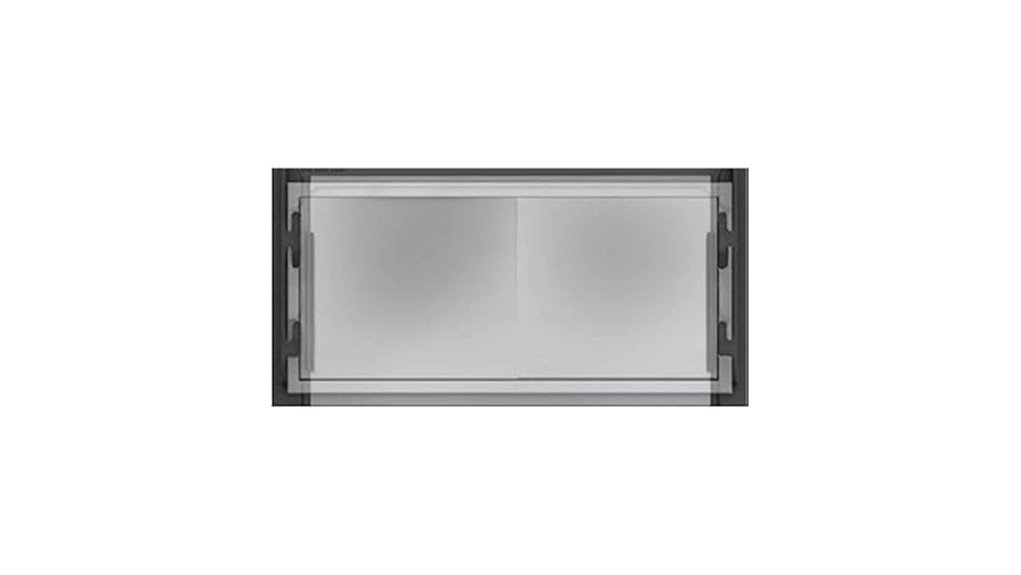
The KP3046-175 is a clear magnifying lens made to sit inside a compatible welding helmet. Instead of changing the helmet’s shade or auto-darkening function, it enlarges the view through the helmet so small details appear closer.
This version provides +1.75 magnification and uses a compact frame measuring about 2 inches by 4.25 inches. Lincoln Electric offers other magnification strengths in the same cheater-lens family, so the 1.75 version is one option rather than a universal strength for every user.
The lens is made from polycarbonate and weighs about 1 ounce. That low weight matters because welding helmets already place weight on your head and neck, and a small accessory should not make the helmet noticeably more tiring to wear.
Key Takeaways
- The KP3046-175 provides fixed +1.75 magnification for closer viewing of welding details.
- Its approximately 2 × 4.25-inch format is designed for compatible welding-helmet magnifying-lens holders.
- The polycarbonate lens weighs about 1 ounce, keeping added helmet weight low.
- It is a natural match for Lincoln Electric VIKING helmets that support cheater lenses.
- Non-Lincoln helmet compatibility should be checked before purchase rather than assumed.
- You should choose magnification strength based on your working distance and vision needs.
Who Should Buy It?
Best For
- VIKING helmet users who want moderate close-up magnification.
- Welders who have trouble seeing fine joint or puddle details at normal working distance.
- Users who prefer a helmet-mounted magnifier instead of relying on separate reading glasses for welding.
Skip If
- Your helmet does not accept this size or style of magnifying lens.
- You need a weaker or stronger magnification level than +1.75.
- You expect the lens to replace required helmet cover lenses or other eye protection.
Before You Buy: A cheater lens is an optical accessory, not a replacement for the helmet’s required protective lenses, auto-darkening filter, or other required eye and face protection. Confirm that your helmet has the correct holder and that +1.75 magnification works for your normal welding distance.
Magnification and Viewing Detail
The main reason to buy the KP3046-175 is its +1.75 magnification. When your helmet is positioned at the correct working distance, the lens can make the joint, electrode position, torch location, and weld puddle appear larger.
That can be useful during detailed TIG work, small repairs, thin-material fabrication, and other jobs where you need to follow a relatively small weld area. The lens does not improve the optical quality of the helmet’s auto-darkening filter itself. It simply magnifies what you already see through the helmet.
The fixed strength is also the main tradeoff. A +1.75 lens may feel comfortable to one welder but too strong or too weak to another. Working distance, eyesight, prescription needs, and helmet position all affect how useful a cheater lens feels.
Build Quality and Weight
Lincoln Electric uses polycarbonate for the lens, which keeps the accessory light while giving it more impact resistance than a fragile glass insert. At roughly 1 ounce, the KP3046-175 adds little weight compared with the helmet itself.
The compact 2 × 4.25-inch format also makes it easier to place inside helmets designed around this common magnifying-lens size. Because the lens sits inside a working welding helmet, you should still protect it from scratches, dirt, grinding dust, and unnecessary contact.
Polycarbonate is durable, but it is not scratch-proof. Once scratches or residue begin interfering with your view, clarity can suffer even if the lens remains structurally intact.
Fit and Compatibility
The KP3046-175 is designed for Lincoln Electric VIKING helmets that support a magnifying cheater lens. Lincoln documentation lists the KP3046 lens family as an accessory across several VIKING helmet lines, including models in the 1840, 2450, 2450D, and 3350 families.
Some non-Lincoln helmets may also accept a lens of this general size, but you should not buy solely because another helmet looks similar. Holder shape, retaining clips, internal clearance, and exact dimensions can differ between helmet brands and generations.
Before ordering for a non-Lincoln helmet, check the helmet manual or accessory list. If your helmet manufacturer specifies a particular magnifying-lens part number or holder, follow that recommendation.
Pro Tip: Before buying, measure the available lens-holder space and check your helmet manual. Correct physical fit matters as much as choosing the right magnification strength.
Installation and Cleaning
Installation should be simple when your helmet already has a compatible cheater-lens holder. Fit the lens into the designated internal holder according to the helmet manufacturer’s instructions, then check that it is secure and does not interfere with the auto-darkening filter, cover lenses, or helmet movement.
After installation, put the helmet on before welding and check your working distance. You should be able to focus comfortably on the area where you normally position the torch, gun, or electrode.
For cleaning, use a clean, soft cloth that will not scratch the polycarbonate surface. If more cleaning is needed, follow the lens or helmet manufacturer’s care instructions. Avoid abrasive shop towels and heavily contaminated rags, which can drag metal or grinding particles across the lens.
How It Performs in Real Use
Precision TIG and Small Joints
Small TIG joints require you to watch the tungsten position, puddle edge, filler placement, and joint line closely. The +1.75 lens can enlarge that working area, which may make fine movements easier to follow when the magnification matches your eyesight and distance.
Bench and Fabrication Work
At a stable welding bench, your working distance is often more consistent than it is during awkward field work. That consistency can make a fixed magnification lens easier to use because your head and workpiece stay within a predictable focusing range.
Longer Welding Sessions
The approximately 1-ounce construction keeps the added weight small. That is useful if you already wear a full-size auto-darkening helmet for extended periods. The larger concern during long use is not lens weight but whether the +1.75 focal distance remains comfortable for your eyes.
Awkward Positions and Field Work
Fixed magnification can be less convenient when your head moves much closer to or farther from the joint. If your work regularly forces you into changing positions, you may need time to learn where the lens focuses best.
Pros and Cons
Pros
- +1.75 magnification enlarges close-up welding details.
- Polycarbonate construction keeps the lens light and practical for helmet use.
- Approximately 1-ounce weight adds little noticeable helmet load.
- Designed for Lincoln Electric VIKING helmet systems that support cheater lenses.
- Simple passive accessory with no batteries, wiring, or electronic setup.
Cons
- Fixed +1.75 magnification will not suit every user’s eyesight or working distance.
- Compatibility with non-Lincoln helmets should be confirmed before purchase.
- Like other clear lenses, the surface needs proper cleaning and protection from scratches.
Is It Worth the Price?
The KP3046-175 is a small accessory rather than a major helmet upgrade, so its value depends mostly on whether +1.75 magnification solves a real visibility problem for you. If you already own a compatible VIKING helmet and want moderate magnification, it can be a practical way to adjust your close-up view without replacing the helmet.
You also get the benefit of a simple part with no battery, electronics, controls, or charging requirements. Install it correctly, keep it clean, and the lens can remain in the helmet whenever that magnification level suits your work.
It is not the best fit if you are unsure about your preferred diopter strength or if your helmet requires a different lens system. In those cases, confirming fit and trying an appropriate magnification strength matters more than choosing by price alone.
How It Compares to Alternatives
Miller also offers a 1.75 magnifying lens in a roughly 2 × 4-inch format for compatible Miller helmets. Hobart sells magnifying lenses in several strengths for many of its welding helmets. Those options may make more sense when you already use a helmet from the matching brand and want an accessory specifically listed for it.
The Lincoln Electric KP3046-175 makes the most sense when you use a compatible VIKING helmet or have independently confirmed that its approximately 2 × 4.25-inch format works with your helmet. Brand-matched fit is usually safer than assuming every similar-looking cheater lens is interchangeable.
Frequently Asked Questions
What magnification does the Lincoln Electric KP3046-175 provide?
It provides fixed +1.75 magnification. Lincoln Electric also makes related cheater lenses in other strengths, so choose the strength that matches your eyesight and normal working distance.
Does it fit every welding helmet?
No universal fit should be assumed. It is designed for compatible Lincoln Electric VIKING helmets, while fit in other brands depends on their lens holder, dimensions, and internal clearance.
Can the cheater lens replace my helmet’s protective lens?
No. The cheater lens is an added magnifying accessory. Keep all required protective cover lenses, filters, and helmet components installed according to the helmet manufacturer’s instructions.
Is +1.75 magnification suitable for everyone?
No. Magnification preference depends on your vision and the distance between your eyes and the weld. A strength that feels clear for one welder may cause an uncomfortable focal distance for another.
How should you clean the lens?
Use a clean, soft cloth and follow the manufacturer’s care guidance. Avoid abrasive materials or dirty shop rags that may contain grinding particles and scratch the polycarbonate surface.
What warranty comes with the KP3046-175?
A specific warranty period for this individual cheater lens was not confirmed during this review. Check the current Lincoln Electric warranty information and the seller’s terms before purchase if warranty coverage is important to you.
The Bottom Line
The Lincoln Electric Cheater Lens KP3046-175 is worth considering when you want +1.75 magnification inside a compatible welding helmet without adding meaningful weight or electronics. It is especially practical for VIKING helmet users doing close-up work, but you should choose another strength or accessory if +1.75 does not match your vision or your helmet cannot hold this lens correctly.