Disclosure: As an Amazon Associate, we earn from qualifying purchases. If you click a link on this page and make a purchase, we may receive a small commission at no extra cost to you.
You need a welding jacket that protects your arms and torso without feeling stiff or hard to work in. The Lincoln Electric Welding Jacket is built around that balance, using flame-resistant cotton, snap sleeves, and a 30-inch body length for practical coverage during welding tasks. It is a better fit for welders who want breathable protection for regular shop or garage use than for buyers who need the heaviest possible protection for extreme heat or overhead welding. This review explains the jacket’s materials, fit, comfort, care, limitations, and real-world use so you can decide if it belongs in your PPE setup.
Quick Verdict
Rating: 8.2/10
Best For: Welders who want a breathable flame-resistant cotton jacket for everyday shop work, light fabrication, garage projects, and general spark protection.
Bottom Line: The Lincoln Electric Welding Jacket gives you useful torso and arm coverage in a lighter cotton design that is easier to wear than many heavier jackets. The main tradeoff is that cotton welding jackets are not the best choice for every high-heat or heavy-spatter setup, so you still need to match your PPE to the job.
| Specification | Detail |
|---|---|
| Brand | Lincoln Electric |
| Product type | Welding jacket |
| Material | Flame-resistant cotton |
| Fabric weight | 9 ounces per square yard |
| Length | 30 inches from collar seam to bottom |
| Coverage | Designed to protect the arms and torso from sparks, heat, and spatter exposure during welding tasks |
| Fit features | Snap sleeves for a more secure, adjustable fit |
| Storage | Inside left pocket for small items |
| Care | Machine-washable fabric, follow the care label to protect the garment |
| Best use | General welding, shop work, garage welding, and tasks where breathable spark protection matters |
What Is the Lincoln Electric Welding Jacket?
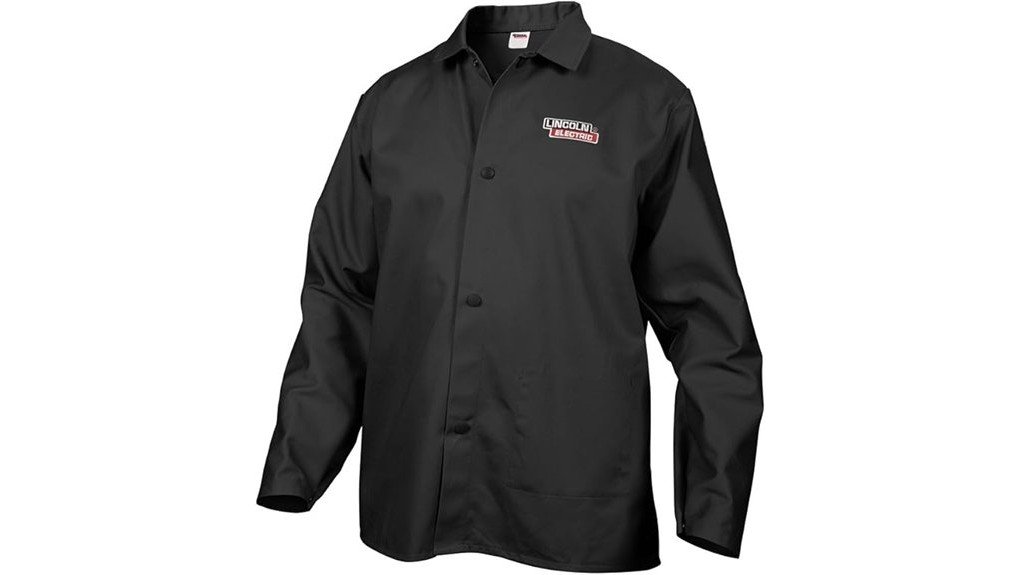
The Lincoln Electric Welding Jacket is a flame-resistant cotton jacket made for welders who need a practical barrier between their upper body and welding hazards. It covers the arms and torso and measures 30 inches from the collar seam to the bottom, giving you more coverage than a short work shirt.
The jacket uses 9 oz cotton fabric, which helps it feel more breathable and flexible than many heavier protective garments. It also includes snap sleeves for fit adjustment and an inside left pocket for small items you want to keep close while working.
Lincoln Electric has a long history in welding equipment and protective gear, and this jacket fits that practical, job-focused approach. It is not a complete PPE system by itself, but it can be a useful part of your welding setup when paired with the right gloves, helmet, eye protection, pants, boots, and respiratory protection when needed.
Before You Buy: Do not treat this jacket as a one-size-fits-all solution for every welding process. Flame-resistant cotton can be comfortable and useful, but heavy spatter, overhead work, and very high-heat jobs may call for heavier leather or a different PPE setup.
Who Should Buy It?
Best For
- Welders who want breathable upper-body protection for regular shop tasks.
- Garage users who need a flame-resistant jacket for occasional welding or fabrication work.
- Buyers who prefer a machine-washable cotton jacket over a heavier leather option.
Skip If
- You need maximum protection for overhead welding or heavy-spatter work.
- You want a leather welding jacket instead of flame-resistant cotton.
- You need verified size, warranty, or certification details before buying and the listing does not clearly show them.
Key Protection Features
The jacket’s main protection feature is its flame-resistant cotton fabric. This material is meant to help shield your arms and torso from sparks, light heat exposure, and welding spatter during typical welding tasks.
The 30-inch length matters because welding hazards do not only hit your forearms. Sparks and spatter can land on your chest, waist, and lower torso, so a longer jacket gives you more practical coverage while you work.
The snap sleeves also help with protection. A sleeve that is too loose can feel awkward and may expose more of your wrist area, while a closer fit helps keep the jacket in place when you reach, clamp, grind, or change position.
Materials and Build Quality
The jacket is made from 9 oz cotton fabric. That fabric weight gives it more structure than a basic cotton work shirt while keeping it easier to wear than many thicker protective layers.
Because the material is cotton, comfort is one of the jacket’s main advantages. You get better breathability and flexibility than you would usually expect from a heavy leather jacket, which can be useful during longer work sessions or warmer shop conditions.
The design also includes visible Lincoln Electric branding, with a full-color Lincoln Electric logo on the left chest and a Red Line logo on the back yoke. These details do not change protection, but they give the jacket a clean, branded shop look.
Fit, Coverage, and Storage
Fit matters with any welding jacket because poor fit can limit movement or leave gaps in your protection. The snap sleeves help you adjust the cuffs for a more secure feel, which is useful when you are working around clamps, benches, leads, and hot material.
The 30-inch body length gives you coverage over the torso without turning the jacket into a long coat. That makes it easier to move around a bench or project car while still giving your upper body a clear layer of protection.
The inside left pocket is a practical detail for small items. You can use it for light storage, but you should avoid loading it with bulky or heat-sensitive items that could get in the way while welding.
Pro Tip: Before your first welding session, try the jacket on with your gloves, helmet, and usual work posture. Raise your arms, reach forward, and bend at the waist to make sure the sleeves and torso coverage still protect you when you move.
Applications of the Welding Jacket
The Lincoln Electric Welding Jacket is most useful in welding environments where your arms and torso may be exposed to sparks, heat, and spatter. It works as part of your personal protective equipment, not as a replacement for a helmet, gloves, proper footwear, eye protection, or safe ventilation.
For general shop welding, the breathable cotton design can make the jacket easier to wear for longer periods. That matters because PPE only helps when you actually keep it on during the job.
For higher-risk welding tasks, choose protection based on the process, position, amperage, spatter level, and work environment. When in doubt, follow your workplace safety rules, product label, and professional guidance.
Care and Maintenance
The article-supported care detail is simple: the jacket uses machine-washable fabric. That is helpful because welding gear can pick up dust, shop dirt, and odor after repeated use.
For best results, follow the garment’s care label rather than guessing. Avoid bleach unless the label allows it, remove flammable debris before washing, and inspect the jacket after cleaning for holes, worn cuffs, weak snaps, or thinning fabric.
Replace the jacket if it becomes damaged enough to reduce coverage. A welding jacket with burns, tears, or loose closures may not protect you the way it should.
Material Safety and Comfort
This jacket is designed to reduce exposure to common welding hazards, but it should not create a false sense of safety. Flame-resistant cotton can help protect against sparks and heat exposure, but it is still a textile garment that needs proper use and routine inspection.
Comfort is a real safety factor. A jacket that feels too stiff, too hot, or too bulky may tempt you to remove it during the job. The lighter cotton construction helps reduce that problem for many shop users.
You should still use the jacket with the rest of your PPE. For welding, that often means a welding helmet, safety glasses, welding gloves, long pants, work boots, and ventilation or respiratory protection when the task requires it.
How It Performs in Real Use
For Daily Shop Use
For routine shop work, the jacket’s flame-resistant cotton and 30-inch length give you a practical balance of protection and movement. It is easier to wear during setup, tacking, light fabrication, and bench work than many heavier options.
For Garage Welding Projects
If you weld at home or in a small garage, this jacket gives you a simple way to add upper-body protection without wearing a full leather coat. It is especially useful when your work involves quick welds, repairs, or fabrication tasks where sparks can reach your sleeves and torso.
For Warm Work Conditions
The 9 oz cotton fabric gives the jacket a breathable feel, which can help when your workspace is warm. It will still feel hotter than a normal shirt because it is protective gear, but the cotton build is a comfort advantage for many users.
For Higher-Spatter Jobs
The jacket can help protect against sparks and spatter, but it may not be the best choice for every high-spatter process or overhead position. If your work throws heavy spatter or puts heat above your shoulders, compare it with heavier leather or process-specific PPE before deciding.
Fit Tips Before You Buy
Check the available size options on the product listing before ordering, since the source article does not provide a full sizing chart. A welding jacket should be roomy enough to move in but not so loose that the sleeves, front, or cuffs get in your way.
Think about what you normally wear underneath. If you wear a thick work shirt or hoodie under your PPE, you may need more room than someone who wears a lightweight base layer.
Also consider arm reach. If the sleeves pull back too much when you extend your arms, your wrists may be exposed between the jacket and gloves. That is one of the most common fit mistakes to avoid with welding jackets.
Pros and Cons
Pros
- Flame-resistant cotton helps protect your arms and torso from sparks and heat exposure.
- 30-inch length gives useful upper-body coverage for welding tasks.
- 9 oz fabric offers a practical mix of structure, breathability, and flexibility.
- Snap sleeves help you adjust the fit around the cuffs.
- Machine-washable fabric makes routine care easier.
Cons
- Not the strongest choice for every overhead, high-heat, or heavy-spatter job.
- Full sizing, certification, and warranty details should be checked on the current listing before purchase.
- Cotton jackets may wear faster than leather in harsh shop conditions.
Is It Worth the Price?
The Lincoln Electric Welding Jacket is worth considering if you want a practical cotton welding jacket from a well-known welding brand. Its value comes from the combination of flame-resistant cotton, 30-inch coverage, snap sleeves, an inside pocket, and machine-washable care.
It makes the most sense as a smart buy for everyday use, especially if you want protection that is easier to wear than a heavy leather jacket. The biggest limitation is that it may not be the right protection level for every welding position or high-spatter job.
Before buying, compare the current listing details, size options, and care instructions against your actual welding work. The best value comes when the jacket matches your process, heat level, and comfort needs.
How It Compares to Alternatives
Compared with a leather welding jacket, this Lincoln Electric cotton jacket should feel lighter and more breathable, but leather may be better for harsher spatter and heat exposure. Compared with welding sleeves alone, this jacket gives more complete torso coverage.
A heavier FR jacket may be better if you need more protection, while this cotton jacket makes more sense if you care about comfort, movement, and routine shop use. Choose based on your welding process, position, and how much heat and spatter you expect.
Frequently Asked Questions
Is the Lincoln Electric Welding Jacket suitable for all types of welding?
No welding jacket is ideal for every welding process and position. This jacket is a practical flame-resistant cotton option for many general welding tasks, but heavier leather or different PPE may be better for overhead work, heavy spatter, or high-heat environments.
What sizes are available for the Lincoln Electric Welding Jacket?
The source article says the jacket is available in various sizes, but it does not list a complete sizing chart. Check the current Amazon listing or manufacturer sizing guide before ordering, especially if you plan to wear layers underneath.
How long is the jacket?
The jacket measures 30 inches from the collar seam to the bottom. That length helps cover more of your torso than a short work shirt, which is useful when sparks or spatter may reach your chest or waist area.
Can you machine wash this welding jacket?
Yes, the source article describes the fabric as machine washable. Follow the garment care label, avoid harsh cleaning steps unless allowed, and inspect the jacket after washing for damage or worn areas.
Does the jacket have pockets?
Yes, it includes an inside left pocket. That can be useful for small items, but you should avoid carrying bulky or heat-sensitive items while welding.
Is flame-resistant cotton better than leather?
It depends on the job. Flame-resistant cotton is usually lighter and more breathable, while leather is often preferred for tougher heat and spatter exposure.
What should you check before buying?
Check the current size chart, seller details, care label, and whether the protection level fits your welding process. You should also confirm whether you need extra PPE for your specific setup.
What is the warranty policy for this welding jacket?
The original article references warranty coverage for manufacturing defects, but it does not provide a specific warranty length. Review the current listing or manufacturer information before purchase if warranty coverage is important to you.
The Bottom Line
The Lincoln Electric Welding Jacket is a strong choice if you want a breathable flame-resistant cotton jacket for regular welding and shop use. Its main strengths are the 30-inch coverage, 9 oz cotton fabric, snap sleeves, and machine-washable design, while its main limitation is that it may not be enough for every high-heat or heavy-spatter job.
Buy it if you want a practical, comfortable welding jacket from a known welding brand. Skip it if your work calls for heavier leather protection, verified specialized certifications, or maximum protection for overhead welding.