Disclosure: As an Amazon Associate, we earn from qualifying purchases. If you click a link on this page and make a purchase, we may receive a small commission at no extra cost to you.
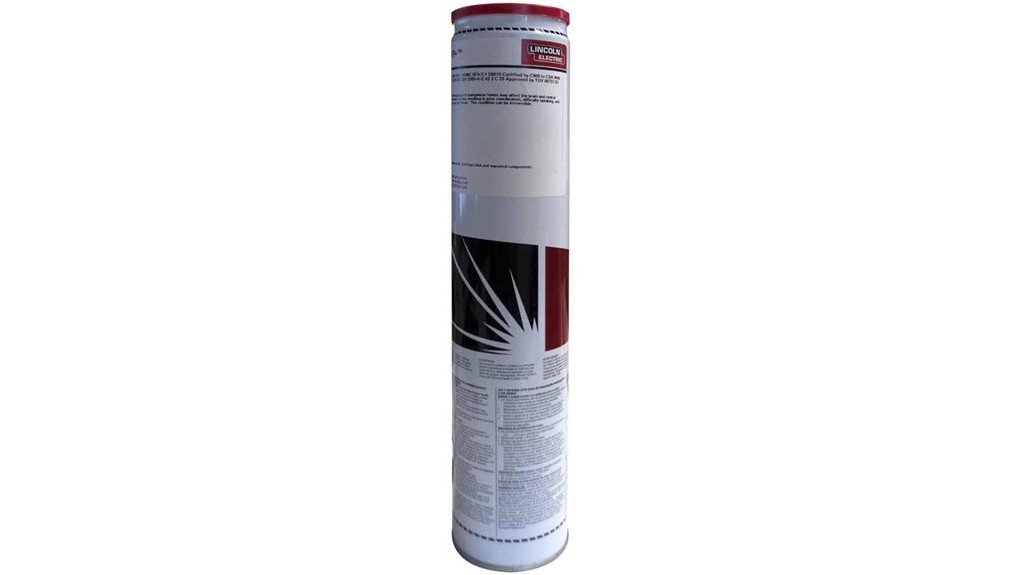
Choosing a 6010 stick electrode comes down to penetration, position control, and how well the rod behaves when the job gets awkward. The Lincoln Fleetweld 5P+ 6010 stick electrodes are aimed at welders who need a forceful arc, light slag, and dependable control in vertical, overhead, pipe, outdoor, and repair work. This review helps you decide whether this rod fits your welding setup, project material, and skill level. It is a strong match for experienced stick welders, but it is not the easiest rod for casual practice or every welding machine.
Quick Verdict
Rating: 8.4/10
Best For: Welders who need deep penetration, fast puddle control, and reliable performance in vertical, overhead, pipe, field repair, and outdoor stick-welding work.
Bottom Line: Lincoln Fleetweld 5P+ 6010 electrodes make sense when your job calls for a penetrating 6010 rod on suitable carbon-steel work. The tradeoff is that you still need the right machine, rod diameter, amperage, joint prep, and welding technique to get consistent results.
| Specification | Detail |
|---|---|
| Brand | Lincoln |
| Model | Fleetweld 5P+ 6010 |
| Product type | Stick welding electrodes |
| Electrode classification | 6010, as stated in the supplied article |
| Diameter range noted in article | 1/16 inch to 3/32 inch |
| Article-noted amperage | 90 to 150 amps as a general range, with final settings based on rod size and package instructions |
| Best use | Deep-penetration welding, pipe work, outdoor repair, vertical welding, and overhead welding |
| Supported positions | Vertical, overhead, and other demanding positions noted in the article |
| Material compatibility | Carbon steel and ferrous materials, based on the supplied article |
| Slag behavior | Light slag with less cleanup than heavier-slag rods |
| Setup note | Match rod diameter, amperage, polarity, and machine capability before welding |
| Storage note | Store in a sealed, dry container to help protect the electrode coating |
| Safety note | Follow the rod packaging, welder manual, welding procedure, and job-site safety requirements before use |
What Is the Lincoln Fleetweld 5P+ 6010?
The Lincoln Fleetweld 5P+ 6010 is a stick welding electrode for jobs where penetration and position control matter more than easy bead appearance. The supplied article describes it as a deep-penetrating 6010 rod that can work in vertical and overhead positions while producing light slag.
This type of electrode suits welders working on carbon steel, pipe, repair work, and outdoor projects where a forceful arc can help tie into the base metal. It is not a shortcut for poor prep, weak machine setup, or incorrect amperage, but it gives skilled users a useful rod for demanding welds.
Key Takeaways
- Lincoln Fleetweld 5P+ 6010 electrodes are best for welders who need deep penetration and control in difficult positions.
- The light slag profile can reduce cleanup time and help you see the puddle more clearly while welding.
- They are useful for vertical, overhead, pipe, outdoor, industrial, and repair welding tasks when a 6010 rod is appropriate.
- Rod diameter, amperage, polarity, and machine setup still matter, so you should check the package and welder manual before use.
- Beginners may find this rod less forgiving than smoother-running practice electrodes, so scrap-metal testing is smart before critical work.
Before You Buy: Confirm that your welder can run 6010 electrodes and that your project material, welding procedure, rod diameter, and amperage range match the exact package you plan to buy. Do not choose this rod by brand name alone if your machine or job calls for a different electrode classification.
Who Should Buy It?
Best For
- Welders who specifically need a 6010 electrode for deep penetration on suitable carbon steel or ferrous materials.
- Pipe, repair, industrial, vertical, and overhead welding work where puddle control matters.
- Users who prefer light slag and faster cleanup on stick-welding jobs that match this rod type.
Skip If
- You want the smoothest, most forgiving rod for basic stick-welding practice.
- Your machine setup, base metal, code requirement, or welding procedure calls for another electrode classification.
- You want one universal rod for every metal, position, and welder without checking compatibility first.
Deep Penetration and Arc Characteristics
The main reason to choose Lincoln Fleetweld 5P+ 6010 is its deep-penetrating arc. That penetration helps when you need the weld to bite into suitable carbon steel instead of sitting shallow on the surface.
The supplied article also highlights minimal slag production. Light slag can make it easier to see the puddle, watch the leading edge, and clean between passes when compared with rods that leave heavier slag coverage.
This is not a decorative-first electrode. It fits jobs where access, strength, position, and penetration matter more than getting the easiest-looking practice bead.
Position Control and Puddle Behavior
Vertical and overhead welding expose weak rod control fast. A rod that runs too fluid can sag, drip, or make the puddle hard to manage when gravity works against you.
Fleetweld 5P+ is described as effective in these challenging positions. That gives it practical value for pipe sections, brackets, frames, repair welds, and jobs where you cannot move the work into a flat position.
You still need good technique. Keep your travel speed, rod angle, arc length, and amperage in the right range for the rod size, because the electrode will not correct poor setup by itself.
Fit, Compatibility, and Machine Setup
The article supports use on carbon steel and ferrous materials, but that does not make the rod right for every job. You should confirm the electrode classification, base metal, joint design, and required welding procedure before using it on structural, pressure, or safety-critical work.
Machine compatibility matters with 6010 electrodes. Before buying, check your welder manual for supported electrode types, polarity requirements, and output capability for the rod diameter you plan to run.
The article mentions 90 to 150 amps as a general range, but you should treat that as a starting reference, not a universal setting. Smaller rods, thinner material, and different machines can require different amperage choices.
How It Performs in Real Use
For Pipe Welding
Fleetweld 5P+ 6010 makes sense for pipe work because the article describes strong penetration and reliable control in demanding positions. That helps when your angle changes around a curved surface and you need the arc to stay focused.
For Vertical and Overhead Work
Vertical and overhead welding are clear use cases for this electrode. It gives you a practical option when the workpiece cannot be rotated, clamped flat, or moved into a bench-friendly position.
For Outdoor Repair Work
The article supports outdoor welding use, which matters for field repairs and job-site tasks. You should still protect the work area from unsafe wind, rain, moisture, and contamination before welding.
For Industrial and Repair Projects
Industrial and repair projects often need repeatable weld quality and a rod that can handle different positions. Fleetweld 5P+ fits that buyer when the job calls for a 6010 electrode and the operator has enough experience to run it correctly.
How to Use It Correctly
Start by checking the electrode package and your welder manual. Match the rod diameter to the recommended amperage range before you strike an arc, especially if you are switching between smaller and larger rods.
Prepare the joint as well as the job allows. Remove heavy contamination, check fit-up, and practice your travel speed on scrap steel before welding a critical part.
For vertical or overhead welding, focus on a short, controlled arc and steady motion. If the puddle becomes hard to manage, stop and adjust your setup rather than forcing the bead.
Pro Tip: Keep scrap pieces of similar thickness near your workstation and run a short test bead before the real weld. That quick check can show whether the rod is digging properly, running too cold, or running too hot for your setup.
Storage and Handling
Electrode storage matters because moisture, dirt, and coating damage can affect arc behavior. Keep the rods in a sealed, dry container when you are not using them.
Avoid leaving open rods on a damp bench, in a truck bed, or near water. If the electrode coating becomes damaged or contaminated, the arc may not behave as expected.
You should also protect rods from impact. A cracked or chipped coating can affect arc stability and make the rod less predictable during welding.
Compatibility and Safety
Lincoln Fleetweld 5P+ 6010 is described in the article as suitable for carbon steel and ferrous materials. Before you weld, confirm that the electrode classification matches your base metal, joint design, welding procedure, and equipment.
Use proper welding safety gear, including eye protection, gloves, protective clothing, and ventilation suited to the job. Welding fumes, arc light, sparks, and hot metal can all create hazards if you skip basic protection.
For structural, pressure, code, or safety-critical welding, follow the required welding procedure and get qualified guidance. A strong electrode does not replace training, inspection, or procedure control.
Pros and Cons
Pros
- Deep arc penetration helps create strong welds on suitable carbon-steel work.
- Light slag can reduce cleanup and improve puddle visibility while welding.
- Useful for vertical and overhead positions where puddle control is important.
- Fits pipe, repair, industrial, and outdoor welding applications when a 6010 rod is appropriate.
- Good choice for experienced stick welders who understand rod setup and technique.
Cons
- Not the easiest electrode for complete beginners who want a very forgiving arc.
- Requires correct machine support, rod diameter, amperage, polarity, and technique.
- Not suitable for every metal, welding procedure, job code, or project specification.
Is It Worth the Price?
The Lincoln Fleetweld 5P+ 6010 is worth considering if you need deep penetration, position control, and a stick electrode suited to demanding steel work. It offers strong value for welders who can use a 6010 rod correctly and need it for pipe, field repair, outdoor, or overhead work.
It is not the best fit if you only need a casual practice rod or if your welding machine and project call for another electrode type. The best value comes from matching the rod to the job, not buying it simply because it is a known name.
How It Compares to Alternatives
If you want a rod that feels smoother for basic shop practice, another electrode type may be easier to learn on. If you need strong penetration and position control, Fleetweld 5P+ 6010 is the better fit than rods chosen mainly for easy bead appearance.
Compared with general-purpose stick electrodes, this product makes the most sense for welders who specifically want a 6010-style rod for demanding work. It is less ideal if your main goal is light-duty practice, cosmetic welds, or the easiest possible arc start.
Frequently Asked Questions
What is the recommended amperage range for Lincoln Fleetweld 5P+?
Use the amperage range printed on the electrode package for the exact rod diameter you buy. The supplied article mentions 90 to 150 amps as a general range, but smaller rods, thinner steel, and different machines may need a different setting.
Can Lincoln Fleetweld 5P+ be used for pipe welding?
Yes, the supplied article supports pipe welding as one of the key use cases. Its deep penetration and ability to work in challenging positions make it a practical option when the job calls for a 6010 electrode.
What materials is Lincoln Fleetweld 5P+ suitable for?
The article describes it as suitable for carbon steel and ferrous materials. You should still check your base metal, project requirements, and welding procedure before using any electrode on a critical job.
Is Lincoln Fleetweld 5P+ good for vertical and overhead welding?
Yes, the article specifically highlights vertical and overhead positions. That makes it useful when you cannot rotate the workpiece into a flat welding position.
Does this rod work for beginners?
A beginner can practice with it, but it may feel less forgiving than easier-running practice rods. If you are new to stick welding, start on scrap steel and focus on arc length, travel speed, and amperage before using it on important work.
How should Lincoln Fleetweld 5P+ electrodes be stored?
Store them in a sealed, dry container and keep them away from moisture, dirt, and damaged packaging. Good storage helps protect the coating and keeps the rods more predictable during welding.
Is Lincoln Fleetweld 5P+ suitable for outdoor welding?
The supplied article supports outdoor welding use. You should still protect the work area from unsafe conditions and avoid welding in rain, standing water, or any setup that creates electrical or fume hazards.
Who should skip Lincoln Fleetweld 5P+ 6010 electrodes?
Skip them if your machine, material, or welding procedure calls for a different electrode. They may also feel too demanding if you are a new welder looking for the easiest rod for simple practice beads.
The Bottom Line
The Lincoln Fleetweld 5P+ 6010 is a strong pick for welders who need deep penetration, light slag, and reliable control in pipe, vertical, overhead, outdoor, and industrial welding tasks. Skip it if you need a more forgiving beginner rod or if your project requires a different electrode type. For the right user, it is a practical 6010 electrode with clear strengths and a few setup-dependent limits.