Disclosure: As an Amazon Associate, we earn from qualifying purchases. If you click a link on this page and make a purchase, we may receive a small commission at no extra cost to you.
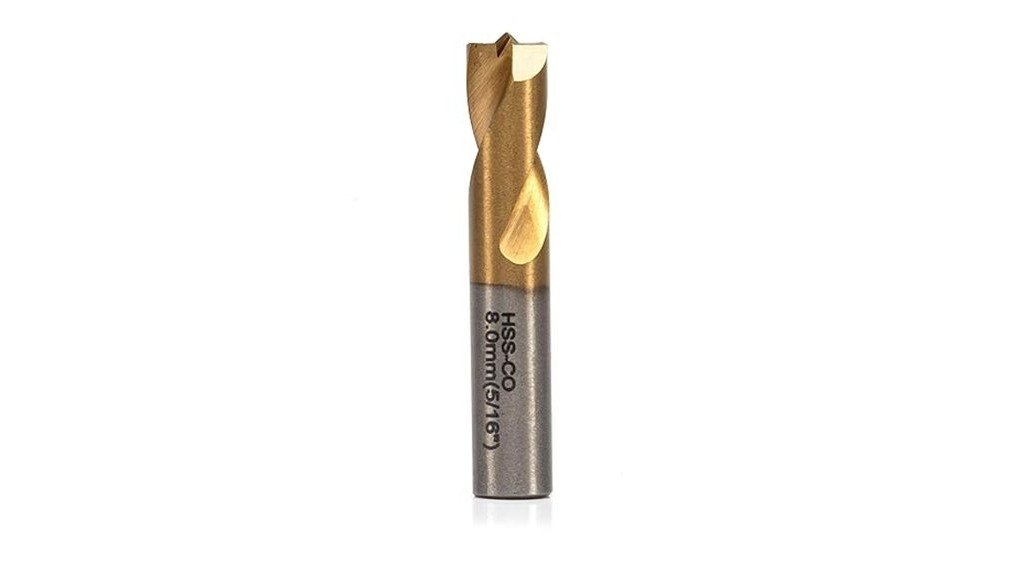
Removing factory spot welds can get frustrating fast if your bit wanders, overheats, or chews up the surrounding panel. The Neiko 10052A Spot Weld Drill Bits are made for that exact job, using an 8mm size, a nibbed pilot tip, a high-speed steel cobalt mix, and a titanium coating to help you separate spot welds with better control. This review explains where these bits make sense, what details matter before you buy, and where they may fall short. They are a solid option for automotive sheet metal work, but you still need the right drill speed, pressure, and technique to avoid panel damage.
Quick Verdict
Rating: 8.4/10
Best For: DIY auto body repair, panel removal, and metalworking jobs where you need to separate spot welds without cutting through the whole panel.
Bottom Line: The Neiko 10052A is worth considering if you need a focused spot weld removal bit with a cobalt steel blend, titanium coating, and a nibbed pilot tip for better starts. The main tradeoff is that results depend heavily on correct drill control, so it is not a magic fix for rushed or poorly supported panel work.
| Specification | Detail |
|---|---|
| Brand | Neiko |
| Model | 10052A |
| Product type | Spot weld drill bits for automotive and metalworking use |
| Bit size | 8mm, also listed as 5/16 inch |
| Length | 1-3/4 inches, also listed as 45mm |
| Material | Special grade high-speed steel cobalt mix |
| Coating | Titanium coating for heat resistance |
| Tip design | Nibbed pilot tip designed to improve starting accuracy and reduce slipping |
| Body design | Flat ground surface on the bottom half for strength and better chuck hold |
| Best use | Separating spot welds in sheet metal, especially in automotive repair |
| Drill compatibility | Article-supported compatibility with most cordless drills, as long as the drill can hold the bit securely |
What Is the Neiko 10052A?
The Neiko 10052A is a spot weld drill bit made for separating welded sheet metal panels. It is aimed at automotive repair, restoration work, metal fabrication, and shop jobs where you want to cut the weld point while limiting damage to the surrounding metal.
Its main design details are the 8mm size, 1-3/4 inch length, high-speed steel cobalt mix, titanium coating, and nibbed pilot tip. Those details matter because spot weld removal needs more control than normal drilling. You are not just making a hole, you are trying to cut through the weld layer cleanly enough to separate two panels.
The bit is especially useful when you are removing damaged panels, drilling factory spot welds on brackets, or working around thin sheet metal. It is less ideal if you expect one bit to solve every drilling task in the shop, because spot weld cutters work best when used for their intended purpose.
Who Should Buy It?
Best For
- Auto body DIYers removing factory spot welds from thin sheet metal panels.
- Technicians who want a dedicated 8mm spot weld bit instead of using a standard twist bit.
- Metalworkers who need better starting control from a nibbed pilot tip.
Skip If
- You need a complete panel removal kit with clamps, center punches, or multiple cutter sizes.
- You plan to drill thick structural steel where a different bit style may be better suited.
- You do not want to manage drill speed, pressure, and panel support during use.
Before You Buy: Confirm the current Amazon listing details, package contents, and seller notes before ordering. The source article supports the size, length, material, coating, and tip design, but package count and warranty terms should be checked on the live listing.
Materials and Build Quality
The strongest part of the Neiko 10052A description is its material choice. The article identifies the bit as a special grade high-speed steel cobalt mix. That matters because spot weld removal creates heat and pressure at a small contact point, and softer bits can dull quickly when used on automotive sheet metal.
The titanium coating is another useful feature because it helps the bit handle heat during repeated drilling. It does not mean you can run the tool carelessly, though. You should still avoid excess speed, let the bit cut instead of forcing it, and consider pausing between welds when the bit gets hot.
The flat ground surface on the bottom half is designed to improve strength and chuck hold. For you, that means less frustration from slipping in the drill chuck when the bit is tightened correctly. It also helps the bit feel more controlled during the start of a cut.
Tip Design and Drilling Accuracy
The nibbed pilot tip is one of the most important buying details. A normal twist bit can skate across painted, curved, or slightly uneven metal if you do not center punch the weld first. The Neiko 10052A uses its nibbed tip to help the bit start closer to the weld center and reduce slipping.
This can save time when you are drilling many welds across a quarter panel, rocker section, bracket, or replacement panel. Better control also lowers the chance of opening the hole too wide or cutting into the lower panel when you only want to separate the top layer.
Pro Tip: Mark each spot weld clearly before drilling, then start with light pressure until the nibbed tip seats. Once the bit is centered, use steady pressure and stop as soon as the panel starts to release.
Fit and Compatibility
The article states that the Neiko 10052A works with most cordless drills. That makes it easy to use in a home garage or mobile repair setup, as long as your drill chuck can grip the bit securely and the drill has enough control for metal work.
For best results, use a drill that lets you control speed smoothly. A high-speed, all-or-nothing trigger can make spot weld drilling harder because the bit may overheat, skate, or cut too aggressively. A stable drill, a firm grip, and good panel support matter as much as the bit itself.
The 8mm, 5/16-inch size is a practical match for many automotive spot welds. Still, not every weld is the same size. If the weld is larger, harder, or poorly visible, you may need more careful positioning or a different tool for that specific job.
Performance and Reliability
In use, the Neiko 10052A is designed to separate spot welds without distorting the sheet metal around them. That is the main reason to choose a spot weld bit instead of grabbing a standard drill bit from a general set. You want the upper panel to release while leaving as much surrounding metal intact as possible.
The cobalt steel mix and titanium coating support repeated use, especially when you avoid overheating the cutting edge. The bit should perform best on clean, marked welds where paint, rust, seam sealer, or undercoating has been removed from the drilling area.
The main limitation is technique. If you drill too fast or push too hard, even a good spot weld bit can dull, grab, or cut deeper than planned. Good results come from controlled pressure, correct alignment, and stopping often enough to check your progress.
How It Performs in Real Use
For Auto Body Panel Removal
This is the most natural use for the Neiko 10052A. When you are replacing a panel or removing a damaged section, the nibbed pilot tip helps you stay on the weld center. The 8mm size gives you a focused cut that can separate many common spot welds without turning the panel into a large open hole.
For Restoration Work
Older vehicles often have rust, paint buildup, or uneven weld locations. The bit can still help, but you should clean the area first so you can see each weld clearly. A wire wheel, scraper, or sanding disc can expose the welds before you start drilling.
For Metalworking Projects
Outside of auto repair, the bit can help when you need to remove or alter welded sheet metal parts. It is useful for projects where control matters more than speed. The flat ground design and pilot tip make it easier to keep the bit steady compared with a general-purpose bit.
For Aluminum Panels
The original article notes aluminum panel compatibility. If you use the bit on aluminum, take a lighter approach because aluminum can grab, clog, or deform more easily than steel. Test on a scrap area when possible, support the panel, and stop often to clear chips.
How to Use It Correctly
Start by cleaning the weld area so you can see the spot weld clearly. Paint, sealer, rust, and dirt can hide the weld center and make the bit wander. Mark the center of each weld before drilling, especially when you are working on visible body panels.
Keep the drill straight and let the bit do the cutting. Do not angle the bit unless the panel shape forces you to, because side pressure can dull the edge or create an uneven hole. If the panel starts to separate, stop and check before drilling deeper.
Use steady pressure instead of forcing the drill. Too much pressure can overheat the bit, distort the panel, or cut through both layers. If the bit gets hot, pause and let it cool before moving to the next weld.
Compatibility and Safety
Spot weld drilling is a metal-cutting task, so basic shop safety matters. Wear eye protection, keep loose clothing away from the drill, and secure the workpiece whenever possible. Sharp chips can come off quickly, especially when drilling through coated or previously repaired panels.
When working on a vehicle, check what sits behind the panel before drilling. Wiring, fuel lines, trim, glass, and hidden brackets can be close to the weld area. A spot weld bit gives you more control, but it cannot protect hidden parts if you drill too deep.
If the panel is structural, safety-related, or part of a certified repair procedure, follow the vehicle manufacturer’s repair information or get professional guidance. The Neiko 10052A can help with the drilling step, but it does not replace correct repair planning.
Pros and Cons
Pros
- 8mm, 5/16-inch size is useful for many automotive spot weld removal jobs.
- High-speed steel cobalt mix supports durability during metal drilling.
- Titanium coating helps the bit handle heat better during repeated use.
- Nibbed pilot tip helps reduce slipping and improves starting accuracy.
- Flat ground bottom half supports strength and better chuck hold.
Cons
- Not a full panel removal kit, so you may still need punches, clamps, scrapers, or other tools.
- Results depend on correct speed, pressure, and drilling depth.
- Package count and warranty details should be confirmed on the current listing before purchase.
Is It Worth the Price?
The Neiko 10052A looks like a strong value for the price if your main need is spot weld removal. It is more focused than a basic drill bit set because the pilot tip, 8mm size, cobalt steel mix, and titanium coating are all tied to metal panel work.
You get the most value from it if you have several spot welds to remove, such as during panel replacement or restoration prep. A standard twist bit may be cheaper if you only need to drill ordinary holes, but it is not as purpose-built for separating welded panels.
The honest limitation is that this bit works best as part of a careful process. You may still need cleaning tools, a center punch, clamps, seam splitters, and patience to complete the job cleanly.
How It Compares to Alternatives
Compared with standard twist drill bits, the Neiko 10052A is better suited for spot weld separation because the tip design is meant to help center the cut and reduce slipping. Standard bits can work in some cases, but they are more likely to drill straight through both panels or wander off the weld center.
Compared with larger hole saw-style spot weld cutters, this 8mm bit is simpler and more compact. Larger cutters may be useful for bigger welds or specific shop preferences, but the Neiko 10052A makes the most sense if you want a straightforward drill-bit-style tool for common automotive spot welds.
Frequently Asked Questions
Can the Neiko 10052A remove automotive spot welds?
Yes. The bit is designed for separating spot welds in automotive and metalworking tasks. Its 8mm size, cobalt steel mix, titanium coating, and nibbed pilot tip all support controlled spot weld removal.
What size is the Neiko 10052A spot weld bit?
The article lists the bit as 8mm, also shown as 5/16 inch. It also lists the length as 1-3/4 inches, or 45mm.
What type of drill can you use with it?
The article says the Neiko 10052A bits are compatible with most cordless drills. For best control, use a drill with a secure chuck and a trigger that lets you manage speed smoothly.
Can you use these bits on aluminum panels?
The source article states that the bits can be used on aluminum panels. Use light pressure, support the panel, and stop often to clear chips because aluminum can grab or deform more easily than steel.
How do you keep the bit from slipping?
Clean the panel first, mark the weld center, and start with light pressure until the nibbed pilot tip seats. Keeping the drill straight also helps the bit cut cleanly without skating across the panel.
How should you maintain these spot weld drill bits?
Wipe the bit clean after use, remove metal chips, and store it in a dry place. Avoid running it too hot, because heat can shorten cutting life even with a titanium coating.
Is there a warranty for the Neiko 10052A?
The source article mentions warranty coverage against manufacturing defects, but it does not provide exact terms. Check the current Amazon listing or manufacturer information before buying if warranty coverage is important to you.
The Bottom Line
The Neiko 10052A Spot Weld Drill Bits are recommended with caveats for auto body repair, restoration, and metalworking jobs where you need a dedicated 8mm spot weld removal bit. The main strength is the focused design, including the cobalt steel mix, titanium coating, flat ground bottom, and nibbed pilot tip. Skip it if you need a full panel removal kit, multiple cutter sizes, or a tool that requires little technique.