Nueve Deer Hardware Cloth Review
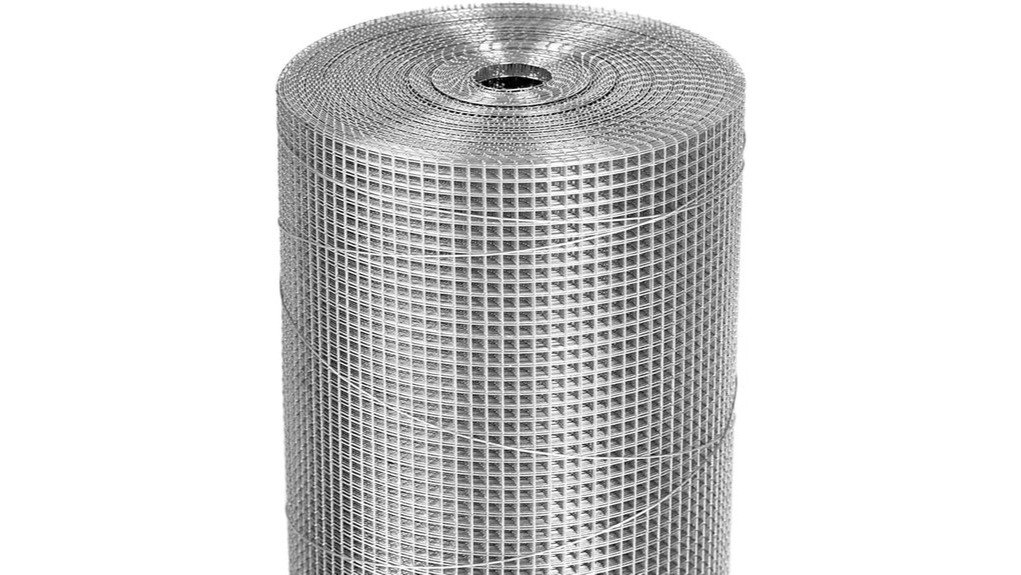
Small gaps can undo an otherwise solid chicken coop, garden enclosure, or raised-bed barrier. The Nueve Deer Hardware Cloth uses 1/4-inch square openings across a 48-inch by 100-foot roll, giving you a tighter barrier than common poultry netting. Its main strengths are broad coverage, a 23-gauge welded grid, and a galvanized-after-welding finish. Its main tradeoffs are the heavy 44.1-pound roll and the sharp edges you must manage during cutting and installation.
This review explains the verified size, model, material, coverage, setup needs, common uses, and limitations so you can decide whether this specific roll fits your project.
Quick Verdict
Rating: 8.5/10, recommended with practical handling caveats
Best For: Chicken-coop openings, raised-bed bottoms, garden barriers, gopher and rodent exclusion projects, tree guards, and other large DIY jobs that need 1/4-inch welded mesh.
Bottom Line: This Nueve Deer roll gives you 400 square feet of small-opening galvanized mesh in one package. It is a strong fit for larger projects, but the roll is heavy and the cut wire edges require careful handling.
Key Specifications
| Specification | Detail |
|---|---|
| Brand | Nueve Deer |
| Model | HC-23G |
| ASIN | B0CR5P6PR7 |
| Product type | Welded hardware cloth / galvanized wire mesh |
| Roll size | 48 inches wide by 100 feet long |
| Covered area | 400 square feet before cuts, overlaps, and waste |
| Mesh opening | 1/4 inch by 1/4 inch square |
| Wire gauge | 23 gauge |
| Wire material | Annealed steel wire |
| Finish | Hot-dip galvanized after welding |
| Listed item weight | 44.1 pounds |
| Listed package dimensions | 10 by 10 by 48 inches |
| Color | Galvanized metal finish |
| Package note | One hardware-cloth roll; the listing states that installation gloves are included |
| Best uses | Coop openings, chicken runs, raised beds, gopher barriers, rodent exclusion, snake fencing, tree guards, soil sifters, and DIY mesh panels |
| Safety note | Wear sturdy gloves and eye protection, control the roll while opening it, and fold or cover exposed cut edges |
What Is the Nueve Deer Hardware Cloth?
The Nueve Deer HC-23G is a welded wire-mesh roll with 1/4-inch square openings. It is 48 inches wide and 100 feet long, so the uncut roll covers up to 400 square feet.
The wire is listed as annealed steel with a hot-dip galvanized finish applied after welding. Galvanizing the completed grid helps coat the weld areas as well as the wire, which is useful when the mesh will face outdoor moisture. It is still metal fencing, so service life depends on drainage, soil chemistry, fastener choice, cut-edge protection, and routine inspection.
Who Should Buy It?
Best For
- You need 1/4-inch mesh for smaller gaps around a coop, run, garden, or raised bed.
- Your project needs a full 48-inch width and enough material for several panels or long sections.
- You prefer welded galvanized mesh that holds a square grid better than loose hexagonal poultry netting.
Skip If
- You only need a small patch and do not want to store the unused part of a 100-foot roll.
- You need heavier wire for high-impact livestock fencing or a primary structural barrier.
- You cannot safely handle a heavy springy roll or sharp cut wire.
Before You Buy: Confirm the 1/4-inch opening, 23-gauge wire, 48-inch width, and 100-foot length match your plan. This mesh helps close small gaps, but it does not replace a rigid frame, secure latches, buried-edge planning, or heavier fencing where large-animal impact is possible.
Key Features
1/4-Inch Openings for Tighter Exclusion
The 1/4-inch square grid is the main reason to choose this roll over common 1/2-inch hardware cloth or larger poultry netting. Smaller openings can help close vents, lower-wall gaps, raised-bed bottoms, and other areas where wider mesh may leave too much room for small pests.
23-Gauge Welded Grid
The listing identifies this variant as 23 gauge. Wire-gauge numbers work in reverse, so a lower gauge is generally thicker than a higher gauge. This 23-gauge roll is suited to small-opening exclusion and general garden or coop work, while the brand’s 1/2-inch variant uses thicker 19-gauge wire.
Because the wires are welded at the intersections, the grid holds its square pattern better than twisted poultry netting. Secure it to solid framing because unsupported spans and weak fasteners can still flex or pull loose.
48-Inch by 100-Foot Roll
A full roll provides 400 square feet before you account for overlap, trimming, damaged sections, and offcuts. The 48-inch width is convenient for four-foot panels, coop walls, garden borders, and raised-bed layouts because it can reduce horizontal seams.
The listed 44.1-pound roll may be awkward to carry and flatten alone, so a clear work surface and a helper can improve control.
Hot-Dip Galvanized After Welding
The wire is galvanized after the grid is welded. This process helps cover the wire and welded joints with a corrosion-resistant zinc layer. That is useful for outdoor projects exposed to rain, humidity, and occasional soil contact.
Galvanized does not mean maintenance-free. Inspect cut ends, ground-contact areas, fastener points, and places where trapped moisture or soil can speed up corrosion.
Carton Packaging and Listed Gloves
The product comparison information lists carton packaging, which can help keep the roll contained during shipping and storage. The product description also states that gloves are included for installation.
Confirm the roll size, mesh opening, and included accessories before cutting. Heavier cut-resistant gloves may offer better protection than a basic included pair.
Build Quality and Durability
The seller describes manual inspection for welding, galvanized coverage, and broken wires. Those quality-control statements are useful context, but you should still inspect your own roll before installation. Look for missed welds, bent sections, broken wires, bare spots, crushed edges, or uneven mesh.
| Inspection Area | What to Check |
|---|---|
| Welds | Intersections should stay joined during normal bending and fastening |
| Galvanized finish | Watch for bare steel, heavy flaking, or early rust |
| Grid alignment | Openings should remain close to the listed 1/4-inch square pattern |
| Edges | Trim or fold protruding wires before people or animals can contact them |
Installation and Setup Tips
Measure Before You Cut
Map every panel, opening, overlap, and buried section before cutting the roll. Add enough material for secure fastening and seam overlap. Mark cuts with a permanent marker or masking tape so you can follow a straight grid line.
Control the Roll While Opening It
Hardware cloth stores tension when rolled. Place it on a flat, clear surface and keep hands away from the free edge as you remove packaging. Use clamps, boards, or a helper to stop the mesh from springing back while you measure.
Match Fasteners to the Frame
For wood, fencing staples or exterior screws with washers can spread the load better than a few small staples. For metal frames, use compatible clips, ties, or fasteners that will not create a corrosion problem. Space fasteners closely enough that animals cannot pull the edge away from the frame.
Finish Seams and Edges
Overlap joined sections and fasten both layers to solid framing when possible. Fold sharp edges inward or cover them with wood trim, edge channel, or another suitable barrier. Check doors, corners, roof lines, and ground transitions because these areas often fail before the middle of a panel.
Pro Tip: Cut the roll into manageable panels near the work area instead of carrying the full 44.1-pound roll around the project. Label each panel before installation so the best factory edges can face exposed areas.
How It Performs in Real Use
Chicken Coops and Runs
The 1/4-inch grid works well for vents, windows, lower wall sections, and framed run panels where you want smaller openings than poultry netting provides. It can also close narrow gaps around roof lines and corners. The mesh is only one part of a secure enclosure, so strong framing, door hardware, fastener spacing, and ground-level protection still matter.
Raised Beds and Gopher Barriers
Cut panels can be placed below raised beds to reduce access from digging pests while still allowing drainage. Install the mesh before adding soil, fasten it to the bed frame, and avoid leaving sharp edges where hands may reach during planting or maintenance.
Soil conditions affect metal life. Keep drainage paths open and inspect exposed edges when you replace soil or rebuild the bed.
Garden and Tree Protection
The four-foot width can form low garden barriers or cylindrical guards around young trees. When wrapping a tree, leave space for trunk growth and keep wire from rubbing against bark. Stake or frame the mesh so it does not collapse into plants during wind or animal contact.
Repairs, Soil Sifters, and DIY Panels
The welded square grid can be cut into vent covers, repair patches, sifter screens, cage panels, and utility guards. For a soil sifter, support the mesh with a rigid frame and expect abrasive soil and rocks to wear the finish over time. For small patches, deburr the edges and fasten the repair beyond the damaged area.
Safety and Handling
Wear sturdy gloves, long sleeves, and eye protection when opening, cutting, or fastening the roll. Cut wires can be sharp enough to puncture skin, and clipped pieces can fly. Use suitable aviation snips or wire cutters and keep children and animals away from the work area.
The roll is heavy and can spring open. Lift with care, keep the work surface clear, and ask for help if you cannot control it safely. Store unused mesh secured in its carton or tied so it cannot uncoil.
After installation, run a gloved hand near edges and seams to find protruding wire. Fold, trim, or cover hazards. Recheck the installation after storms, ground movement, animal pressure, or seasonal temperature changes.
Pros and Cons
Pros
- 1/4-inch square openings suit tighter pest-exclusion work.
- The 48-inch by 100-foot roll provides up to 400 square feet before trimming.
- Welded construction holds a more stable grid than twisted poultry netting.
- Hot-dip galvanizing after welding helps protect wire and weld points outdoors.
- The full-width roll can reduce seams on four-foot panels and long project sections.
Cons
- The listed 44.1-pound roll can be awkward to move and unroll alone.
- Cut ends are sharp and require gloves, edge finishing, and careful cleanup.
- Twenty-three-gauge wire is not the best choice for high-impact livestock fencing or unsupported structural use.
Is It Worth the Price?
This roll is worth considering when you need a large amount of 1/4-inch hardware cloth and want to avoid buying several smaller rolls. The value comes from the 400-square-foot coverage, full 48-inch width, welded grid, and galvanized-after-welding finish.
You get the most value when your project uses most of the roll across several beds, coop panels, vents, or barriers. It is less practical for one small repair because the package is heavy, takes storage space, and leaves a large amount of unused material.
Do not judge value by roll length alone. Compare mesh opening, wire gauge, finish, shipping condition, and the amount of overlap your design requires. A cheaper wider-opening mesh may not solve the same small-gap problem.
How It Compares to Alternatives
Nueve Deer also sells a 1/2-inch, 48-inch by 100-foot version made with thicker 19-gauge wire. That variant may be a better match when you want a stronger grid and do not need 1/4-inch openings. For the same 1/4-inch, 48-inch by 100-foot, 23-gauge format, SEBOSS and HUNKA offer closely matched galvanized alternatives worth comparing for current price, packaging, and seller support.
The Nueve Deer HC-23G makes the most sense when its exact combination of small openings, four-foot width, full 100-foot length, and galvanized finish matches your layout. Choose by project requirements rather than brand name alone.
Frequently Asked Questions
What size and gauge is this Nueve Deer hardware cloth?
This specific listing is a 48-inch by 100-foot roll with 1/4-inch square openings and 23-gauge wire. The uncut roll covers up to 400 square feet before overlaps, trimming, and waste.
Is hardware cloth the same as chicken wire?
No. Hardware cloth uses a welded square grid, while common chicken wire uses a twisted hexagonal pattern. The welded grid is more rigid and the 1/4-inch openings are much smaller than typical poultry netting.
Can it make a chicken coop predator-proof by itself?
No mesh roll makes an enclosure secure by itself. You also need solid framing, closely spaced fasteners, secure doors and latches, protected seams, and a ground-level plan that matches the animals in your area.
Can you install this hardware cloth underground?
The listing includes underground gopher-barrier and raised-bed uses. Galvanized steel can still corrode over time, especially in wet, salty, acidic, or fertilizer-rich soil, so provide drainage and inspect accessible edges when possible.
What is the safest way to cut the mesh?
Use sturdy gloves, eye protection, and aviation snips or wire cutters rated for the wire. Control both sides of the cut, collect clipped pieces, and fold or cover the finished edge before installation.
Which fasteners should you use?
Use fasteners suited to your frame and outdoor conditions. Exterior screws with washers, fencing staples, clips, or compatible ties can work, but spacing and edge support matter as much as the fastener type.
Are installation gloves included?
The Amazon product description states that gloves are included. Check the package on arrival because included accessories and packaging can change, and use heavier cut-resistant gloves if the supplied pair does not provide enough protection.
What warranty does Nueve Deer provide?
The product page provides a link for warranty information but does not show a clear warranty term in the main listing details. Review the current warranty page or contact the seller before buying if coverage is important to your project.
The Bottom Line
The Nueve Deer HC-23G is a good choice when you need 1/4-inch welded mesh across a large four-foot-wide roll for coops, gardens, raised beds, or small-pest barriers. Its 400-square-foot coverage and galvanized-after-welding finish are the main strengths, while the 44.1-pound roll, sharp edges, and lighter 23-gauge wire are the main limitations.
Buy it when the exact mesh size and roll dimensions fit a large project. Skip it when you need only a small patch, a soft netting material, or heavier fencing for repeated high-impact use.
Ready to Buy?
Check the latest price, package details, and seller information before you decide.