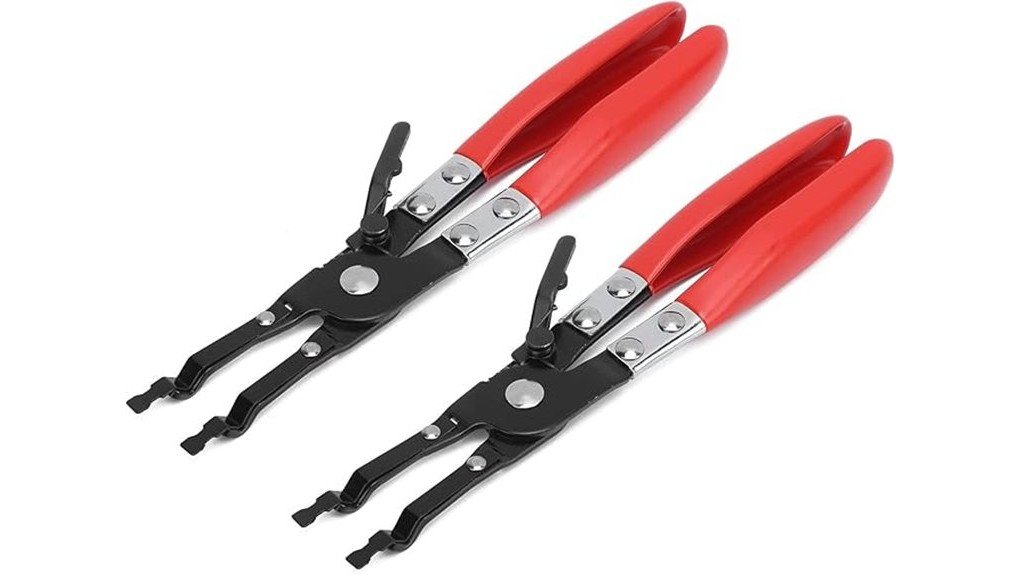
This car soldering pliers set is a 2-piece pair of hand tools sold for holding two wires together while you solder them. The listing says they are high carbon steel with ergonomic handles for one-handed use, at about 10 inches long and 8.1 ounces.
They are a holding aid for automotive wiring repair, not a soldering iron and not a welding tool. The listing leaves out the jaw style, maximum wire gauge and any heat rating, so check those before you rely on them for a job.
Quick take
Best for: DIYers doing car wiring repairs who want a third hand to keep two wires aligned while soldering.
Skip it if: You need a documented wire gauge range, a heat-rated clamp, or a tool for crimped connectors rather than solder.
Check first: The jaw design in the listing photos, the wire sizes it can hold, and that both pliers are included.
Soldering Pliers Specs (Per the Listing)
| Spec | Detail |
|---|---|
| Product | 2 piece car soldering plier set |
| Purpose | Holds two wires together while soldering |
| Material | High carbon steel |
| Handles | Ergonomic, one-handed use |
| Listed size | About 10 x 2.87 x 1.57 inches |
| Listed weight | About 8.1 ounces |
| Maximum wire gauge | Not stated |
| Case | Not included |
What Car Soldering Pliers Are For
Automotive wiring repairs often mean joining two wires in cramped, awkward spots. Soldering pliers hold the strands in position so you can heat the joint and add solder with your free hand.
They help with splicing, repairing broken wires and holding a wire against a terminal. They do not replace crimping or heat-shrink butt connectors, which are common in vehicle wiring.
How to Solder Two Wires with Pliers
- Strip about 1 cm of insulation from each wire and twist the strands neatly.
- Slip heat-shrink tubing over one wire first.
- Hold the wires together in the pliers so the bare strands overlap.
- Heat the wire, not the solder, with the iron and feed rosin-core solder into the joint.
- Let it cool without moving, then slide the heat-shrink over the joint and shrink it.
Always disconnect the battery before touching vehicle wiring. Use lead-free rosin-core solder and good ventilation, and keep your face away from solder fumes.
Pros and Limitations
| Pros | Limitations |
|---|---|
| Frees a hand for the iron and solder | Maximum wire gauge not stated |
| Lightweight at about 8 ounces | No protective case included |
| One-handed use, per the listing | Metal jaws can get hot near the joint |
| Two pieces in the set | Jaw design not described in the text |
Alternatives
A helping-hands stand, clamp-style third hand or a crimp-and-heat-shrink connector kit can do the same job. Our soldering reviews below cover irons, flux and kits to go with them.
Related reading: soldering flux types · soldering iron kit review · solder flux review
Frequently Asked Questions
What are car soldering pliers used for?
They hold two wires together so you can solder them with one hand free, which helps with wiring repairs in tight spots.
Can I use them for welding?
No. They are not designed for welding. They are a holding aid for soldering small wires.
What wire size do they hold?
The listing does not give a maximum wire gauge. Test with a scrap piece of the wire you plan to repair.
Should I solder or crimp car wiring?
Both are used. A good crimped connector with heat-shrink often resists vibration well, and soldering suits permanent splices if the joint is supported and sealed.
Do they come with a case?
Not according to the listing. Store them somewhere dry to avoid rust.
Bottom Line
These car soldering pliers are a simple third-hand tool for wiring repairs. They are handy if you do automotive electrical work. Confirm the jaw style and wire capacity on the listing first.