Disclosure: As an Amazon Associate, we earn from qualifying purchases. If you click a link on this page and make a purchase, we may receive a small commission at no extra cost to you.
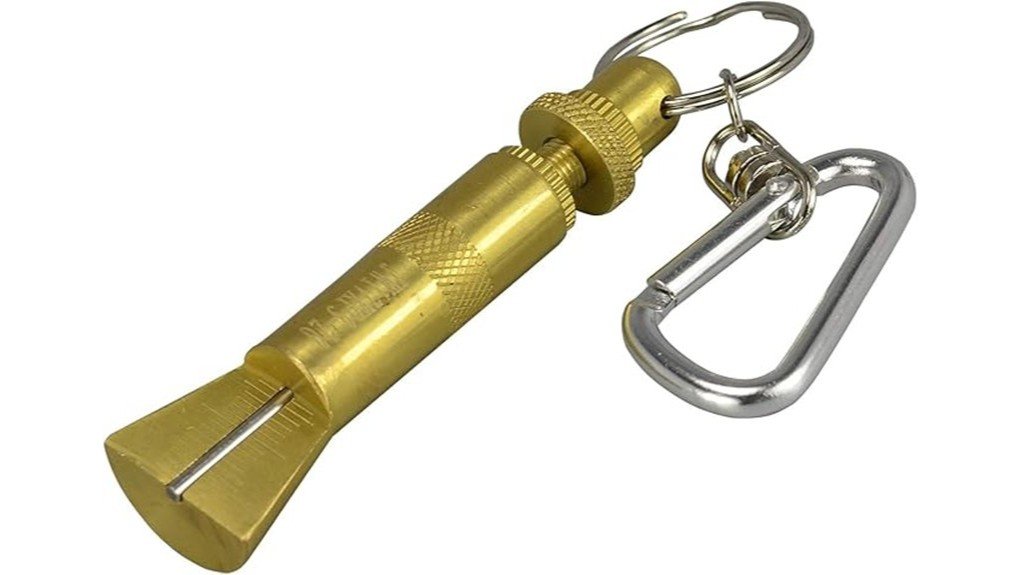
Getting the same tungsten extension every time can be harder than it sounds, especially after you regrind an electrode or change your TIG setup. The RIVERWELD Tungsten Stick-out Gauge 3/32-inch 2.4 mm is designed to make that setup more repeatable by giving you a physical reference for the distance between the tungsten tip and torch cup or nozzle. Its brass and stainless-steel construction is more workshop-friendly than a disposable measuring method, but this particular version is intended for 3/32-inch tungsten, so compatibility matters. This review explains where the gauge helps, what its limitations are, and who is likely to get useful value from it.
Quick Verdict
Rating: 8.5/10
Best For: TIG welders who regularly use 3/32-inch (2.4 mm) tungsten and want repeatable stick-out after electrode changes or sharpening.
Bottom Line: The RIVERWELD gauge is a simple, reusable way to remove some guesswork from TIG torch setup. Its biggest limitation is size compatibility, since this selected version is centered on 3/32-inch tungsten rather than every electrode diameter.
| Specification | Detail |
|---|---|
| Brand | RIVERWELD |
| Model / Style | 3/32-inch, 2.4 mm |
| Product Type | TIG tungsten stick-out gauge |
| Tungsten Compatibility | 3/32-inch (Ø2.4 mm) tungsten electrode |
| Material | Brass and stainless steel |
| Color | Golden |
| Dimensions | 5.91 × 3.94 × 0.55 inches |
| Weight | 2.11 ounces |
| Power Required | No |
| Included Component | Tungsten stick-out gauge for 3/32-inch / 2.4 mm tungsten |
| ASIN | B07QKYV943 |
| Best Use | Repeatable TIG tungsten extension during torch setup |
Key Takeaways
- The RIVERWELD gauge is designed around 3/32-inch (2.4 mm) tungsten electrodes, so check your electrode diameter before ordering.
- Its purpose is to help you reproduce the distance between the tungsten tip and the end of your TIG torch cup or nozzle.
- The gauge uses brass and stainless-steel components and weighs about 2.11 ounces.
- A repeatable stick-out reference is useful when you sharpen, replace, or reposition tungsten during a job.
- The tool does not choose the correct stick-out for you. Your ideal extension still depends on your cup, gas lens, joint access, shielding setup, and welding procedure.
What Is the RIVERWELD Tungsten Stick-out Gauge?
The RIVERWELD Tungsten Stick-out Gauge is a small mechanical setup tool for TIG welding. This version is listed for 3/32-inch, or 2.4 mm, tungsten electrodes. Instead of estimating how far the electrode extends past your cup each time, you can use the gauge as a repeatable measuring reference.
RIVERWELD describes using the scale on the tool to determine the distance between the tungsten tip and the outlet of the gas nozzle. Once you have selected the required position for your welding process, the gauge can help you return to that same setup after the electrode is resharpened or replaced.
This does not mean one stick-out length is correct for every TIG weld. The gauge is best viewed as a consistency tool. You still need to select the extension that matches your torch consumables, shielding-gas setup, joint geometry, and welding procedure.
Before You Buy: Confirm that you use 3/32-inch (2.4 mm) tungsten. Amazon also shows another RIVERWELD style for several smaller tungsten diameters, so make sure the selected version matches your electrode before checkout.
Who Should Buy It?
Best For
- You regularly weld with 3/32-inch tungsten and want repeatable torch setup.
- You frequently regrind or replace electrodes during TIG work.
- You want a dedicated gauge rather than repeatedly measuring stick-out by eye.
Skip If
- You mainly use tungsten diameters other than 3/32-inch.
- You need a gauge designed around several cup sizes or electrode sizes in one tool.
- Your welding procedure already gives you a fast and reliable stick-out setup method.
Key Features of the RIVERWELD Gauge
3/32-Inch Tungsten Compatibility
The most important buying detail is the electrode size. This selected RIVERWELD model is intended for 3/32-inch, or 2.4 mm, tungsten. That is useful if 2.4 mm electrodes are already your regular choice, but it also makes the product less universal than gauges designed to cover several diameters.
Amazon currently shows another style option covering smaller tungsten sizes. That does not make the 3/32-inch version universal, so select the style that matches the tungsten in your TIG torch.
Brass and Stainless-Steel Construction
Amazon lists the material as brass and stainless steel. For a small shop tool that may spend its life around a welding bench, torch cart, or toolbox, a metal design is a practical choice. There are no batteries, charging requirements, apps, or electronic components to manage.
The current listing gives a weight of 2.11 ounces, so the gauge remains light enough to keep close to your TIG setup without taking much storage space.
Repeatable Stick-Out Reference
The main benefit is repeatability rather than automatic optimization. Once you determine the tungsten extension that works for a particular setup, the gauge gives you a physical reference so you can reproduce that position later.
This is especially useful when a tungsten needs to be removed and sharpened. Instead of estimating the extension again when you reinstall it, you can return to the reference setting you were already using.
How to Use the RIVERWELD Tungsten Gauge Correctly
Your exact stick-out should come from your welding process, torch setup, gas-lens arrangement, and joint requirements. The gauge helps you reproduce that setting once you have chosen it.
- Confirm your tungsten diameter. The selected model is made for 3/32-inch (2.4 mm) tungsten.
- Prepare and install the tungsten. Grind and fit the electrode according to the requirements of your TIG process.
- Choose the required stick-out. Base this on your torch consumables, cup or gas lens, joint access, and welding procedure rather than using one fixed number for every job.
- Use the gauge as your reference. Measure the distance between the tungsten tip and the torch cup or nozzle outlet.
- Keep the selected reference. When you resharpen or replace the electrode, use the same gauge position to reproduce the previous stick-out when the job calls for it.
Pro Tip: When a TIG setup is working well, record the cup or gas-lens setup along with your chosen stick-out. The gauge can then help you reproduce that combination after electrode maintenance instead of starting from memory.
Compatibility and Welding Safety
The gauge controls one part of TIG setup: tungsten extension. It does not determine amperage, shielding-gas flow, tungsten type, polarity, cup size, or the correct welding procedure for your material.
That also means the tool is not limited to a particular base metal such as steel or aluminum. If your aluminum TIG setup uses a 3/32-inch tungsten electrode, this gauge can still be used to reference its stick-out. You should still choose electrode type, preparation, AC settings, gas coverage, and extension according to your machine, consumables, and welding procedure.
Handle your torch and consumables safely, allow hot components to cool before adjusting them, and follow the instructions supplied with your welding machine, torch, gas lens, and other consumables.
How It Performs in Real Use
After Regrinding Tungsten
This is one of the clearest reasons to own a stick-out gauge. After you remove and sharpen an electrode, you can reinstall it and use the gauge to return to your previous extension rather than trying to match the old position by eye.
For Repetitive TIG Work
When you are repeating the same type of weld with the same torch setup, consistent electrode position can reduce one source of variation. The gauge does not guarantee the same weld result, but it can make one setup variable easier to reproduce.
For Tight or Awkward Joints
Some joint geometries require more access than others. A gauge is useful because you can deliberately establish the stick-out you need and later reproduce it. You should still confirm that shielding-gas coverage remains appropriate for the extension you choose.
For Bench and Toolbox Use
At 2.11 ounces, the gauge is compact enough to keep near your torch consumables. It requires no power and has no digital controls to configure, so you can use it whenever you change or sharpen a compatible electrode.
Pros and Cons
Pros
- Designed specifically for common 3/32-inch (2.4 mm) tungsten.
- Helps reproduce a chosen stick-out after sharpening or electrode replacement.
- Brass and stainless-steel construction.
- No batteries, charging, or electronic setup required.
- Lightweight enough to keep with your regular TIG tools.
Cons
- This version is limited to 3/32-inch tungsten rather than covering every electrode diameter.
- You still need to determine the correct stick-out for your cup, gas lens, joint, and welding procedure.
- Amazon’s current package-quantity information is inconsistent, so you should confirm the seller’s package contents before ordering.
Customer Feedback on the RIVERWELD Gauge
Current buyer feedback is generally favorable toward the simple concept of having a repeatable tungsten stick-out reference. For a specialized tool like this, the appeal is straightforward: you spend less time trying to reproduce an electrode position by eye after changing your setup.
Some buyer feedback also points to a practical drawback: measurement markings may not be as easy to read as some users would prefer. That matters more if you frequently change settings rather than leaving the gauge configured around one common setup.
Is It Worth the Price?
The RIVERWELD gauge makes the most sense as a small convenience tool for a TIG welder who already knows the stick-out required for a particular setup. Its value comes from helping you return to that setting repeatedly, not from telling you what the correct welding parameters should be.
It is worth considering if you use 3/32-inch tungsten often and regularly resharpen electrodes during shop work. You may get less value from it if you constantly switch between multiple tungsten diameters or want one gauge that references a broad range of cup sizes.
How It Compares to Alternatives
The CK Worldwide TG1 is another purpose-built tungsten stick-out gauge and offers an adjustable reference with marked increments. It may appeal more if you want a well-known TIG accessory designed specifically around repeatable stick-out measurements.
Other products, such as the Working Class Royalty Tungsten Stick-Out Gauge Block and Fireball3D Tungsten Stick-Out Gauge, use cup-oriented designs that can be useful when you frequently change TIG cup sizes. The RIVERWELD makes the most sense when you prefer a simple metal gauge and your regular electrode size is 3/32 inch.
Where to Purchase the RIVERWELD Gauge and Return Information
The RIVERWELD 3/32-inch Tungsten Stick-out Gauge is listed on Amazon under ASIN B07QKYV943. Before ordering, check that the selected style says Fit 3/32-inch or 2.4 mm, especially because another RIVERWELD style is available for smaller tungsten diameters.
Amazon currently references its voluntary 30-day return guarantee for many eligible purchases, subject to its normal conditions and exceptions. The listing also provides access to product warranty information, but it does not display a clear fixed manufacturer warranty term in the visible technical details. Check the current Amazon listing and seller terms before relying on a particular warranty or return condition.
Frequently Asked Questions
What tungsten size does the RIVERWELD gauge fit?
This selected version is designed for 3/32-inch, or Ø2.4 mm, tungsten electrodes. If you normally use smaller tungsten, check the alternative RIVERWELD style rather than assuming this model fits every diameter.
Can I use this gauge for aluminum TIG welding?
Yes, the gauge itself measures tungsten stick-out and is not restricted to one base metal. It can be relevant to aluminum TIG welding when your torch setup uses a 3/32-inch tungsten electrode, but your actual stick-out and welding settings must still suit the aluminum job and torch configuration.
Does the gauge choose the correct tungsten stick-out for me?
No. You first determine the extension required for your cup, gas lens, joint access, shielding setup, and welding procedure. The gauge then helps you measure and reproduce that position.
Is the RIVERWELD gauge adjustable?
The product is designed to let you establish a stick-out reference using its scale and retain that reference for repeat setups. This makes it useful after tungsten is resharpened or replaced.
Why does tungsten stick-out consistency matter?
Changing electrode extension changes the relationship between the tungsten, cup, arc area, and shielding gas. Using a repeatable reference removes one variable when you are trying to reproduce an established TIG setup.
Who should skip the RIVERWELD 3/32-inch gauge?
Skip this particular version if 3/32-inch tungsten is not part of your normal setup or if you need one tool covering many electrode and cup sizes. A multi-size or cup-specific gauge may suit that workflow better.
The Bottom Line
The RIVERWELD Tungsten Stick-out Gauge is a useful specialist tool if you frequently run 3/32-inch (2.4 mm) tungsten and want to reproduce your chosen electrode extension after sharpening or replacement. Its brass and stainless-steel construction, simple operation, and repeatable reference are its main strengths, while its limited electrode-size compatibility is the main reason some welders should choose a different gauge.
If 3/32-inch tungsten is already your normal TIG setup, the RIVERWELD earns our 8.5/10 rating as a practical consistency aid rather than an essential welding tool.