Disclosure: As an Amazon Associate, we earn from qualifying purchases. If you click a link on this page and make a purchase, we may receive a small commission at no extra cost to you.
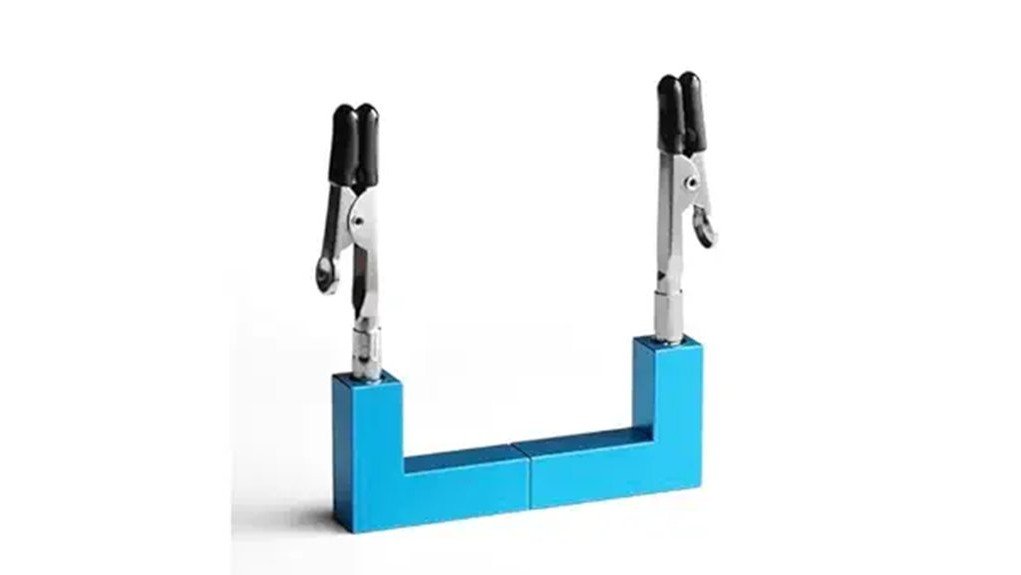
Small soldering jobs can get frustrating when wires roll away, PCB boards shift, or a basic third-hand tool tips at the wrong moment. The SainSmart Magnetic Soldering Helping Hands is made to keep light electronics parts steady while you work with both hands. Its biggest advantage is the magnetic base and adjustable arm setup, but it works best when your bench includes a magnetic metal surface. This review helps you decide if it fits your PCB repair, wire soldering, and DIY electronics workflow.
Quick Verdict
Rating: 8/10, Recommended with caveats
Best For: Electronics hobbyists, PCB repair work, and light wire soldering on a metal work surface
Bottom Line: The magnetic base and flexible arms make small soldering jobs easier to control. The main tradeoff is that stability depends on your surface, component weight, and how carefully you position the clips.
Key Specifications
| Specification | Detail |
|---|---|
| Brand | SainSmart |
| Product Name | SainSmart Magnetic Soldering Helping Hands |
| Product Type | Magnetic third-hand soldering aid |
| Base Style | Magnetic base for use on compatible metal work surfaces |
| Arm Style | Flexible adjustable arms for positioning small parts |
| Clip Design | Replaceable clips for holding wires, boards, and small components |
| Build Material | Article-supported aluminum construction with rubber grips |
| Special Features | Anti-bite sleeve and separable components |
| Best Use | PCB soldering, electronics repair, wire joining, and DIY assembly |
| Main Limitation | Needs a magnetic metal surface for the strongest hold |
| Safety Note | Use it as a positioning aid only, and keep clips, wires, and hands clear of hot soldering tips. |
What Is the SainSmart Magnetic Soldering Helping Hands?
The SainSmart Magnetic Soldering Helping Hands is a third-hand soldering aid for small electronics work. It holds wires, small boards, and components in place so you can guide the soldering iron and solder with better control.
Instead of relying on a fixed clamp-style base, this tool uses a magnetic base that attaches to a compatible metal work surface. That design makes it easy to reposition the setup during PCB repair, wire soldering, or small assembly jobs.
The replaceable clips and flexible arms give you more control over angle and reach than a very basic helping-hands tool. Still, it is best for light to medium components, not heavy assemblies that need a vise or bench-mounted holder.
Who Should Buy It?
Best For
- Electronics hobbyists who solder small wires, LED circuits, and battery leads
- Repair users who need steadier PCB positioning for light bench work
- DIY makers with a metal bench, steel plate, or other magnetic work surface
Skip If
- You mainly solder large, heavy, or awkward parts that need a vise
- Your workspace is wood, plastic, glass, or another non-magnetic surface
- You need a rigid industrial soldering station for production work
Design, Build Quality, and Magnetic Base
The magnetic base is the main reason to choose this SainSmart tool over a basic alligator-clip holder. On a compatible metal surface, it can stay planted while you adjust wires or line up a small board.
The article-supported aluminum construction keeps the tool light enough for a desk setup. Rubber grips help reduce slipping at contact points, while the separable structure lets you move parts around without rebuilding your whole soldering layout.
This design is most useful when you frequently change positions during a project. You can shift the base, angle the arms, and reset the clips faster than you can with many clamp-style holders.
Before You Buy: This tool works best on magnetic metal surfaces. If your desk is wood or another non-magnetic material, use a stable metal plate or choose a heavier bench-mounted holder.
Ease of Use and Soldering Performance
Setup is simple because the base does not need screws or a permanent mount. Place it on a magnetic surface, set the arm angle, then use the clips to hold the board, wire, or small component.
During soldering, the main benefit is hands-free control. You can focus on heat placement and solder flow instead of trying to hold a wire with one hand and the soldering iron with the other.
The tradeoff is that flexible arms need careful adjustment. If a component is too heavy or the arm is stretched too far, you may need to shorten the reach, move the base closer, or add a second support point.
Compatibility and Safety
This tool is compatible with light electronics tasks such as PCB soldering, wire joining, and small DIY assembly. It is not a substitute for a heat-resistant soldering mat, eye protection, ventilation, or safe soldering habits.
Keep the clips away from the hot soldering iron tip, and do not rely on the tool to hold parts that could spring loose under tension. When working near batteries or sensitive electronics, follow the part manufacturer’s safety guidance and avoid shorting contacts with metal clips.
If you use a separate metal plate on a wooden desk, make sure the plate sits flat and cannot slide. A magnetic base can only help when the surface under it stays stable.
Pro Tip: Keep the magnetic base close to the workpiece and avoid fully extending the arms. Shorter arm reach usually gives you steadier clip pressure and cleaner soldering control.
Setup Tips for Better Results
Use the Right Surface
Start with a steel bench area, a flat metal plate, or another magnetic surface that gives the base a firm hold. A non-magnetic desk reduces the main benefit of this tool.
Balance Arm Reach and Clip Pressure
Place the base close enough that the arms do not need to stretch across your workspace. This helps the clips stay more stable when you touch the joint with the soldering iron.
Support Heavier Parts Separately
Use this tool to position small items, not to carry the full weight of a heavy component. For larger parts, support the weight on the bench and use the clips only for alignment.
Check Your Layout Before Heating
Dry-fit the wire, board, or component before you start soldering. A short setup check helps you avoid bumping the clip or dragging hot solder across the board.
How It Performs in Real Use
For PCB Repair Work
For small PCB repairs, the SainSmart holder can keep the board steady while you touch up fine joints. It works best when the board is light and the clips do not block the soldering point.
For DIY Electronics Projects
For LED circuits, small sensors, switches, and battery leads, the adjustable arms help you line up parts before soldering. This is useful when both hands are needed for the iron and solder.
For Wire Soldering Tasks
The replaceable clips can hold two wires in position while you tin, join, and heat the connection. For cleaner results, keep the wires supported so the clips are not fighting cable tension.
For Repetitive Bench Work
When you solder multiple similar joints, the magnetic base makes repositioning faster. You can keep a familiar working angle and move the holder around the bench as each task changes.
Pros and Cons
Pros
- Magnetic base improves stability on compatible metal surfaces
- Flexible arms help position wires, boards, and small components
- Replaceable clips make the tool easier to maintain over time
- Aluminum construction keeps the setup light and desk-friendly
- Hands-free positioning can improve control on small solder joints
Cons
- Needs a magnetic surface for the strongest hold
- May need repositioning when holding heavier or stretched parts
- Clip placement can take trial and error on crowded PCBs
Check the Current Amazon Listing
Confirm the current product details, package contents, and seller information before you buy.
Is It Worth the Price?
This tool sits in the budget to mid-range category for soldering accessories. It offers strong value for the price if you often work with small electronics and already have a suitable metal surface.
You get the most value from it when stability and quick repositioning matter more than heavy-duty clamping force. It is a smart buy for everyday use if you solder wires, small boards, and light components often.
It is not the best fit if you need maximum rigidity or support for large assemblies. In that case, a heavier clamp-style holder, vise, or articulated soldering station may be a better match.
How It Compares to Alternatives
Compared with traditional clamp-style helping hands, this magnetic version is faster to move around a bench and easier to reposition between small tasks. Clamp-style tools may be better when your desk is not magnetic or when you need stronger support for heavier pieces.
Compared with premium articulated soldering stations, the SainSmart tool is more portable and simpler to store. A premium station may feel more rigid, but this tool makes more sense if you want flexible positioning for light hobby and repair work.
Frequently Asked Questions
Is the magnetic base strong enough for electronics work?
Yes, it is suitable for light to medium electronics tasks when used on a magnetic metal surface. The hold will depend on the surface, arm position, and weight of the part you are holding.
Can I use it on a wooden desk?
You can use it on a wooden desk only if you add a stable magnetic metal plate under the base. Without a magnetic surface, the base will not deliver its strongest stability benefit.
Can it hold heavy components?
It is best for small boards, wires, and light components. Heavy parts may need a vise, bench clamp, or separate support so the clips are used only for alignment.
Are the clips replaceable?
Yes, the article identifies a replaceable clip design. That is useful if a clip wears out or if you want to keep the holder working smoothly over time.
Is it safe for PCB soldering?
It can be used for PCB soldering when you keep the clips clear of hot tips and avoid shorting nearby contacts. You should still use normal soldering safety steps, including ventilation and eye protection.
What common setup mistake should I avoid?
Do not place the base too far from the joint and stretch the arms to their limit. A closer base position usually gives the clips better control and reduces unwanted movement.
Who should skip this soldering helper?
Skip it if you need to hold heavy parts, solder on a non-magnetic surface, or want a fixed industrial workstation. A vise or heavier clamp-based system will usually fit those jobs better.
The Bottom Line
The SainSmart Magnetic Soldering Helping Hands is a practical choice if you need hands-free positioning for small electronics work on a magnetic metal surface. Its flexible arms, magnetic base, and replaceable clips make it useful for PCB repair, wire soldering, and DIY assembly.
You should skip it if you mainly work with heavy parts or do not have a stable magnetic setup. The 8/10 verdict fits buyers who want flexible light-duty support and understand the surface limitation.