Disclosure: As an Amazon Associate, we earn from qualifying purchases. If you click a link on this page and make a purchase, we may receive a small commission at no extra cost to you.
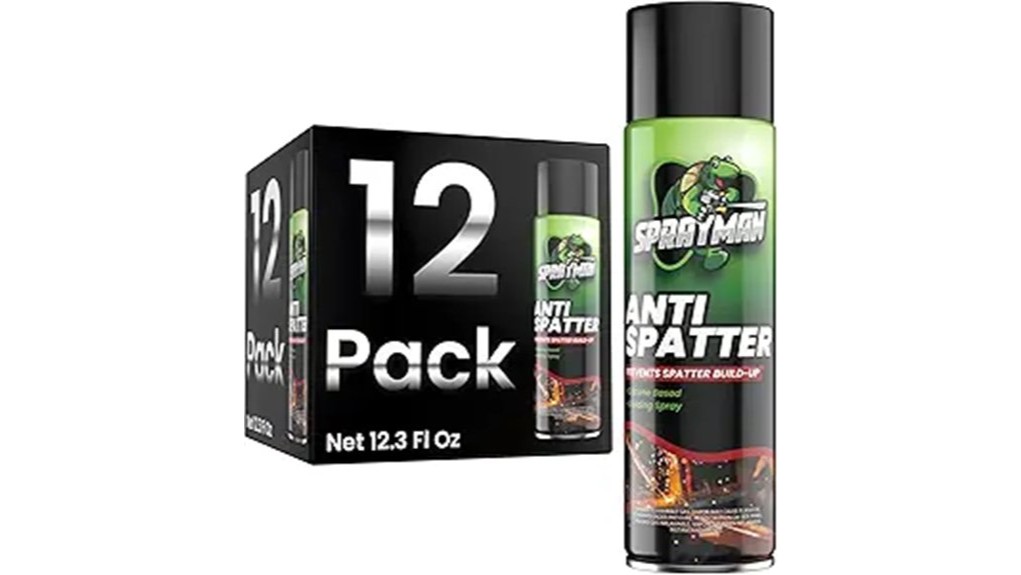
Weld spatter can waste time, clog nozzles, and leave you cleaning parts when you would rather keep welding. The Sprayman Anti Spatter Welding Spray is made to reduce spatter adhesion during TIG and MIG work, especially around nozzles, torches, and other welding equipment named in the listing copy. This review looks at what the spray does well, where the available product details are limited, and what you should check before adding it to your welding setup.
Quick Verdict
Rating: 8.1/10, Recommended with caveats
Best For: Welders who want an aerosol anti-spatter spray for MIG or TIG setup protection.
Bottom Line: Sprayman Anti Spatter Welding Spray makes the most sense if you want quick, even coverage before welding and less spatter buildup on equipment. The main tradeoff is that public product details are limited, so you should confirm the package count, label directions, and safety notes on the Amazon listing before buying.
| Specification | Detail |
|---|---|
| Brand | Sprayman |
| Product name | Sprayman Anti Spatter Welding Spray |
| Product type | Aerosol anti-spatter spray for welding use |
| Formula note | Solvent-based formula described as non-flammable after application |
| Application method | Aerosol spray for light, even coverage |
| Welding processes | Article-supported use with TIG and MIG welding |
| Target equipment | Nozzles, torches, and welding equipment surfaces named in the article |
| Setup compatibility | Manual welding setups and automated or robotic environments, based on article details |
| Package note | Article lists 12 x 12.3 oz, but you should confirm seller package configuration before purchase |
| Safety note | Use with ventilation and follow the product label, especially indoors or near heat |
What Is the Sprayman Anti Spatter Welding Spray?
Sprayman Anti Spatter Welding Spray is an aerosol product made to help stop welding spatter from sticking to equipment surfaces during TIG and MIG welding. The article describes it as a solvent-based spray that becomes non-flammable after application, which is a useful detail for high-temperature welding work.
The main purpose is simple: create a protective layer so spatter is easier to manage and less likely to build up on nozzles and torches. That can help you spend less time scraping residue and more time keeping your setup ready for the next weld.
Key Takeaways
- Sprayman is built for welders who want an aerosol anti-spatter spray for TIG and MIG work.
- The article-supported formula is solvent-based and described as non-flammable after application.
- The spray targets spatter buildup on nozzles, torches, and related welding equipment surfaces.
- The aerosol format should be easier to apply evenly than brush-on products or gels.
- You should verify the package count, can size, and label directions on Amazon because public product details are limited.
Who Should Buy It?
Best For
- Shop welders who want less spatter buildup on MIG or TIG equipment.
- Users who prefer an aerosol spray over a gel or brush-on anti-spatter product.
- Manual or automated welding setups where quick, repeatable application matters.
Skip If
- You need a fully verified spec sheet before buying.
- You prefer water-based products or non-aerosol shop chemicals.
- You cannot provide proper ventilation or follow the product safety label during use.
Before You Buy: Confirm the Amazon listing details before checkout, especially package count, can size, safety label, and whether the seller is offering a single can or a multipack.
Product Features and Benefits
The strongest feature is the product’s purpose-built anti-spatter function. By helping prevent spatter adhesion, it can reduce buildup on nozzles and torches and make routine cleanup less frustrating.
The aerosol format is also a practical advantage. You can apply a light coat quickly, which matters when you move between welds, stations, or production steps. It may also reduce waste when compared with heavy brush-on application, as long as you spray only where protection is needed.
Solvent-Based Formula
The article describes the Sprayman formula as solvent-based. For you, that means the product is positioned for fast surface coverage rather than a thick paste or gel. The same article also describes it as non-flammable after application, but you should still treat it like a shop chemical and follow the label closely.
Aerosol Application
Aerosol delivery helps you coat uneven equipment surfaces with less effort. This can be useful around nozzle areas, torch parts, and other surfaces that are awkward to reach with a brush. The key is to use a controlled spray pattern instead of soaking the area.
Manual and Automated Setup Use
The article states that Sprayman can be used in both manual and automated environments. That makes it more flexible if your work includes hand welding, repeated fixture work, or robotic welding stations that need consistent equipment care.
Application and Performance
Sprayman Anti Spatter Welding Spray is meant to be applied before welding, not after spatter has already built up. A light, even layer gives the product a better chance to keep spatter from bonding tightly to protected surfaces.
For MIG and TIG users, the practical benefit is less time spent fighting residue around equipment. That does not mean you can skip normal maintenance, but it can make cleaning easier when the spray is used correctly.
Pro Tip: Apply a thin coat before welding and avoid overspray on areas that need electrical contact, paint, coating, or a clean finish. Always check the product label before using it near finished surfaces.
How to Use It Correctly
- Start with a clean surface. Remove heavy debris or old buildup before applying a new coat.
- Shake and spray according to the label. Use the product directions for distance, coverage, and drying time.
- Use a light, even coat. Heavy application can waste product and may create residue where you do not want it.
- Keep it away from unsuitable surfaces. Avoid spraying electrical contact points, surfaces that need paint adhesion, or areas the label warns against.
- Ventilate the work area. This is especially important indoors or in enclosed shop spaces.
Compatibility and Safety
The article supports use with TIG and MIG welding, but you should still match the spray to your own process, material, and shop rules. Anti-spatter products are helpful accessories, not substitutes for correct welding settings, shielding gas, surface prep, or PPE.
Because this is an aerosol shop chemical, safety comes down to label compliance. Use ventilation, store it away from heat when the label requires it, and do not spray it on hot equipment unless the directions allow that use. If you weld in a professional shop, follow your workplace safety data sheet process as well.
How It Performs in Real Use
For Daily Shop Welding
For routine MIG or TIG work, the spray is most useful when you apply it before spatter becomes a problem. It can help keep nozzles and torch areas easier to wipe down between jobs.
For High-Temperature Welding Areas
The article describes the product as non-flammable after application, which is one reason it is positioned for welding environments. Still, high-temperature work requires careful use, ventilation, and label-following because the product starts as an aerosol chemical.
For Automated or Repeated Welding Setups
In repeated welding tasks, spatter buildup can cause small delays that add up. An aerosol anti-spatter spray can be easier to apply consistently than a gel, especially when equipment layout makes brush access inconvenient.
For Equipment Maintenance
Sprayman is not a repair product, but it can support routine maintenance by helping limit spatter adhesion on the parts named in the article. Less stuck-on spatter may mean less aggressive scraping and less wear from cleanup.
Pros and Cons
Pros
- Designed to reduce welding spatter adhesion on nozzles and torches.
- Aerosol spray format helps with fast, even application.
- Article-supported use with both TIG and MIG welding.
- Described as suitable for manual and automated setups.
- Can support easier cleanup and routine equipment care when used correctly.
Cons
- Publicly verified specs are limited, so the Amazon listing must be checked before buying.
- Package count and can size may vary by seller configuration.
- Requires correct application, ventilation, and normal welding safety practices.
Is It Worth the Price?
Sprayman Anti Spatter Welding Spray is worth considering if you want a simple consumable that helps reduce spatter cleanup around MIG or TIG equipment. Its value is strongest for welders who use anti-spatter spray often enough that faster cleanup matters.
It is not the best fit if you need complete public specs, a confirmed safety data sheet before purchase, or a non-aerosol formula. Because price and seller configuration can change, compare the current Amazon listing against the can size and pack count before you decide.
How It Compares to Alternatives
Compared with nozzle gel, an aerosol spray is usually faster to apply over a wider area and easier to use around awkward surfaces. Compared with brush-on anti-spatter products, Sprayman should feel quicker for repeated use, but it may create overspray if you do not control the application.
Water-based anti-spatter sprays may appeal to buyers who prefer that type of shop chemical. Sprayman makes more sense if you want the solvent-based aerosol format described in the article and you are comfortable following the label directions for storage, ventilation, and use.
Frequently Asked Questions
What is Sprayman Anti Spatter Welding Spray used for?
It is used to help prevent welding spatter from sticking to equipment surfaces such as nozzles and torches. The goal is easier cleanup and less buildup during TIG or MIG welding work.
Can you use it for both MIG and TIG welding?
The article supports use with both MIG and TIG welding. You should still confirm the Amazon listing and product label for your specific process, material, and shop setup.
Is it safe to use indoors?
Indoor use requires proper ventilation and strict label-following. Welding fumes, aerosols, and heat can create risks, so use your normal PPE and follow your shop safety rules.
How long does the spray last after application?
The exact duration depends on heat, spray thickness, surface condition, and how much welding you do. For best results, follow the product label and reapply only when needed instead of overcoating by habit.
Can it be used on non-welding tools?
This spray is positioned for welding equipment, especially spatter control around nozzles and torches. Do not use it on other tools unless the label clearly allows that use.
Does it replace proper welding setup?
No. Anti-spatter spray can help manage cleanup, but it does not replace correct settings, clean material, proper shielding gas, or good welding technique.
What should you check before buying?
Check the current Amazon listing for package count, can size, seller details, and safety information. This matters because the source article lists 12 x 12.3 oz, but seller configurations can change.
The Bottom Line
Sprayman Anti Spatter Welding Spray is a good fit if you want an aerosol product that can help reduce spatter buildup on TIG or MIG welding equipment. It is less ideal if you need fully verified public specs before buying or if your shop avoids solvent-based aerosol products.
The main strength is easy application for spatter control, while the main limitation is the need to verify current package and safety details on the Amazon listing. That matches the 8.1/10 recommended-with-caveats verdict.