Disclosure: As an Amazon Associate, we earn from qualifying purchases. If you click a link on this page and make a purchase, we may receive a small commission at no extra cost to you.
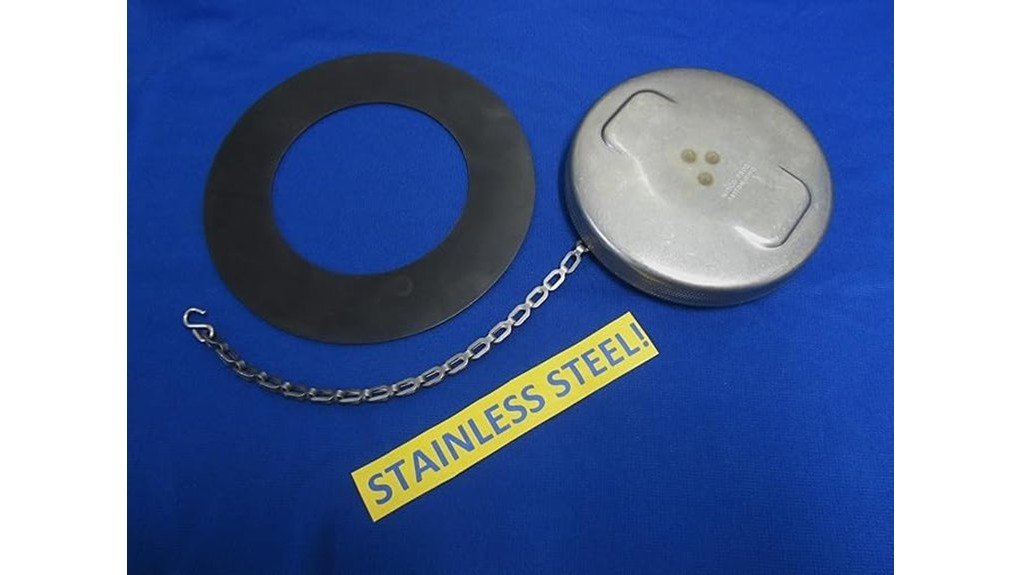
An aging or poorly sealing fuel cap can expose your Lincoln welder’s fuel system to leaks, contamination, and unnecessary maintenance. The High Speed Engineering Stainless Steel + Viton No Swell SA-200 Fuel Gas Cap & Neck Seal is aimed at owners who want a more durable replacement built around a stainless-steel cap and fuel-resistant Viton sealing material. Its biggest advantage is the combination of metal construction and broad compatibility with several classic Lincoln engine-driven welders. Its biggest limitation is equally important: you must confirm your filler-neck style because the matching manufacturer design is not intended for Shorthood tanks with the small 2-1/4-inch filler neck.
Quick Verdict
Rating: Recommended with caveats
Best For: Owners of compatible Lincoln SA-200, SA-250, SAE-300, SAE-400, and related classic welders who want a corrosion-resistant fuel-cap replacement.
Bottom Line: The stainless-steel construction and Viton sealing design make this a practical upgrade for compatible machines. You should skip it if your welder uses the small Shorthood filler neck or if you cannot confirm the neck dimensions before ordering.
| Specification | Detail |
|---|---|
| Brand | High Speed Engineering |
| Product type | Welder fuel gas cap and neck-seal replacement |
| Cap material | Stainless steel |
| Internal seal | Viton |
| Fuel use | Designed for gas or diesel applications |
| Confirmed compatible families | Lincoln SA-200, SA-250, SAE-300, SAE-400, Classic 1, Classic 2, Classic 3, and Classic 300D, subject to filler-neck fit |
| Important fit limitation | Not intended for Shorthood tanks using the small 2-1/4-inch filler neck |
| Manufacturing | USA-made design |
| Best use | Replacing a worn, damaged, corroded, or poorly sealing cap on a compatible Lincoln welder |
Key Takeaways
- The cap uses stainless-steel construction, giving you a corrosion-resistant alternative to many basic replacement caps.
- A Viton internal seal is used because the material is intended to tolerate exposure to gasoline, diesel fuel, oil, ethanol, and weather.
- Fitment includes several Lincoln welder families, including SA-200, SA-250, SAE-300, SAE-400, Classic 1, Classic 2, Classic 3, and Classic 300D machines.
- Compatibility is not universal. In particular, the matching manufacturer design is not for Shorthood tanks with the small 2-1/4-inch filler neck.
- You should confirm the filler neck on your specific machine before ordering rather than relying on the model name alone.
Before You Buy: Check your actual filler-neck style before ordering. This design is not intended for Shorthood tanks with the small 2-1/4-inch filler neck, even though it fits many other SA-200-family machines.
What Is the SA-200 Fuel Gas Cap?
The High Speed Engineering SA-200 fuel gas cap is a replacement fuel-tank closure intended for several classic Lincoln engine-driven welders. The version reviewed here combines a stainless-steel cap with a Viton internal seal, and the linked product is sold as an SA-200 fuel gas cap and neck-seal replacement.
The design is useful when the original cap has deteriorated, corrosion has become a concern, or the existing seal is no longer in good condition. Instead of treating the cap as a cosmetic accessory, you should view it as part of the fuel-tank sealing system. Correct fit matters because the cap must match the filler neck on your particular machine.
High Speed Engineering lists the matching stainless-cap design for Lincoln SA-200, SA-250, SAE-300, SAE-400, Classic 1, Classic 2, Classic 3, Classic 300D, and additional compatible models. That broad list does not make the cap universal, so a visual and dimensional check remains important.
Who Should Buy It?
Best For
- You own a compatible Lincoln SA-200, SA-250, SAE-300, SAE-400, or Classic-series welder.
- Your existing fuel cap or seal is worn, damaged, corroded, or no longer giving you confidence in the tank closure.
- You prefer a stainless-steel replacement with a Viton internal sealing material.
Skip If
- Your Shorthood welder has the small 2-1/4-inch filler neck.
- Your machine uses a different tank, filler neck, or cap style and you cannot verify compatibility.
- You need an OEM-specific cap for a different plastic-tank or venting configuration.
Top Features and Benefits of the SA-200 Fuel Gas Cap
Stainless-Steel Cap Construction
The stainless-steel body is one of the clearest reasons to consider this replacement. Fuel caps live in an exposed part of an engine-driven welder, where moisture, dirt, fuel residue, and outdoor storage can be hard on lesser materials. Stainless steel gives you a corrosion-resistant cap body without relying on plastic construction.
That does not make the entire fuel system maintenance-free. You still need to inspect the filler neck, surrounding tank surface, and seal condition periodically. The advantage is that the cap itself is built from a material commonly chosen when corrosion resistance matters.
Viton Internal Seal
High Speed Engineering specifies a Viton seal inside the cap. The manufacturer describes the material as suitable for gas or diesel and resistant to exposure from oil, fuels, ethanol, and weather.
For you as the buyer, the practical point is chemical compatibility. A fuel-cap seal has repeated contact with fuel vapor and may encounter liquid fuel around the filler opening. Using a material selected for that environment is more meaningful than simply calling the cap heavy duty.
Fit and Compatibility
Compatibility is the area you should check most carefully. The matching manufacturer cap is listed for Lincoln SA-200, SA-250, SAE-300, SAE-400, Classic 1, Classic 2, Classic 3, Classic 300D, and additional applications.
However, model-family compatibility does not mean every fuel tank within that family uses the same opening. The manufacturer specifically excludes Shorthood tanks with a small 2-1/4-inch filler neck. If your machine has been restored, modified, or fitted with a replacement tank, checking the actual hardware becomes even more important.
Pro Tip: Before removing your old cap permanently, compare the filler-neck size and cap engagement with the replacement specification. A model number alone may not tell you whether a previous owner changed the tank or filler neck.
Gas and Diesel Use
The manufacturer states that the Viton-sealed cap design works with gas or diesel. That makes it relevant across several Lincoln engine-driven welder configurations rather than limiting it to a single fuel type.
You should still match the cap to the tank and filler-neck configuration first. Fuel compatibility cannot compensate for incorrect mechanical fit.
How It Performs in Real Use
Replacing an Aging Original Cap
On an older Lincoln welder, the original cap may have years of exposure behind it. If the existing cap has rust, damaged sealing material, poor engagement, or visible wear, the stainless-steel replacement gives you a straightforward way to refresh that part of the fuel system. The main benefit is not added engine power or fuel economy. It is having a cap and seal designed to close the tank correctly when the fit is right.
For Outdoor and Jobsite Equipment
Engine-driven welders often spend time outdoors, in truck beds, or around changing weather. Stainless steel is useful in that environment because corrosion resistance matters more than appearance. The Viton internal seal is also intended to tolerate fuel and weather exposure.
You should still protect the machine from unnecessary water entry and inspect the cap area after long outdoor storage. A durable cap cannot correct problems elsewhere in the tank or filler neck.
For Gas or Diesel Machines
Because the manufacturer specifies the cap for gas or diesel use, the basic sealing material is not limited to one of those fuel types. That is helpful when you are maintaining multiple compatible Lincoln welders or working with older machines that use different engine configurations.
For Long-Term Maintenance
The stainless body and Viton seal make sense for owners who would rather install a purpose-built replacement than repeatedly deal with a deteriorating cap. Long-term results still depend on correct installation, tank condition, seal condition, and normal inspection. Replace the cap or seal if you later see cracking, deformation, leakage, or damage.
Installation and Fit Tips
This is a relatively simple component, but you should not treat fuel-system work casually. Start with the engine shut down and cool, and keep sparks, cigarettes, open flames, and other ignition sources away from the work area.
- Inspect your existing filler neck before ordering or installing the new cap.
- Confirm that you do not have the excluded small 2-1/4-inch Shorthood filler neck.
- Check the filler-neck surface for damage, heavy corrosion, dents, or deformation that could prevent proper sealing.
- Make sure the seal sits correctly and is not pinched or displaced when the cap is secured.
- Do not force a cap that does not engage the filler neck normally.
- After installation, inspect around the cap for signs of fuel seepage or an obviously poor fit.
If the cap does not match your tank or you are unsure about the condition of the fuel system, stop and confirm the correct part before operating the welder.
Materials, Fuel Exposure, and Safety
The two important materials in this design are the stainless-steel cap body and the Viton internal seal. High Speed Engineering describes the Viton material as suitable around gas, diesel, oil, ethanol, and weather exposure. That makes the material choice appropriate for a fuel-cap application.
Material compatibility does not eliminate normal fuel-handling precautions. Never inspect or replace a fuel cap around an ignition source, and clean up spilled fuel according to the equipment and fuel manufacturer’s guidance. If the filler neck, tank, or surrounding fuel-system components are damaged, replacing only the cap may not solve the underlying problem.
Pros and Cons
Pros
- Stainless-steel cap offers useful corrosion resistance.
- Viton internal seal is intended for exposure to gas, diesel, oil, ethanol, and weather.
- Compatible with several popular Lincoln SA, SAE, and Classic welder families.
- USA-made design from a supplier focused on classic Lincoln welder parts.
- Useful replacement when an original fuel cap or sealing component has deteriorated.
Cons
- Not compatible with Shorthood tanks using the small 2-1/4-inch filler neck.
- Fit still needs verification on modified machines or welders with replacement tanks.
- Replacing the cap will not repair a damaged filler neck, fuel tank, or other fuel-system problem.
Is It Worth the Price?
This is a specialty replacement part rather than a generic accessory, so its value depends heavily on whether it matches your welder. For a compatible Lincoln machine, stainless-steel construction and a Viton internal seal give you meaningful material advantages over choosing a cap based only on the lowest price.
You get the most value when you plan to keep an older SA-200, SA-250, SAE, or Classic-series welder in service and want a purpose-built replacement. It is not good value if you have the excluded Shorthood filler neck or need a completely different cap style.
Prices, seller terms, returns, and availability can change, so check the current Amazon listing before ordering instead of relying on an old quoted price.
How It Compares to Alternatives
High Speed Engineering also offers other fuel-cap configurations, including a Viton cap-and-neck-seal combination and separate cap options for different Lincoln tank arrangements. Lincoln OEM-style vented caps are also available for certain plastic-tank SAE machines. Those alternatives matter because cap choice should follow the actual tank and filler-neck design rather than simply choosing the most durable-looking option.
The stainless-steel SA-200-style cap reviewed here makes the most sense when your compatible welder uses the correct filler neck and you value corrosion resistance plus a Viton internal seal. If you have a Shorthood, plastic tank, or another filler-neck configuration, compare the correct application-specific cap instead.
Frequently Asked Questions
Which Lincoln welders does this SA-200 fuel cap fit?
The matching manufacturer design is listed for Lincoln SA-200, SA-250, SAE-300, SAE-400, Classic 1, Classic 2, Classic 3, Classic 300D, and additional compatible machines. You should still verify your actual filler-neck configuration before ordering.
Will it fit a Lincoln SA-200 Shorthood?
Not if your Shorthood uses the small 2-1/4-inch filler neck. High Speed Engineering specifically excludes that filler-neck configuration from the matching stainless-cap application.
Can the Viton seal be used with gasoline and diesel?
Yes. The manufacturer specifies the Viton-sealed design for gas or diesel use and describes the sealing material as resistant to fuel, oil, ethanol, and weather exposure.
Is the SA-200 fuel gas cap easy to install?
The component itself is simple, but correct fit is more important than installation speed. Confirm the filler neck, work with the engine cool and away from ignition sources, and never force a cap that does not engage normally.
Does the cap come with installation instructions?
An included instruction sheet could not be confirmed during this review. Use the current product documentation and your Lincoln welder’s service information if you need model-specific installation guidance.
Will a new fuel cap fix every fuel leak around the tank?
No. A replacement cap can address a worn or damaged cap and sealing interface, but it cannot repair a cracked tank, damaged filler neck, fuel-line problem, or another leak elsewhere in the fuel system.
What should you check before ordering?
Confirm your Lincoln model, fuel-tank style, filler-neck diameter, and the way your current cap attaches. Pay particular attention to restored or modified welders because a previous owner may have installed a different tank or filler neck.
The Bottom Line
The High Speed Engineering Stainless Steel + Viton No Swell SA-200 Fuel Gas Cap & Neck Seal is worth considering when you have a compatible Lincoln welder and want a corrosion-resistant replacement built around stainless steel and a fuel-resistant Viton seal. Its main limitation is fitment, especially the exclusion of Shorthood tanks with the small 2-1/4-inch filler neck, so verify your machine before ordering.