Disclosure: As an Amazon Associate, we earn from qualifying purchases. If you click a link on this page and make a purchase, we may receive a small commission at no extra cost to you.
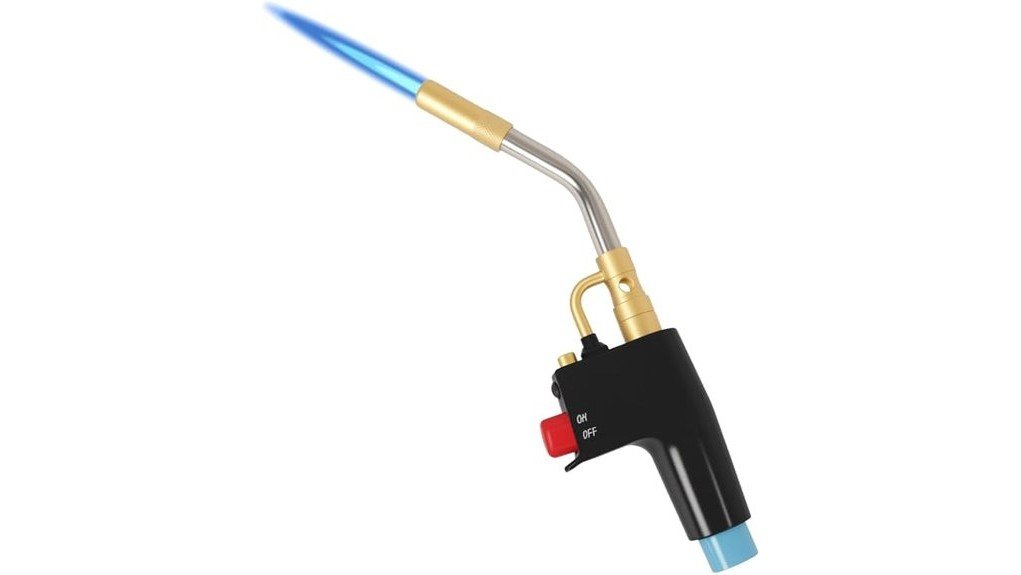
A handheld fuel torch needs to light quickly, keep its flame steady, and give you enough control to work without fighting the tool. The TS4000 Torch Head focuses on those basics with trigger ignition, pressure regulation, a durable metal construction, and compatibility with common torch-fuel setups described for this model. It is aimed mainly at soldering, light brazing, pipe-thawing, heating, and similar DIY jobs. Its main attraction is convenience, although you should confirm the exact fuel compatibility, controls, and package contents shown on the current Amazon listing before ordering.
Quick Verdict
Rating: Recommended with caveats
Best For: DIY users who want fast trigger ignition for soldering, brazing, heating, and general workshop tasks.
Bottom Line: The TS4000 Torch Head combines convenient ignition and pressure-regulated flame performance with a practical handheld design. Its biggest limitation is that you need to verify the exact fuel, flame-control, warranty, and accessory details of the specific version being sold.
TS4000 Torch Head Key Specifications
| Specification | Detail |
|---|---|
| Model | TS4000 |
| Product Type | Handheld fuel torch head |
| Ignition | Built-in trigger-start ignition |
| Flame Management | Pressure-regulated design for a steadier flame |
| Construction | Metal construction described with stainless steel, cast aluminum, and brass components |
| Fuel | Designed for compatible propane or MAP-style torch fuel as specified for the exact unit |
| Typical Uses | Soldering, light brazing, heating, and thawing pipes |
| Best Use | Workshop, repair, plumbing, and general DIY heating tasks |
What Is the TS4000 Torch Head?
The TS4000 Torch Head is a handheld torch attachment designed to connect to a compatible fuel cylinder. Instead of requiring a separate striker every time you work, its trigger-start system is intended to give you quicker ignition and simpler one-handed operation.
The pressure-regulated design is another important feature. A torch that maintains a consistent fuel flow is easier to use when you need concentrated heat for soldering joints, light brazing, loosening stuck components, or thawing frozen metal piping. The metal body and replaceable-style burner components described in the source also make the design more suitable for repeated workshop use than a disposable lighter-style tool.
Before You Buy: TS4000-style torch heads can differ by manufacturer or seller. Confirm the brand, fuel-cylinder compatibility, flame-control system, included parts, and warranty shown on the exact Amazon listing before you order.
Who Should Buy It?
Best For
- DIY users who regularly solder copper or heat metal parts.
- Workshop users who prefer trigger ignition over a separate spark lighter.
- Home-repair users who need a compact torch for brazing, heating, or pipe work.
Skip If
- You need a fully verified professional welding torch for structural welding.
- You need precise flame adjustment that is not clearly confirmed on the specific listing.
- You cannot provide the ventilation and fire-safe work area required for an open-flame fuel torch.
Key Features of the TS4000 Torch Head
Trigger-Start Ignition
The built-in trigger is one of the most useful features for routine work. You can ignite the torch without repeatedly reaching for a separate striker, which helps when your other hand is positioning a pipe, fitting, or workpiece.
Quick ignition is especially useful during jobs that require several short heating cycles. You can concentrate on positioning the flame instead of adding another ignition tool to your setup.
Pressure-Regulated Flame Performance
The TS4000 design uses pressure regulation to help keep the flame more consistent as you work. Stable flame behavior matters when you are trying to heat a joint evenly rather than repeatedly compensating for changes in flame strength.
This makes the torch better suited to controlled heating, soldering, and light brazing than a basic lighter or non-regulated flame source. It does not turn the torch into a replacement for a full welding setup, however.
Materials and Build Quality
The article describes a combination of stainless steel, cast aluminum, and brass components. These materials are appropriate for areas of a torch that experience repeated handling and heat exposure. The metal construction also gives the tool a more workshop-focused design than small plastic-bodied hobby torches.
A replaceable burner-tip design can also be useful if the applicable part is available for your exact version. Confirm replacement-part compatibility before buying spare components because similarly named TS4000-style products may not use identical parts.
Ergonomic Handling
A torch can become tiring during longer soldering or heating jobs, so grip shape matters more than it may appear from a specification list. The TS4000 is designed around a compact handheld body with controls positioned for convenient operation.
You should still consider the fuel cylinder because the cylinder becomes part of the tool while you work. The combined shape, balance, and weight can affect comfort more than the torch head by itself.
How It Performs in Real Use
For Soldering Copper Pipe
The combination of trigger ignition and a concentrated, regulated flame suits common soldering work. You can light the torch quickly, direct heat around the fitting, and shut it down when the joint has reached the required temperature.
Proper surface preparation, flux, solder selection, and heating technique still determine the quality of the joint. The torch supplies heat, but it cannot compensate for dirty fittings or poor soldering technique.
For Light Brazing
The source article lists light brazing among the TS4000’s intended uses. This can make the torch useful for smaller metal-repair projects where the selected filler material and workpiece are suitable for a handheld fuel torch.
Do not treat “light brazing” as the same thing as structural welding. Jobs involving load-bearing parts, pressure systems, or critical safety components may require different equipment and professional procedures.
For Thawing and General Heating
Directed heat can be useful for some pipe-thawing and general workshop jobs, but an open flame adds fire risk. You need to know what is behind and around the heated area, especially near wood framing, insulation, wiring, paint, or other combustible materials.
For pipes in confined or combustible locations, a non-flame heating method may be the safer option.
For Repeated Workshop Tasks
The instant ignition system is most valuable when you use a torch frequently. Starting and stopping the flame is less cumbersome than manually lighting a basic torch for every short job.
Over time, burner cleanliness and connection condition matter. Inspect the torch before use and stop using it if you find damaged controls, loose components, leaking connections, or abnormal flame behavior.
Pro Tip: Before starting a repair, position your workpiece, solder or filler material, heat-resistant surface, and safety equipment so you do not need to reach across an active flame.
How to Use It Correctly
- Confirm fuel compatibility. Use only the cylinder type approved for your exact torch head.
- Inspect the connection. Make sure threads, seals, and controls are clean and undamaged before attaching the cylinder.
- Work in a suitable area. Keep combustible materials away and provide the ventilation required by the product instructions.
- Point the burner safely. Keep the tip directed away from your body, other people, fuel containers, and anything you do not intend to heat.
- Ignite according to the instructions. Use the built-in trigger and follow the operating sequence provided with your exact model.
- Heat the workpiece, not surrounding materials. Keep track of where the flame and reflected heat are going.
- Allow the torch to cool. The burner remains hot after the flame is off, so place it where the hot tip cannot contact combustible material.
Compatibility and Safety
Fuel compatibility is one of the most important checks before using any torch head. The source describes the TS4000 as suitable for propane or MAP-style torch fuel, but you should follow the labeling and instructions supplied with the exact version you purchase. Never force a torch onto a cylinder that does not connect correctly.
Open-flame torches require a fire-safe work area. Keep the flame away from fuel, solvents, aerosol cans, insulation, finished surfaces, wiring, and other materials that can burn or release harmful fumes when heated. Good ventilation is also important during soldering, brazing, and heating work.
Inspect connections before use and do not operate a torch that appears to leak or has damaged controls. For plumbing, gas-line, structural, automotive safety, or other critical repairs, use the procedures and equipment required for that specific job and seek professional help when necessary.
Cleaning and Maintenance
Basic maintenance can help keep a torch working consistently. Let the unit cool completely before cleaning it. Keep the burner area free of dirt and debris, and use a soft brush rather than tools that could damage the burner opening.
Check the cylinder connection and controls for visible wear before each use. If ignition becomes unreliable, the flame looks abnormal, or a connection appears damaged, stop using the torch until the cause is identified.
Store the torch and fuel according to the manufacturer’s instructions. Avoid leaving fuel cylinders where they may experience excessive heat or physical damage.
Pros and Cons
Pros
- Trigger ignition reduces the need for a separate spark lighter.
- Pressure regulation is designed to provide steadier flame performance.
- Metal construction is suited to repeated workshop use.
- Useful for soldering, light brazing, heating, and pipe-related DIY work.
- Compact handheld layout keeps the tool relatively simple to operate.
Cons
- The exact brand and variant of this Amazon listing should be confirmed before purchase.
- Flame-control and replacement-tip compatibility may vary between similarly named versions.
- An open-flame torch is not suitable for every indoor, confined, or combustible work area.
Is It Worth the Price?
The TS4000 Torch Head is worth considering if your main priorities are quick ignition, steady flame performance, and a compact tool for regular soldering or heating work. The trigger-start system can add meaningful convenience if you use a torch often instead of only once or twice a year.
Value depends heavily on the exact version being sold. A lower-cost TS4000-style head may look similar to a well-known branded model while using different internal parts, controls, replacement tips, or warranty coverage. For that reason, compare the listing details rather than judging value from the TS4000 name alone.
It is not the best fit if you need professional structural welding capability or highly precise flame control that is not explicitly listed for this model.
How It Compares to Alternatives
The TS4000 sits between basic utility torches and more feature-rich torch heads. A simple utility torch may be enough if you only need occasional upright heating or small soldering jobs. A higher-control torch can make more sense when adjustable flame output is one of your main requirements.
The TS4000 makes the most sense when you value trigger ignition, pressure-regulated operation, and a straightforward handheld format. Because the exact Amazon variant could not be confirmed independently, compare its listed controls and fuel compatibility with any alternative before making your final choice.
Frequently Asked Questions
What fuel does the TS4000 Torch Head use?
The source describes the TS4000 as compatible with propane or MAP-style torch fuel. Check the labeling and current Amazon listing for the exact cylinder types approved for the specific torch head you receive.
Can you use the TS4000 for soldering?
Yes. Soldering is one of the primary applications described for this torch head. Good results still depend on proper joint preparation, suitable solder and flux, and correct heating technique.
Is the TS4000 a replacement for a welding torch?
No. The product is described for light welding or brazing-related work, soldering, and heating, but it should not be treated as a replacement for equipment required for structural or safety-critical welding.
Can you use the TS4000 Torch Head indoors?
An open-flame fuel torch requires suitable ventilation and a work area free from combustible materials. Follow the instructions for your exact torch and fuel, and use a safer non-flame method when the surrounding area cannot be protected adequately.
How should you clean the burner tip?
Allow the torch to cool completely, then remove loose dirt from the burner area with a soft brush. Avoid inserting objects that could damage or enlarge burner openings, and follow the maintenance instructions supplied with the product.
Can you replace the burner tip with another brand?
Do not assume that another brand’s tip will fit safely. Replacement components should be specifically compatible with the exact torch head because burner dimensions, threads, and internal parts can differ.
What warranty comes with the TS4000 Torch Head?
A specific warranty period for this exact Amazon item could not be confirmed from the supplied article. Check the current seller and manufacturer information on the listing before purchase if warranty coverage matters to you.
The Bottom Line
The TS4000 Torch Head is a practical choice if you want trigger ignition, pressure-regulated flame performance, and a handheld torch for soldering, light brazing, heating, and general DIY work. Its main limitation is uncertainty around the exact Amazon variant, so you should confirm fuel compatibility, controls, replacement parts, and warranty information before buying.
If those details match your needs, the TS4000 offers a useful balance of convenience and workshop versatility. If you need structural welding capability or verified precision flame adjustment, choose equipment designed specifically for those requirements.
Ready to Buy?
Check the latest product details, fuel compatibility, and seller information before you decide.