Disclosure: As an Amazon Associate, we earn from qualifying purchases. If you click a link on this page and make a purchase, we may receive a small commission at no extra cost to you.
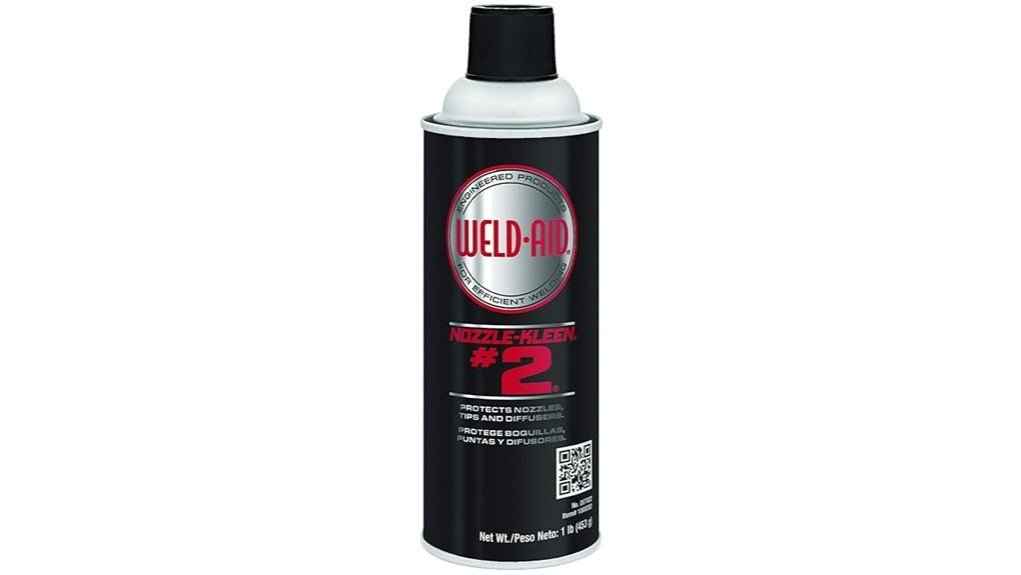
Welding spatter buildup can slow your work, shorten nozzle life, and force cleaning breaks right when you need a steady arc. Weld Aid Nozzle-Kleen #2 is made to reduce that problem by helping spatter release from MIG and TIG nozzles, tips, and nearby tools. This review looks at how the 16 oz aerosol format fits daily shop work, repair jobs, and hobby welding. It can make cleanup easier, but it still works best alongside proper nozzle cleaning and safe workshop habits.
Quick Verdict
Rating: 8/10, Recommended for welders who regularly fight nozzle spatter
Best For: MIG and TIG welders, fabrication shops, repair work, and longer welding sessions
Bottom Line: Weld Aid Nozzle-Kleen #2 is a practical anti-spatter spray if you want cleaner nozzles and fewer scraping breaks. It helps reduce buildup, but it does not replace regular cleaning, ventilation, or label-based safety steps.
| Specification | Detail |
|---|---|
| Brand | Weld Aid |
| Model | Nozzle-Kleen #2 |
| Product Type | Aerosol welding anti-spatter spray |
| Volume | 16 oz |
| Application | MIG and TIG welding nozzles, tips, and tools |
| Formula Note | Quick-drying, non-flammable formula as described in the source article |
| Best Use | Reducing spatter adhesion and helping nozzles stay cleaner between maintenance breaks |
| Safety Note | Use with good ventilation and follow the product label before spraying near welding equipment |
What Is Weld Aid Nozzle-Kleen #2?
Weld Aid Nozzle-Kleen #2 is a 16 oz aerosol anti-spatter spray made for welders who want to reduce buildup on nozzles, contact tips, and nearby tools. It is most relevant for MIG and TIG work where molten spatter can stick to the nozzle area and interrupt your process.
The main job is simple: it creates a protective coating that helps spatter release more easily during welding. That can reduce scraping, keep the nozzle area cleaner, and help you spend more time welding instead of stopping for maintenance.
The formula is described as quick-drying and non-flammable in the source article, which makes it easier to use in active shop settings. You should still treat it like a shop chemical, read the label, and keep ventilation in mind during welding.
Who Should Buy It?
Best For
- MIG and TIG welders who clean nozzles often because of spatter buildup
- Fabrication and repair users who want fewer short cleaning pauses during longer sessions
- Hobby welders who want easier cleanup without changing their main welding setup
Skip If
- You expect a spray to eliminate all nozzle cleaning or consumable maintenance
- Your welding work creates very little spatter and cleanup is already easy
- You need a verified coating, certification, or chemical spec that is not listed on the product label
Key Features and Build Characteristics
The value of Weld Aid Nozzle-Kleen #2 comes from three practical traits: aerosol application, anti-spatter behavior, and a quick-drying formula. Those features matter most when you are welding in cycles and need a fast way to keep nozzles from loading up with residue.
Spatter Reduction Performance
The spray is designed to reduce how much molten metal sticks to the nozzle area. When used correctly, that can help keep the nozzle cleaner between passes and reduce the need for constant scraping.
This benefit is most noticeable when spatter is a recurring workflow problem. If your machine settings, wire, shielding gas, or technique already produce very clean results, the improvement may feel smaller.
Quick-Drying Aerosol Application
The aerosol design makes it easy to apply a light coat around the nozzle and nearby tool surfaces. A quick-drying spray is useful because it limits waiting time before you return to the weld.
The best approach is controlled application. A thin, even coat is usually more useful than soaking the nozzle area, especially when you want to avoid excess residue.
Non-Flammable Handling Advantage
The source article describes the formula as non-flammable, which can be a useful safety advantage compared with some older solvent-heavy products. That does not mean you should ignore basic shop safety.
Use it in a ventilated area, avoid careless overspray, and follow the product label. Anti-spatter spray works around heat, metal, and fumes, so safe handling still matters.
Benefits for Welders
- Helps reduce spatter buildup on nozzles and contact tips
- Can reduce downtime caused by scraping and cleaning breaks
- Supports cleaner workflow during repeated MIG or TIG welding cycles
- May help consumables stay cleaner when paired with regular maintenance
- Works as a simple add-on product rather than a full setup change
Pro Tip: Spray a light, even coat before welding instead of over-applying. Heavy spraying can create extra residue and may attract dust around the nozzle area.
Before You Buy: This product helps reduce spatter adhesion, but it will not fix poor machine settings, contaminated material, worn consumables, or skipped nozzle cleaning.
How to Use It Correctly
Start with a clean nozzle, tip area, or tool surface when possible. Applying anti-spatter spray over dust, oil, or heavy old buildup can reduce how well the coating performs.
Use a light coat before you begin welding. Reapply during longer sessions if you notice buildup increasing, but avoid spraying more than needed.
Do not treat the spray as a substitute for welding setup basics. Proper wire feed, gas coverage, travel speed, and consumable condition still affect how much spatter you create in the first place.
Compatibility and Safety Notes
The article supports use on MIG and TIG welding nozzles, tips, and tools. That makes it a practical shop add-on if you want help with spatter control around welding equipment.
Before using it on painted, finished, plastic, or sensitive surfaces, test carefully and follow the product label. Anti-spatter sprays are made for welding work, not for every surrounding surface in your shop.
Good ventilation is still smart, even when a formula is described as non-flammable. Welding already creates fumes and heat, so keep your work area controlled and avoid breathing unnecessary spray mist.
How It Performs in Real Use
For Daily Workshop Use
In regular fabrication work, Weld Aid Nozzle-Kleen #2 can help keep the nozzle cleaner between short weld cycles. That matters when small cleaning pauses add up across the day.
For Long Welding Sessions
During longer sessions, the spray can slow buildup progression, but you should still inspect the nozzle and clean it as needed. It performs best when you use it as part of a maintenance routine.
For Repair and Field Work
For repair work, the aerosol format is convenient because it is quick to apply and easy to keep with your welding supplies. It is useful when you need faster cleanup and cannot stop for a full bench maintenance process.
For Hobby Welding
For occasional welding, it can make cleanup less frustrating after small projects. It may not be essential if you weld rarely, but it is helpful when spatter makes your nozzle dirty faster than expected.
Pros and Cons
Pros
- Targets a common welding problem: spatter sticking to nozzles and tips
- 16 oz aerosol format is simple to apply before and during work
- Quick-drying behavior supports faster workflow between welding steps
- Useful for MIG and TIG nozzle care based on the source article
- Can reduce cleaning interruptions when used with regular maintenance
Cons
- Does not replace proper nozzle cleaning or worn consumable replacement
- Results can vary with welding settings, material condition, and spatter level
- Requires careful application because overspray can leave extra residue
Is It Worth the Price?
Weld Aid Nozzle-Kleen #2 offers strong value if spatter buildup regularly slows your workflow. It makes the most sense for welders who already spend time scraping nozzles, replacing dirty tips, or cleaning tools after repeated welds.
It is a smart buy for everyday use when you want a simple anti-spatter product without changing your machine setup. The 16 oz aerosol can is also convenient for small shops, garages, and repair users who want quick application.
It is less valuable if you only weld occasionally or if your current setup already produces minimal spatter. In that case, you may not use it often enough to notice a major workflow improvement.
How It Compares to Alternatives
Compared with nozzle dip gels, Weld Aid Nozzle-Kleen #2 is easier to apply over a broader area because it comes as an aerosol spray. Gel products may appeal to welders who prefer dipping the nozzle, while spray products can be more convenient for tools and nearby metal surfaces.
Compared with bulk anti-spatter liquids, this spray is better for quick use and simple storage. Bulk options may suit high-volume shops that want larger quantities, while Weld Aid Nozzle-Kleen #2 fits buyers who want a ready-to-use can for regular nozzle care.
Frequently Asked Questions
Does Weld Aid Nozzle-Kleen #2 work for MIG welding?
Yes, the article supports use for MIG welding nozzles, tips, and tools. It is meant to help reduce spatter adhesion around the nozzle area.
Can you use it for TIG welding?
The source article describes it for MIG and TIG welding applications. Always follow the product label and avoid spraying where the manufacturer does not recommend use.
How often should you apply it?
Apply a light coat before welding, then reapply during longer sessions if you see buildup returning. Avoid heavy spraying because extra product can leave unnecessary residue.
Does it replace nozzle cleaning?
No. It helps reduce buildup, but you still need regular nozzle cleaning, inspection, and consumable replacement when parts wear out.
Is it safe for indoor shop use?
The article describes the formula as non-flammable, but ventilation is still recommended. Welding creates fumes and heat, so you should follow label directions and normal shop safety practices.
Can you spray it directly on dirty nozzles?
You can apply it during work, but it performs better when the nozzle is reasonably clean first. Heavy old buildup should be removed before you rely on a fresh coating.
Who should skip this anti-spatter spray?
Skip it if you rarely deal with spatter or want a product that replaces cleaning completely. It is an add-on maintenance aid, not a fix for poor settings or neglected consumables.
What is the most common mistake when using it?
The most common mistake is over-spraying. A thin, even coat is usually enough, while excess product can create mess and waste.
The Bottom Line
Weld Aid Nozzle-Kleen #2 is a practical anti-spatter spray for welders who want cleaner nozzles, easier cleanup, and fewer maintenance pauses during MIG or TIG work. It is best for regular shop, fabrication, repair, and hobby use where spatter buildup is a recurring annoyance. Skip it if you expect it to replace proper settings, safe handling, or regular nozzle cleaning.