jhtii Welding Anti-Clogging Agent Review
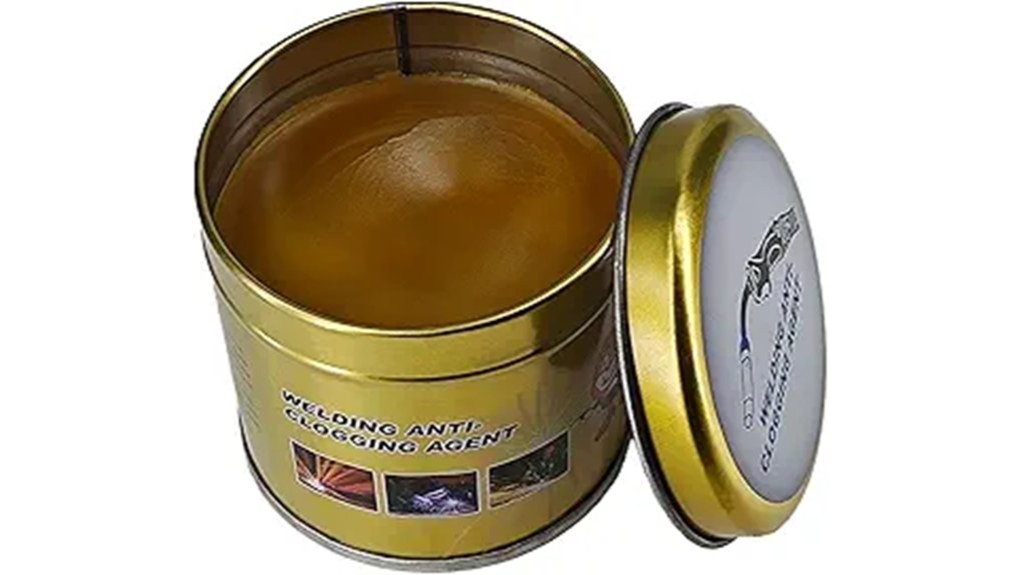
MIG nozzle spatter can interrupt your work, restrict shielding-gas flow, and add another cleaning task between welds. The jhtii Welding Anti-Clogging Agent, model jhtii-0990880, is a petroleum-jelly-based nozzle gel sold in a compact tin for routine spatter control. It is easy to apply and simple to wipe away, but the current listing does not clearly confirm the net quantity, full ingredient details, or a manufacturer warranty. This review explains what is verified, how to use the gel carefully, and when a larger or better-documented alternative may be a smarter buy.
Quick Verdict
Rating: 7.5/10, recommended with caveats
Best For: MIG welders who want a compact, simple nozzle gel for routine spatter control
Bottom Line: The jhtii gel has a clear purpose, a portable tin, and seller-stated compatibility with most MIG nozzle types. Its weak point is documentation because the listing does not clearly state the net quantity, detailed formula, or manufacturer warranty.
Key Specifications
| Specification | Detail |
|---|---|
| Brand | jhtii |
| Model | jhtii-0990880 |
| Amazon ASIN | B0DD3X3R1D |
| Product Type | MIG welding anti-spatter nozzle gel |
| Listed Material | Petroleum jelly |
| Container | Portable tin |
| Package Count | 1 pack |
| Compatibility | Seller states it works with various MIG applications and most nozzle types |
| Application | Coat the nozzle area lightly before welding, following the product label |
| Main Benefit | Helps limit spatter adhesion and simplifies nozzle cleanup |
| Net Quantity | Not clearly confirmed on the current listing |
| Warranty | No manufacturer warranty terms were confirmed |
Key Takeaways
- The verified product is the jhtii Welding Anti-Clogging Agent, model jhtii-0990880.
- It is a single-pack, petroleum-jelly-based nozzle gel supplied in a compact tin.
- The seller markets it for MIG welding applications and most nozzle types.
- Its job is to reduce spatter adhesion, not to replace nozzle cleaning, correct torch setup, or consumable inspection.
- The listing lacks a clear net quantity, detailed ingredient information, and confirmed manufacturer warranty terms.
What Is the jhtii Welding Anti-Clogging Agent?
The jhtii-0990880 is a consumable MIG nozzle-care product. You apply a light amount around the nozzle area before welding so spatter is less likely to stick firmly to the metal. After the welding session, the remaining gel and loosened debris can be wiped away as part of normal torch maintenance.
This product is not a cleaner, replacement nozzle, or repair compound. It is an add-on that may reduce the time you spend scraping or brushing spatter from the nozzle. The compact tin also makes it easy to keep near a welding cart or in a mobile tool kit, although the listing does not clearly state how much gel the container holds.
Who Should Buy It?
Best For
- MIG welders who regularly remove spatter from nozzle interiors and edges
- Home garages and small shops that want a simple, compact maintenance aid
- Mobile welders who prefer a tin that is easy to store with torch consumables
Skip If
- You need a verified net weight or predictable cost per ounce before buying
- Your torch, consumables, workplace, or weld procedure restricts petroleum-based products
- You want a spray that also covers fixtures, tables, or larger work surfaces
Before You Buy: The listing identifies the material as petroleum jelly but does not provide a full ingredient list or clearly linked safety data sheet. Confirm that the product is allowed in your shop and compatible with your torch, consumables, and welding procedure before use.
Spatter Control and Nozzle Protection
The main feature is a temporary barrier between hot spatter and the MIG nozzle surface. When the product is used correctly, small droplets may release more easily instead of bonding firmly to the nozzle. That can reduce scraping time and help you keep the gas path clearer during routine work.
Nozzle gel cannot correct the source of excessive spatter. Poor voltage and wire-feed settings, contaminated metal, incorrect polarity, unstable stickout, worn consumables, and shielding-gas problems can still create messy weld conditions. Treat the gel as a maintenance aid while you address setup problems separately.
Compatibility and Packaging
The seller describes the gel as suitable for various MIG welding applications and compatible with most nozzle types. That broad claim is useful, but it is not the same as a complete compatibility chart. Check your torch or consumable maker’s instructions if you use specialty coatings, automated equipment, unusual alloys, or a controlled welding procedure.
The package is listed as one compact tin. This is convenient for storage and transport because a tin is less likely to spray nearby tools or leak through a trigger. The tradeoff is that the listing does not clearly confirm the net quantity, so it is difficult to compare value directly with common 16-ounce nozzle gels.
How to Use It Correctly
| Step | What to Do |
|---|---|
| 1. Inspect | Turn off the equipment as required, allow hot parts to cool, and inspect the nozzle and contact tip for damage. |
| 2. Clean | Remove loose spatter with the correct nozzle-cleaning tool. Do not use the gel to hide a blocked or damaged consumable. |
| 3. Apply | Apply a light, even coating to the nozzle area as directed on the label. Keep the product away from the weld joint and base metal. |
| 4. Weld | Weld with your normal approved settings while watching gas coverage, arc stability, and nozzle condition. |
| 5. Maintain | After use, follow shutdown procedures, let the torch cool, wipe residue away, and inspect the consumables again. |
Pro Tip: Start with the smallest amount that coats the spatter-exposed area. Heavy application can create unnecessary residue and makes it harder to see whether the nozzle needs cleaning or replacement.
How It Performs in Real Use
For Short Garage Projects
For tack welds, brackets, repairs, and other short MIG jobs, the compact tin is easy to keep beside the welder. A light coating may shorten cleanup at the end of the project, especially when your nozzle usually collects small spatter beads around the rim.
For Longer Welding Sessions
During longer work, the gel may help slow spatter buildup, but you still need to inspect the nozzle at normal service intervals. If gas flow becomes restricted or the arc changes, stop and check the torch instead of relying on another application of gel.
For Mobile Welding
A tin is practical for a service truck or portable welding kit because it does not depend on an aerosol propellant. Keep the lid closed, store it away from heat and ignition sources, and protect it from dirt so grit is not transferred to the nozzle.
For Routine Consumable Care
The product makes the most sense as one step in a larger maintenance routine. Clean spatter, confirm the contact tip is centered, inspect the diffuser and insulator, and replace damaged parts. Gel may support longer nozzle service, but it cannot restore a burned, distorted, or heavily clogged consumable.
Safety, Handling, and Storage
Welding creates heat, sparks, fumes, ultraviolet radiation, and electrical hazards. Use the gel only with appropriate personal protective equipment, ventilation, and fire-safe work practices. Follow your welder, torch, consumable, and product-label instructions, and do not place the container where sparks or hot metal can enter it.
Because the listing identifies the material as petroleum jelly but does not show a complete formula, avoid assuming it has specific nonflammable, nontoxic, low-fume, or environmental certifications. Keep it off the workpiece and weld joint to reduce contamination risk. Store the closed tin in a cool, clean location and obtain the seller’s safety information if your workplace requires chemical documentation.
Pros and Cons
Pros
- Designed specifically to reduce MIG nozzle spatter adhesion
- Simple light-coat application before welding
- Residue is marketed as easy to wipe away after use
- Compact tin is convenient for shop or mobile storage
- Seller states broad compatibility with most MIG nozzle types
Cons
- Net quantity is not clearly confirmed, which limits value comparisons
- Full ingredients, safety data, and manufacturer warranty terms are not clearly documented
- It will not correct excessive spatter caused by poor setup, damaged consumables, or contaminated metal
Is It Worth the Price?
This jhtii gel is worth considering if you want a compact nozzle-care product and the current price is low enough to offset the unknown net quantity. It should offer the most value to occasional or mobile MIG welders who care more about portability and quick cleanup than buying a large shop-size container.
It is harder to call it a strong value for high-volume use because the listing does not clearly state how much product you receive. Before ordering, compare the current price and package quantity with established 16-ounce nozzle gels. A larger tub may cost more upfront but provide a clearer cost per ounce for frequent welding.
How It Compares to Alternatives
A traditional nozzle dip such as the Forney 37031 or YESWELDER 16-ounce nozzle gel may be better when you want a clearly stated, larger quantity for regular shop use. The jhtii product makes more sense when you prefer a compact tin and only need a small maintenance supply.
An anti-spatter spray is more useful when you need broader coverage on fixtures or nearby surfaces, while a ceramic nozzle coating may last longer between applications in some workflows. Those products use different formulas and application methods, so compare safety data, cleanup requirements, and compatibility before switching.
Frequently Asked Questions
Is this a nozzle cleaner or a protective gel?
It is a protective anti-spatter gel, not a cleaner or repair product. Clean loose buildup first, then use the gel as directed to help reduce how firmly new spatter sticks.
Will it fit every MIG nozzle?
The seller states that it is compatible with most nozzle types, but no complete compatibility chart is provided. Check your torch and consumable instructions if you use specialty coatings, automated equipment, or a controlled weld procedure.
How much gel should you apply?
Use a light coating on the area exposed to spatter and follow the product label. Excess gel can create extra residue and may make inspection more difficult.
Can the gel affect weld quality?
Any foreign material can be a contamination concern if it reaches the joint or base metal. Keep the gel on the intended nozzle area, use only a small amount, and follow your approved welding procedure.
Does it replace normal nozzle maintenance?
No. You still need to inspect gas flow, remove buildup, check the contact tip and diffuser, and replace damaged consumables. The gel may make cleanup easier, but it cannot repair a burned or distorted nozzle.
What is the package size?
The listing confirms one pack in a compact tin, but it does not clearly state the net weight or volume. Check the current product page and package photos before comparing its value with larger tubs.
Who should skip this product?
Skip it if you need a documented net quantity, detailed safety data, or verified compatibility with a specialized process. A larger branded gel or a product with a published safety data sheet may be a better fit for regulated workplaces.
The Bottom Line
The jhtii Welding Anti-Clogging Agent is a reasonable compact add-on for MIG welders who want easier nozzle cleanup and less firmly attached spatter. Its main strengths are simple application, portable packaging, and broad seller-stated nozzle compatibility, while its main limitation is incomplete documentation for quantity, formula, and warranty. Buy it for light or mobile use, but choose a better-documented large tub if you weld frequently or need formal chemical records.
Ready to Buy?
Check the latest price, package details, and seller information before you decide.