Disclosure: As an Amazon Associate, we earn from qualifying purchases. If you click a link on this page and make a purchase, we may receive a small commission at no extra cost to you.
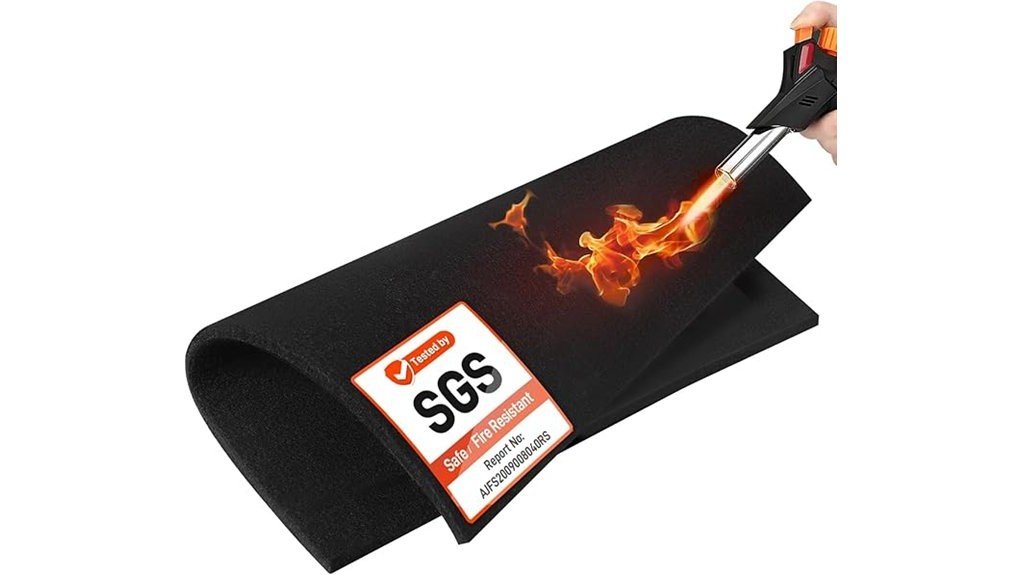
Hot work can damage benches, flooring, nearby tools, and outdoor surfaces if sparks or slag land in the wrong spot. The Welding Blanket Fireproof is a compact 14″ x 14″ carbon felt blanket made for small-area heat protection during welding, soldering, BBQ, fire pit, and wood stove tasks. Its biggest strength is the thick 1/5″ (5mm) flame-retardant carbon felt construction, which the article-supported product details rate for heat resistance up to 1800°F. Its main limitation is size: this is a small shield, not a full work-area curtain or a substitute for safe welding setup.
Quick Verdict
Rating: 8.4/10
Best For: Small welding jobs, soldering areas, grill protection, fire pit surfaces, and wood stove heat shielding.
Bottom Line: This welding blanket is worth considering if you need a thick, heat-resistant pad for spot protection. It is not the right choice if you need a large blanket to cover a broad bench, wall, vehicle panel, or floor area.
| Specification | Detail |
|---|---|
| Product name | Welding Blanket Fireproof |
| Product type | Compact welding blanket and heat shield |
| Size | 14″ x 14″ |
| Thickness | 1/5″ (5mm) |
| Material | Flame-retardant carbon felt |
| Heat resistance | Up to 1800°F, based on the article-supported product details |
| Best use | Spark, slag, and heat protection for small work zones |
| Other listed uses | BBQ grill mat, fire pit pad, soldering surface, and wood stove heat shield |
| Safety note | Use as a protective heat barrier only. Follow the product label and normal welding safety practices. |
Key Takeaways
- The blanket uses flame-retardant carbon felt, a material choice that helps it handle hot work better than thin household fabric.
- The article-supported heat rating is up to 1800°F, which makes it useful around sparks, slag, soldering heat, and grill surfaces.
- The 1/5″ (5mm) thickness gives it more body than standard 3mm fabrics mentioned in the original product details.
- The 14″ x 14″ size works best for spot protection, not full-wall, full-floor, or large vehicle coverage.
- It can serve more than one role around a workshop, grill, fire pit, or stove area, but it still needs careful placement and supervision.
What Is the Welding Blanket Fireproof?
The Welding Blanket Fireproof is a small heat-protection blanket designed to sit between a hot work area and the surface you want to protect. It is made from flame-retardant carbon felt and has a listed thickness of 1/5″ (5mm), so it is built more like a dense pad than a thin cloth cover.
You would use it when sparks, slag, or heat could mark a workbench, scorch a nearby surface, or create a cleanup problem. The compact size makes it easy to position under or near a small task, but you should measure your work zone before buying because 14″ x 14″ will not cover a large welding setup.
Before You Buy: This is a compact 14″ x 14″ welding blanket. Choose a larger blanket if you need to protect a full bench, a wide floor area, a vehicle panel, or a wall behind your work.
Key Features of the Welding Blanket
Carbon Felt Build
The main feature is the flame-retardant carbon felt material. For you, that matters because the blanket is meant to resist heat exposure instead of melting like ordinary plastic-based fabrics. It also gives the blanket a soft, flexible feel, so you can place it on uneven surfaces more easily than a rigid metal shield.
Carbon felt can shed fibers or dust depending on handling, so it is smart to shake it out away from your face, avoid rubbing it against skin, and store it where it will not collect shop debris. Wear normal welding gloves when you move it during or after hot work.
1/5″ Thickness
The 1/5″ (5mm) thickness is one of the strongest article-supported specs. A thicker pad gives you more separation between sparks or hot debris and the surface underneath. It can also help the blanket last longer when you use it repeatedly in a shop or garage.
Thickness does not make the blanket unlimited protection. Direct torch flame, long heat exposure in one spot, sharp metal edges, or heavy slag can still damage protective materials, so you should inspect the blanket often.
Up to 1800°F Heat Resistance
The listed heat resistance of up to 1800°F is useful for small welding, soldering, BBQ, and fire pit tasks where short bursts of heat or sparks are the main concern. This rating is the reason the product makes more sense than a normal towel, tarp, or mat near hot metal.
Heat ratings depend on contact time, distance from the heat source, and how the blanket is supported. Use the blanket as a shield, not as permission to weld near fuel, solvents, dry leaves, pressurized containers, or unprotected wiring.
Compact 14″ x 14″ Size
The 14″ x 14″ footprint is a benefit when you need a small pad that is easy to store, carry, and set down quickly. It works well for small soldering stations, a narrow welding area, a grill-side surface, or a hot tool rest.
The same compact size is also the main tradeoff. If your project throws sparks across a wide area, you may need multiple pads or a larger welding blanket instead of relying on this one piece.
Pro Tip: Place the blanket so it extends several inches beyond the expected spark or heat contact area. If sparks can travel past the 14″ x 14″ pad, use a larger shield or add extra protection around the work zone.
Safety and Versatility in Various Applications
This blanket is most useful as a protective layer in small, controlled heat-related tasks. In a welding setup, it can help shield a bench, floor spot, nearby tool, or small area behind the workpiece from sparks and slag. For soldering, it can give you a heat-resistant surface under the immediate work area.
The original product details also list use as a BBQ grill mat, fire pit protector, and wood stove heat shield. Those uses make sense when you need a barrier against heat transfer, but you should not treat the blanket as food-safe unless the product label clearly says so. Keep it out of direct food contact, and do not use a shop-contaminated blanket around cooking surfaces.
For indoor work, ventilation, fire watch, and clear space around the job still matter. For outdoor work, wind can move sparks beyond the blanket, so the small size may not be enough when grinding, welding, or handling hot metal in open air.
How to Use It Correctly
- Clear the area first: Move paper, rags, solvents, sawdust, fuel, and plastic items away before any welding or soldering work starts.
- Place it before heat begins: Set the blanket under or behind the target area before the metal gets hot.
- Keep it flat when possible: Gaps under the blanket can let sparks roll or collect where you cannot see them.
- Do not use it as personal protective clothing: It is a surface shield, not a welding jacket, glove, respirator, face shield, or fire escape blanket.
- Inspect after each use: Look for holes, hard burn spots, thin areas, tears, or embedded metal pieces before you store it.
How It Performs in Real Use
For Small Welding Jobs
For tack welds, small brackets, or short bead work, the blanket gives you a compact landing zone for sparks and slag. The 5mm thickness is helpful when you need more than a thin cover between hot debris and the surface underneath.
For Soldering and Bench Work
On a bench, the 14″ x 14″ size is easier to manage than a large hanging blanket. It can protect a focused work area from heat marks, but it will not protect the rest of the table if tools, solder, or hot parts move outside the pad.
For BBQ, Fire Pit, or Stove Areas
The blanket can be useful as a heat shield near a grill, fire pit, or wood stove when you need a small protective layer. Keep it away from direct food contact, check it for residue, and do not leave it unattended around active flames or children.
For Long-Term Shop Use
Repeated use is where the thicker carbon felt design should help most. Still, long-term value depends on care. Folding it neatly, storing it dry, and checking it for damage will help you avoid using a worn blanket in a high-risk spot.
Customer Feedback and Product Performance
The original article describes positive customer feedback around durability, heat resistance, and multi-use protection. That feedback matches the product’s main appeal: you get a small, thick, heat-resistant pad that can move between the garage, grill area, and fire pit setup.
The most useful feedback theme is versatility. Buyers who need one small pad for several tasks may get more value from it than buyers who only need a large welding curtain or a full-size floor blanket. The main caution is that user satisfaction depends heavily on using the right size for the job.
Who Should Buy It?
Best For
- DIY welders who need spot protection for a small bench or floor area.
- Hobbyists who solder, braze, grind, or handle hot parts in a compact space.
- Home users who want a small heat shield for BBQ, fire pit, or wood stove support tasks.
Skip If
- You need to cover a large wall, floor, vehicle interior, or full welding table.
- You want certified protective clothing or a replacement for welding PPE.
- You need a food-safe grill liner for direct contact with food.
Pros and Cons
Pros
- Flame-retardant carbon felt construction is better suited to hot work than standard fabric.
- Up to 1800°F heat resistance supports welding, soldering, BBQ, fire pit, and stove-area use.
- 1/5″ (5mm) thickness gives the blanket a more protective feel than thinner 3mm fabric.
- Compact 14″ x 14″ size is easy to store, move, and place under small work areas.
- Multi-purpose design can reduce the need for separate small heat pads around the shop or home.
Cons
- Small size may not protect enough area for grinding, large welding projects, or wide spark paths.
- Brand, warranty period, and certification details were not verified from the available article content.
- Not a replacement for gloves, helmet, jacket, respirator, fire extinguisher, or safe hot-work practices.
Is It Worth the Price?
This blanket is a smart buy for everyday use if you need a small, reusable heat shield instead of a disposable surface cover. The value comes from the combination of 5mm thickness, carbon felt material, and multi-use placement around welding, soldering, grilling, fire pits, and stove areas.
It is not the best fit if you need broad coverage. A larger blanket may cost more, but it can be the better value if your sparks travel beyond a 14″ x 14″ surface or if you need to protect a full bench, floor, or wall.
How It Compares to Alternatives
Compared with larger fiberglass welding blankets, this carbon felt blanket is easier to place in tight spots and store in a small shop. Larger blankets make more sense when you need coverage across a welding table, vehicle panel, or garage floor.
Compared with silicone-coated fiberglass mats, this blanket is more focused on soft, thick spot protection. A rigid metal shield may be better when you need a hard barrier, while this blanket makes the most sense when you want a flexible heat-resistant pad for small-area use.
Frequently Asked Questions
Is the Welding Blanket Fireproof large enough for welding?
It is large enough for small spot protection because it measures 14″ x 14″. For a full welding table, floor area, wall, or vehicle project, you should consider a larger welding blanket or use extra shielding.
What material is this welding blanket made from?
The article-supported product details list flame-retardant carbon felt. The material is meant to resist heat and help protect surfaces from sparks, slag, and hot debris during controlled tasks.
Can it really handle 1800°F?
The listed heat resistance is up to 1800°F, based on the article-supported product details. Real protection still depends on heat duration, distance, direct flame exposure, surface contact, and whether the blanket has been damaged.
Can you use it as a BBQ grill mat?
The article lists BBQ use, but you should use it as a heat shield or surface protector rather than a direct food-contact liner. If you use the same blanket in a shop, keep it away from cooking surfaces because it may collect metal dust, soot, or debris.
How should you clean and maintain it?
Let the blanket cool fully, shake off loose debris outdoors, and inspect it for tears, holes, or embedded metal. Follow the product label for washing or cleaning because aggressive cleaning can damage heat-resistant materials.
Can it be used indoors and outdoors?
Yes, the original article describes both indoor and outdoor use cases. Indoors, keep the area ventilated and free of flammable items. Outdoors, account for wind because sparks can travel beyond the small blanket.
Is it safe around children and pets?
Do not treat it as a child or pet safety device. Keep children and pets away from welding, grills, fire pits, hot stoves, and recently heated materials, even when a blanket is in place.
What warranty does it include?
The available article content does not provide a verified warranty period. Check the Amazon listing and seller details before buying if warranty coverage is important to you.
The Bottom Line
The Welding Blanket Fireproof is a recommended pick with caveats for buyers who need compact, thick, heat-resistant spot protection. Its strongest points are the flame-retardant carbon felt, 5mm thickness, and listed 1800°F heat resistance, while its main limitation is the small 14″ x 14″ coverage area.
Buy it for small welding, soldering, BBQ, fire pit, or stove-area protection. Skip it if you need a large welding blanket, certified PPE, or a food-contact grill liner.