Disclosure: As an Amazon Associate, we earn from qualifying purchases. If you click a link on this page and make a purchase, we may receive a small commission at no extra cost to you.
Sparks, heat, and stray light can make welding less comfortable, especially when your neck and the back of your helmet are exposed. The Welding Helmet Cover is made to add wrap-around coverage to a standard welding helmet without adding much weight. This review helps you decide if its fireproof material, U-shaped press-fit seal, and open ventilation design are enough for your setup. It looks useful for welders who want extra coverage, but you should still check helmet fit before buying because it may not attach perfectly to every model.
Quick Verdict
Rating: 8.2/10
Best For: Welders who want lightweight neck and rear-helmet coverage from sparks, light entry, and small hot debris.
Bottom Line: The Welding Helmet Cover is a practical add-on if your current helmet leaves your neck or rear head area exposed. Its main tradeoff is fit, because the article supports broad helmet compatibility but not a confirmed fit for every helmet brand or shell shape.
| Specification | Detail |
|---|---|
| Product name | Welding Helmet Cover |
| Product type | Welding helmet cover and neck-protection accessory |
| Design | Extended wrap-around cover with open ventilation |
| Attachment style | U-shaped press-fit silicone seal that clips to the back edge of the helmet |
| Material | Listed as high-quality fireproof material |
| Weight | Described as weighing only a few ounces |
| Compatibility | Designed for most welding helmets, but exact fit should be checked before buying |
| Best use | Reducing exposed neck area, spark contact, and stray light around the helmet |
| Care note | Clean with mild soap and water, then dry fully before storage |
| Safety note | Add-on cover only. It does not replace a proper welding helmet, lens, gloves, jacket, or other required protective gear. |
What Is the Welding Helmet Cover?
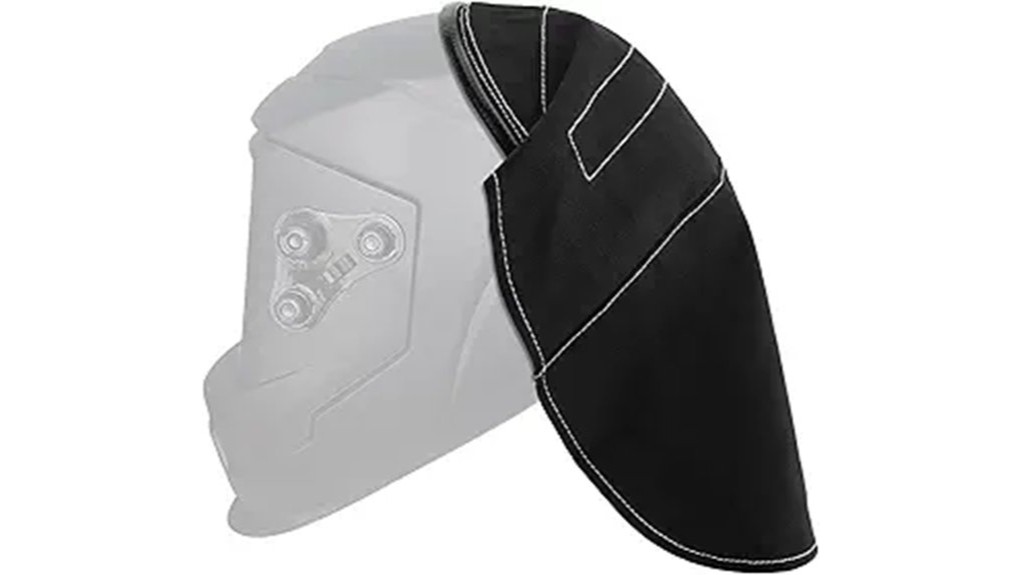
The Welding Helmet Cover is an add-on accessory that attaches to the rear edge of a welding helmet. Its purpose is to add extra coverage around the back of the helmet and neck area, where sparks, light, and small hot particles can still reach you during welding work.
The article-supported design includes a U-shaped press-fit silicone seal, an open ventilation layout, and extended wrap-around coverage. That makes it different from a simple welding cap because it is meant to connect directly to the helmet rather than sit only on your head.
This cover is best viewed as extra protection, not a full safety system by itself. You still need the right helmet, lens shade, clothing, gloves, and workplace-safe setup for the welding process you are using.
Before You Buy: Check the shape of your welding helmet before ordering. The cover is described as fitting most helmets, but a press-fit rear seal may not grip every shell shape, edge thickness, or helmet design equally well.
Who Should Buy It?
Best For
- Welders who want added neck and rear-head coverage without switching helmets.
- Beginners who want a simple accessory that clips on without a complex setup.
- Shop users who need lightweight spark protection during regular welding tasks.
Skip If
- You need a full welding jacket, hood, bib, or shoulder cover instead of a helmet add-on.
- Your helmet has an unusual rear edge that may not accept a press-fit seal.
- You want verified size, brand, or certification details before making a purchase.
Key Features of the Welding Helmet Cover
The main appeal of this Welding Helmet Cover is its simple mix of extra coverage, light weight, and easy attachment. It is made from a fireproof material according to the supplied product description, and it uses a U-shaped silicone seal to grip the rear of the helmet.
The extended wrap-around shape helps cover areas that a basic helmet may leave open, especially around the neck. That can make your setup feel more complete when sparks or bright light enter from behind or below the helmet.
Materials and Build Quality
The cover is described as being made from high-quality fireproof material with strict seam construction. That matters because a welding accessory sees heat, movement, friction, and repeated handling during setup and storage.
The article also notes wear and tear resistance, which is helpful if you plan to use the cover often instead of keeping it as an occasional backup. Because no exact fabric type is verified, you should avoid assuming it has the same performance as leather, aluminized gear, or a certified welding jacket.
Fit and Helmet Compatibility
The U-shaped press-fit seal is designed to attach to the back edge of most welding helmets. You open the silicone seal, line it up with the helmet edge, and press it into place until it grips securely.
This type of setup is easier than straps, snaps, or permanent modifications. The limitation is that helmet shells vary, so a secure fit depends on the shape and thickness of your helmet’s rear edge.
Ventilation and Comfort
The open ventilation design is a useful comfort feature because neck covers can trap heat. By leaving room for airflow, this cover aims to reduce overheating during longer work sessions.
The lightweight, odorless material also helps reduce distraction. A few extra ounces should feel easier to manage than a bulky add-on, especially when you are already wearing a helmet, gloves, and protective clothing.
Coverage Against Sparks and Light
The cover adds wrap-around protection behind the helmet, which can help reduce spark contact around the neck. It may also reduce unwanted light entering from the rear or side of the helmet.
This is useful when your work position changes or when light reflects from nearby surfaces. Still, the cover should not be treated as eye or face protection. Your helmet and lens remain the main protection for your eyes and face.
Installation and User Experience
The installation process is straightforward. Open the silicone seal, place it along the back edge of the helmet, and press it firmly until it clips into position. Before welding, tug lightly on the cover to make sure it is seated and will not shift while you move.
This setup should be manageable even if you are new to welding accessories. The main point is to install it before you start work, not after the helmet is already hot, dirty, or covered in debris.
Pro Tip: Fit the cover to your helmet while the helmet is clean and cool. Run your fingers along the full U-shaped seal to check for loose spots before you begin welding.
How It Performs in Real Use
For Shop Welding
In a garage or shop setting, the cover is most useful when you want extra coverage without changing your whole helmet. It can help protect the rear neck area from small sparks and reduce distraction from light entering behind the helmet.
For Longer Work Sessions
The open ventilation design matters most during longer sessions. Extra fabric around the helmet can feel warm, but the breathable layout helps balance coverage with comfort.
For Beginners
Beginners may like the simple attachment method because it does not require tools or helmet modification. The cover can make your gear feel more complete while you build better welding habits and learn how sparks move during different positions.
For Awkward Angles
When you bend, turn, or work around a tight area, gaps around your helmet can become more noticeable. The wrap-around shape gives you added coverage in those moments, although it should still be paired with proper clothing and other protective equipment.
Benefits of Enhanced Protection During Welding
Extra coverage can improve comfort and focus because you spend less time reacting to sparks near your neck. The Welding Helmet Cover is built for that role: it adds a barrier around exposed areas while keeping the design light enough for regular use.
| Benefit | What It Means for You |
|---|---|
| Added neck coverage | Helps reduce exposed skin around the back of the helmet. |
| Reduced light entry | Can make it easier to focus when light enters from behind or below. |
| Breathable layout | Open ventilation helps reduce heat buildup compared with a fully closed cover. |
| Simple setup | The press-fit seal makes it easy to attach before work and remove for cleaning or storage. |
Cleaning and Maintenance
Use mild soap and water to clean the cover. Avoid harsh chemicals because they may affect the material, seams, or silicone seal over time.
Let the cover dry fully before storing it. Storing damp gear can create odor and may shorten the useful life of fabric-based accessories.
Pros and Cons
Pros
- Extended wrap-around design adds coverage around the rear helmet and neck area.
- U-shaped silicone seal makes installation simple and tool-free.
- Open ventilation helps reduce heat buildup during longer work sessions.
- Lightweight design should feel less bulky than heavier protective add-ons.
- Mild soap and water cleaning keeps maintenance simple.
Cons
- Fit may vary by welding helmet shape and rear edge thickness.
- Not a replacement for a proper welding helmet, jacket, gloves, or other required PPE.
- Exact brand, dimensions, certifications, and warranty terms were not verified from the supplied article.
Is It Worth the Price?
The Welding Helmet Cover looks like a strong value for the price if you already have a compatible helmet and only need extra coverage around the rear helmet and neck area. It is a small accessory, so its value comes from comfort, coverage, and easy setup rather than advanced features.
It is worth considering if sparks or stray light often distract you while welding. It is not the best fit if you need full upper-body protection, verified certification details, or a guaranteed fit for a specific helmet model.
How It Compares to Alternatives
A welding cap can protect the top of your head and help with comfort under a helmet, but it may not give the same rear wrap-around coverage. A leather welding bib or shoulder cover may offer heavier-duty coverage, but it can also feel bulkier and warmer.
The Welding Helmet Cover makes the most sense if you want a lightweight add-on that attaches directly to the helmet. Choose a larger protective garment if your work creates heavy sparks, overhead exposure, or a need for more body coverage.
Frequently Asked Questions
Is the Welding Helmet Cover compatible with all helmet brands?
It is described as fitting most welding helmets, but that does not guarantee a perfect fit on every brand or shell shape. Check the rear edge of your helmet before buying because the U-shaped press-fit seal needs a secure surface to grip.
Does this cover replace a welding helmet or jacket?
No. This is an add-on cover for extra coverage around the helmet and neck area. You still need a proper welding helmet, lens, gloves, clothing, and any other protective gear required for your work.
How do you install the Welding Helmet Cover?
Open the silicone seal, align it with the back edge of the helmet, and press it into place until it feels secure. Check the full edge before welding so the cover does not shift while you move.
Will the cover affect visibility while welding?
The cover is meant to sit around the rear and neck area, so it should not block the front viewing window when installed correctly. If it pulls the helmet out of position or feels loose, stop and adjust the fit before welding.
How do you clean the Welding Helmet Cover?
Clean it with mild soap and water. Avoid harsh chemicals, then let the cover dry fully before you store it or attach it again.
Can you use it in hot or demanding welding conditions?
The article describes the cover as fireproof and breathable, but it does not provide verified temperature ratings. Use it as added coverage, and follow your helmet, workplace, and protective gear requirements for the type of welding you do.
Who should skip this welding helmet cover?
Skip it if you need full shoulder, chest, or overhead protection instead of a helmet accessory. You may also want to skip it if your helmet has an unusual rear edge that will not hold a press-fit seal securely.
The Bottom Line
The Welding Helmet Cover is a useful add-on for welders who want lightweight wrap-around coverage, simple installation, and better comfort around the rear helmet and neck area. Its main strength is the easy press-fit design, while its main limitation is that fit and detailed product specs are not fully verified from the supplied article. Buy it if your helmet shape looks compatible and you want extra coverage, but skip it if you need a full protective garment or confirmed certification details.
Ready to Buy?
Check the latest product details and fit notes before you decide.