Disclosure: As an Amazon Associate, we earn from qualifying purchases. If you click a link on this page and make a purchase, we may receive a small commission at no extra cost to you.
Sparks, heat, and rough materials can reach farther than short welding gloves protect, especially when your forearms stay close to the work area. The 23.6-inch Welding Safety Gloves are made for buyers who want longer arm coverage, durable leather, and a soft inner liner for extended wear. This review helps you decide if the full cow split leather build, reinforced wing thumb, and cotton liner make sense for your welding, barbecue, gardening, or heavy-duty home tasks. They offer strong coverage for the price, but you should still check fit, heat limits, and seller details before you rely on them for demanding work.
Quick Verdict
Rating: Recommended with caveats
Best For: Welders, DIY users, grill owners, and homeowners who want long leather gloves for heat and abrasion protection.
Bottom Line: These gloves stand out for their 23.6-inch length, full cow split leather shell, and soft cotton liner. The main tradeoff is that the article does not confirm exact sizing options, warranty terms, or a certified heat rating, so you should verify those details on the product page before buying.
| Specification | Detail |
|---|---|
| Product type | Long welding safety gloves |
| Length | 23.6 inches |
| Outer material | Full cow split leather |
| Inner liner | Soft cotton liner |
| Thumb design | Reinforced wing thumb |
| Stitching | Locked stitching with heat-resistant Kevlar thread |
| Best use | Welding, barbecue handling, gardening, firewood handling, and heavy-duty DIY tasks |
| Safety note | Check the listing, label, and task requirements before using these gloves around extreme heat, open flame, sharp metal, or industrial hazards. |
What Is the 23.6-Inch Welding Safety Glove?
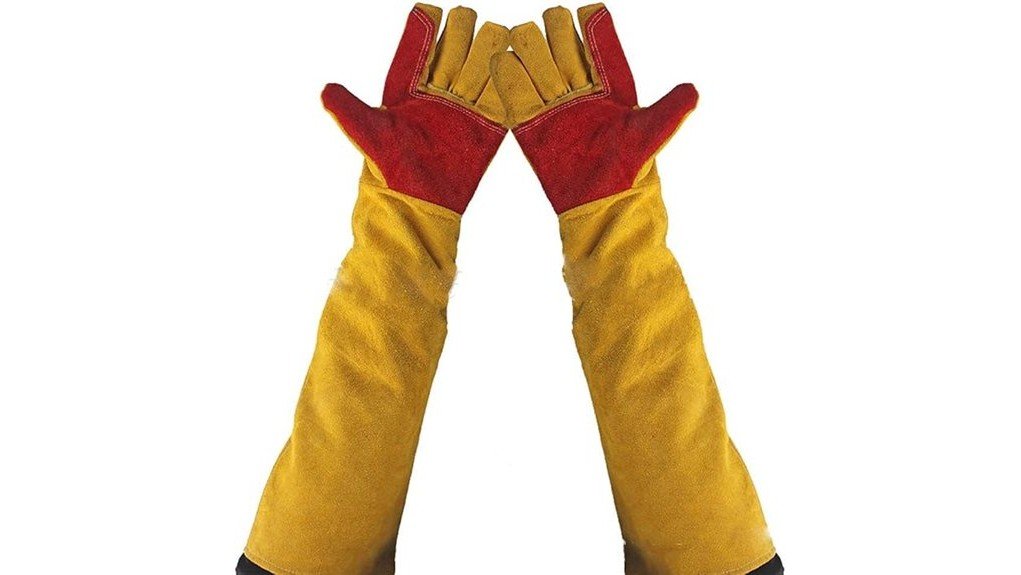
The 23.6-inch Welding Safety Glove is a long leather protective glove designed to cover your hand, wrist, and part of your forearm. Its main appeal is the extra sleeve length, which helps shield more skin from sparks, spatter, hot surfaces, and rough materials.
The article-supported construction includes full cow split leather, a soft cotton liner, a reinforced wing thumb, and locked stitching with heat-resistant Kevlar thread. That combination makes the gloves useful for welding-style tasks where abrasion resistance, heat protection, and hand comfort matter.
These gloves are not limited to welding. You can also use them for grilling, moving firewood, working around thorny plants, or handling bulky materials where bare hands or thin work gloves would not offer enough coverage.
Before You Buy: The article does not confirm exact size options, a certified heat rating, or warranty terms. Check the Amazon listing and product label before using these gloves for high-heat professional work or safety-critical tasks.
Who Should Buy It?
Best For
- Welders who want long forearm coverage from a 23.6-inch glove.
- DIY users who need leather hand protection for heat, sparks, rough materials, and heavy lifting.
- Grill owners, gardeners, and homeowners who want one protective glove style for several tough tasks.
Skip If
- You need a confirmed certification, exact heat rating, or jobsite-required safety standard.
- You prefer short gloves with more wrist movement for fine-detail work.
- You need a confirmed size chart before buying and the listing does not show enough fit details.
Why These Welding Safety Gloves Stand Out in the Market
The main reason these gloves stand out is their 23.6-inch length. Short gloves may cover your hand and wrist, but longer gloves help protect more of your forearm when sparks, slag, or radiant heat move upward during welding or grinding work.
The full cow split leather build gives the gloves a rugged feel for rough surfaces, hot tools, firewood, and metal handling. Cow split leather is commonly valued in work gloves because it resists abrasion better than thin fabric gloves and gives you a thicker barrier between your hands and the task.
The reinforced wing thumb adds another practical advantage. This thumb design supports a more natural grip, so you can hold tools, rods, grill parts, or wood more confidently than you could with a stiff, flat glove shape.
Key Features That Enhance Protection and Comfort
Long Sleeve Protection
The 23.6-inch length gives you more coverage than standard wrist-length work gloves. That matters when sparks travel, when you reach into a grill, or when your forearm brushes against rough materials.
This extra length can also reduce the gap between your glove and sleeve. For welding or barbecue tasks, that gap is often where sparks or heat reach exposed skin.
Full Cow Split Leather Build
The article describes the gloves as made from full cow split leather. This material supports durability, abrasion resistance, and heat protection for demanding tasks.
Leather gloves can feel bulkier than thin utility gloves, but that added thickness is part of the protection. These gloves make the most sense when safety and coverage matter more than delicate fingertip feel.
Soft Cotton Liner
The soft cotton liner helps absorb sweat during longer sessions. That can make a noticeable difference when you wear gloves near heat or during outdoor work in warm weather.
A liner also improves comfort against your skin. It does not remove heat risk, but it can reduce the rough, stiff feeling that some leather gloves have inside.
Reinforced Wing Thumb
The reinforced wing thumb helps with grip and movement. You still should not expect the precision of thin mechanic gloves, but the thumb design supports better control than a basic, rigid glove.
This feature is useful when you need to hold welding tools, adjust grill parts, carry firewood, or move bulky materials. It adds practical value because protection only helps if you can still handle the task safely.
Locked Stitching With Kevlar Thread
The article notes locked stitching with heat-resistant Kevlar thread. Strong stitching matters because seams can be a weak point in work gloves, especially when heat, friction, and repeated bending put stress on the material.
This does not mean the gloves are indestructible. It does mean the construction is better suited to heavy use than gloves with thin thread or weak seam placement.
Pro Tip: Before your first heavy task, wear the gloves for a few minutes and practice gripping the tools you use most. Long leather gloves can feel stiff at first, and a short break-in check helps you confirm fit and control.
Material Safety and Comfort
These gloves are designed to protect against mechanical and thermal risks, but you should still match the glove to the job. The article does not confirm a formal safety certification or exact heat-resistance rating, so avoid assuming they meet a specific workplace requirement unless the product label or listing confirms it.
The cotton liner improves comfort, but it can also hold sweat after use. Let the gloves air out before storage, especially after long welding, grilling, or yard work sessions.
For cooking or barbecue tasks, use them for handling hot grill parts and heat-related outdoor work, not as a substitute for food-safe kitchen gloves. Avoid direct contact with food unless the manufacturer clearly states that the material is food-safe.
Practical Uses for Welding Safety Gloves Beyond Welding
Welding safety gloves can be useful outside the shop because the same features that protect against sparks can also help with heat, abrasion, and rough surfaces. The long leather design makes these gloves practical for more than one type of chore.
- Gardening Tasks: The leather shell can help protect your hands from thorns, rough branches, and abrasive materials while you work in soil or brush.
- Barbecue Safety: The long sleeve design can help shield your wrist and forearm when you handle hot grill grates, charcoal tools, or smoker parts.
- Heavy Lifting: The gloves can improve grip and hand protection when moving firewood, metal parts, or bulky shop materials.
- DIY Repairs: The reinforced leather and long cuff can help when you handle sharp edges, rough surfaces, or heat-adjacent parts.
How It Performs in Real Use
For Welding and Shop Work
During welding-style tasks, the 23.6-inch length is the biggest advantage. It gives you more arm coverage when sparks or spatter move beyond the wrist area.
The full cow split leather shell also helps when you handle metal, tools, and rough surfaces. For fine TIG work or delicate part placement, the longer and thicker design may feel less precise than thinner gloves.
For Barbecue and Grill Work
For grill tasks, the long cuff helps when you reach near hot grates, smoker doors, or charcoal tools. The cotton liner can make the gloves more comfortable during repeated handling.
You should still avoid holding extremely hot items longer than necessary. Heat can build through any glove, especially during direct contact with hot metal.
For Gardening and Yard Work
In the yard, the leather helps protect your hands from thorns, branches, and rough materials. The longer sleeve is useful when you reach into bushes or carry brush piles.
The tradeoff is breathability. Long leather gloves may feel warm during summer yard work, so they work best for tougher jobs rather than light planting or delicate pruning.
For Firewood and Heavy Materials
When you carry firewood, scrap metal, or bulky materials, the glove design gives you grip and a thicker barrier than standard cotton work gloves. The reinforced thumb can help when you lift and reposition uneven loads.
Check the gloves after rough use. Cuts, worn seams, or stiff heat-damaged areas can reduce protection over time.
How to Choose the Right Welding Safety Gloves for Your Needs
Start with the task. If you mainly weld, look for long coverage, leather construction, reinforced seams, and heat-resistant stitching. These gloves match those needs based on the article-supported details.
Next, think about movement. The reinforced wing thumb helps with grip, but a 23.6-inch leather glove will not feel as flexible as a short, thin work glove. Choose these when protection matters more than maximum dexterity.
Finally, confirm the details that the article does not verify. Check the current product page for size options, package count, care directions, warranty language, and any safety certifications before you buy.
Fit Tips Before You Buy
A glove that is too loose can reduce grip, while a glove that is too tight can limit movement and make long sessions uncomfortable. Since the original article does not confirm exact sizing, review the seller’s size chart before placing your order.
Also consider sleeve length. The 23.6-inch design gives strong coverage, but it may feel too long if you only need basic hand protection for quick, light jobs.
For best control, test the gloves with the tools you plan to use. You should be able to grip, lift, and release items without fighting the glove shape.
Cleaning and Maintenance
Leather welding gloves usually need gentle care. The original article recommends hand washing rather than machine washing to help preserve the glove material and structure.
After use, shake out debris and let the gloves dry naturally before storage. Avoid storing them damp, since moisture can affect comfort, odor, and leather condition.
Do not use harsh cleaning methods unless the product label allows them. Heat, detergents, and aggressive washing can shorten the life of leather gloves.
Pros and Cons
Pros
- 23.6-inch length gives stronger forearm coverage than short work gloves.
- Full cow split leather helps protect against heat, sparks, abrasion, and rough materials.
- Soft cotton liner improves comfort and helps absorb sweat during longer use.
- Reinforced wing thumb supports better grip and hand movement.
- Useful beyond welding for barbecue, gardening, firewood, and heavy-duty DIY tasks.
Cons
- Exact size options and fit range are not confirmed in the article.
- Long leather construction may feel bulky for fine-detail work.
- Warranty terms, certifications, and exact heat limits should be verified on the product page before purchase.
Is It Worth the Price?
These gloves look like a strong value for the price if you want long leather coverage for welding, grilling, yard work, and heavy-duty home tasks. The best value comes from the combination of 23.6-inch length, cow split leather, cotton lining, and reinforced thumb construction.
They are worth considering if you need one pair of protective gloves for several rough or heat-adjacent jobs. They are not the best fit if you need confirmed professional certifications, exact heat ratings, or maximum finger precision.
How It Compares to Alternatives
Compared with shorter leather work gloves, these gloves offer better forearm coverage and more protection around the wrist area. That makes them a better choice for welding, grilling, and brush handling where hazards can reach past your hands.
Compared with thinner mechanic gloves, these are less focused on fine dexterity and more focused on coverage, heat resistance, and abrasion protection. Choose these if you care more about shielding and durability than fingertip feel.
Frequently Asked Questions
Are these welding gloves good for forearm protection?
Yes, the 23.6-inch length is the main reason to consider them. The longer sleeve helps cover more of your wrist and forearm than shorter work gloves.
What material are these gloves made from?
The article describes them as made from full cow split leather with a soft cotton liner. It also notes locked stitching with heat-resistant Kevlar thread.
Can you use these gloves for grilling?
You can use them for barbecue and grill handling tasks where long leather gloves make sense. Avoid prolonged direct contact with extremely hot metal, and confirm any heat limits on the product label.
Are these gloves machine washable?
Hand washing is the safer approach based on the original article. Machine washing may damage leather structure, stitching, or liner comfort, so follow the product label when available.
Do these gloves work for gardening?
Yes, they can help protect your hands and forearms from thorns, branches, rough materials, and yard debris. They may feel warm or bulky for light planting, but they suit tougher garden cleanup tasks well.
How long can these gloves last?
Lifespan depends on how often you use them, the heat exposure, and the roughness of the materials you handle. Clean them gently, dry them before storage, and replace them if the leather, seams, or liner show serious wear.
Do these gloves come with a warranty?
The article does not verify a specific warranty length or guarantee. Check the current Amazon listing and seller details before buying if warranty coverage matters to you.
Who should skip these gloves?
Skip them if you need a confirmed safety certification, exact heat rating, or a glove made for precision fingertip control. You may also want another option if the seller does not provide enough sizing information.
The Bottom Line
The 23.6-inch Welding Safety Gloves make sense if you want long cow split leather gloves for welding, grilling, firewood, gardening, and rough DIY tasks. Their best strengths are the extended sleeve length, cotton liner, reinforced wing thumb, and heat-resistant stitching, while the main limitation is the lack of verified sizing, certification, and warranty details in the source article.
Choose them if you want practical protection for demanding home and shop tasks. Skip them if you need verified workplace safety specs or a more flexible glove for fine-detail work.