As an Amazon Associate I earn from qualifying purchases. Buying through these links costs you nothing extra.
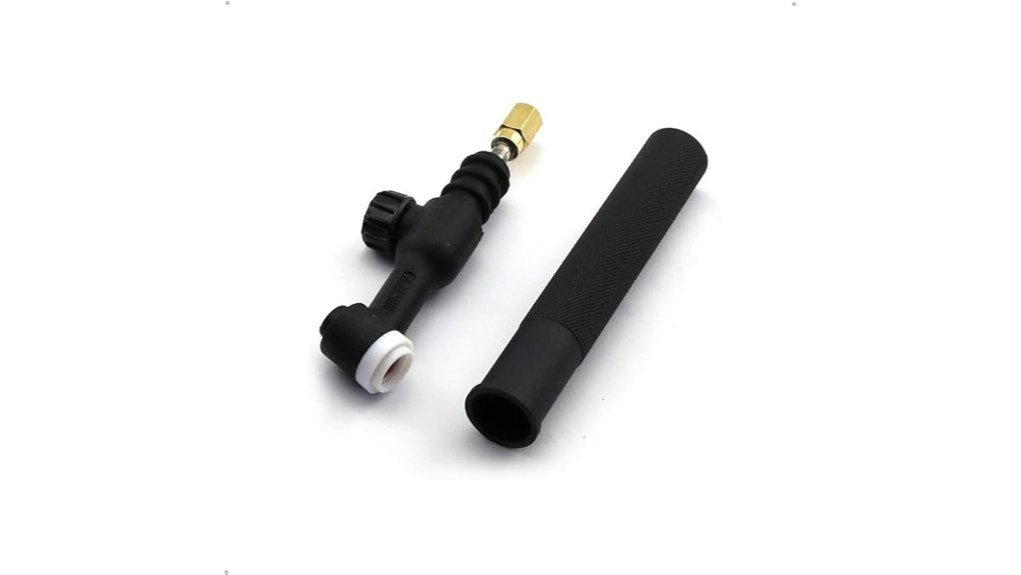
This 600A carbon arc gouging torch is a hand-held air carbon arc (CAC-A) torch listed at about 1404 g with a 200 mm (7.87 in) length and a 20 mm (0.79 in) tube. It is worth considering if you already own a high-output welding power source and a compressed-air supply and want to gouge out grooves, weld defects and roots. Skip it if you only have a small 120V stick welder, because gouging needs far more current and air than hobby machines provide.
This carbon arc gouging torch review is based on the Amazon listing and standard air carbon arc practice, not hands-on testing. Check the listing for the air hose, cable connection and rod size range.
Quick specs at a glance
| Item | Detail |
|---|---|
| Type | Air carbon arc (carbon arc gouging) torch |
| Rated current (listing) | 600 A |
| Weight and length (listing) | About 1404 g; about 200 mm (7.87 in) |
| Tube thickness (listing) | About 20 mm (0.79 in) |
| Uses (listing) | Groove creation, weld defect removal, weld root removal, any-position work |
| Needs | High-output welder, carbon or graphite gouging rods, compressed air |
| To verify | Rod diameter range, cable connector style, air hose fitting |
How a 600A carbon arc gouging torch works and who it suits
An arc is struck between a carbon or graphite rod and the metal. A stream of compressed air blows the molten metal away, leaving a groove. It removes cracked welds, prepares V-grooves, and cleans weld roots faster than grinding on thick steel.
- Good for: fabrication shops, heavy repair, welders with a high-amp machine and a shop air compressor.
- Less suited to: thin sheet, tight indoor spaces without ventilation, or home shops without a suitable compressor.
What you need before buying
- Welding power source: It must deliver enough current for the rod size you plan to use, with a duty cycle that holds up. Check the rod maker’s amperage chart. Small portable stick welders are generally not suited to this.
- Polarity: Many copper-coated DC gouging rods run on DC electrode positive. AC rods exist too. Match rod type to your machine.
- Compressed air: A shop compressor with enough volume and pressure for sustained gouging. Torch makers commonly quote pressures around 80 to 100 psi; check the manual for flow requirements.
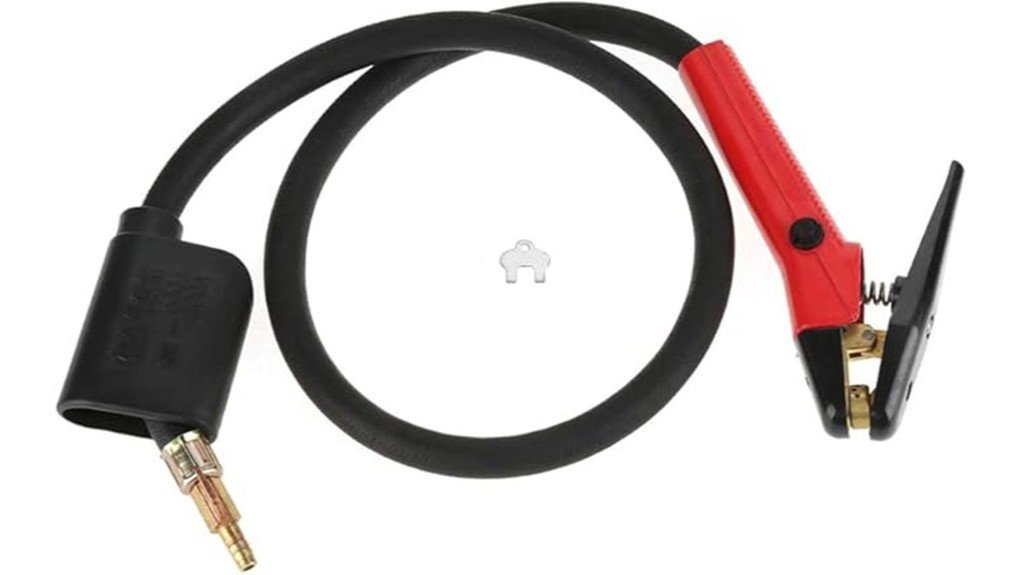
- Cable and hose: Confirm cable connector style and air fitting match your leads.
- Rods: Torch jaws must fit the rod diameter. See our Patikil carbon arc gouging rods review.
Pros and limitations
Pros
- Heavy-duty current rating for demanding work.
- Removes weld metal much faster than a grinder on thick material.
- Works in different positions per the listing.
Limitations
- Needs a strong power source and plenty of compressed air.
- Loud and messy: sparks, molten metal and carbon dust fly.
- Leaves a carbon-rich surface that usually needs grinding before welding.
- The listing gives limited detail on jaw design and rod range.
Using the torch safely
- Wear a welding helmet at an appropriate shade, leather jacket or sleeves, gloves, and a flame-resistant cap or hood.
- Use hearing protection; the air blast is very loud. Our ear plug review covers one option.
- Clear flammables from several meters around, because molten metal sprays far.
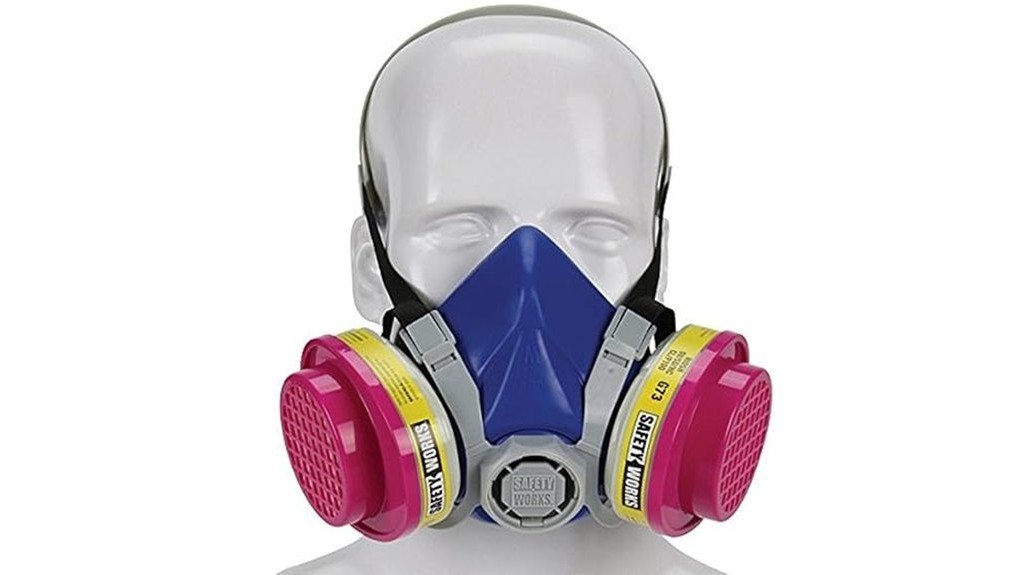
- Ventilate well and wear a suitable respirator: the process makes fume and fine carbon dust, and coated or galvanized metal adds hazards.
- Start the air before striking the arc and keep the rod angle shallow, pushing along the groove.
- Grind the groove clean before welding to remove carbon pickup.
Care
Inspect the torch for burnt jaws, loose cable connections and cracked insulation. Clean spatter from the head, and replace worn parts. Disconnect the air and power before maintenance.
Alternatives and related guides
- Patikil carbon arc gouging rods review: rods to pair with a gouging torch
- noise-cancelling ear plugs review: hearing protection for loud gouging
- Black Stallion welding jacket review: spark and spatter protection
- SUA 500 amp electrode holder review: another heavy-duty holder to compare
Frequently Asked Questions
What do I need to run a carbon arc gouging torch?
You need a welding power source with enough amperage and duty cycle, carbon or graphite gouging rods, and a compressed-air supply. Check the torch and rod makers’ charts for current, polarity and air requirements.
Can I use a small stick welder for gouging?
Usually not. Gouging needs high current for the rod size and sustained duty cycle. Small and 120V stick welders typically cannot support it, so use a machine rated for air carbon arc work.
Is carbon arc gouging better than grinding?
On thick steel it removes metal faster and is useful for weld defects and roots. It is noisier, messier and leaves carbon on the surface that must be ground off. Grinders suit smaller, cleaner jobs.
What safety gear is needed for gouging?
A welding helmet with the correct shade, leather jacket, gloves, hearing protection, a respirator suited to fume and dust, and a clear fire-safe area. Molten metal throws far, so keep flammables away.
Final verdict
The 600A carbon arc gouging torch is a heavy-duty tool for shops with the power and air to run it. Verify rod fit, connector style and air requirements on the listing, and wear full PPE including hearing and respiratory protection.