Disclosure: As an Amazon Associate, we earn from qualifying purchases. If you click a link on this page and make a purchase, we may receive a small commission at no extra cost to you.
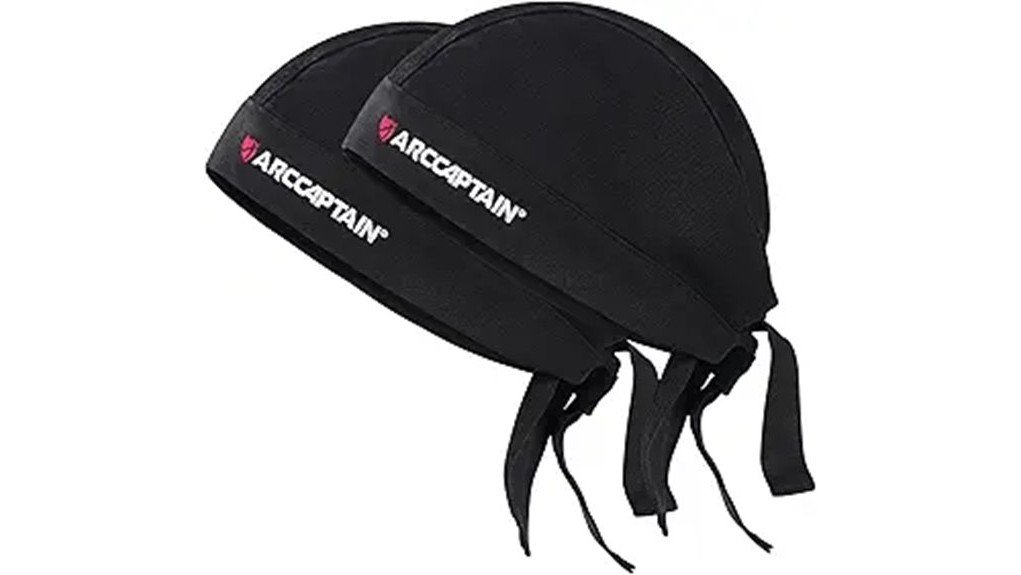
Hot sparks, sweat, and helmet pressure can turn a long welding session into a distraction fast. The ARCCAPTAIN Welding Cap is built for head and hair coverage under a welding helmet, with flame-resistant fabric, a double-layer design, breathable mesh lining, and an adjustable tie closure. This review helps you decide whether it gives you enough comfort and coverage for shop work, outdoor jobs, or casual protective use. It has useful protection features for the price, but it is still an add-on cap, not a replacement for a welding helmet, face shield, gloves, or jobsite PPE.
Quick Verdict
Rating: 8.1/10, Recommended with caveats
Best For: Welders who want a breathable, tie-back cap for spark coverage, sweat control, and helmet comfort.
Bottom Line: The ARCCAPTAIN Welding Cap makes sense if you want a double-layer cap with flame-resistant fabric and a mesh lining for longer wear. Skip it if you need a certified hard hat liner, a fixed fitted size, or full head, face, and neck protection from one product.
Key Takeaways
- The ARCCAPTAIN Welding Cap uses flame-resistant fabric for head and hair coverage around welding sparks and heat.
- Its double-layer design combines a soft cotton surface with a breathable mesh lining to help reduce sweat discomfort.
- The adjustable tie closure gives you a more flexible fit than a fixed-size cap, but it may still take trial and error.
- You can wear it under a standard welding helmet when the helmet fit and cap thickness work together comfortably.
- It also works as casual protective headwear for heat-intensive garage, shop, biking, and tattoo studio environments.
- It is not a stand-alone safety solution and should be used with proper welding PPE and safe work practices.
| Specification | Detail |
|---|---|
| Brand | ARCCAPTAIN |
| Product type | Welding cap and helmet liner |
| Design | Double-layer cap with adjustable tie closure |
| Size | One size with tie-back adjustment |
| Material | Article-supported flame-resistant fabric |
| Fabric weight | 9-ounce fabric composition stated in the source article |
| Skin/contact layer | Soft cotton surface with breathable mesh lining |
| Compatibility | Can be worn under a standard welding helmet when fit allows |
| Best use | Welding, helmet lining, shop work, biking, street art, and tattoo work |
| Safety note | Use as supplemental headwear, not as a replacement for welding helmets or required PPE. |
What Is the ARCCAPTAIN Welding Cap?
The ARCCAPTAIN Welding Cap is a tie-back protective cap made for welders who want extra coverage under a helmet. Its main job is to help shield hair and the top of your head from sparks while adding a soft layer between your skin and the helmet shell.
The cap uses a double-layer construction with a cotton surface and breathable mesh lining. That mix matters because welding caps often fail in two areas: they either feel too hot during long sessions, or they shift under the helmet when you move. The adjustable tie closure helps you fine-tune the fit before you lower your hood.
It also has a style that works outside welding. The source article positions it for bikers, street artists, and tattoo professionals, but its strongest use remains as a practical welding accessory for comfort, sweat control, and light head coverage during heat-intensive work.
Who Should Buy It?
Best For
- Welders who want a breathable cap under a welding helmet.
- Users who prefer a tie-back fit instead of a fixed-size welding cap.
- Shop, garage, and outdoor users who want spark-resistant head and hair coverage.
Skip If
- You need documented third-party safety certifications before buying.
- You want a rigid hard hat liner or full-face welding protection.
- You dislike tie closures and prefer a fitted cap size.
Before You Buy: Treat this cap as supplemental headwear. You still need a proper welding helmet, eye protection, gloves, jacket, and any workplace-required PPE for the job.
Material and Protection Features
The article-supported highlight is the flame-resistant fabric. For welding work, that matters because ordinary cloth can expose your hair and scalp to sparks, hot debris, and helmet friction. This cap is designed to add a protective fabric barrier while staying flexible enough for helmet use.
The article also states that the fabric resists shrinkage and melting at high temperatures. That is a useful claim for a welding cap, but you should still inspect the cap often. Replace it if the fabric becomes thin, torn, stiff, burned, or contaminated with oil, fuel, solvents, or other flammable residue.
The 9-ounce fabric composition gives the cap a more substantial feel than a thin bandana. That can help with durability, but it can also add warmth under a helmet. If you weld in hot shops, you will likely care as much about airflow as fabric thickness.
Comfort and Design Elements
Comfort matters because a welding cap that pinches, shifts, or traps sweat will not stay on your head for long. The ARCCAPTAIN cap uses a soft cotton surface, which helps reduce scratchy contact against your skin and hair.
The breathable mesh lining helps manage sweat before it runs into your eyes. That is especially useful when you work in overhead positions, warm garages, or outdoor settings where heat builds under your helmet.
The adjustable tie closure is another practical feature. You can tighten the cap for helmet work, loosen it for casual wear, or adjust it if your hair length changes. The tradeoff is that it may take a few tries to find the right knot position and tension.
Fit and Helmet Compatibility
The one-size design gives the cap flexibility, but it does not guarantee the same feel for every head shape. If your helmet already fits tight, the double-layer cap may add enough bulk to require a helmet adjustment.
Before you weld, put the cap on, tie it flat, then lower your helmet and move your head side to side. The cap should not block your view, press into your forehead, or force the helmet out of position. If it does, adjust the tie, reposition the cap, or use a thinner liner.
The cap can work well as a welding helmet liner because it creates a washable layer between your head and the helmet suspension area. That can help reduce sweat buildup inside your helmet during repeated use.
Material Safety and Comfort
This cap touches your hair and skin, so comfort and care matter. The cotton surface and mesh lining are helpful for regular wear, but sensitive users should stop using it if they notice rubbing, irritation, or heat discomfort.
Do not assume flame-resistant means fireproof. Keep the cap away from direct flame, heavy slag, and grinding debris beyond normal spark exposure. You should also avoid using the cap if it has absorbed flammable liquids, because contamination can reduce safety.
For jobsite use, follow your workplace safety rules and the product label. If your work requires a specific protective standard, confirm that requirement before relying on this cap.
Versatility and Applications
The ARCCAPTAIN Welding Cap works best for welding and helmet-liner use, but its tie-back style makes it more versatile than a rigid liner. You can use it during garage work, light fabrication, metal prep, and other tasks where sparks, sweat, or helmet comfort are concerns.
Outside welding, the cap can also serve as a bandana-style head covering for bikers, street artists, and tattoo professionals. That does not mean it turns those activities into safety-rated work, but it does give you a durable cap with a practical workwear look.
For best results, match the use to the risk. Use it for comfort, hair coverage, and light spark protection. Do not use it as your only protective barrier in high-risk welding, cutting, grinding, or industrial settings.
How It Performs in Real Use
For Welding Helmet Use
Under a welding helmet, the cap’s value comes from sweat control and reduced friction. The mesh lining helps keep sweat away from your eyes, while the cotton surface gives your helmet a softer contact layer.
For Long Shop Sessions
During longer sessions, the double-layer design can feel more protective than a thin cotton bandana. The possible downside is heat buildup, so you may need breaks or a second clean cap if you work in hot conditions.
For Outdoor or Garage Work
The cap can help keep hair contained while you work around sparks, dust, or sun exposure. It should not be treated as weatherproof gear, though. In rain, heavy wind, or extreme heat, comfort and fit will depend on your conditions.
For Casual Protective Wear
For biking, street art, or tattoo studio use, the cap offers a durable headwear style with adjustable fit. It is most useful when you want hair control and a breathable work cap, not when you need certified impact, face, or respiratory protection.
Fit Tips Before You Buy
- Tie the cap flat so the knot does not create a pressure point under your helmet.
- Check helmet clearance before welding, especially if your helmet already fits snugly.
- Keep the mesh lining smooth against your forehead to help manage sweat.
- Wash and dry it according to the product instructions to protect the fabric and fit.
- Keep a spare cap if you weld often, so you can rotate between clean liners.
Pro Tip: Put the cap on first, adjust the tie, then set your welding helmet tension. This prevents you from tightening the helmet around a cap that is already bunched or uneven.
Cleaning and Maintenance
The original article recommends washing the cap in cold water with mild detergent and avoiding bleach or high heat. That is sensible care advice for a fabric cap, especially when you want to preserve fit and comfort.
Let the cap dry fully before wearing it again. You should also keep it away from oil, solvents, and other shop chemicals. If the material becomes damaged or contaminated, replace it instead of trying to stretch its use.
Pros and Cons
Pros
- Flame-resistant fabric gives added head and hair coverage around welding sparks.
- Double-layer design combines a soft cotton surface with breathable mesh lining.
- Adjustable tie closure works for a wider range of head shapes than one fixed size.
- Can be worn under a standard welding helmet when the fit is adjusted correctly.
- Versatile enough for welding, shop use, biking, street art, and tattoo work.
Cons
- One-size tie design may still require trial and error for the right fit.
- Double-layer fabric can add warmth under a helmet in hot shops.
- Not a replacement for a welding helmet, face shield, jacket, gloves, or certified PPE.
Is It Worth the Price?
The ARCCAPTAIN Welding Cap is worth considering if you want a practical welding accessory rather than a full protective system. Its value comes from the combination of flame-resistant fabric, breathable lining, a tie-back fit, and helmet-liner use.
It should be a strong value for the price if you weld often enough to need better sweat control and hair coverage. You get the most value if you wear a welding helmet for longer sessions and want a cap that can also work as casual shop headwear.
It is not the best fit if you need documented certifications, a precise fitted size, or a cap that stays cool in every hot-weather setting. In those cases, compare it with certified FR headwear or lighter welding-cap options before you buy.
How It Compares to Alternatives
Compared with a basic cotton bandana, the ARCCAPTAIN Welding Cap offers a more work-focused design because it adds flame-resistant fabric, a double-layer build, and a breathable mesh lining. Compared with a fitted welding cap, the tie closure gives more adjustment but may feel less quick to put on.
If you want maximum head coverage, a full welding hood or certified FR balaclava may be better for certain jobs. If you want a simple helmet liner with a breathable feel and a style you can wear outside the shop, the ARCCAPTAIN cap is the more flexible pick.
Frequently Asked Questions
Can the ARCCAPTAIN Welding Cap be worn under a standard welding helmet?
Yes, the cap is designed to work as a welding helmet liner when the fit allows. Put it on first, tie it flat, then adjust your helmet so the cap does not block your view or create pressure points.
Is this welding cap one size fits all?
The article describes it as one size with an adjustable tie closure. That gives you fit flexibility, but people with very small or very large head sizes may still need to test the fit carefully.
Does flame-resistant fabric mean the cap is fireproof?
No. Flame-resistant fabric is not the same as fireproof protection. Use the cap as supplemental coverage and keep wearing proper welding PPE for your eyes, face, hands, body, and respiratory needs.
How should you wash and maintain the welding cap?
Use cold water and mild detergent, and avoid bleach or high heat unless the product label says otherwise. Let it dry fully before use, and replace it if the fabric becomes burned, torn, thin, or contaminated.
Is the cap suitable for outdoor work?
It can be useful outdoors because it helps contain hair and adds a fabric barrier under a helmet. It is not a rain hat, impact helmet, or full sun-protection system, so match it with the right gear for the weather and job.
Who should skip the ARCCAPTAIN Welding Cap?
Skip it if you need certified protective headwear with documented standards, a hard hat liner, or full head and face protection. You may also want another option if tie-back caps bother you during long work sessions.
Can bikers or tattoo professionals use it too?
Yes, the article describes the cap as useful for bikers, street artists, and tattoo professionals who want bandana-style headwear. For those uses, think of it as durable headwear, not as a substitute for activity-specific safety equipment.
The Bottom Line
The ARCCAPTAIN Welding Cap is a smart buy for welders who want a breathable, tie-back cap with flame-resistant fabric and a soft lining for helmet use. Its main strengths are comfort, adjustability, and practical spark coverage, while its main limits are one-size fit variation and the fact that it does not replace required PPE. Skip it if you need certified head protection or a fixed fitted cap, but consider it if you want a simple, useful welding cap for shop and garage work.