Disclosure: As an Amazon Associate, we earn from qualifying purchases. If you click a link on this page and make a purchase, we may receive a small commission at no extra cost to you.
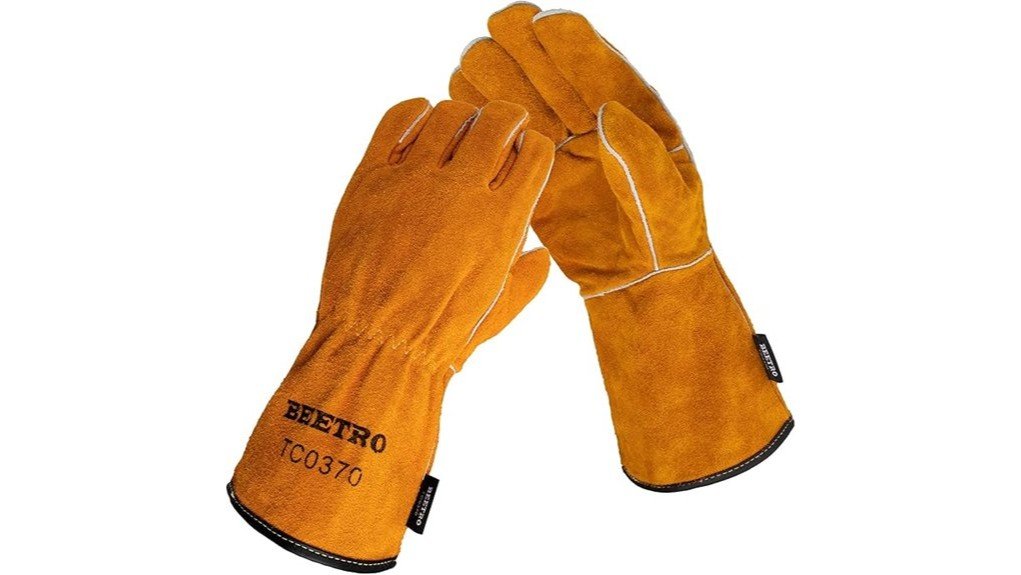
Hot work can punish your hands fast, especially when sparks, rough metal, and long project sessions are involved. The BEETRO Welding Gloves are built for buyers who want a thick leather glove with heat resistance, wrist coverage, and a sweat-absorbing cotton lining. This review helps you decide if their cowhide build, DP-KEV stitching, and edge-cover design make sense for your welding, workshop, grilling, or DIY needs. They look like a strong value for heavy-duty tasks, but they may feel bulkier than thinner gloves made for fine TIG work.
Quick Verdict
Rating: 8/10
Best For: Welders, DIY users, grillers, truck drivers, and workshop users who want durable cowhide hand protection.
Bottom Line: The BEETRO Welding Gloves are a practical pick if you want strong leather coverage, flame-retardant stitching, and a comfortable cotton lining for demanding work. The main tradeoff is that this protective design may not give you the same fingertip feel as a thinner, precision-focused glove.
| Specification | Detail |
|---|---|
| Brand | BEETRO |
| Product type | Welding and heat-resistant work gloves |
| Material | Cowhide leather |
| Stitching | DP-KEV stitching for added flame retardancy |
| Lining | Soft cotton lining that helps absorb sweat |
| Wrist design | Elastic wrist design helps keep out dirt and debris |
| Protection details | Edge-cover design and extra length for wrist protection |
| Best use | Welding, DIY projects, construction tasks, landscaping, truck driving, grilling, and general heat-related work |
| Safety note | Use only as hand protection. Follow your welding equipment instructions and replace gloves if leather, stitching, or lining becomes damaged. |
What Are the BEETRO Welding Gloves?
The BEETRO Welding Gloves are leather work gloves made for tasks where your hands may face heat, sparks, abrasion, or rough materials. They use cowhide leather for the outer layer, DP-KEV stitching for added flame retardancy, and a soft cotton lining for comfort during longer use.
The design is best suited for buyers who want a protective glove for welding and other hands-on jobs. You can also use them for tasks such as grilling, landscaping, moving rough materials, or truck driving when you want a thicker barrier between your hands and sharp or hot surfaces.
The main appeal is the mix of protection and comfort. The cowhide shell gives the glove toughness, while the lining helps reduce sweat buildup. The longer wrist area and edge-cover design add coverage where sparks and debris can reach exposed skin.
Before You Buy: These gloves are built for protection, not fine fingertip precision. If you need maximum dexterity for delicate TIG work, small fasteners, or detailed torch control, a thinner welding glove may feel easier to handle.
Who Should Buy It?
Best For
- Welders who want cowhide leather coverage for heat, sparks, and rough metal.
- DIY users who need one durable glove for shop work, yard tasks, and handling heavy materials.
- Grill or fire pit users who want longer wrist coverage than a basic kitchen glove.
Skip If
- You need a very thin glove for precision TIG welding or small-part handling.
- You want verified size, warranty, or certification details before purchase and the listing does not show them clearly.
- You need a glove for electrical insulation or chemical protection, since this review does not verify those uses.
Material and Build Quality
The strongest supported material detail is the cowhide leather construction. Cowhide is a practical choice for welding gloves because it gives you a tough outer layer that can handle abrasion, scraping, and contact with rough work surfaces.
The article-supported design also includes DP-KEV stitching. This matters because seams are common weak points on work gloves. Stitching that supports flame retardancy can help the glove hold together better around heat and sparks than a basic work glove seam.
The edge-cover design adds another useful layer of protection. When you are welding, grinding nearby, carrying metal, or handling rough lumber, exposed glove edges can wear faster. Covered edges help reduce that weak point and make the glove feel more suitable for demanding use.
Heat Resistance and Hand Protection
The BEETRO gloves are positioned as welding gloves with strong heat resistance. That makes them useful for hot work where brief contact with heated metal, sparks, or radiant heat may be part of the job. They are not a reason to ignore safe work habits, but they do give your hands a thicker protective barrier than standard cotton or thin utility gloves.
The longer wrist area is one of the more practical safety features. Short gloves can leave skin exposed when your sleeve shifts, especially while reaching, lifting, or holding a torch. Extra wrist coverage helps protect the lower hand and wrist from sparks, grit, and light debris.
For welding, you should still use the gloves as part of a full safety setup. That includes a welding helmet, flame-resistant clothing, eye protection, and safe ventilation. Gloves reduce risk, but they do not make hot metal safe to grab for long periods.
Comfort and Fit
The soft cotton lining is a useful comfort feature if you wear gloves for more than a few minutes at a time. It adds a warmer inner layer and helps absorb sweat, which can make the gloves feel easier to keep on during welding, hauling, or outdoor work.
The elastic wrist design helps keep dirt and debris from sliding into the glove. This is helpful when you work around metal filings, soil, wood chips, dust, or construction debris. A better wrist seal also helps the glove stay in place while you move between tasks.
The tradeoff is that thick leather work gloves often need a short break-in period. The gloves may feel stiff at first, especially if you are used to thinner mechanic-style gloves. Over time, the leather should flex more naturally as it forms around your grip.
Pro Tip: Check the size chart on the product listing before buying, then choose based on your palm width and finger length. A welding glove that is too tight can reduce comfort, while one that is too loose can make tool control harder.
How It Performs in Real Use
For Welding Tasks
For welding, the cowhide leather, DP-KEV stitching, and longer wrist coverage are the main reasons to consider these gloves. They are best for jobs where protection matters more than fine fingertip feedback. That includes general welding, handling metal, and working around sparks.
For DIY and Workshop Projects
In a home shop, these gloves can help when you carry sheet metal, move rough materials, handle tools, or work near hot surfaces. The abrasion resistance and thicker leather build make them more useful than lightweight gloves for rougher jobs.
For Landscaping and Construction Work
The gloves can also work for landscaping, demolition, and construction tasks where your hands may contact sharp edges, splinters, debris, or rough materials. The elastic wrist helps keep dirt out, while the leather shell gives you a tougher outer layer.
For Grilling and Heat-Related Home Use
The heat-resistant design makes the gloves useful around grills, smokers, and fire pits, but they should stay clean and dry for that type of use. Do not use gloves around food if they have been exposed to welding dust, chemicals, oils, or shop debris.
How to Use Them Correctly
Before each use, check the leather, seams, lining, and wrist area. Replace the gloves if you see holes, loose stitching, hard cracks, or thin spots, since damaged gloves may not protect your hands well.
Keep the gloves dry when possible. Wet leather can transfer heat faster and may feel less protective. If the gloves become damp from sweat, outdoor work, or cleaning, let them air dry away from direct flames or high heat.
Use the gloves for the job they fit best. They are a strong choice for hot work and rough material handling, but they are not a substitute for electrical gloves, cut-rated industrial gloves, or chemical-resistant gloves unless the product listing clearly verifies that protection.
Cleaning and Maintenance
For routine care, shake out dust and debris after use. Wipe the leather with a dry or slightly damp cloth when needed, then let the gloves air dry naturally. Avoid soaking leather gloves unless the product label says it is safe.
Do not use harsh chemicals, bleach, or high heat to clean them. Strong cleaners can dry out leather and weaken the stitching. A mild soap can be used carefully for spot cleaning, but the safest approach is to follow the care instructions on the product listing or glove label.
Store the gloves in a dry area away from open flame, standing water, and sharp tools. Good storage helps the leather keep its shape and reduces premature cracking.
Material Safety and Comfort
These gloves touch your skin, so comfort and condition matter. The cotton lining helps absorb sweat, but you should stop using the gloves if the lining becomes torn, contaminated, or uncomfortable.
For welding, the gloves should be part of a broader safety setup. Wear proper eye and face protection, flame-resistant clothing, and footwear that matches your work environment. If your job has workplace safety rules, follow those rules before relying on any general glove review.
If you plan to use the same gloves for grilling, keep a dedicated clean pair for that purpose. A glove used in a workshop may pick up metal dust, grease, chemicals, or debris that should not be near food surfaces.
Pros and Cons
Pros
- Cowhide leather construction gives you a tough outer layer for welding and rough work.
- DP-KEV stitching adds flame-retardant seam support for high-heat tasks.
- Edge-cover design helps protect areas that can wear during repeated use.
- Soft cotton lining improves comfort and helps absorb sweat.
- Elastic wrist design helps keep dirt, dust, and debris out of the glove.
Cons
- May feel bulky if you need precise finger control for detailed welding work.
- Exact sizing, warranty, and certification details should be confirmed on the current listing before purchase.
- Leather work gloves need proper drying and storage to avoid stiffness or cracking.
Is It Worth the Price?
The BEETRO Welding Gloves look like a strong value for the price if you want one protective glove for welding, DIY repairs, outdoor work, and heat-related tasks. The cowhide leather, DP-KEV stitching, cotton lining, and wrist coverage give you several practical features in one glove.
They are worth considering if you care more about protection and durability than thin-glove dexterity. Buyers who move between welding, shop work, yard work, and grilling may get more value from them than someone who only needs a glove for one precise task.
The main limitation is verification. Because current listing details can change, confirm the size options, warranty terms, package quantity, and any stated certifications on Amazon before you order.
How It Compares to Alternatives
Compared with thinner welding gloves, the BEETRO gloves focus more on coverage, heat resistance, and rugged handling. That makes them better for general welding, rough materials, and mixed workshop use, but less ideal when fingertip feel is your top priority.
Compared with basic leather work gloves, these are more focused on hot work because of the welding-glove design, longer wrist protection, and flame-retardant stitching support. If you want a glove mainly for fine assembly, mechanic work, or small hardware, a lighter work glove may be easier to use.
Frequently Asked Questions
Are the BEETRO Welding Gloves suitable for welding?
Yes, the article-supported details describe them as welding gloves made with cowhide leather, DP-KEV stitching, an edge-cover design, and extra wrist protection. They are best for general welding and hot-work tasks where protection matters more than fine dexterity.
Can left-handed users wear these gloves?
The original article presents them as gloves suitable for left-handed users. Before buying, check the product photos and size chart on the listing to confirm the glove shape and fit match how you plan to work.
How do you clean and maintain the gloves?
Shake out debris, wipe the leather as needed, and let the gloves air dry naturally. Avoid harsh chemicals, bleach, soaking, or forced high heat unless the product label says those methods are safe.
What sizes are available?
The original article says the gloves are available in various sizes, but it does not verify exact size names or measurements. Use the current Amazon size chart before ordering, especially if you are between sizes.
Can you use them for cooking, grilling, or fire pit work?
They can be useful for grilling or heat-related home tasks because they are described as heat-resistant gloves. Keep a clean pair for food-area use and do not use shop-contaminated gloves around food, cookware, or serving surfaces.
Are they good for precision TIG welding?
They may work for some users, but their protective leather build can feel bulky for delicate control. If you need maximum fingertip feel, compare them with thinner TIG-focused gloves before buying.
What should you check before buying?
Confirm the current size options, package quantity, return policy, warranty details, and any listed certifications on Amazon. Product listings can change, so it is worth checking those details before you rely on the gloves for a specific job.
Who should skip the BEETRO Welding Gloves?
Skip them if you need verified electrical insulation, chemical resistance, or a certified cut-protection rating that is not shown on the listing. You may also want a different glove if your work requires very precise finger movement.
The Bottom Line
The BEETRO Welding Gloves are a solid choice if you want durable cowhide leather gloves with DP-KEV stitching, wrist coverage, and a comfortable cotton lining for welding, shop work, and heat-related tasks. They are best for buyers who prioritize protection and durability, but they may not be the best fit if you need a thin glove for delicate precision work.