Disclosure: As an Amazon Associate, we earn from qualifying purchases. If you click a link on this page and make a purchase, we may receive a small commission at no extra cost to you.
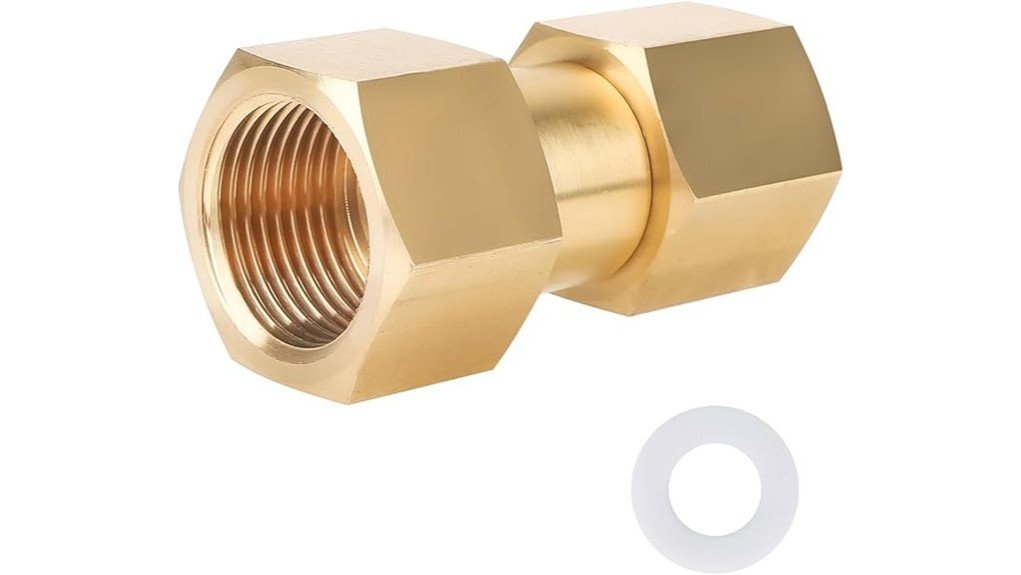
A gas-cylinder fitting that almost matches is not good enough when you are dealing with pressurized gas. The Brass CGA-320 to CGA-580 Adapter is designed to bridge two different CGA connection standards so compatible cylinders and regulators can be used together when their fittings do not connect directly. Its brass construction and simple threaded design make it a practical accessory for the right setup, but you still need to confirm connection direction, gas compatibility, regulator pressure rating, and sealing requirements before use. This review explains where the adapter makes sense, how to install it carefully, and the limitations you should understand before buying.
Quick Verdict
Rating: Recommended with caveats
Best For: Users who have a confirmed CGA-320/CGA-580 cylinder and regulator mismatch and understand the gas and pressure requirements of their equipment.
Bottom Line: This compact brass adapter can save you from buying a second regulator when the correct CGA standards and gas equipment are being matched. Its main limitation is that physical thread fit alone does not prove that two pieces of gas equipment are safe to use together.
| Specification | Detail |
|---|---|
| Product type | Gas cylinder/regulator adapter |
| Connection standards | CGA-320 and CGA-580 |
| Material | Brass |
| CGA-320 service | Commonly associated with carbon dioxide cylinder connections |
| CGA-580 service | Commonly used with regulators for gases such as nitrogen, argon, and helium |
| Design | Threaded adapter for otherwise incompatible CGA fittings |
| Seal | Article states a gasket is supplied; confirm current package contents before use |
| Best use | Temporary connection of compatible gas equipment with different CGA interfaces |
| Safety note | Cylinder, gas, regulator, adapter direction, pressure rating, and sealing method must all be compatible |
What Is the Brass CGA-320 to CGA-580 Adapter?
The Brass CGA-320 to CGA-580 Adapter is a small threaded fitting used when a gas cylinder and regulator have different CGA connections. In a common configuration, CGA-320 is found on a carbon dioxide cylinder while CGA-580 is used by regulators intended for gases such as nitrogen, argon, or helium.
The adapter’s job is mechanical. It changes the available connection so two otherwise mismatched fittings can be joined. That can be useful in a welding shop or other gas-handling setup where you already own suitable pressure-control equipment and want to avoid purchasing a second regulator solely because the cylinder fitting is different.
The important distinction is that an adapter does not make incompatible gases or regulators compatible. You must still confirm that every component is approved for the gas and cylinder pressure involved.
Before You Buy: Confirm the exact male/female orientation and direction of your cylinder and regulator connections. A listing described simply as “CGA-320 to CGA-580” may not tell you enough to guarantee that the physical orientation matches your equipment.
Who Should Buy It?
Best For
- You have confirmed CGA-320 and CGA-580 fittings that need an adapter.
- You already have a regulator rated and approved for the gas and cylinder pressure you plan to use.
- You need an occasional or temporary solution rather than a permanently adapted gas system.
Skip If
- You are unsure which CGA connection is on your cylinder or regulator.
- Your regulator is not rated for the target gas or cylinder pressure.
- You want a permanent installation where the correct dedicated regulator would be the safer choice.
Build Quality and Materials
The adapter uses brass construction, a practical material for this type of gas fitting because it can be machined into precise threads and provides a solid connection when the mating surfaces are in good condition. The original article also describes precision threading intended to support a secure seal.
That construction matters because damaged, contaminated, or poorly machined threads can make installation difficult and increase the chance of leakage. Before each use, inspect the adapter for visibly damaged threads, deformation, contamination, or a worn sealing surface.
Brass does not remove the need for careful handling. Avoid dropping the adapter, forcing mismatched threads, or using excessive leverage simply to make a fitting connect.
Fit and Compatibility
Compatibility is the most important buying factor. A CGA-320/CGA-580 adapter is useful only when its connection direction matches your actual cylinder and regulator. The numbers identify fitting standards, but you still need to verify which side of the adapter mates with each component.
For example, one common application is connecting a CGA-320 carbon dioxide cylinder to equipment with a CGA-580 regulator connection. However, similar-looking adapters may be configured in the opposite direction. Check the listing photographs, thread descriptions, product markings, and your regulator manual rather than buying on the title alone.
You also need to verify gas compatibility. A fitting that screws together successfully does not automatically mean the regulator, hose, flowmeter, gauges, or downstream equipment can safely handle the selected gas or its cylinder pressure.
Pro Tip: Before ordering, write down the CGA number on the cylinder valve and the CGA number required by the regulator. Also confirm the regulator’s approved gas service and inlet-pressure rating. This is more reliable than choosing an adapter by appearance.
Installing the Brass Gas Tank Adapter
Installation is mechanically simple, but pressurized-gas work deserves careful preparation. Start with the gas supply shut off and work in a suitable, well-ventilated area. Inspect the cylinder valve, regulator fitting, adapter threads, and sealing surfaces before assembling anything.
Step 1: Confirm the Connection Direction
Identify which side of the adapter belongs on the cylinder and which side connects to the regulator. Do not force a connection if the thread pitch, diameter, or orientation does not match easily.
Step 2: Inspect the Seal
The source article states that the adapter includes a gasket. Check that the required gasket or washer is present, clean, undamaged, and positioned as intended by the manufacturer. Do not improvise a sealing method simply because the threads appear to fit.
Step 3: Start the Threads Carefully
Begin threading the fitting by hand when the design permits. It should engage smoothly. Resistance at the start can indicate cross-threading or an incompatible fitting, so stop rather than forcing it.
Step 4: Tighten Correctly
Use the appropriate wrench on the intended flats and follow the adapter, regulator, or cylinder manufacturer’s tightening instructions. Excessive torque can damage threads or sealing surfaces, while insufficient tightening can allow leakage.
Step 5: Check for Leaks
After assembly, follow the equipment manufacturer’s approved leak-check procedure before normal operation. If you detect a leak, shut the gas supply off and correct the problem before continuing.
Compatibility and Safety
This adapter should be treated as one component in a complete pressurized-gas system. Your cylinder, regulator, gauges, hoses, valves, fittings, and downstream equipment all need to be appropriate for the gas being used.
Do not assume an exact maximum working pressure for this particular adapter unless that value appears on the current product listing, packaging, manufacturer documentation, or the fitting itself. Similar CGA adapters can have published working-pressure ratings, but that does not prove the same rating applies to this exact Amazon item.
You should also avoid treating the adapter as a universal conversion device. Different gases can require different equipment, materials, cleaning practices, pressure ranges, and handling procedures. If you are uncertain about a cylinder or regulator combination, ask your gas supplier or another qualified gas-equipment professional before connecting it.
For a permanent shop installation, using the correct regulator for the cylinder connection can remove an extra joint and reduce the possibility of someone later connecting the wrong equipment.
How It Performs in Real Use
For an Occasional Welding Setup
The adapter is most useful when you already own suitable gas-control equipment but occasionally need to connect it to a cylinder using the other CGA standard. The compact fitting takes up little space and can be kept with your regulator accessories until needed.
When Switching Between Compatible Cylinders
A correctly selected adapter can make occasional equipment changes faster because you do not need to replace an otherwise suitable regulator just to overcome a connection-standard mismatch. The benefit is convenience, but only after gas and pressure compatibility have been confirmed.
As a Backup Shop Accessory
For experienced users who manage more than one compatible gas setup, keeping the correct adapter available can prevent a project from stopping because a cylinder and regulator have different CGA interfaces. Labeling the adapter with its intended direction can help prevent mix-ups later.
For Long-Term Use
This is where the adapter is less attractive. An extra threaded joint creates another point that must remain clean, tight, and leak-free. For frequently used or permanent systems, a dedicated regulator with the correct cylinder fitting is generally the cleaner setup.
Common Mistakes to Avoid
- Buying by appearance: Similar brass adapters can have different CGA standards or opposite connection directions.
- Assuming thread fit equals gas compatibility: The regulator and downstream equipment still need to be suitable for the gas.
- Ignoring pressure ratings: Confirm the allowable inlet pressure of every component before opening the cylinder.
- Forcing threads: Stop if the fitting does not start smoothly or appears cross-threaded.
- Reusing a damaged seal: A worn or missing gasket or washer can compromise the connection.
- Leaving an improvised setup permanent: A correctly matched regulator is preferable when the system will be used regularly.
Cleaning and Maintenance
Maintenance is mainly about keeping the threads and sealing surfaces clean and undamaged. Before storage, make sure the adapter is dry and protected from dirt, metal chips, oil, impact, and other contamination that could affect the connection.
Inspect it periodically for damaged threads, deformation, corrosion, worn seals, and other visible wear. Replace a damaged adapter or sealing component instead of trying to restore a compromised high-pressure connection.
Avoid putting cleaners, lubricants, or thread products on gas fittings unless the equipment manufacturer specifically approves them for that connection and gas service.
Pros and Cons
Pros
- Brass construction provides a solid threaded fitting for compatible equipment.
- Bridges CGA-320 and CGA-580 connections without replacing an otherwise suitable regulator.
- Compact design is easy to keep with welding or gas-handling accessories.
- Simple mechanical installation when the correct connection direction is selected.
- Can reduce the cost of maintaining separate regulators for occasional compatible setups.
Cons
- The exact male/female orientation must match your equipment.
- It does not make an incompatible regulator safe for another gas or pressure range.
- An adapter adds another connection point and is less desirable than the correct dedicated regulator for a permanent setup.
Troubleshooting Common Gas Adapter Problems
| Problem | What to Check |
|---|---|
| Gas leakage detected | Shut off the gas and inspect the seal, threads, mating surfaces, and tightening procedure. |
| Fitting will not thread on | Verify both CGA standards, connection direction, and whether the fitting has been cross-threaded or damaged. |
| Difficult installation | Look for damaged threads, dirt, an incorrect adapter orientation, or an incompatible fitting. |
| Unexpected pressure behavior | Stop using the setup and confirm cylinder pressure, regulator rating, regulator condition, and gas compatibility. |
| Visible wear | Replace damaged adapters, seals, or fittings rather than continuing to use compromised components. |
Is It Worth the Price?
For a buyer who already owns suitable gas equipment, a simple brass adapter can offer strong value for the price. It may cost far less than buying another complete regulator solely to solve a CGA connection mismatch.
The value drops quickly if you are unsure about compatibility. Buying the wrong orientation means the adapter will not connect, while using a regulator that is unsuitable for the target gas or pressure creates a safety problem that the adapter cannot solve.
It makes the most sense for informed users who need an occasional connection between confirmed CGA-320 and CGA-580 equipment. For a system used every day, investing in the regulator intended for that cylinder is worth considering.
How It Compares to Alternatives
The main alternative is a dedicated regulator with the correct cylinder fitting. That approach costs more if you already own a suitable regulator, but it avoids an additional adapter joint and is generally the cleaner choice for a permanent or frequently used system.
Another option is a different CGA-320/CGA-580 adapter with a clearly documented connection direction, pressure rating, sealing method, and manufacturer specifications. The reviewed adapter is most appealing when its exact orientation matches your setup and you only need the conversion occasionally.
Frequently Asked Questions
What does a CGA-320 to CGA-580 adapter do?
It bridges two different CGA connection standards so compatible gas equipment can be mechanically connected. CGA-320 is commonly associated with carbon dioxide cylinders, while CGA-580 is commonly found on equipment used with gases such as nitrogen, argon, and helium.
Can I use the adapter with any CGA-580 regulator?
No. The threads may fit, but the regulator must also be approved for the gas and capable of handling the cylinder’s inlet pressure. Check the regulator specifications before making the connection.
What is the maximum pressure rating?
The exact working-pressure rating for this Amazon item could not be independently confirmed. Do not assume a rating based on another CGA adapter. Check the current product documentation, markings, or manufacturer information before use.
Does the adapter need a gasket or washer?
The source article states that a gasket is included, but current package contents should be confirmed before installation. Use the sealing method specified for the exact fitting rather than improvising with unrelated materials.
Can this adapter be left installed permanently?
A dedicated regulator with the correct cylinder connection is generally a better choice for permanent or frequent use. An adapter adds another threaded joint that must remain correctly fitted, clean, and leak-free.
What should I do if the adapter leaks?
Shut off the gas supply and do not continue using the connection. Inspect the seal, threads, mating surfaces, and adapter orientation, then follow the manufacturer’s approved leak-check procedure before returning the system to service.
Who should skip this adapter?
Skip it if you cannot identify your cylinder and regulator CGA standards or cannot confirm gas and pressure compatibility. A gas supplier or qualified equipment professional can help you select the correct regulator or adapter when the setup is uncertain.
The Bottom Line
The Brass CGA-320 to CGA-580 Adapter is worth considering when you have a verified connection mismatch and an otherwise compatible regulator. Its brass construction and simple design make it useful for occasional gas-equipment changes, but it should not be treated as proof that the gas, regulator, pressure range, or connection direction is automatically safe.
Buy it when you have confirmed every part of the setup. Skip it and choose the correct dedicated regulator if your equipment specifications are uncertain or you need a permanent installation.
Ready to Buy?
Check the latest product details and confirm the CGA connection direction before you decide.