Disclosure: As an Amazon Associate, we earn from qualifying purchases. If you click a link on this page and make a purchase, we may receive a small commission at no extra cost to you.
Small alignment and leveling jobs can slow you down when your wedge is too bulky, too soft, or hard to place in a tight gap. The Bueyfolt Flange Wedge is built for buyers who need a compact metal wedge for machinery leveling, equipment positioning, and industrial maintenance work. Its zinc-plated iron body, die-forged construction, and finely ground blade give it a practical design for controlled placement. This review breaks down where it works best, where you should be careful, and whether it belongs in your tool kit.
Quick Verdict
Rating: Recommended with caveats, 7.6/10
Best For: Technicians, mechanics, fabricators, and maintenance crews who need a compact wedge for leveling or stabilizing equipment.
Bottom Line: The Bueyfolt Flange Wedge is a useful shop and industrial wedge if you need a small, rust-resistant tool for tight access points. It is not ideal if you need a verified load rating, a larger wedge, or a purpose-built hydraulic spreading tool.
Key Takeaways
- The Bueyfolt Flange Wedge uses zinc-plated iron, which helps resist rust and corrosion during shop or jobsite use.
- The article-supported size is 4 inches long and 3/4 inch wide, making it easier to handle in tight spaces.
- The thin 1.2mm end and thicker 1/2 inch end help with gradual entry and controlled leveling.
- Its die-forged construction and smooth finish support repeated use in industrial, mechanical, and construction settings.
- Buyers should confirm the current Amazon listing before purchase because no verified load rating or warranty term is included in the source article.
| Specification | Detail |
|---|---|
| Brand | Bueyfolt |
| Product type | Flange wedge / industrial leveling wedge |
| Length | 4 inches, based on the repeated source article specification |
| Width | 3/4 inch |
| Thin end | 1.2mm |
| Thick end | 1/2 inch |
| Material | Zinc-plated iron |
| Construction | Die-forged construction with a smooth finish |
| Blade design | Finely edged ground blade for easier entry into narrow gaps |
| Best use | Equipment leveling, machinery positioning, stabilization, and industrial maintenance support |
| Safety note | No verified load rating is provided in the source article, so you should follow workplace procedures and avoid overloading the tool. |
What Is the Bueyfolt Flange Wedge?
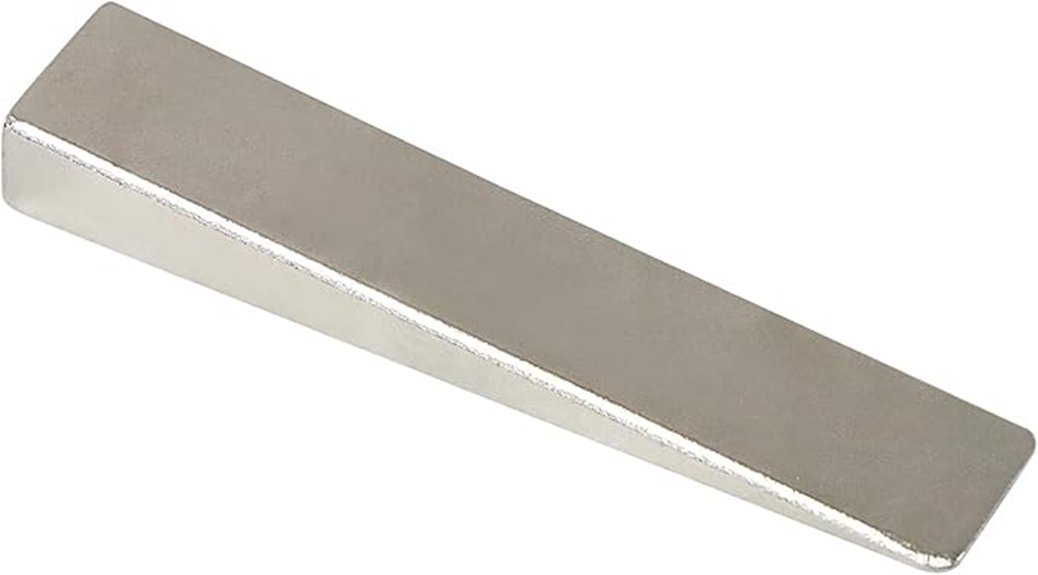
The Bueyfolt Flange Wedge is a compact metal wedge designed for industrial and mechanical use. It can help you create controlled spacing, level equipment, stabilize machinery, or assist with positioning during maintenance tasks.
The tool’s main appeal is its simple, durable build. The zinc-plated iron construction helps protect the surface from rust and corrosion, while the die-forged body gives it a solid, smooth shape for repeated handling.
Its small 4-inch length and 3/4-inch width make it easier to carry and place than a larger wedge. The thin 1.2mm end also helps when you need to start in a narrow gap before gradually increasing the lift or spacing.
Who Should Buy It?
Best For
- Maintenance crews that need a compact wedge for machinery leveling and alignment work.
- Fabricators or mechanics who often work around narrow gaps and tight equipment spaces.
- Construction and industrial buyers who want a portable wedge for stabilizing or positioning equipment.
Skip If
- You need a product with a clearly verified load capacity before purchase.
- You need a larger wedge for wide gaps, heavy lift points, or broad contact surfaces.
- You need a hydraulic flange spreader or a certified specialty tool for high-risk industrial systems.
Before You Buy: The source article does not provide a verified weight capacity, warranty length, certification, or manufacturer load chart. Confirm the live Amazon listing and use the wedge only within safe jobsite procedures.
Key Features and Specifications
The Bueyfolt Flange Wedge focuses on a few practical features rather than complex adjustments. Its 4-inch length, 3/4-inch width, and tapered design make it a small tool for careful placement, not a large lifting accessory.
Zinc-Plated Iron Build
The wedge is made from zinc-plated iron. That matters because shop tools often face moisture, dust, and repeated contact with metal surfaces. The zinc plating helps resist rust and corrosion, which can extend useful life when you store the wedge properly.
This does not mean the tool is maintenance-free. You should still wipe it clean after dirty jobs and keep it dry when possible, especially if you use it outdoors or around chemicals.
Die-Forged Construction
The article describes the wedge as die-forged, which gives it a smooth, solid finish. A cleaner finish can help with handling and placement because rough edges or uneven surfaces can make a wedge harder to position.
For professional work, this type of construction also helps the tool feel more consistent in repeated use. You still need to inspect it before each job and stop using it if you see cracks, bending, mushrooming, or damaged edges.
Thin Ground Blade for Tight Access
The thin end measures 1.2mm, while the thicker end reaches 1/2 inch. This shape helps you start the wedge in a narrow opening and then increase pressure or spacing as the wedge moves deeper.
The finely edged ground blade is useful when you need better entry into tight spaces. It also means you should handle the tool carefully, wear proper gloves, and avoid placing fingers near pinch points.
Portable Industrial Design
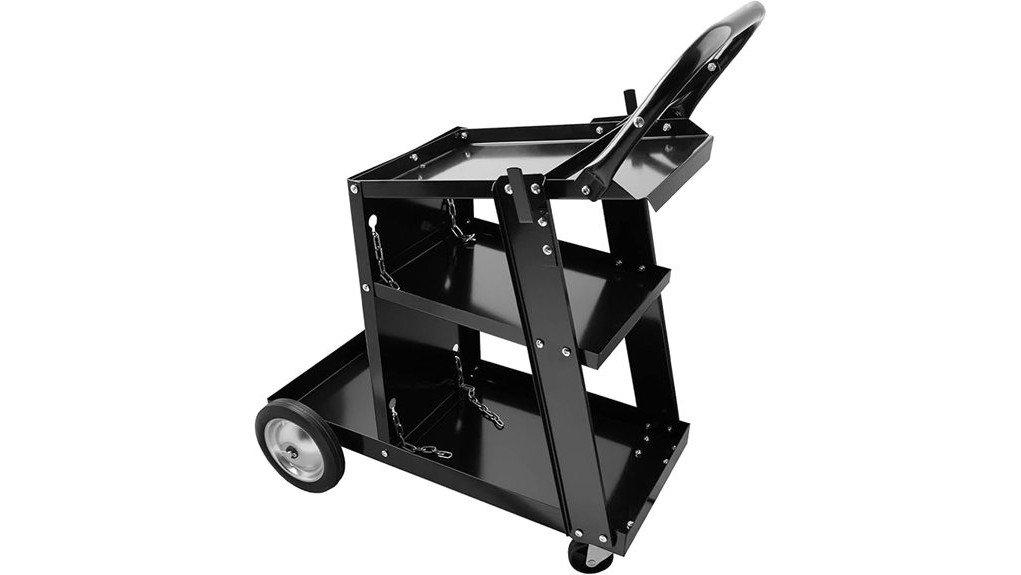
The compact size makes the wedge easy to carry in a tool bag, welding cart, maintenance kit, or service truck. This is helpful when you move between shop tasks, machinery setups, or construction work areas.
The tradeoff is contact area. A small wedge can work well for tight access, but it may not offer the broad support you need for larger equipment bases or wider gaps.
Applications and Usability
The Bueyfolt Flange Wedge can support several common industrial jobs when used correctly. It is most useful when you need a simple wedge for positioning, leveling, stabilizing, or creating small adjustments around equipment.
- Construction Projects: It can help with leveling machinery, aligning parts, or stabilizing small contact points during setup.
- Mechanical Systems: It can assist during maintenance when you need controlled spacing or support around equipment.
- Chemical and Textile Industries: It can help workers position or stabilize equipment when site procedures allow wedge use.
Pro Tip: Use the thin end only to start the gap, then apply pressure gradually and keep the wedge aligned with the contact surface. Do not strike or load it beyond your workplace procedure or equipment manual.
Durability and Performance
Durability is one of the strongest reasons to consider this wedge. The zinc-plated iron body helps resist corrosion, and the die-forged construction gives the tool a solid feel for repeated handling.
Performance depends heavily on the task. For light alignment, equipment leveling, or controlled positioning, the 4-inch size and tapered profile make sense. For heavy separation jobs, large machinery, or unknown loads, you should use a tool with a verified capacity rating and follow professional safety guidance.
How It Performs in Real Use
For Machinery Leveling
The wedge can help you make small adjustments when machinery or equipment needs better alignment. Its compact size makes it easier to place near tight bases, corners, or support points where a larger wedge may not fit.
For Maintenance Work
During maintenance, the wedge can assist with controlled spacing or stabilization. The thin 1.2mm end helps when you need to begin in a narrow opening, but you should avoid using it as a substitute for a certified lifting or spreading device.
For Shop and Fabrication Use
In a shop setting, the wedge can help with positioning metal parts, stabilizing assemblies, or holding small gaps during setup. Its smooth finish and portable shape make it easy to keep nearby for quick adjustments.
For Outdoor or Jobsite Use
The zinc-plated finish helps protect the wedge when it faces moisture or outdoor conditions. Still, you should clean and dry it after use because plating can wear down over time, especially after repeated contact with hard metal surfaces.
How to Use It Correctly
Start by checking the wedge for damage, rust buildup, cracks, or deformed edges. A damaged wedge can slip, bind, or fail under pressure, so do not use it if the surface no longer looks safe.
Place the thin end into the gap and keep the wedge aligned with the contact surface. Apply force gradually, watch for movement, and keep your hands away from pinch areas. If the equipment shifts unexpectedly, stop and reset the setup before continuing.
For industrial equipment, always follow the equipment manual, jobsite procedure, and supervisor guidance. This wedge can support positioning work, but it should not replace rated lifting gear, blocking, cribbing, or lockout procedures.
Compatibility and Safety
The Bueyfolt Flange Wedge works best when the contact point matches its small tapered shape. It may not be the right choice for wide gaps, soft surfaces, fragile parts, or jobs that require a certified load-bearing tool.
Because the article does not state a verified load rating, avoid guessing how much weight it can support. Use it as a positioning and leveling aid within safe limits, and choose a rated specialty tool for critical lifting, high-pressure systems, or heavy equipment separation.
Wear gloves and eye protection when using metal wedges around machinery. Keep the tool clean, store it dry, and inspect the ground blade regularly so worn edges do not affect control.
Pros and Cons
Pros
- Zinc-plated iron construction helps resist rust and corrosion.
- Compact 4-inch length is useful for tight spaces and portable tool kits.
- Thin 1.2mm end helps the wedge enter narrow gaps more easily.
- Die-forged body and smooth finish support repeated industrial use.
- Useful for equipment leveling, stabilizing, positioning, and maintenance tasks.
Cons
- No verified weight capacity is provided in the source article.
- Small size may not suit large gaps or broad equipment contact points.
- Warranty details are not specified, so buyers should confirm the current listing.
Is It Worth the Price?
The Bueyfolt Flange Wedge is worth considering if you need a compact, simple metal wedge for everyday industrial or shop use. Its value comes from the zinc-plated iron build, tapered shape, and small size rather than advanced features.
It makes the most sense for buyers who care about tight access, portability, and basic equipment positioning. It is not the best fit if your job requires a verified load capacity, a longer wedge, or a certified tool for critical lifting and separation work.
How It Compares to Alternatives
Compared with a basic steel wedge, the Bueyfolt option gives you a compact size and zinc-plated finish for better corrosion resistance. Compared with a pry bar, it offers more controlled tapered placement but less leverage.
If you need major flange separation or heavy industrial spreading, a purpose-built flange spreader may be safer and more appropriate. The Bueyfolt Flange Wedge makes the most sense when you need a small, portable wedge for controlled leveling and positioning tasks.
Frequently Asked Questions
How much weight can the Bueyfolt Flange Wedge support?
The source article does not provide a verified load capacity. You should not guess the limit, and you should use rated lifting or spreading tools when a job involves heavy loads or critical safety risks.
What size is the Bueyfolt Flange Wedge?
The repeated article-supported size is 4 inches long and 3/4 inch wide. The thin end is listed as 1.2mm, and the thick end is listed as 1/2 inch.
Can it be used on uneven surfaces?
It can help with leveling and stabilizing, but uneven surfaces increase the chance of slipping or shifting. Use stable contact points, keep hands away from pinch zones, and follow your workplace safety procedure.
Is the wedge rust-resistant?
Yes, the article describes the wedge as zinc-plated iron, which helps resist rust and corrosion. You should still clean and dry it after use because plating can wear over time.
Can it be used outdoors?
The zinc-plated finish makes outdoor use more practical than bare iron. For best results, avoid leaving it exposed to moisture for long periods and store it in a dry toolbox after the job.
What maintenance does this tool need?
Wipe off dirt, moisture, oil, and metal dust after use. Inspect the wedge for cracks, bending, damaged edges, or heavy corrosion before placing it back into service.
Who should skip the Bueyfolt Flange Wedge?
Skip it if you need a verified load rating, a larger wedge, or a certified hydraulic spreading tool. You should also skip it for jobs where the equipment manual or safety procedure requires a different rated device.
The Bottom Line
The Bueyfolt Flange Wedge is a practical choice if you need a compact zinc-plated wedge for machinery leveling, equipment positioning, and tight-access maintenance work. Its main strengths are its small size, tapered ground blade, and corrosion-resistant material, while its biggest limitation is the lack of a verified load rating in the source article.
Buy it if you need a simple wedge for controlled shop or industrial tasks. Skip it if your work requires certified load data, heavy lifting support, or a specialty flange spreading tool.