Disclosure: As an Amazon Associate, we earn from qualifying purchases. If you click a link on this page and make a purchase, we may receive a small commission at no extra cost to you.
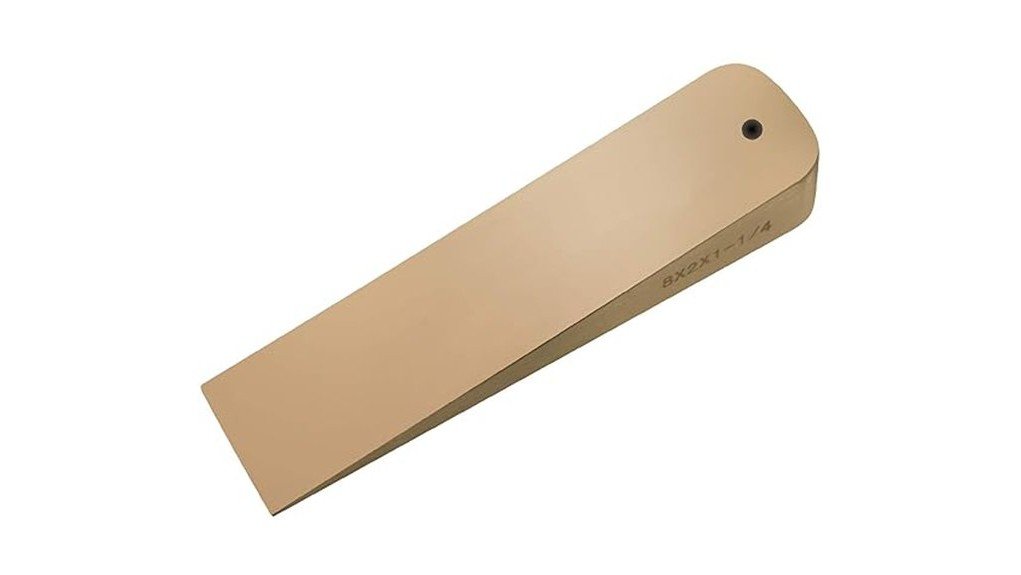
Working around flanges in hazardous areas leaves little room for the wrong hand tool. The CS Unitec Flange Wedge Tool is made for professionals who need a non-sparking wedge for flange alignment, separation, and positioning work in safety-critical environments. Its main strengths are its Copper-Beryllium and Aluminum-Bronze alloy construction, corrosion-resistant design, and compact shape for tight access. The tradeoff is that the article-supported details do not confirm exact dimensions or weight, so you should confirm the current listing and job-site requirements before buying.
Quick Verdict
Rating: 8/10, Recommended with caveats
Best For: Industrial buyers, maintenance crews, and safety-focused professionals who need a non-sparking flange wedge for hazardous work zones.
Bottom Line: The CS Unitec Flange Wedge Tool makes sense if you need a durable, non-sparking wedge for controlled flange work. Confirm size, material option, and current warranty terms before ordering because exact dimensions are not stated in the supplied article.
Key Specifications
| Specification | Detail |
|---|---|
| Brand | CS Unitec |
| Product type | Flange wedge hand tool |
| Amazon ASIN | B07RGGLJ86 |
| Material options | Copper-Beryllium and Aluminum-Bronze alloys, based on article-supported details |
| Safety properties | Non-sparking, non-magnetic, and corrosion-resistant construction |
| Hardness | Copper-Beryllium: 38 HRC. Aluminum-Bronze: 27 HRC. |
| Design | Compact wedge shape with ergonomic handle |
| Common use | Flange alignment, spacing, and positioning in industrial work areas |
| Suggested environments | Oil and gas, petrochemical, manufacturing, mining, clean-room, and other controlled industrial settings |
| Certifications noted | Article notes ATEX Directive compliance and ISO9001:2000 certification |
| Warranty note | Article notes lifetime warranty coverage under normal use. Confirm current terms before purchase. |
What Is the CS Unitec Flange Wedge Tool?
The CS Unitec Flange Wedge Tool is a specialized hand tool for controlled flange work. It helps separate, align, or position flanged components without relying on a standard steel wedge in areas where sparks can create serious risk.
The key difference is its alloy construction. The article-supported details list Copper-Beryllium and Aluminum-Bronze materials, which are used for non-sparking, non-magnetic, and corrosion-resistant hand tools. That makes this tool more suitable for hazardous areas than a basic shop wedge.
It is best viewed as a safety-focused industrial tool, not a general household pry tool. You still need to match the wedge size and material to your job, follow site rules, and use it only within approved procedures.
Key Takeaways
- The CS Unitec Flange Wedge Tool is built for flange alignment and positioning in safety-critical industrial settings.
- Its Copper-Beryllium and Aluminum-Bronze alloy construction supports non-sparking, non-magnetic, and corrosion-resistant use.
- The article lists Rockwell hardness values of 38 HRC for Copper-Beryllium and 27 HRC for Aluminum-Bronze.
- The compact wedge shape and ergonomic handle can help when you work in confined spaces or repeat tasks.
- It is best for trained professionals in oil, gas, petrochemical, mining, manufacturing, and controlled clean-room environments.
- You should confirm exact size, current warranty coverage, and site-approved material requirements before ordering.
Before You Buy: Do not choose this tool by brand name alone. Confirm the exact wedge size, alloy option, and safety approval needed for your workplace before adding it to a tool kit.
Who Should Buy It?
Best For
- Maintenance crews working around flanges in hazardous or controlled areas.
- Industrial buyers who need non-sparking, non-magnetic, corrosion-resistant hand tools.
- Oil, gas, petrochemical, mining, and manufacturing teams with strict tool-safety rules.
Skip If
- You need a verified size or weight that is not shown in the current article details.
- You only need a low-cost general pry tool for non-hazardous shop work.
- Your workplace requires a different approved alloy, tool rating, or manufacturer specification.
Overview of the Flange Wedge Tool
The CS Unitec Flange Wedge Tool is designed for precise work where flange movement must be controlled. Its wedge profile helps create space between flange faces or supports alignment during maintenance, assembly, or inspection work.
The ergonomic handle matters because flange work can involve repeated pressure, awkward angles, and limited access. A more comfortable grip helps reduce hand strain during extended use, especially when you need steady control instead of quick force.
Its compact wedge shape helps you work around flanges in tight industrial spaces where a larger tool may be harder to place safely.
The compact design also supports better maneuverability. That is useful around pipework, equipment housings, and bolted flange areas where clearance may be limited.
Material Composition and Safety Features
The tool’s main appeal is its safety-focused material construction. Copper-Beryllium and Aluminum-Bronze alloys are listed in the article as the key materials, giving the tool non-sparking, non-magnetic, and corrosion-resistant properties.
Non-sparking construction matters in environments where vapors, dust, or other ignition risks may be present. Non-magnetic behavior can also help in areas where magnetic tools may interfere with equipment or safety rules.
The article lists a Rockwell hardness of 38 HRC for the Copper-Beryllium version and 27 HRC for the Aluminum-Bronze version. In practical terms, the Copper-Beryllium option is positioned as the harder material, while Aluminum-Bronze remains a useful corrosion-resistant option for non-sparking tool needs.
Corrosion resistance is also important. Tools used around offshore platforms, petrochemical areas, damp plants, and outdoor industrial sites can face moisture and harsh conditions. A corrosion-resistant wedge can stay more reliable when stored and maintained correctly.
Compatibility and Safety
This tool is intended for controlled industrial work, not improvised prying or impact use outside its intended purpose. Use it only when the wedge size, alloy type, and work method match your job procedure.
The article notes ATEX Directive compliance for explosive-zone use and ISO9001:2000 certification. Because safety requirements can vary by site, you should confirm the current product listing, manufacturer documents, and your company’s approved tool list before use.
Copper-Beryllium tools should not be ground, welded, modified, or abused. If a tool is cracked, badly worn, mushroomed, or deformed, remove it from service and follow your workplace inspection process.
Pro Tip: Store non-sparking tools separately from standard steel tools so they are easier to inspect, identify, and keep approved for safety-sensitive work areas.
Applications in Hazardous Environments
In hazardous environments, the CS Unitec Flange Wedge Tool is most useful when you need controlled flange movement without introducing a standard sparking tool. The article highlights use in oil drilling platforms, petrochemical plants, ammunition facilities, mining, manufacturing, and clean-room settings.
| Industry | Likely Work Area | Why This Tool Helps |
|---|---|---|
| Oil and Gas | Oil drilling platforms | Non-sparking construction supports safer flange work in controlled zones. |
| Petrochemical | Processing plants | Corrosion-resistant alloys help in harsh industrial environments. |
| Mining and Ammunition | Explosive-risk areas | Non-magnetic and non-sparking properties reduce common tool-related risks. |
| Pharmaceuticals and Clean Rooms | Controlled workspaces | Compact design and corrosion resistance can support cleaner, controlled maintenance work. |
Build Quality and Durability
Durability is a major reason to consider this tool over a cheaper general-purpose wedge. The article-supported alloy materials are designed for industrial environments where sparks, corrosion, and tool failure can create costly problems.
The Copper-Beryllium hardness value of 38 HRC suggests a stronger option for demanding use, while Aluminum-Bronze at 27 HRC gives buyers another non-sparking material choice. The best option depends on your job-site requirements, material approval list, and how the tool will be used.
The ergonomic handle also improves usability. A flange wedge must be placed and controlled carefully, so a secure grip can make a difference when you work at awkward angles or in tight spaces.
How It Performs in Real Use
For Flange Alignment
The wedge shape helps create controlled spacing and alignment around flange faces. This is useful when you need careful movement rather than aggressive prying that can damage components.
For Tight Industrial Spaces
The compact design helps when larger tools are hard to position. You may find it more practical around pipe runs, equipment bases, and crowded maintenance areas where hand clearance is limited.
For Hazardous Work Zones
The non-sparking and non-magnetic properties make it more suitable than standard steel tools in safety-sensitive environments. It does not remove the need for permits, lockout procedures, gas testing, or approved work practices.
For Long-Term Tool Kits
The corrosion-resistant materials and lifetime-warranty claim make it a better fit for professional tool kits than occasional home use. Long-term value depends on correct storage, inspection, and matching the tool to approved applications.
How to Use It Correctly
Start by confirming that the work area allows this type of flange wedge and that the alloy matches your safety requirements. Follow your site procedure before placing the tool near any flange, pipework, or equipment connection.
Use steady, controlled pressure rather than sudden force. A flange wedge is meant to help with alignment and spacing, not to replace proper lifting, support, or separation equipment when heavier movement is required.
Clean the tool after use and remove debris from the wedge surface and handle area. Store it dry, away from corrosive exposure, and separate from damaged or unapproved tools.
Pros and Cons
Pros
- Non-sparking alloy construction supports safer use in approved hazardous environments.
- Non-magnetic and corrosion-resistant properties add value for industrial and controlled work zones.
- Compact wedge design helps with flange access in tight spaces.
- Ergonomic handle can improve grip comfort during repeated or extended use.
- Article notes lifetime warranty coverage under normal usage conditions.
Cons
- Exact dimensions and weight are not confirmed in the supplied article details.
- Not the best value if you only need a basic wedge for non-hazardous work.
- Requires correct material selection and site approval before hazardous-area use.
Warranty and Certification Details
The article notes lifetime warranty coverage against breakage or performance failure under normal use. That is useful for professional buyers, but warranty coverage can depend on seller terms, misuse exclusions, and current manufacturer policy.
The article also notes ISO9001:2000 certification and references endorsements from BVQI, DNV, and Force Technologies. Treat these as important trust signals, but confirm current certificates and job-site acceptance before relying on the tool for regulated work.
Is It Worth the Price?
The CS Unitec Flange Wedge Tool is better viewed as a premium safety-focused hand tool than a budget wedge. The value comes from its non-sparking, non-magnetic, corrosion-resistant alloy construction and its suitability for controlled industrial environments.
It is worth considering if your work area requires approved non-sparking tools and you need a wedge for flange positioning or alignment. Buyers who only need a general workshop pry wedge may not get enough value from the specialized materials.
The main limitation is verification detail. Since exact dimensions and current listing details are not confirmed in the supplied article, check the Amazon page, seller details, and any manufacturer documentation before purchase.
How It Compares to Alternatives
Compared with a standard steel wedge, the CS Unitec Flange Wedge Tool is the safer choice for approved hazardous environments because of its non-sparking alloy construction. Steel tools may cost less, but they are not suitable for many explosive-risk or controlled industrial work areas.
Compared with other non-sparking flange wedges, this tool stands out through the article-supported CS Unitec branding, Copper-Beryllium and Aluminum-Bronze material options, ergonomic handle, and lifetime-warranty claim. The best alternative may be a different size, alloy, or certified tool if your workplace has strict approved-tool lists.
Frequently Asked Questions
What is the CS Unitec Flange Wedge Tool used for?
It is used for controlled flange alignment, spacing, and positioning in industrial work areas. Its wedge shape helps create space or support alignment where a standard tool may not be suitable.
Is this tool suitable for hazardous environments?
The article lists non-sparking, non-magnetic, and corrosion-resistant properties, which are important for hazardous-area tool use. You should still confirm the exact tool approval, alloy, and site requirements before using it in any explosive-risk area.
What materials are listed for the CS Unitec Flange Wedge Tool?
The supplied article lists Copper-Beryllium and Aluminum-Bronze alloys. These materials are used because they support non-sparking, non-magnetic, and corrosion-resistant performance.
Can it be used in non-hazardous environments?
Yes, it can be used for non-hazardous flange work when the size and design match the job. However, it may be more tool than you need if your work does not require non-sparking or non-magnetic materials.
How should you maintain the flange wedge tool?
Clean debris from the tool after use, dry it before storage, and keep it away from corrosive exposure when possible. Inspect it for cracks, deformation, or heavy wear before returning it to a professional tool kit.
Does the article confirm the exact size or weight?
No. The supplied article describes the tool as compact, but it does not provide verified dimensions or weight. Confirm those details on the current product listing or manufacturer documentation before buying.
Who should skip this flange wedge tool?
Skip it if you only need a basic wedge for occasional non-hazardous work or if your site requires a different approved tool. You should also pause before buying if you cannot confirm the exact size and alloy needed for your job.
The Bottom Line
The CS Unitec Flange Wedge Tool is a strong option for trained industrial users who need a non-sparking, non-magnetic, corrosion-resistant tool for controlled flange work. Its main strengths are the safety-focused alloy construction, ergonomic handle, and compact wedge design, while the main limitation is the lack of confirmed exact dimensions in the supplied article details.
Buy it if it matches your site requirements and you need a professional flange wedge for hazardous or controlled work areas. Skip it if you need a cheaper general-purpose wedge or cannot verify the required size, alloy, and approval for your application.