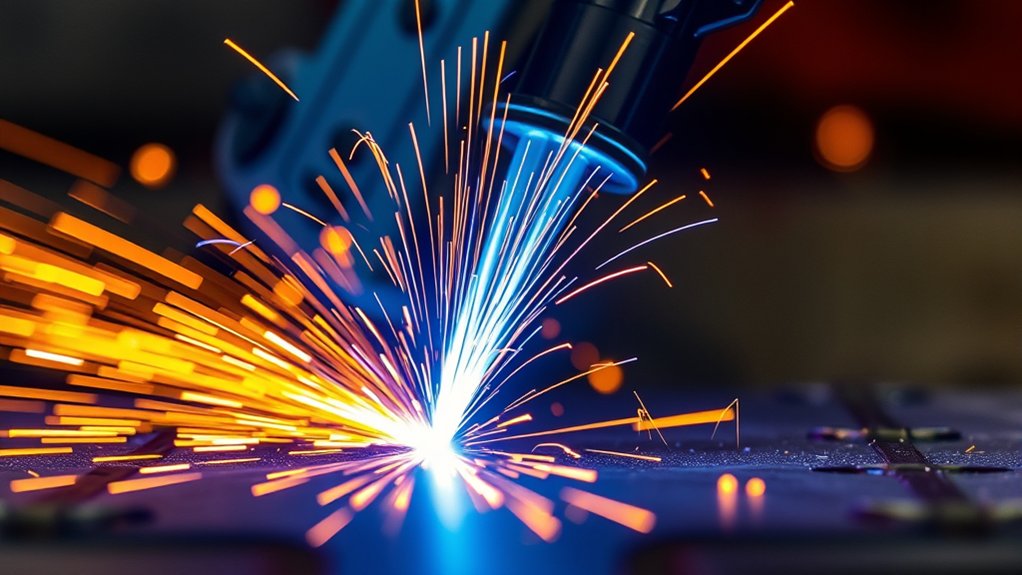
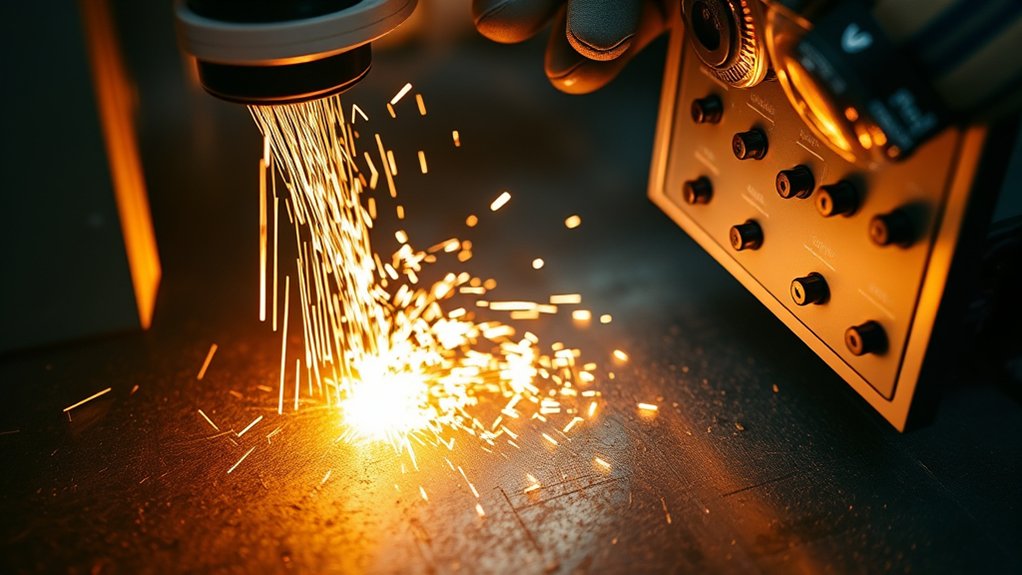
Cutting Techniques & Quality
Dial in technique to upgrade edge quality, kerf, and accuracy. Match amperage and nozzle size to thickness, set correct standoff/torch height (use a drag shield or THC), and tune travel speed—look for light, even drag lines and minimal dross. Use proper pierce height and short pierce delay, then lead-ins/lead-outs to avoid divots at start/stop. Keep the torch square, overlap cut ends slightly, and maintain steady motion; templates and straightedges help with lines and circles. If you see bevel, top spatter, or heavy dross, check height, speed, air pressure/CFM, and consumable wear. Clean, dry air and fresh tips/electrodes are essential. Consult cut charts for amps, speed, and pierce settings by material.