Temperature & Performance
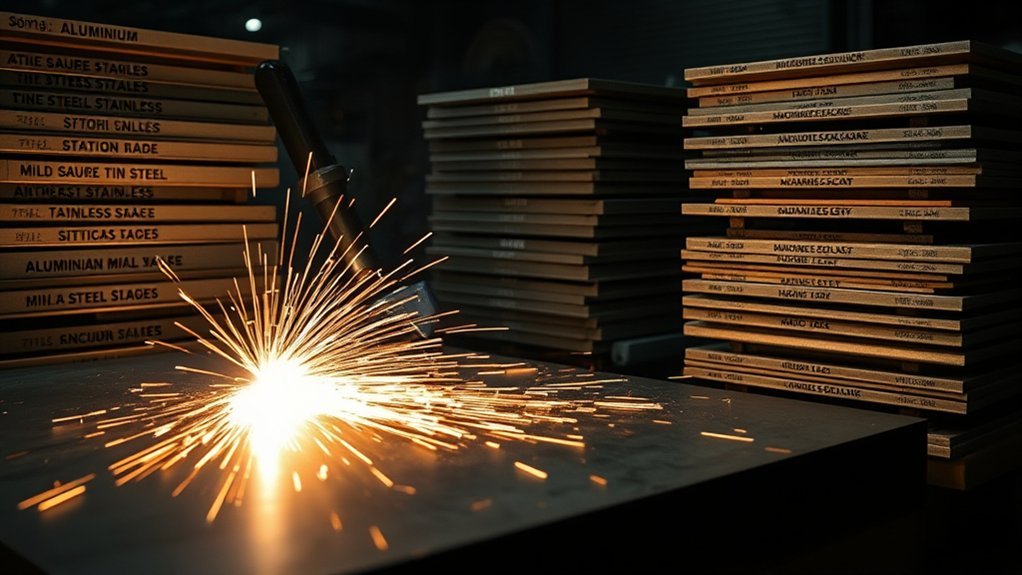
Plasma cutting performance starts with heat and airflow. The arc reaches tens of thousands of degrees, but cut quality depends on torch height, amperage, gas flow/CFM, travel speed, and grounding. Control the heat-affected zone (HAZ) by using the lowest current that still maintains speed, holding correct standoff, and keeping air clean and dry to prevent double-arcing. Watch duty cycle to avoid thermal shutdowns; plan pierce counts and rest intervals on thicker plate. Use cut charts to match amps and speed to thickness, then fine-tune for kerf width, taper, and dross. If edges discolor or bevel grows, check consumables, pressure drop, and machine input power for voltage sag.