Disclosure: As an Amazon Associate, we earn from qualifying purchases. If you click a link on this page and make a purchase, we may receive a small commission at no extra cost to you.
CHOWEL BHS-W330 Welding Chipping Hammer Review
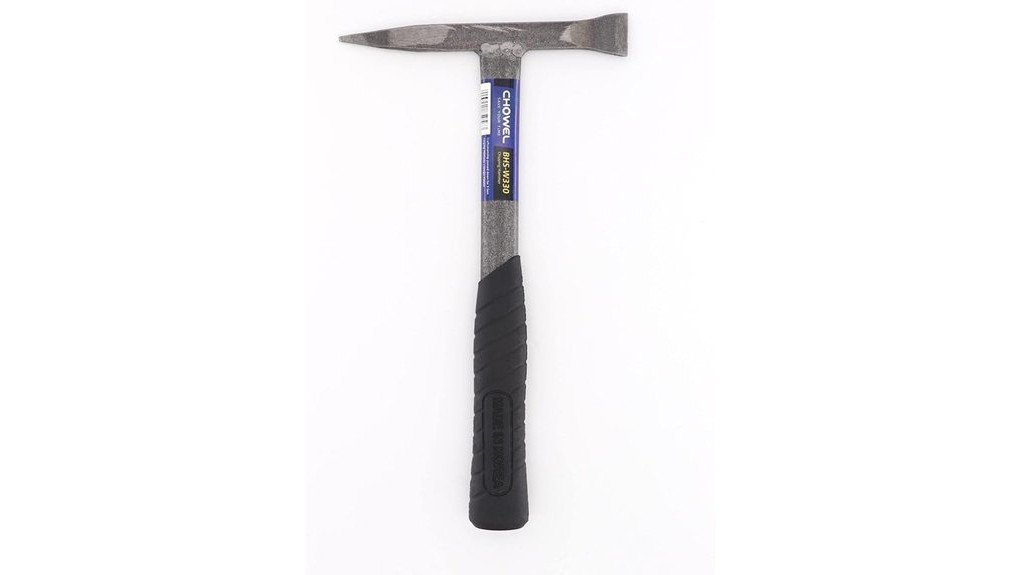
Slag cleanup can slow you down when your hammer feels too heavy, slips in your glove, or lacks a useful pick end for tight weld corners. The CHOWEL BHS-W330 Welding Chipping Hammer is designed for that exact cleanup stage, with a 13 oz weight, carbon steel head, rubber handle, and dual chisel-and-pick layout.
This review helps you decide whether it belongs in your welding kit for routine slag and spatter removal. It has a comfortable lightweight feel for repeated tapping, but it is still a dedicated welding cleanup tool, not a demolition hammer or full-sledge substitute.
Quick Verdict
Rating: 8/10, Recommended with caveats
Best For: DIY welders, metal fabricators, maintenance shops, and light to medium slag cleanup
Bottom Line: The CHOWEL BHS-W330 is a lightweight, easy-to-control chipping hammer for routine weld cleanup. Its 13 oz build and rubber grip help reduce fatigue, but it is not the right tool for heavy demolition, chopping, or constant industrial abuse.
Key Specifications
| Specification | Detail |
|---|---|
| Product Name | CHOWEL BHS-W330 Welding Chipping Hammer |
| Listed Brand / Manufacturer | Young Chang |
| Model Number | BHS-W330 |
| Product Type | Welding chipping hammer |
| Head Style | Chipping head with wide chisel end and pointed pick end |
| Head Material | Carbon steel |
| Construction | Forged all-steel construction |
| Handle Material | Rubber |
| Grip Type | Rubber shock-reduction grip |
| Item Weight | 13 oz |
| Color | Grey and black |
| Unit Count | 1 chipping hammer |
| ASIN | B07ZWHFY6X |
| Best Use | Weld slag, spatter, bead cleanup, and fabrication surface prep |
| Safety Note | Designed for welding cleanup, not chopping, demolition, or sledge-hammer use |
What Is the CHOWEL BHS-W330 Welding Chipping Hammer?
The CHOWEL BHS-W330 is a hand chipping hammer made for cleaning weld slag and spatter after welding. It uses a wide chisel end for scraping and surface cleanup, plus a pointed pick end for corners, beads, and tougher slag deposits.
The Amazon listing identifies Young Chang as the brand and manufacturer, while the product title uses the CHOWEL BHS-W330 name. The tool weighs 13 oz, so it sits on the lighter side compared with many heavier industrial chipping hammers.
That lighter weight makes it easier to use during repeated cleanup work, especially when you are moving along several welds in a shop, garage, or fabrication setting. The tradeoff is simple: you get better control and less fatigue, but less raw striking force than a heavier 24 oz or 28 oz hammer.
Who Should Buy It?
Best For
- DIY welders who need a dedicated slag removal hammer for occasional projects
- Fabrication and repair users who prefer a lighter 13 oz hammer for repeated tapping
- Maintenance shops that need a simple chisel-and-pick cleanup tool for weld beads and corners
Skip If
- You need a heavy striking hammer for thick slag, demolition, or chopping tasks
- You prefer a spring-handle chipping hammer instead of a rubber-grip handle
- You work in constant industrial production and want a heavier professional-duty option
Build Quality and Materials
The BHS-W330 uses a carbon steel head with forged all-steel construction. That matters because weld slag cleanup involves repeated impact against hardened residue, so a weak head material would wear or deform faster.
The rubber handle gives you a more secure hold than bare steel, especially when you are wearing welding gloves. It also helps reduce vibration feedback during repeated strikes, which can make long cleanup sessions easier on your hand and wrist.
The listing does not provide detailed dimensions, so you should not buy this hammer based on a specific length requirement. Buy it for the confirmed 13 oz weight, dual-head chipping design, rubber grip, and weld cleanup purpose.
Before You Buy: This is a welding cleanup hammer, not a chopping axe, pry bar, demolition hammer, or full sledge. Choose a heavier tool if you need maximum impact force for severe industrial buildup.
Head Design and Slag Removal
The dual-end design is the main reason to choose this hammer over a basic shop hammer. The wide chisel end helps you scrape along weld seams and remove broader slag patches after stick welding or general fabrication work.
The pointed pick end gives you better access to corners, small weld beads, and stubborn spots that a flat end may miss. This makes the hammer useful for cleanup around brackets, frames, pipe joints, and smaller repair welds.
You still need the right expectations. A chipping hammer removes slag and loose spatter, but it will not replace a grinder, flap disc, wire wheel, or file when you need a smooth finished surface.
Grip, Control, and Comfort
The 13 oz weight is useful when your priority is control. You can make short, accurate taps along a weld seam without fighting a heavy head on every swing.
The rubber shock-reduction grip helps with comfort during repetitive use. It also gives your gloved hand more traction than a smooth metal handle, which is helpful in a real shop where dust, heat, and welding debris are common.
The lighter feel may not satisfy users who want a hammer that breaks heavy slag with fewer strikes. For many welders, though, the lower fatigue is worth the tradeoff during normal cleanup.
Pro Tip: Use controlled taps with the pick end before switching to the chisel side. This loosens stubborn slag first and helps prevent wild strikes that can damage nearby finished areas.
How It Performs in Real Use
For Daily Shop Cleanup
For routine mild steel weld cleanup, the BHS-W330 gives you enough weight to chip slag without making the tool feel tiring. The chisel side works best when you are clearing longer bead sections and need steady contact along the seam.
For Stick Welding Slag
Stick welding often leaves slag that needs direct chipping before brushing or grinding. The pointed end helps crack thicker deposits, while the flat chisel end lets you clear loosened slag across a wider area.
For Tight Corners and Repair Work
The pick end is useful when you need to reach into corners, edges, and small weld beads. This helps on brackets, frames, repair tabs, and other areas where a wider tool can feel clumsy.
For Overhead or Longer Sessions
The 13 oz weight helps when your arm is raised or when you are cleaning many welds in a row. A heavier hammer may remove stubborn slag faster, but it can also cause more wrist and forearm fatigue during extended work.
How to Use It Correctly
Start with light taps instead of swinging as hard as possible. Slag often breaks loose in layers, and controlled strikes give you better accuracy near the weld bead.
Use the pick end for concentrated spots, corners, and thick slag. Use the chisel end for broader cleanup after the first layer has loosened.
Keep your other hand away from the strike path and wear proper eye protection, gloves, and welding-safe clothing. Chipped slag and spatter can fly when struck, especially on harder deposits.
Common Mistakes to Avoid
- Using it as a demolition hammer: The BHS-W330 is made for weld cleanup, not concrete, chopping, or heavy prying.
- Skipping eye protection: Slag fragments can break loose quickly when you strike them.
- Using full-force swings near finished surfaces: Short taps give you better control and reduce accidental marks.
- Expecting a polished finish: This hammer removes slag and spatter, but finishing still requires brushing, grinding, or sanding when needed.
Safety and Material Notes
This tool contacts weld debris, hot surfaces, and metal fragments, so basic welding safety still matters. Let the workpiece cool enough for safe handling, and avoid striking near flammable materials or exposed skin.
The rubber grip improves comfort, but it does not make the hammer heatproof or remove the need for gloves. Always follow your welding setup’s safety guidance and inspect the hammer before use for loose parts, cracks, or damaged grip areas.
Pros and Cons
Pros
- 13 oz weight makes repeated slag cleanup easier on your wrist and forearm
- Carbon steel head and forged construction support regular chipping use
- Wide chisel end and pointed pick end handle different cleanup spots
- Rubber shock-reduction grip improves comfort and gloved-hand control
- Simple 1-count design suits basic welding kits, garage shops, and maintenance benches
Cons
- Not ideal if you need a heavy 24 oz or 28 oz hammer for tougher buildup
- Rubber grip may wear faster under constant heavy shop abuse
- Does not replace grinders, wire wheels, brushes, or finishing tools
Need a lightweight slag hammer?
Check the latest product details before adding it to your welding kit.
Is It Worth the Price?
The CHOWEL BHS-W330 fits best in the budget to mid-range hand-tool category. It offers strong value if you need a dedicated weld slag hammer with a rubber grip, carbon steel head, and lighter 13 oz feel.
You get the most value from it if you weld occasionally or handle routine shop cleanup. It makes less sense if your work demands a heavier industrial hammer with more striking force and long-term abuse resistance.
Avoid judging value by price alone. For this type of tool, the better question is whether the weight, grip style, and dual-head design match your cleanup routine.
How It Compares to Alternatives
Compared with a heavier 28 oz chipping hammer, the BHS-W330 is easier to control and less tiring during repeated use. The tradeoff is lower impact force on thick slag or extremely rough production work.
Compared with a spring-handle chipping hammer, this model gives you a rubber grip instead of a coiled steel handle. Choose the CHOWEL BHS-W330 if you want a lighter rubber-grip hammer for general cleanup, and compare heavier options if your main need is maximum striking power.
Frequently Asked Questions
Is the CHOWEL BHS-W330 good for beginners?
Yes, it is beginner-friendly because the 13 oz weight is easy to control. New welders can use short taps to learn slag removal without handling an overly heavy hammer.
What is this hammer mainly used for?
It is mainly used for removing weld slag, spatter, and loose surface debris after welding. The chisel end clears wider areas, while the pick end targets corners and thicker deposits.
Can it replace a grinder or wire wheel?
No, it should not replace finishing tools. It chips away slag and loose spatter, but a grinder, flap disc, wire brush, or wire wheel may still be needed for surface finishing.
Is it heavy enough for industrial welding?
It can handle general fabrication and moderate cleanup, but it is not the best choice for constant heavy industrial abuse. A heavier professional hammer may be better if you remove thick slag all day.
Does the rubber grip reduce vibration?
The rubber grip is designed to reduce shock and improve comfort during repeated strikes. It can help with hand fatigue, but your results depend on how hard and how long you use the hammer.
Is the CHOWEL BHS-W330 a one-piece package?
Yes, the listing identifies it as a 1-count product. Do not expect extra brushes, spare tips, storage cases, or accessories unless the seller clearly states they are included.
Who should skip this chipping hammer?
Skip it if you need a heavy striking tool for demolition, chopping, or severe slag buildup. It is better for weld cleanup, garage work, repair projects, and light to medium fabrication tasks.
The Bottom Line
The CHOWEL BHS-W330 Welding Chipping Hammer is a practical pick if you want a lightweight 13 oz slag hammer with a rubber grip and dual chisel-and-pick design. It makes the most sense for DIY welders, maintenance users, and fabricators who value control over maximum impact force.
Skip it if you need a heavier hammer for constant industrial cleanup or rough demolition-style work. For everyday weld slag and spatter removal, it earns its recommended-with-caveats rating.