Disclosure: As an Amazon Associate, we earn from qualifying purchases. If you click a link on this page and make a purchase, we may receive a small commission at no extra cost to you.
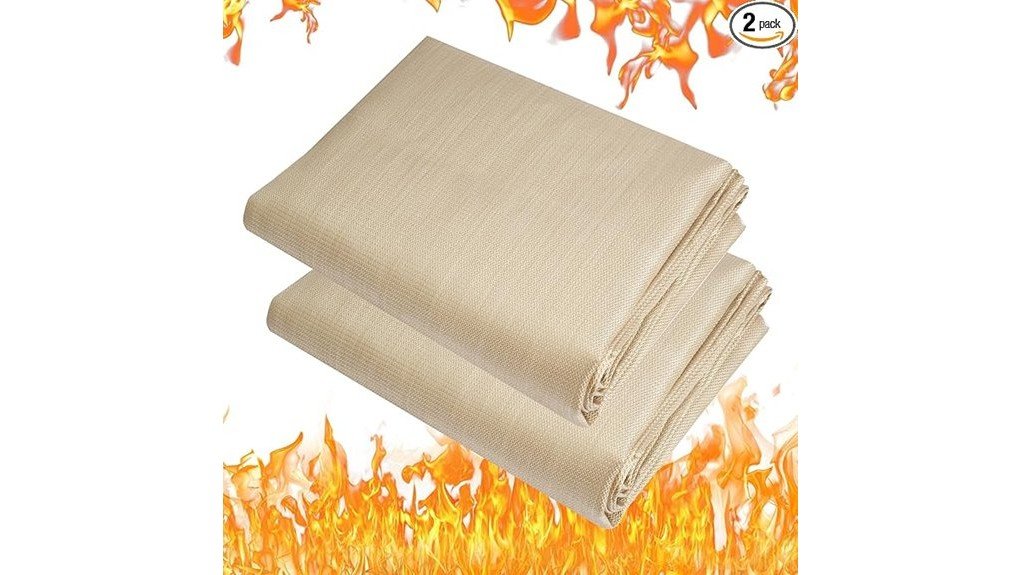
Sparks, hot slag, and radiant heat can damage nearby floors, tools, walls, and vehicle panels faster than you expect. The CONLI Welding Blanket gives you a reusable fiberglass barrier for welding, grinding, grilling, and garage work where basic surface protection matters. Its main appeal is the thick 24.7 oz/yd² fiberglass construction with a listed heat resistance of up to 1022°F (550°C). This review explains where it performs well, how to place it correctly, and where you still need stronger professional fire-safety equipment.
Quick Verdict
Rating: 8.5/10
Best For: Welders, garage users, grill owners, and DIY users who need a portable spark and heat shield
Bottom Line: The CONLI Welding Blanket is a strong choice if you need thick fiberglass surface protection for everyday shop tasks. It is bulky compared with lighter mats and should not be treated as a full fire-containment system.
Key Specifications
| Specification | Detail |
|---|---|
| Brand | CONLI |
| Product Type | Welding and fire-protection blanket |
| Design | Foldable fiberglass sheet with reinforced edges and grommets |
| Size | 4 x 6 ft |
| Material | 24.7 oz/yd² fiberglass fabric |
| Heat Resistance | Up to 1022°F (550°C) |
| Thickness | Approx. 0.31 inches |
| Mounting | 4 rust-resistant grommets |
| Best Use | Welding, grinding, grilling, spark shielding, and shop surface protection |
| Safety Note | Use as a heat and spark barrier, not as a substitute for fire suppression equipment |
| Care and Storage | Store dry, avoid sharp abrasion, and inspect the fiberglass weave before reuse |
What Is the CONLI Welding Blanket?
The CONLI Welding Blanket is a high-temperature protective sheet designed to block sparks, embers, spatter, and radiant heat during welding or metalwork. It uses dense fiberglass fabric rated at 24.7 oz per square yard, which makes it heavier and more protective than many thin shop mats.
The 4 x 6 ft size gives you enough coverage to protect floors, workbenches, nearby equipment, car panels, or wall sections. You can also hang it as a vertical barrier because the blanket includes 4 rust-resistant grommets around the edges.
This product is best viewed as a reusable shield for controlled work areas. It helps reduce damage from heat and sparks, but it does not replace a fire extinguisher, a rated welding curtain, or a full industrial fire-control setup.
Who Should Buy It?
Best For
- DIY welders who need a portable spark barrier for garage or driveway work
- Mechanics who want to shield floors, panels, tools, or nearby surfaces during grinding
- Grill and smoker users who need a heat barrier near walls, decks, or outdoor structures
Skip If
- You need certified fire containment for high-risk industrial work
- You want a soft, lightweight blanket that folds like regular fabric
- You need protection from large flames, explosions, or uncontrolled fire spread
Before You Buy: This is a fiberglass welding blanket, not a fireproof containment box. Use it to reduce spark spread and surface damage, but keep proper fire-safety tools nearby whenever you weld, grind, or work near open flame.
Build Quality and Heat Resistance
The main strength is the thick fiberglass build. At 24.7 oz/yd², the fabric has more mass than many lightweight fiberglass mats, so it can handle repeated contact with sparks and hot debris better than a thin temporary cover.
The listed heat resistance of up to 1022°F (550°C) makes it suitable for common welding, grinding, and heat-shielding tasks. That rating supports short-term exposure to sparks and radiant heat, but it does not mean you should hold the same spot over direct flame for long periods.
The reinforced edges and grommets also make the blanket easier to position. You can secure it vertically, drape it over equipment, or anchor it around a work area so it does not shift while you are cutting, welding, or grinding.
Design and Ease of Use
The 4 x 6 ft layout gives you a practical middle ground between coverage and manageability. It is large enough for workbench protection, floor coverage, and partial wall shielding, but small enough for one person to move and fold after use.
Because the fiberglass is thick, the blanket can feel stiff. That stiffness helps it stay in place better than a thin cloth, but it also means storage takes more effort and tight folds can stress the fibers over time.
The grommets are useful if you want a repeatable setup. For example, you can hang the blanket behind a welding table, create a temporary shield near a garage wall, or suspend it behind a grill where radiant heat is a concern.
Placement Tips for Better Protection
Correct placement matters as much as the heat rating. Keep the blanket between the heat source and the surface you want to protect, and cover a wider area than the obvious spark path because grinding debris can bounce.
When you hang it vertically, leave a small air gap behind the blanket when possible. That gap helps reduce direct heat transfer into the wall, tool cabinet, fence, or vehicle panel behind it.
When you lay it flat, smooth out major folds so hot debris does not collect in one crease. After heavy use, let the blanket cool fully before folding or storing it.
Pro Tip: Use the grommets to hang the blanket slightly away from the surface you are protecting. A small air gap helps heat disperse instead of transferring directly through contact points.
How It Performs in Real Use
For Welding and Grinding
The CONLI blanket performs best when you need to stop sparks and spatter from landing on floors, benches, or nearby tools. The dense fiberglass weave helps protect surfaces from burn marks during typical welding and grinding tasks.
For best results, position it before you start cutting or striking an arc. Do not wait until sparks are already reaching nearby objects, especially if you are working near wood, plastic, paint, cardboard, or fuel containers.
For Garage and Workshop Protection
In a garage or small workshop, the 4 x 6 ft size works well around tight work zones. You can use it to shield car panels, toolboxes, flooring, shelving, or a nearby wall when space is limited.
The blanket is reusable, which makes it more practical than cardboard, tarps, or improvised covers. Those substitutes can burn, melt, or smoke, while fiberglass is designed for high-heat shop tasks.
For Grilling and Outdoor Cooking
You can use the blanket as a heat barrier near grills, smokers, or outdoor cooking setups. It helps protect nearby walls, fences, or wooden structures from flare-ups and radiant heat when used with careful placement.
Do not place it where food directly touches the fiberglass surface. It should act as a barrier behind or beneath the heat source, not as a cooking surface or food-contact liner.
For Emergency Spark Control
The blanket can help you quickly cover or shield a small spark-risk area, but it should not be your only emergency plan. Keep a proper fire extinguisher nearby, clear flammable items from the area, and stop work if sparks spread beyond the shielded zone.
Common Mistakes to Avoid
Do not assume the blanket makes a work area fireproof. It reduces the risk of spark damage, but poor ventilation, cluttered workspaces, and nearby flammable materials can still create serious hazards.
Do not keep using the blanket if the fiberglass weave is torn, burned through, soaked with oil, or heavily abraded. Damage can reduce protection and allow heat to pass through faster.
Do not fold it tightly while it is still hot. Let it cool, shake off loose debris outdoors if needed, then store it dry and away from sharp edges.
Pros and Cons
Pros
- High listed heat resistance up to 1022°F (550°C)
- Thick 24.7 oz/yd² fiberglass fabric improves durability
- 4 x 6 ft size covers workbenches, floors, walls, and equipment
- 4 rust-resistant grommets make hanging and anchoring easier
- Useful for welding, grinding, grilling, and general shop protection
Cons
- Thick fiberglass can feel stiff, bulky, and less comfortable to fold
- Not a substitute for certified fire containment or firefighting equipment
- Requires correct placement, inspection, and storage to stay effective
Is It Worth the Price?
The CONLI Welding Blanket fits the mid-range category for shop safety accessories. It gives you a thicker fiberglass build, a useful 4 x 6 ft footprint, and grommets for hanging without moving into the cost range of specialized industrial systems.
It offers strong value if you regularly weld, grind, cut metal, or use a grill near surfaces you want to protect. You get the most value when you use it as a reusable barrier instead of treating it as a one-time emergency cover.
It is not the best fit if you need certified fire containment for high-risk commercial work. In that case, compare higher-grade welding curtains, rated fire blankets, and the safety requirements for your workspace.
How It Compares to Alternatives
Compared with thinner fiberglass mats, this CONLI blanket gives you a heavier 24.7 oz/yd² fabric and a listed 0.31-inch thickness. That makes it better for repeated shop use, although it also makes it stiffer to fold and store.
Compared with premium industrial welding curtains or specialized fire blankets, it is more affordable and easier to move around. The tradeoff is that it is less specialized for certified containment, large industrial bays, or heavy flame exposure.
Frequently Asked Questions
Can this welding blanket handle direct flame exposure?
It can resist high heat, sparks, and radiant heat, but it is not designed for sustained direct flame containment. Use it as a protective barrier, not as a replacement for fire-control equipment.
Is the 4 x 6 ft size large enough for garage welding?
For many small garage jobs, 4 x 6 ft gives enough coverage for a floor section, workbench, or nearby wall. Larger work zones may need multiple blankets or a dedicated welding screen.
Can it be used indoors safely?
Yes, it can be used in garages and workshops when placed correctly. You still need proper ventilation, a clear work area, and suitable fire-safety equipment nearby.
Does the fiberglass material feel soft or flexible?
No, this style of thick fiberglass blanket can feel stiff and bulky. That tradeoff is common with heavier heat-resistant blankets because the dense fabric improves surface protection.
Can you hang it as a temporary welding curtain?
Yes, the 4 rust-resistant grommets help you hang it as a temporary shield. Make sure it is secured well and positioned so sparks do not pass around the edges.
Can you use it near a grill or smoker?
Yes, it can work as a heat barrier behind or near a grill or smoker. Do not use the fiberglass surface as a food-contact liner, cooking mat, or replacement for safe grill clearance.
How do you know when to replace it?
Replace it if you see burn-through, major fraying, holes, oil contamination, or weak spots in the fiberglass weave. Damage can reduce heat protection and make the blanket less reliable.
What is the best way to store it?
Let it cool fully, fold it loosely, and store it in a dry area away from sharp tools or wet floors. Avoid tight folding that can weaken the fibers over time.
The Bottom Line
The CONLI Welding Blanket is a practical pick if you need thick fiberglass protection for welding, grinding, grilling, or general garage work. Its best strengths are the 24.7 oz/yd² fiberglass fabric, 4 x 6 ft coverage, and grommet-friendly design, while the main limitation is that it is not a full fire-containment system.
Buy it if you need a reusable surface shield for controlled tasks. Skip it if your work requires certified industrial fire protection or sustained flame containment.